
Places in this article: Samarkand · Bukhara · Khiva · Tashkent
30 interesting facts about Uzbekistan, from nature to plov
To reach the open ocean from Uzbekistan, you have to cross at least two borders. Only one other country in the world is in the same position, and that is tiny Liechtenstein.
That is the first of our 30 interesting facts about Uzbekistan: the ones we, a travel company from Tashkent, find ourselves telling guests on the road. Every fact here is checked, the few legends are marked as legends, and each one links to the article where we tell the whole story.
Nature: mountains, lakes and the youngest desert
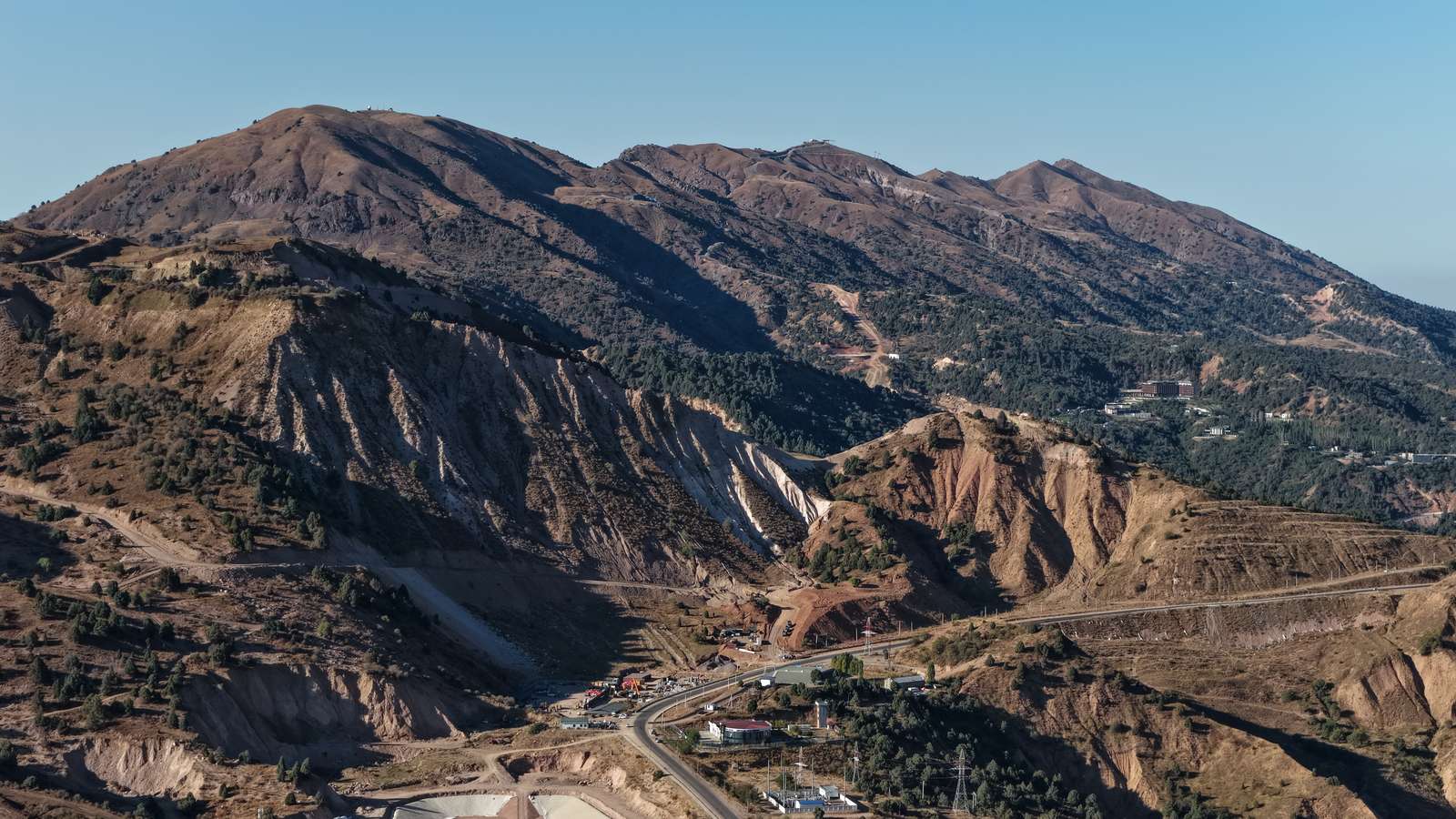
Most travellers expect desert and blue domes. The map also holds snowy peaks, wild forests and a lake nobody planned.
1. One of only two doubly landlocked countries
Uzbekistan has no way out to the ocean, and neither does any of its neighbours. That makes it one of only two doubly landlocked countries in the world; the other is Liechtenstein. So a beach holiday here means a mountain reservoir or a desert lake, as our guide to holidays in Uzbekistan explains.
2. Wild tulips and a World Heritage forest
Long before Ottoman gardens and Dutch bulb fields, Did you know? The tulip's family tree is said to begin in the Tien Shan Long before Ottoman gardens and Dutch bulb fields, wild tulips grew in Central Asia's mountains, and the Tien Shan is often named as their homeland. In April they flower on the slopes around Chimgan. Read more → grew in the mountains of Central Asia, and the Tien Shan is often named as their homeland. Since 2016 the ,Did you know? Wild walnut and apple forests, now World Heritage Since 2016 the Western Tien Shan, shared by Uzbekistan, Kazakhstan and Kyrgyzstan, has been a UNESCO World Heritage Site. Its lower slopes hold wild walnut and apple forests and the wild relatives of apricot, pear and cherry. Read more → shared with Kazakhstan and Kyrgyzstan, has been a UNESCO World Heritage Site, with wild walnut and apple forests and the wild relatives of apricot, pear and cherry. In April the tulips flower on the slopes around :Mountains of the Western Tien Shan about 80 km from Tashkent: hiking in summer, skiing in winter, the Charvak reservoir nearby. Read more → see our guide to the mountains.
3. The highest peak is not the one people name
,Did you know? Greater Chimgan was the first big summit for generations of climbers Greater Chimgan (3,309 m) in the Chatkal Range rises 1,689 m above the land around it, which makes it an ultra-prominent peak. Fifteen graded routes lead to the top, and for generations of beginners it was the first serious climb. Read more → 3,309 m, has been the first big summit for generations of climbers from Tashkent: it rises 1,689 m above the land around it. Mount ,Did you know? Mount Adelunga beats its neighbour Beshtor by just 2 metres Adelunga (4,301 m) in the Pskem range is the highest point of the Tashkent region, only 2 m above nearby Beshtor (4,299 m). It is often called Uzbekistan’s highest peak, but that is Khazret Sultan (4,643 m) in the far south. Read more → 4,301 m, is the top of the Tashkent region and is often called the highest in the country. It is not: that is Khazret Sultan, 4,643 m, in the far south. Routes and seasons are in our article on hiking in Uzbekistan.
4. A desert lake that appeared by accident
In the flood year of 1969 the Chardara reservoir on the Syr Darya had to release so much water that it was sent into the Arnasay depression, in the middle of the desert. The water stayed. Today Did you know? Aydarkul is a wetland of international importance In 2008 the Aydar-Arnasay lake system, about 527,000 ha, became a Ramsar site. It lies where two great bird flyways cross and shelters Dalmatian pelicans and the rare white-headed duck. Read more → is a large lake with fish, birds and yurt camps on its shore: see Aydarkul and the Nuratau.
5. The youngest desert in the world
As the Did you know? Part of the Aral Sea is coming back In 2005 the 12-km Kokaral dike was completed to keep the Syr Darya's water in the North Aral Sea. The level rose faster than expected, the water grew less salty, and fish and fishing returned. Read more → shrank, its dry bed turned into a new desert, the ,Did you know? The Aralkum is the youngest desert in the world As the Aral Sea shrank, its dry bed turned into a new desert, the Aralkum, which has appeared since 1960. It is called the youngest desert in the world, and the old fishing boats of Muynak now stand on its edge. Read more → which has been forming since 1960. It is called the youngest desert in the world, and the old fishing boats of Did you know? A music festival is held among Muynak's old fishing boats Since 2018 the Stihia festival of electronic music, art and science has gathered in Muynak, once a port on the Aral Sea, right beside the ships left on the sand. It ends by burning a 10-metre installation of the word SEA. Read more → now stand on its edge. Our Karakalpakstan travel guide explains how to get there.
History: cities, rulers and a mural from the 7th century
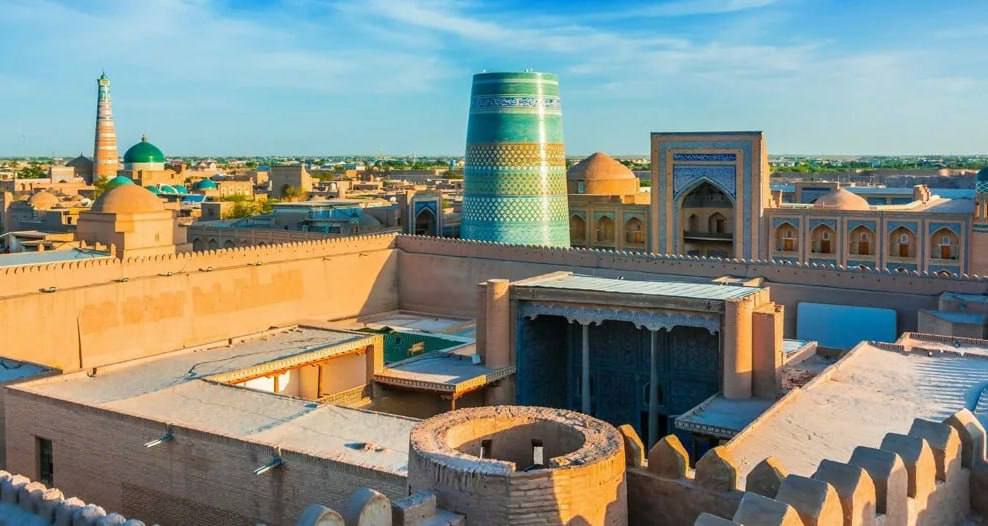
These are the stories behind the places that appear on almost every first trip.
6. Eight UNESCO World Heritage sites
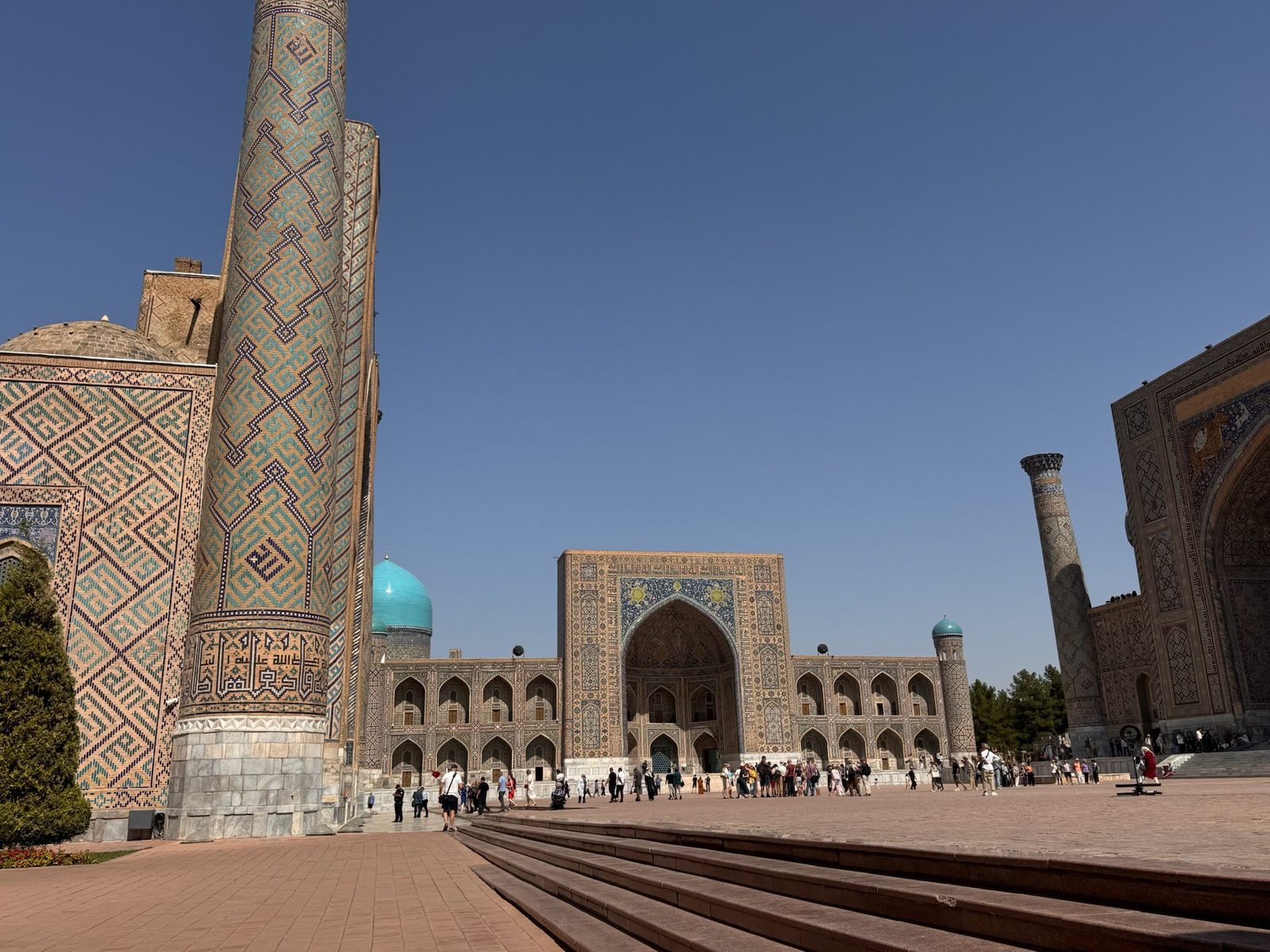
Uzbekistan has eight sites on the World Heritage List. The first was Did you know? People still live inside Khiva's museum city Itchan Kala packs more than 50 historic monuments and about 250 old houses inside clay walls 8–10 m high and 5–6 m thick, and families still live and work in its lanes. Read more → in Khiva, in 1990. Then came Bukhara, Shahrisabz, Samarkand, the Western Tien Shan, a A network of caravan routes between China and the Mediterranean. Samarkand, Bukhara and Khiva grew rich as stops along it. corridor along the Zarafshan and the cold winter deserts of Turan, and in July 2026 ten modernist buildings in Tashkent. Our guide to the sights of Uzbekistan shows where they all are.
7. Envoys from Korea on a 7th-century wall
In 1965 road builders cutting through the Did you know? A 7th-century mural shows envoys from Korea Uncovered by road builders in 1965, the Ambassadors' Painting at Afrasiyab shows delegations bearing gifts, Chinese with silk among them, and two men in feathered hats thought to be envoys from Korea's Goguryeo. Read more → hill in Samarkand uncovered murals painted around 650 for King ;Did you know? The Ambassadors’ Painting was found by road builders The murals of about 650 for King Varkhuman came to light in 1965, when a road was cut through the Afrasiyab hill; the bulldozers had already taken their upper part. A Sogdian inscription on one envoy’s robe names him: Pukarzate, chancellor of Chaganian. Read more → the bulldozers had already taken their upper part. What survived shows delegations bearing gifts, Chinese with silk among them, and two men in feathered hats thought to be envoys from Korea’s Goguryeo. The world that painted them is in our article on the Sogdians.
8. Why Europe says “Tamerlane”
Amir Timur (Tamerlane, 1336–1405), founder of the Timurid empire, which had its capital in Samarkand. Born near Shahrisabz. was born in 1336 near Kesh, today’s Shahrisabz. Old wounds left him lame, and the Persian nickname Timur-i Lang, “”,Did you know? Why Europe calls Timur 'Tamerlane' Persian sources called him Timur-i Lang, 'Timur the Lame', after old wounds to his right leg and arm. When his tomb was studied in 1941, anthropologist Mikhail Gerasimov confirmed the injuries and modelled his face from the skull. Read more → became “Tamerlane” in European languages. In 1941 the anthropologist Mikhail Gerasimov studied his tomb, confirmed the injuries and modelled his face from the skull. The story continues in our guide to Gur-e-Amir.
9. A minaret the Mongols left standing
The Did you know? Diggers went 13 m down and never found its base The Kalyan Minaret of 1127 rises about 46 m, and an excavation reached 13 m without finding the bottom of its foundations. Genghis Khan reportedly ordered it spared. Read more → in Bukhara was finished in 1127 and rises about 46 m; an excavation went 13 m down without reaching the bottom of its foundations. When the Mongols took Bukhara in 1220, they left it standing. Legend says Genghis Khan tipped his head back to see the top, his hat fell off, and since so great a man had bowed to the tower, it was spared. More in our guide to Poi Kalyan.
10. A museum city where people still live
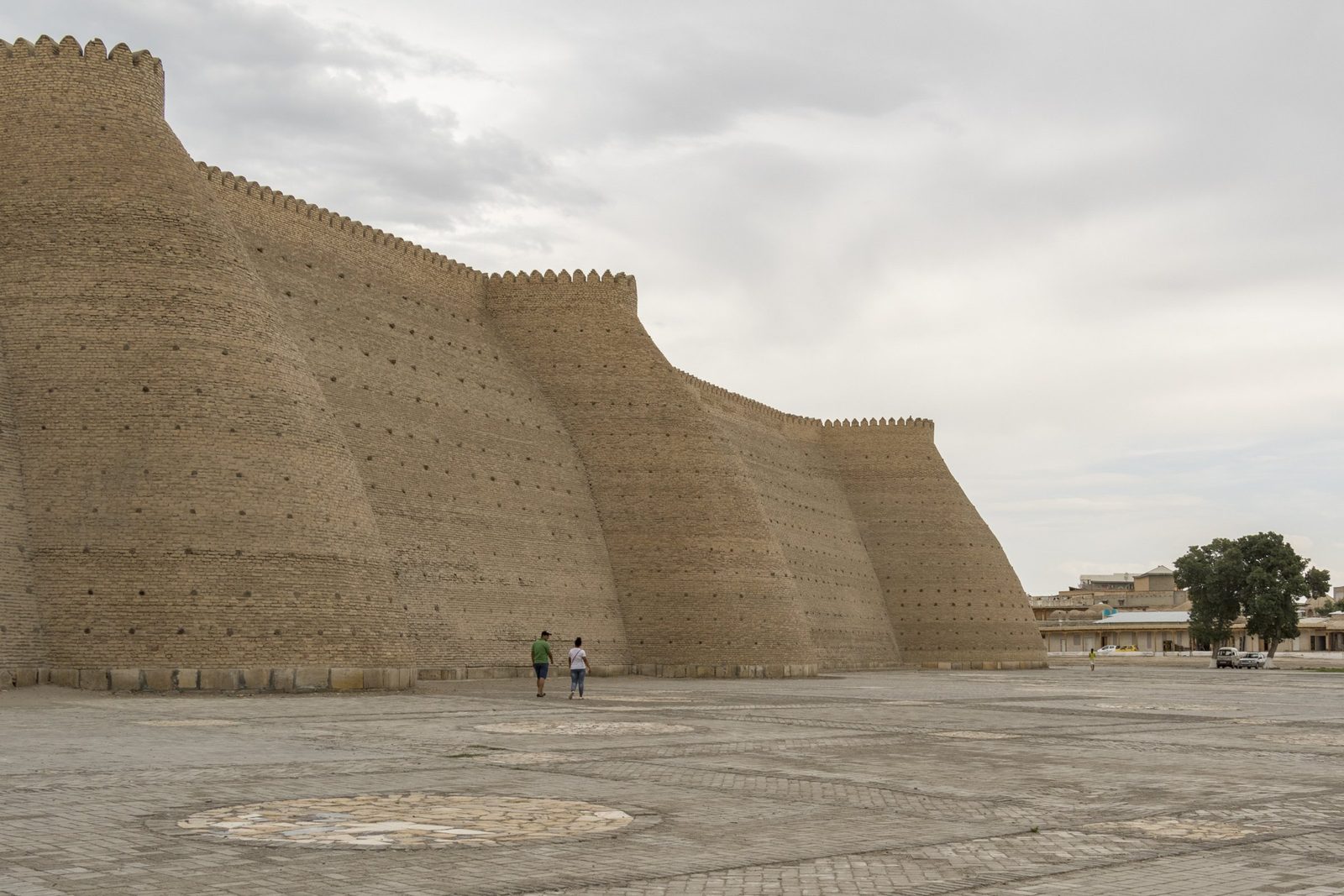
Itchan Kala, the inner town of Khiva, packs more than 50 historic monuments and about 250 old houses inside clay walls 8–10 m high, and families still live and work in its lanes. Its Did you know? Khiva's Juma Mosque stands on 212 wooden columns Recorded as early as the 10th century and rebuilt in 1788, the Juma Mosque has no portal and no domes: its flat roof rests on 212 carved columns in 17 rows, and some of them are older than the building itself. Read more → has no portal and no domes: the flat roof rests on 212 carved wooden columns, some older than the building itself. Walk it with our Itchan Kala guide.
11. The founder of the Mughal Empire was born in Andijan
Did you know? The founder of the Mughal Empire was born in Andijan Babur was born in Andijan on 14 February 1483 and, at twelve, took the throne of Fergana in its capital Akhsikath. Later he founded the Mughal Empire in India; his memoir, the Baburnama, still describes the valley's towns. Read more → was born in Andijan, in the Fergana Valley, on 14 February 1483, and at twelve he took the throne of Fergana. Later he founded the Mughal Empire in India. His memoir, the ,Did you know? The Baburnama opens in the Fergana Valley with a boy of twelve Babur wrote his memoirs in his native Chagatai Turkic. The book opens: “In the month of Ramadan of the year 899 [1494], in the twelfth year of my age, I became ruler in the country of Farghana.” A Persian translation followed in 1589–90. Read more → written in his native Chagatai Turkic, still describes the towns of the valley; read more in our article on Akhsikent, his first capital.
Science: the algorithm, the stars and the number π
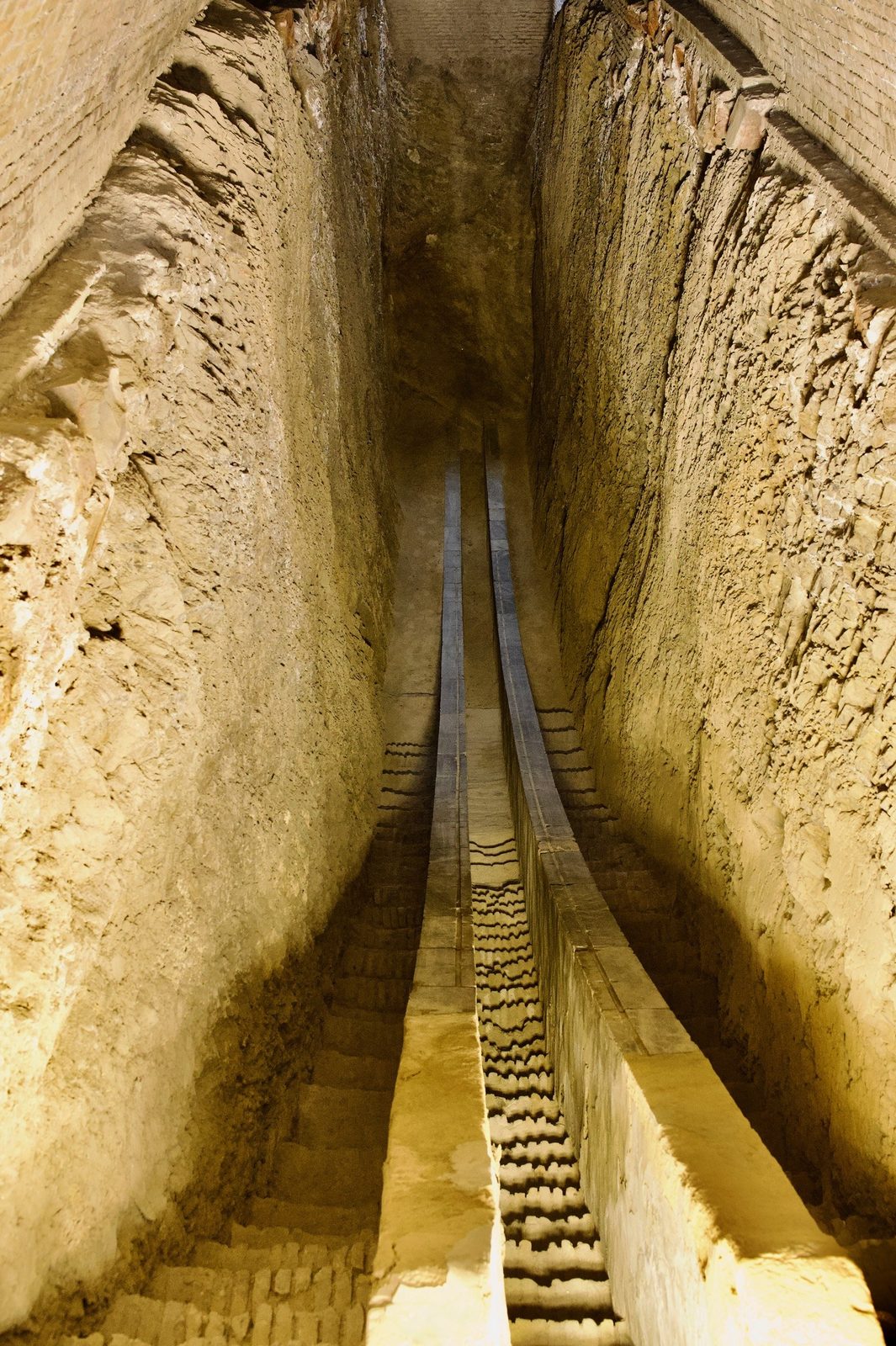
Several names from a school maths or astronomy book belong to this land.
12. The word “algorithm” comes from Khorezm
Muhammad Did you know? The word “algorithm” comes from a scholar of Khorezm Muhammad al-Khwarizmi, born in Khorezm around 780, worked at the House of Wisdom in Baghdad. The Latin form of his name gave us “algorithm”, and “algebra” comes from al-jabr in the title of his book. A statue of him stands in Khiva. Read more → was born in Khorezm around 780 and worked at the House of Wisdom in Baghdad. The Latin form of his name gave us “algorithm”, and “algebra” comes from al-jabr in the title of his book. A statue of him stands in Khiva: plan your visit with Khiva in one or two days.
13. Ulugh Beg measured the year to within 25 seconds
At his Did you know? Ulugh Beg measured the year to within 25 seconds Working at his Samarkand observatory, Ulugh Beg put the tropical year at 365 days 5 h 49 min 15 s, about 25 seconds too long, closer than Copernicus a century later. Read more → in Samarkand, Ulugh Beg put the length of the year at 365 days 5 hours 49 minutes 15 seconds, about 25 seconds too long and closer than Copernicus a century later. His star catalogue reached Europe in print in 1665, when Thomas Hyde edited it at .Did you know? Ulugh Beg’s star catalogue was first printed in Oxford Europe first read Ulugh Beg’s star catalogue in print in 1665, when the orientalist Thomas Hyde edited it at Oxford. Ulugh Beg’s astronomers in Samarkand had measured the positions of 992 stars again and added 27 too far south to be seen from the city. Read more → The great marble arc of his instrument can still be seen at the Ulugh Beg Observatory.
14. π to 16 decimal places, worked out in Samarkand
In 1424 Jamshid Did you know? In Samarkand, al-Kashi worked out π to 16 decimal places In 1424 Jamshid al-Kashi computed π to 16 decimal places, the most accurate value of his time. Nobody did better for about 180 years, until Ludolph van Ceulen reached 20 places. Al-Kashi did his best work at Ulugh Beg’s court and died in Samarkand in 1429. Read more → computed π to 16 decimal places, the most accurate value of his time. Nobody did better for about 180 years, until Ludolph van Ceulen reached 20 places. Al-Kashi did his best work at Ulugh Beg’s court and died in Samarkand in 1429. That court comes to life in our article on the Timurid heritage.
15. Avicenna was born near Bukhara
Ibn Sina, known in Europe as Avicenna, was born around 980 in ,Did you know? Avicenna was born in a village near Bukhara Ibn Sina, known in Europe as Avicenna, was born around 980 in Afshona, a village near Bukhara. His Canon of Medicine was a standard textbook in European universities for centuries; today a memorial museum stands in his native village. Read more → a village near Bukhara. His Canon of Medicine was a standard textbook in European universities for centuries, and a memorial museum stands in his native village today. More in our guide to the museums of Samarkand and Bukhara.
16. A furnace that runs on sunlight and mirrors
The Did you know? A solar furnace near Tashkent catches the sun with 62 mirrors The Big Solar Furnace near Parkent, about 45 km from Tashkent, has worked since 1987. A field of 62 heliostats sends sunlight onto a parabolic concentrator of 10,700 small mirrors, and the heat is used to test and make new materials. Read more → near Parkent, about 45 km from Tashkent, has worked since 1987. A field of 62 heliostats sends sunlight onto a concentrator of 10,700 small mirrors, and the heat is used to test and make new materials. It is part of the Tashkent modernism World Heritage site, and we can arrange a trip to the Solar Furnace. More in day trips from Tashkent.
Food and tea: plov, bread and a hundred melons
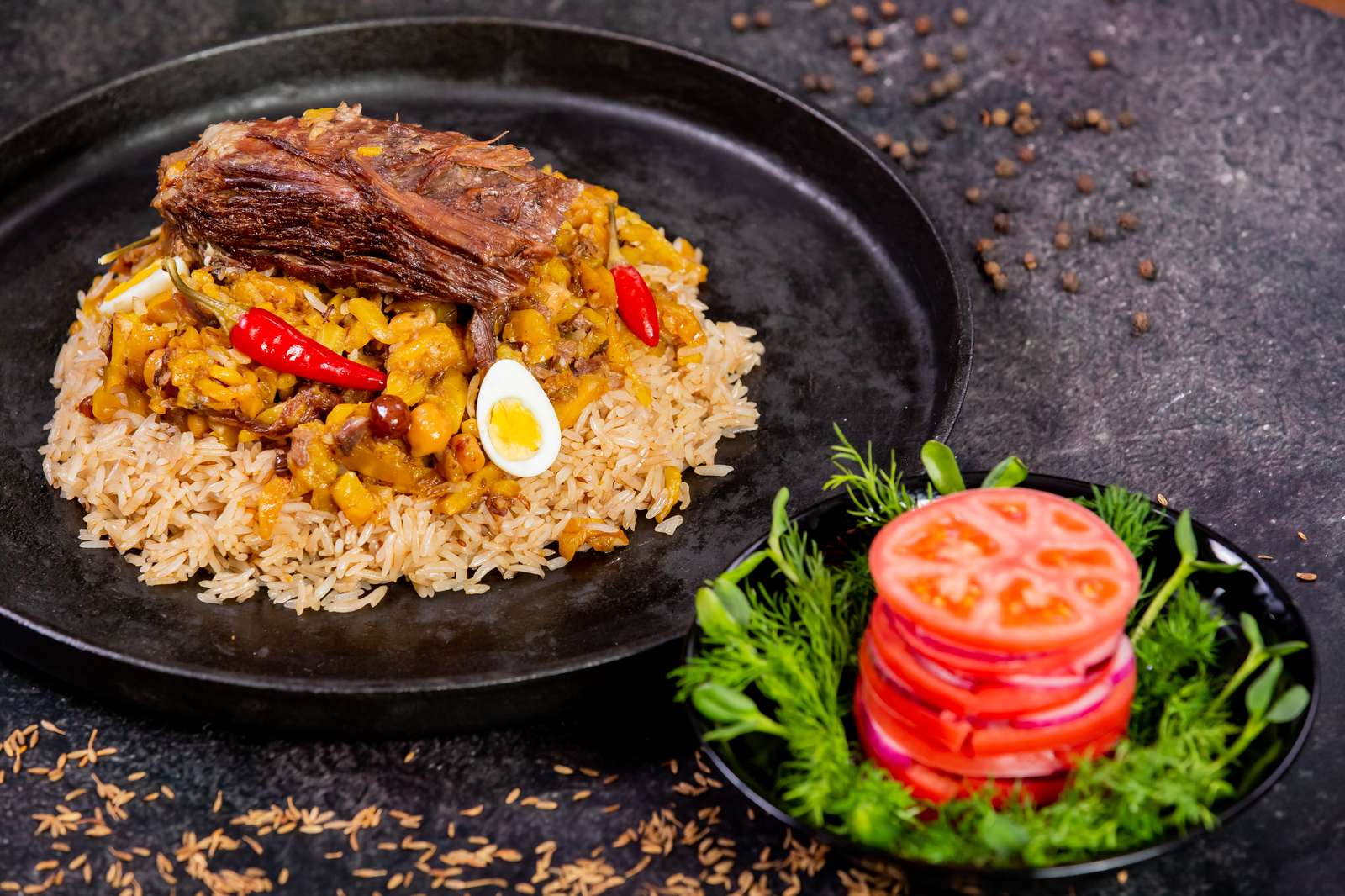
The table is where most of our guests start to understand the country.
17. Plov is on UNESCO’s list
“Palov culture and tradition” joined UNESCO’s list of intangible heritage in 2016. Rice cooked in a kazan with carrots, onions and meat: the dish of every Uzbek celebration. Each region cooks it its own way. is everyday food, yet also the dish of weddings, holidays and welcoming guests. At Tashkent’s ,Did you know? Uzbek plov is on UNESCO's intangible heritage list “Palov culture and tradition” joined UNESCO's list in 2016: plov is everyday food, yet also the dish of weddings, holidays and welcoming guests. At Tashkent's Besh Qozon, “five cauldrons”, you can watch it cooked over fire in huge kazans. Read more → “five cauldrons”, you can watch it cooked over fire in huge kazans. Where and how to eat it: plov in Uzbekistan.
18. The pattern on the bread is the baker’s signature
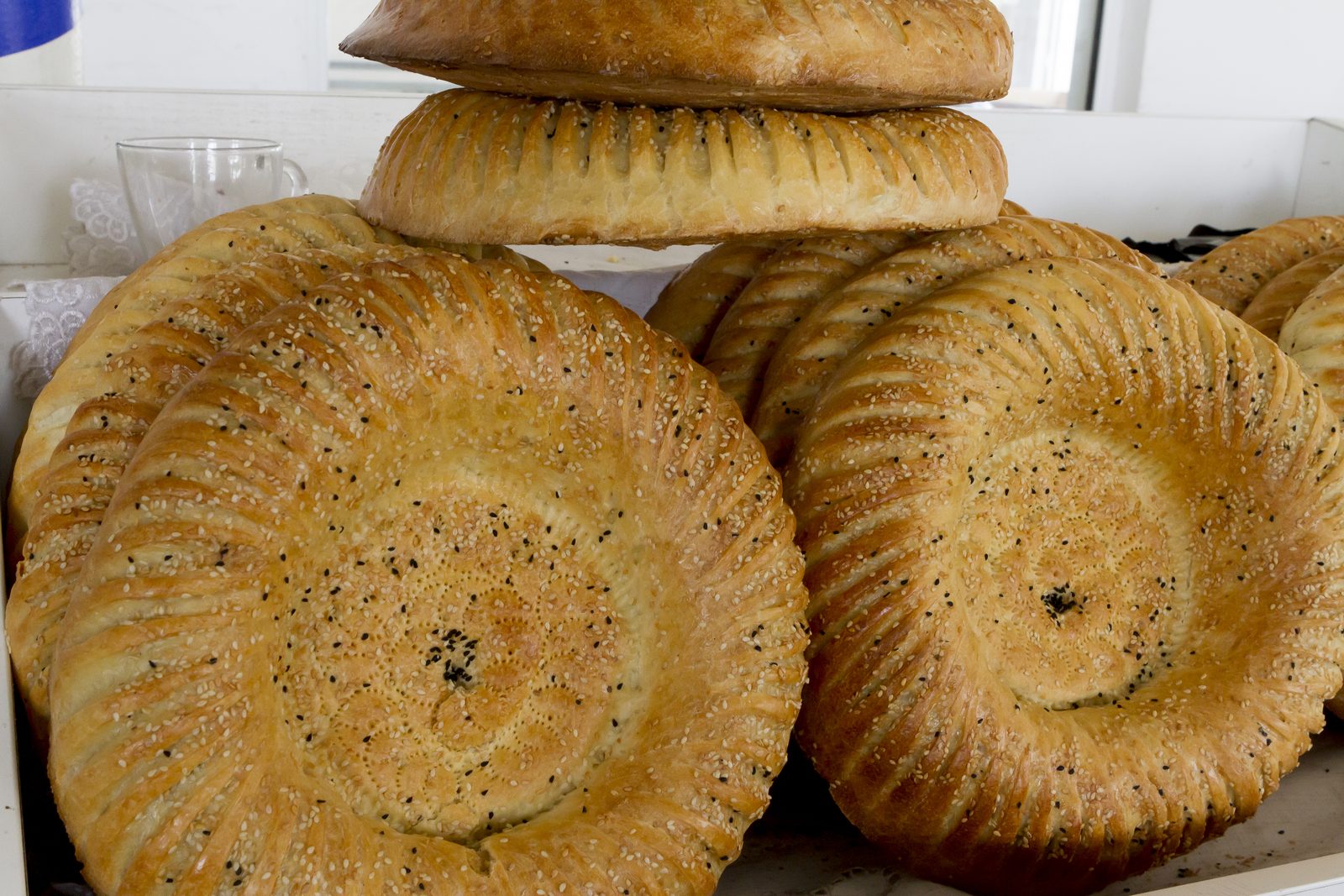
The flat centre of a round loaf, non, is pressed with a Did you know? The pattern on Uzbek bread is the baker’s signature The flat centre of non is pressed with a chekich, a stamp often made of nails, so it doesn’t rise and steam can escape. Bakers use their patterns as a signature. In Tashkent the radial lines on the rim come from a second press often made of bicycle spokes. Read more →, a stamp often made of nails, so it does not rise and steam can escape. Bakers use their patterns as a signature. Legend says a ruler of Bukhara once brought Samarkand’s best baker to his court with his oven, flour and water, yet the bread came out different: what was missing, the baker said, was the air of Samarkand. More in our article on Uzbek bread.
19. More than 100 kinds of melon at one festival
In the west of the country the melon is the dessert. Khorezm melons are in season from June to October, and in August Khiva holds its melon festival, Qovun sayli; in 2026 it showed more than 100 varieties of Khorezm melon. A fresh melon will not survive the flight home, but dried melon will: see Uzbek sweets.
20. The first three bowls of tea go back into the pot
Before a guest is served, the host fills a Did you know? Green tea is the national drink, but Tashkent prefers black Green tea, kok choy, is drunk all day across Uzbekistan and offered to every guest, without milk or sugar, in small bowls called piyola. Tashkent is the exception: here black tea, qora choy, is the one most people pour. Read more → and pours it back into the pot three times. This is Did you know? Why the first three bowls of tea go back into the pot Before a guest is served, the host fills a piyola and pours it back into the pot three times. This is qaytarish, from the Uzbek word for “return”: the tea brews fully and its aroma opens, and only the fourth pour goes into a clean bowl for you. Read more →, from the Uzbek word for “return”: the tea brews fully, and only the fourth pour goes into a clean bowl for you. Green tea is the national drink, but Tashkent prefers black. More in tea and the chaikhana.
21. Sumalak is sweet, yet nobody adds sugar
,Did you know? Sumalak is sweet, yet nobody adds sugar Traditional sumalak is made of nothing but sprouted wheat and water; its sweetness comes from the sprouts themselves. Add flour to thicken it faster and the paste turns out less sweet. The last night of cooking was traditionally spent singing around the pot. Read more → the dish of Navruz, is made of nothing but sprouted wheat and water, and its sweetness comes from the sprouts themselves. It cooks through the night in a big kazan, and the last night was traditionally spent singing around the pot. The whole festival is in our article on Navruz in Uzbekistan.
Crafts and music: paper, silk and songs learned by ear
Many of these crafts are still made by hand, and in several workshops you can watch the masters at work.
22. Samarkand paper, polished with stone
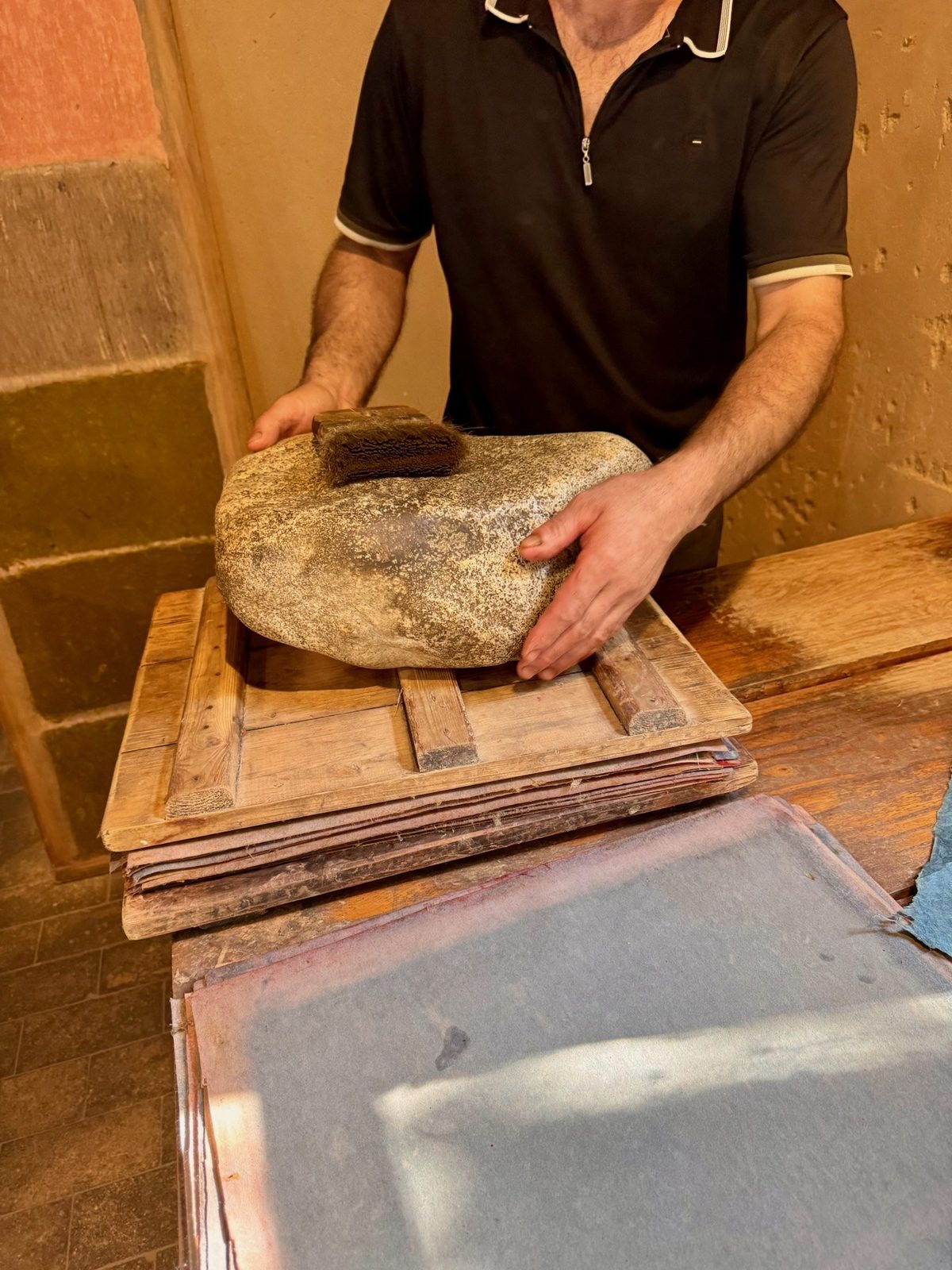
At the Did you know? Paper polished with stone, made to last 400 years At the Meros mill in Konigil, founded in 1996 to revive a craft that had died out, a water wheel beats mulberry bark into pulp, and each sheet is polished for hours with agate, shell or horn. It is made to last some 400 years. Read more → mill in ,A village near Samarkand where paper is made by hand from mulberry bark, the old way, at a working mill on the stream. near Samarkand, founded in 1996 to revive a craft that had died out, a water wheel beats mulberry bark into pulp, and each sheet is polished for hours with agate, shell or horn. It is made to last some 400 years. Legend says Chinese prisoners taken at the Battle of Talas in 751 taught Samarkand to make paper; in fact paper was used here earlier. See Samarkand paper at Konigil.
23. UNESCO holds up Margilan’s silk weavers as a model
In 2017 UNESCO added the Did you know? Legend says Margilan is named after chicken and bread Legend says locals greeted Alexander the Great with chicken and bread, 'murg' and 'non', and the dish gave the town its name. In fact Alexander never reached here; the name Margilan is recorded from the 10th century. Read more → Crafts Development Centre, which revives the hand-making of Did you know? Legend says the first atlas silk copied a rainbow on water Legend says a Margilan khan wanted to marry a weaver’s daughter but promised to give her up for something more beautiful by morning. By a canal the weaver saw clouds and a rainbow reflected after rain — and wove the first khan-atlas. Read more → and Did you know? UNESCO holds up Margilan's silk weavers as a model In 2017 UNESCO added the Margilan Crafts Development Centre, which revives the hand-making of atlas and adras, to its Register of Good Safeguarding Practices. Atlas is pure silk; adras mixes silk and cotton. Read more →, to its Register of Good Safeguarding Practices. Atlas is pure silk; adras mixes silk and cotton. At the Yodgorlik factory you can follow the thread from the cocoon to the loom: see Margilan silk.
24. One suzani, many embroiderers
A Did you know? One suzani was often stitched by several women at once A family member or a pattern drawer, the kalamkash, drew the design across strips of cotton. The strips went to different women of the family or neighbourhood, who embroidered them at the same time; sewn back together, they show slightly mismatched seams. Read more → began with a Did you know? Who drew the pattern of a suzani A suzani began with a kalamkash, a professional draftswoman, who sketched the design onto strips of cloth. Different women of the family or neighbourhood then embroidered the strips, which were sewn back together: hence the small shifts at the seams. Read more →, a pattern drawer, who sketched the design across strips of cotton. The strips went to different women of the family or the neighbourhood, who embroidered them at the same time. Sewn back together, they show slightly mismatched seams, the sign of many hands. More in our article on suzani embroidery.
25. Rishtan’s blue comes from the ash of steppe plants
Did you know? Legend says a Rishtan apricot made a great scholar praise God Legend says 12th-century Rishtan folk brought a new apricot to their countryman Burhan al-Din al-Marghinani in Samarkand; he tasted it and said 'Subhanallah' three times, so it is called subhoni. The scholar is real: he wrote al-Hidaya. Read more →’s traditional glaze, Did you know? Rishtan’s famous blue comes from the ash of steppe plants Rishtan’s traditional glaze, ishkor, is an alkali made from the ash of wild plants gathered in spring and mixed with quartz sand; copper turns it turquoise. Most workshops now use ready-made glazes, but a few masters have revived the old recipe. Read more →, is an alkali made from the ash of wild plants gathered in spring and mixed with quartz sand; copper turns it turquoise. Most workshops now use ready-made glazes, but a few masters have revived the old recipe. See Rishtan ceramics.
26. Shashmaqom is learned by ear
,Did you know? Shashmaqom is learned by ear: notes keep only its outline Shashmaqom, “six maqoms”, is the classical music of Bukhara: long suites of song, poetry and instruments. Written notes record only its basic framework, so it still passes from master to pupil. UNESCO proclaimed it a masterpiece of oral heritage in 2003. Read more → “six maqoms”, is the classical music of Bukhara: long suites of song, poetry and instruments. Written notes record only its outline, so it still passes from master to pupil. UNESCO proclaimed it a masterpiece of oral heritage in 2003. Listen with our guide to the music of Uzbekistan.
Uzbekistan today: the metro, a long tunnel and fast trains
The modern country has its own record-breakers.
27. Central Asia’s first metro, built for a magnitude-9 earthquake
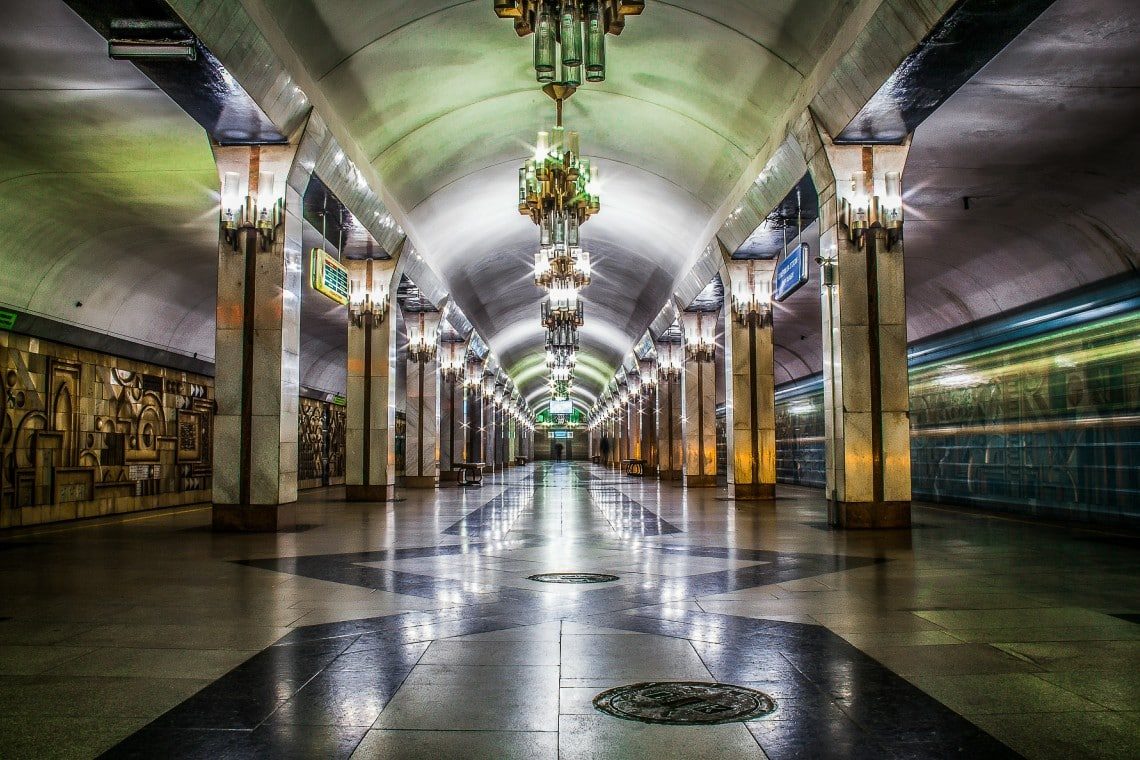
Tashkent’s Did you know? A metro designed to ride out a magnitude-9 earthquake The three original lines of the Tashkent Metro were built to withstand an earthquake of magnitude 9.0, and the tunnels lie unusually shallow, only 8–25 m below the street. Read more → opened on 6 November 1977 with nine stations, the first in Central Asia. Its three original lines were built to withstand an earthquake of magnitude 9.0, and the tunnels lie only 8–25 m below the street. Since 1 June 2018 it can be photographed freely, the decorated station halls included: see the Tashkent metro.
28. The longest tunnel in Central Asia
The railway tunnel under the Did you know? The Kamchik tunnel is the longest in Central Asia The railway tunnel under the Kamchik pass is 19.2 km long, the longest in Central Asia and the former USSR. China Railway Tunnel Group dug it with Uzbek Railways from September 2013 to February 2016, and the line opened on 22 June 2016. Read more → pass, on the line to the ,Did you know? Legend says Fergana's 'heavenly horses' sweated blood Legend says the horses of Dayuan, as Chinese chronicles called Fergana, sweated blood, and around 102 BC Emperor Wu of Han sent an army to bring some home. The 'blood' was most likely a skin parasite that causes tiny bleeding spots. Read more → is 19.2 km long, the longest in Central Asia and the former USSR. It was dug from 2013 to 2016, and the line opened on 22 June 2016. More in our Andijan and Namangan guide.
29. A fast train to Khiva named after a 13th-century shah
The Did you know? The fast train to Khiva bears the name of a 13th-century shah The Jaloliddin Manguberdi, a Hyundai Rotem high-speed train, made its first run on 5 May 2026: 1,220 km from Tashkent to Khiva via Samarkand, Bukhara and Urgench in about 7.5 hours. It is named after Jalal ad-Din, the last Khwarazmshah. Read more → high-speed train made its first run on 5 May 2026: 1,220 km from Tashkent to Khiva via Samarkand, Bukhara and Urgench in about 7.5 hours. It is named after Jalal ad-Din, the last Khwarazmshah. See Tashkent to Khiva.
30. An ice arena shaped like a mythical bird
Did you know? Tashkent’s ice arena is shaped like a mythical bird Humo Arena is named after the Humo, a mythical bird of happiness and freedom, and its designers shaped the building after it. It opened on 15 March 2019, seats 12,500 for ice hockey and hosted 27 matches of the 2024 FIFA Futsal World Cup, final included. Read more → in Tashkent is named after the Humo, a mythical bird of happiness and freedom, and its designers shaped the building after it. It opened on 15 March 2019, seats 12,500 for ice hockey and hosted 27 matches of the 2024 FIFA Futsal World Cup, the final included. Winter in the city is in Uzbekistan in winter.
How to see these facts for yourself
Most of these facts sit on the classic route of Tashkent, Samarkand, Bukhara and Khiva, linked by fast trains. From Samarkand, a trip to Shahrisabz takes you to Timur’s home town, and the mountains around Chimgan are an easy day out from Tashkent. Karakalpakstan and the Fergana Valley need a few extra days.
To choose your dates, start with our weather by month. Then browse the tour catalogue, or let the tour finder suggest three tours for your dates and interests.
In short
- Uzbekistan is one of only two doubly landlocked countries, yet it has peaks above 4,600 m and a lake that appeared by accident.
- It has eight UNESCO World Heritage sites; the newest, since 2026, is in Tashkent.
- The algorithm, Ulugh Beg’s year, al-Kashi’s π and Avicenna all lead back here.
- Plov is on UNESCO’s list, bread carries the baker’s signature, and one festival in Khiva showed more than 100 melons.
- Most of these facts lie on the Tashkent, Samarkand, Bukhara and Khiva route.