
Places in this article: Samarkand · Bukhara · Khiva · Tashkent
Uzbekistan history in 10 minutes: a timeline from Sogdiana to today
Stand on the Did you know? A 7th-century mural shows envoys from Korea Uncovered by road builders in 1965, the Ambassadors' Painting at Afrasiyab shows delegations bearing gifts, Chinese with silk among them, and two men in feathered hats thought to be envoys from Korea's Goguryeo. Read more → hill on the edge of Samarkand and you are on top of a city that was already old when Alexander the Great rode in. Two kilometres away is the ,Did you know? The Registan's sun-carrying lion went on a banknote The Sher-Dor Madrasah (1619–1636) is named for the big cats with the sun on their backs on its portal. The image appeared on the reverse of Uzbekistan's 200-som note of 1997. Read more → built some two thousand years later. Uzbekistan’s history is like that: layer on layer, and most layers have left something you can still walk up to.
Here is the history of Uzbekistan in brief, era by era, from the Sogdian oases to independence in 1991, with a short timeline table and, for each era, the place where you can see it today. We are a tour operator in Tashkent, and this is the order in which we explain it to our guests on the road.
The timeline at a glance
| When | Era | Where to see it today |
|---|---|---|
| to the 4th century BC | Ancient oases: Sogd, Bactria, Khorezm | Afrasiyab, Samarkand; the fortresses of Khorezm |
| 329–327 BC | Alexander the Great in Sogdiana | Afrasiyab; Kampyr Tepe near Termez |
| 1st–3rd century AD | The Kushans and Buddhist Termez | Fayaz Tepe, Kara Tepe, Zurmala |
| 5th–8th century | Sogdian merchant cities | The Ambassadors’ Painting, Paykend |
| 819–999 | The Samanids | The ,Did you know? Buried in mud, this tomb escaped Genghis Khan The 10th-century Samanid Mausoleum, one of the oldest monuments of Islamic Central Asia, was covered by flood mud and sand before the Mongols came in 1220. Hidden for centuries, its brick lacework survived intact. Read more → Bukhara |
| 999–1212 | The Karakhanids | The ,Did you know? Diggers went 13 m down and never found its base The Kalyan Minaret of 1127 rises about 46 m, and an excavation reached 13 m without finding the bottom of its foundations. Genghis Khan reportedly ordered it spared. Read more → Bukhara |
| c. 1077–1231 | The Khorezmshahs | ;Did you know? Legend says a tunnel links Kyzyl-Kala and Toprak-Kala Legend says the small, almost square fortress of Kyzyl-Kala, the “Red Fortress”, is joined to neighbouring Toprak-Kala by an underground passage. No tunnel has been found yet; the fort itself was discovered by S. P. Tolstov’s expedition in 1938. Read more → the Manguberdi memorial, Urgench |
| 1220 | The Mongol conquest | The empty Afrasiyab hill |
| 1370–1507 | The Timurids | ,Did you know? Timur's tombstone went to Persia and came back The dark-green jade slab on Timur's grave in Gur-e-Amir was carried off by Nader Shah in 1740. It broke, and on his advisers' urging he sent it back to Samarkand. Read more → ,Did you know? Why Shah-i-Zinda means 'the Living King' The necropolis grew around the shrine of Qutham ibn Abbas, a cousin of the Prophet Muhammad. Legend says he did not die in battle but went down a deep well to a garden of paradise, where he lives on. Read more → The ruins of Amir Timur's palace in Shahrisabz, his home town. Only parts of the giant entrance arch still stand. Read more → |
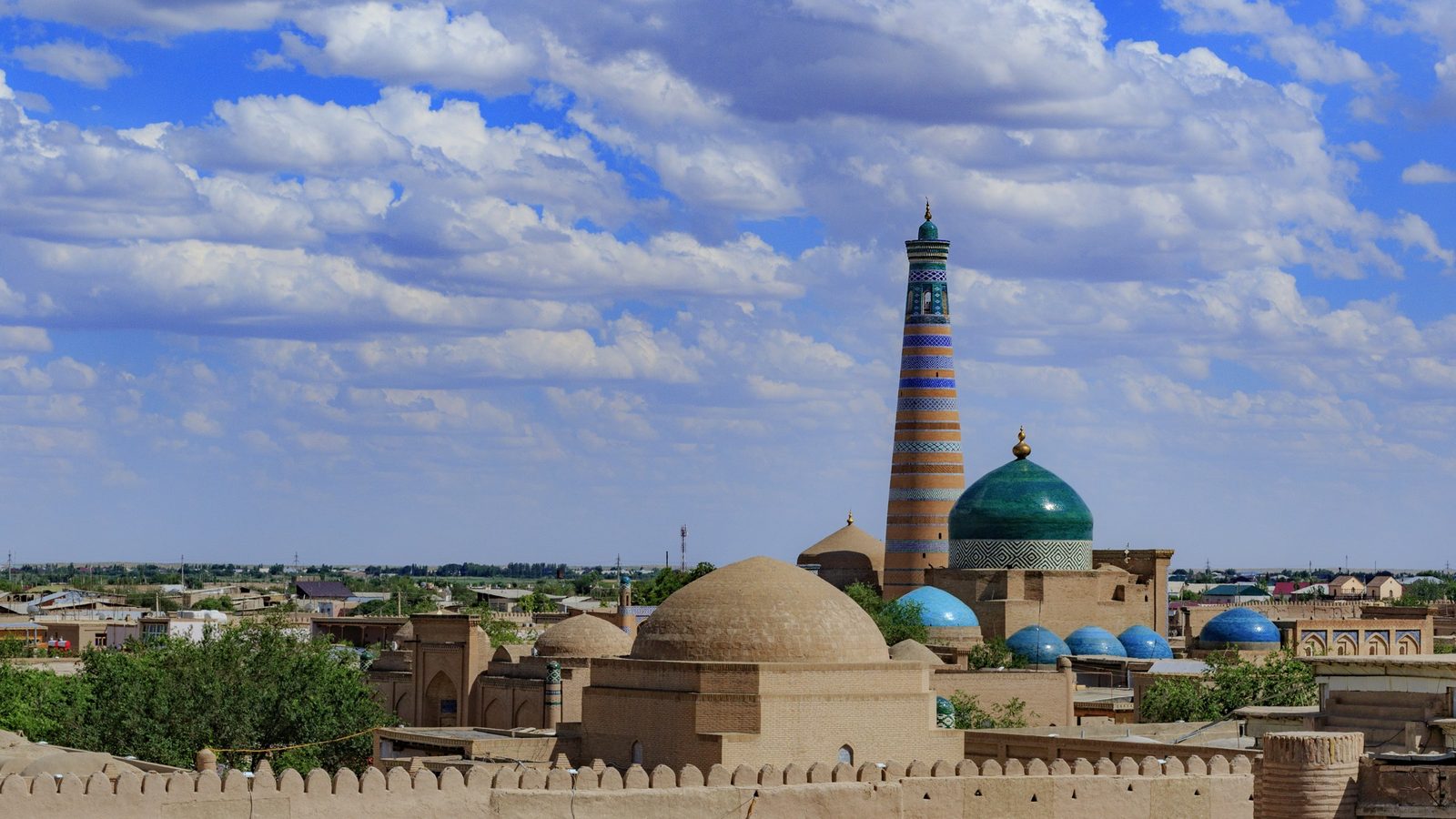
| 16th–19th century | The Shaybanids and the khanates of Bukhara, Khiva and Did you know? Kokand's Friday mosque stands on 98 columns from India Muhammad Umar Khan built Kokand's Juma Mosque in 1812–1818. Its 100-metre iwan rests on 98 carved red-wood columns brought from India, and its minaret is 22 m tall. Inside is a small museum of applied arts. Read more → | ,Did you know? Legend: the minaret's foundation was laid with camel milk Legend says master Bako laid the foundations of the Kalyan minaret with ganch plaster mixed with camel milk, then vanished for two years to let them harden, and only then built the tower. Locals still show a grave they say is his. Read more → the Registan, ,Did you know? People still live inside Khiva's museum city Itchan Kala packs more than 50 historic monuments and about 250 old houses inside clay walls 8–10 m high and 5–6 m thick, and families still live and work in its lanes. Read more → Kokand |
| 1865–1991 | The Russian Empire and the Soviet period | Tashkent: the Did you know? A metro designed to ride out a magnitude-9 earthquake The three original lines of the Tashkent Metro were built to withstand an earthquake of magnitude 9.0, and the tunnels lie unusually shallow, only 8–25 m below the street. Read more → and modernism |
| 1991 | Independence | Everywhere |
Ancient oases, Sogd and Alexander
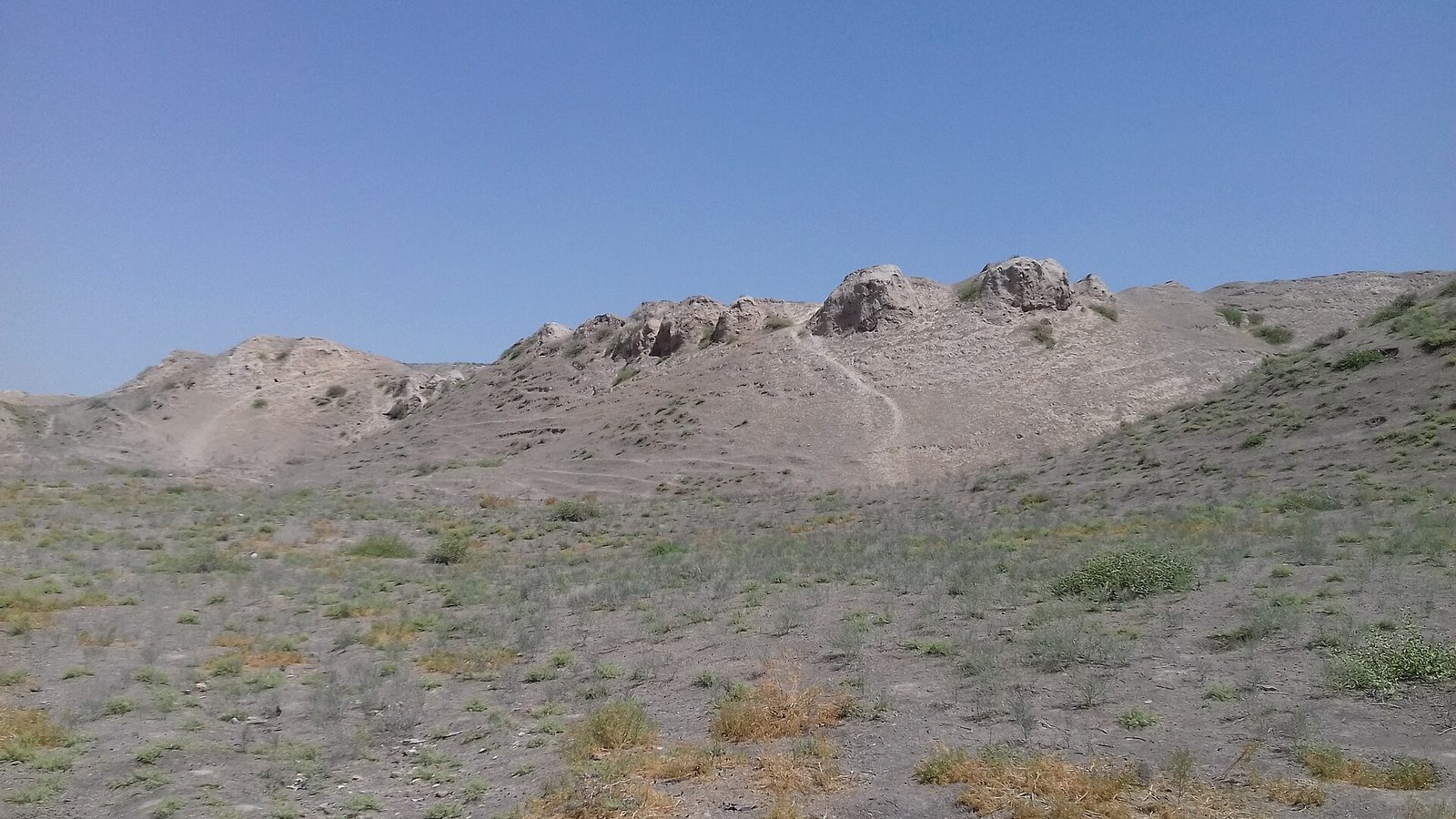
Long before the A network of caravan routes between China and the Mediterranean. Samarkand, Bukhara and Khiva grew rich as stops along it. had a name, the region lived in oases along its rivers. Sogd lay in the Zarafshan valley, with Samarkand and Bukhara; Bactria lay to the south, around today’s Termez; Khorezm lay on the lower Amu Darya. In the 6th century BC the Persian king Cyrus the Great brought Sogdiana into the Achaemenid empire, and by then Samarkand was the capital of the Sogdian lands.
In 329 BC Alexander the Great took the city the Greeks called .Did you know? Legend: Alexander found Samarkand more beautiful than told Alexander the Great took Maracanda, ancient Samarkand, in 329 BC. Legend credits him with saying that all he had heard of the city was true, except that it was even more beautiful. No ancient author records the words. Read more → His campaign in Sogdiana lasted about two years, and in 327 BC he married Roxana, the daughter of a Sogdian nobleman. Afterwards the region passed to the Seleucids and then to the Greco-Bactrian kingdom.
Where to see it: the Afrasiyab hill and its museum in Samarkand, described in museums of Samarkand and Bukhara. The clay forts of ancient Khorezm, some of them from the 4th–3rd century BC, are in Khorezm’s desert fortresses, and the fortress that tradition ties to Alexander is in our Nurata guide. The people who made Sogd famous have their own article: the Sogdians.
The Kushans and Buddhist Termez
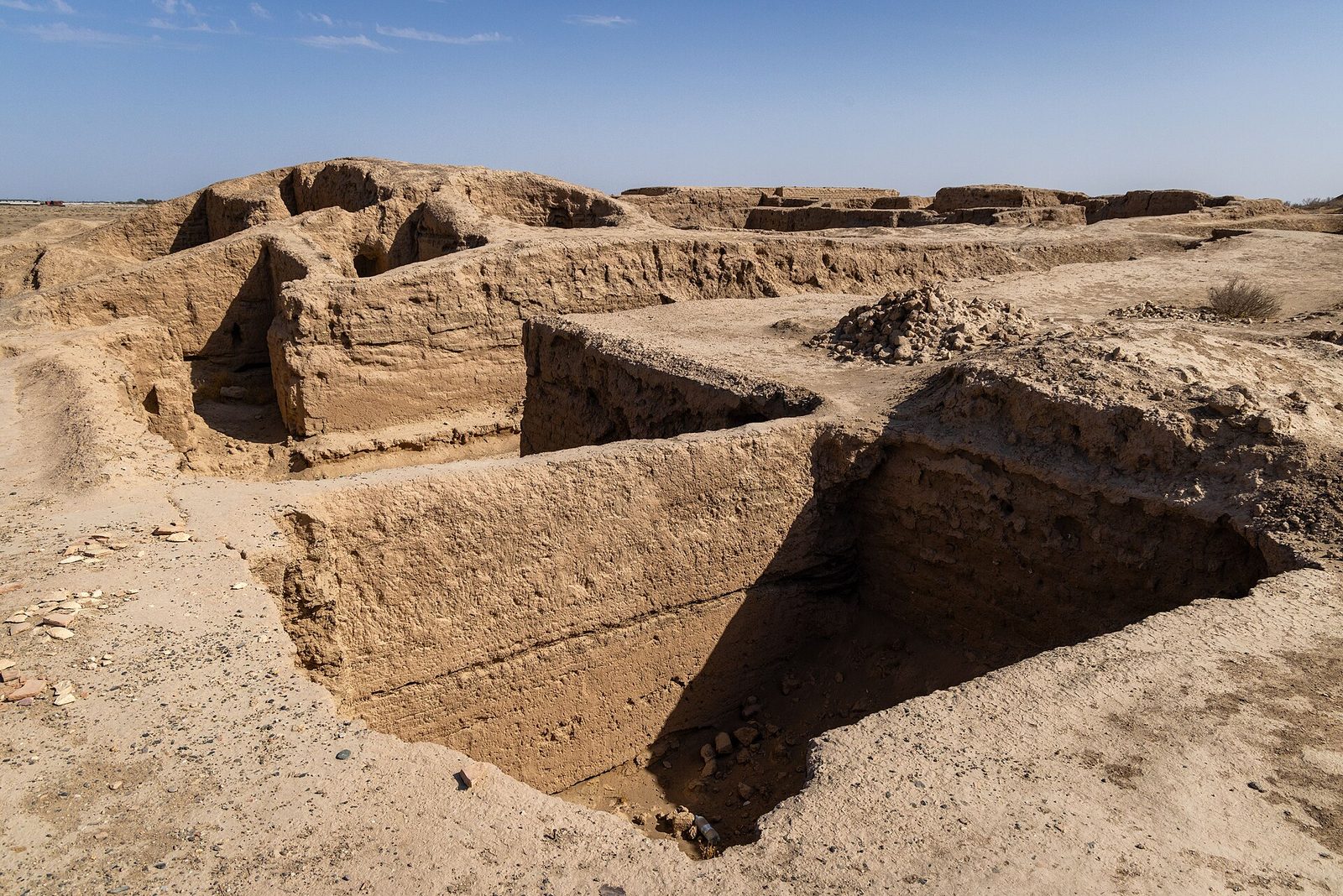
From the 1st century AD the Kushan empire ruled the lands on both sides of the Amu Darya, and Buddhism came north along its roads. Around Termez monks built monasteries and stupas: Fayaz Tepe was founded in the 1st century AD, the Zurmala stupa went up in the 1st–2nd century from about 1.2 million mud bricks, and the caves of Kara Tepe were cut into a hill above the river. In the 7th century the Chinese monk Xuanzang still counted about ten monasteries in Termez.
Where to see it: the sites themselves and the archaeological museum in Termez, in our Termez guide, or the whole south in our Buddhist South tour. The Buddha found at Fayaz Tepe in 1968 is in the State Museum of History in Tashkent, one of the Tashkent museums worth an hour.
The Arab conquest and the Samanids
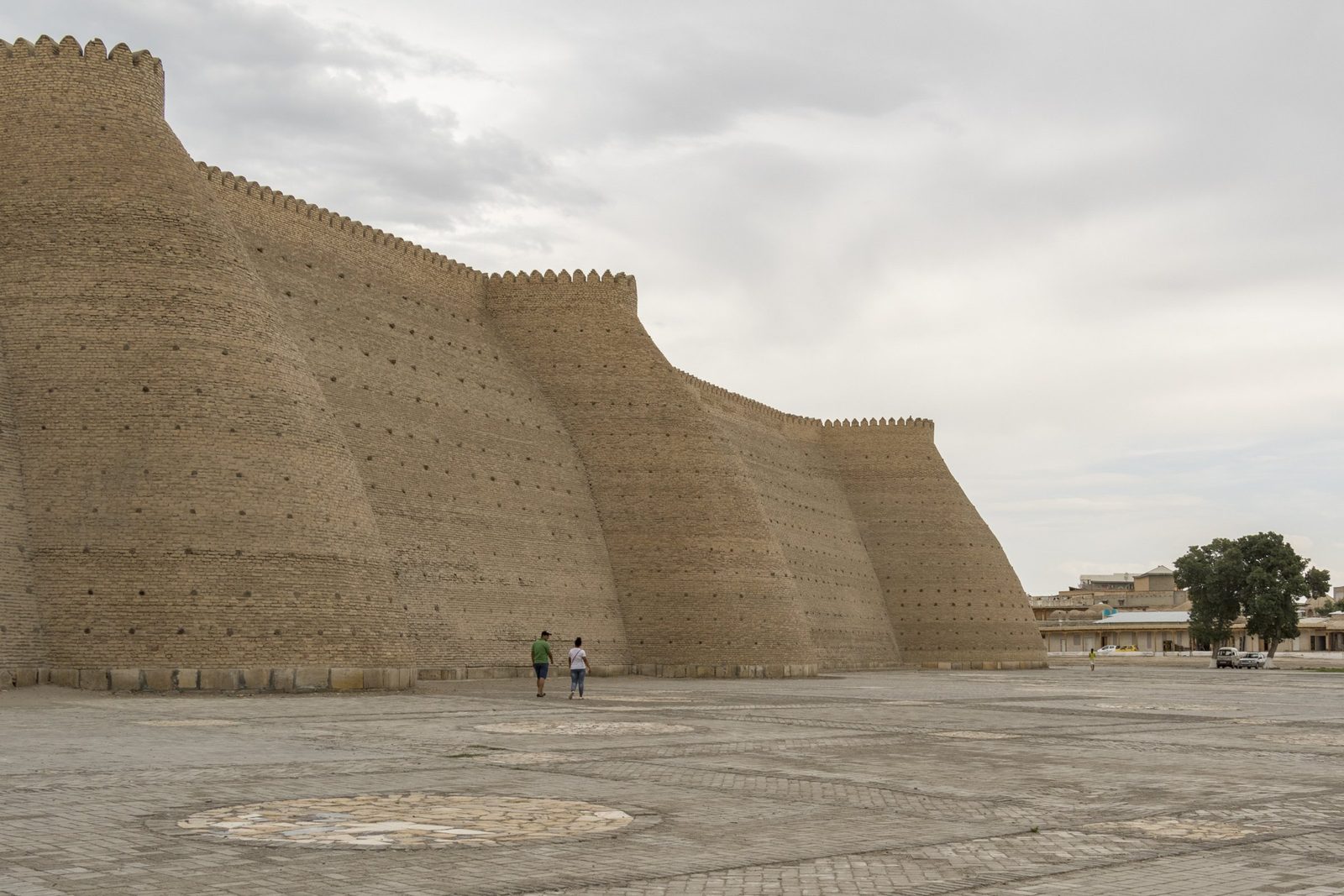
In the 5th–8th centuries the Sogdian cities were at the height of their trade, and in the early 8th century Arab armies arrived; in 713 the first mosque of Bukhara was built inside .The fortress-residence of the rulers of Bukhara on a high artificial hill: the oldest structure in the city. Read more → Islam and the Arabic script came to stay.
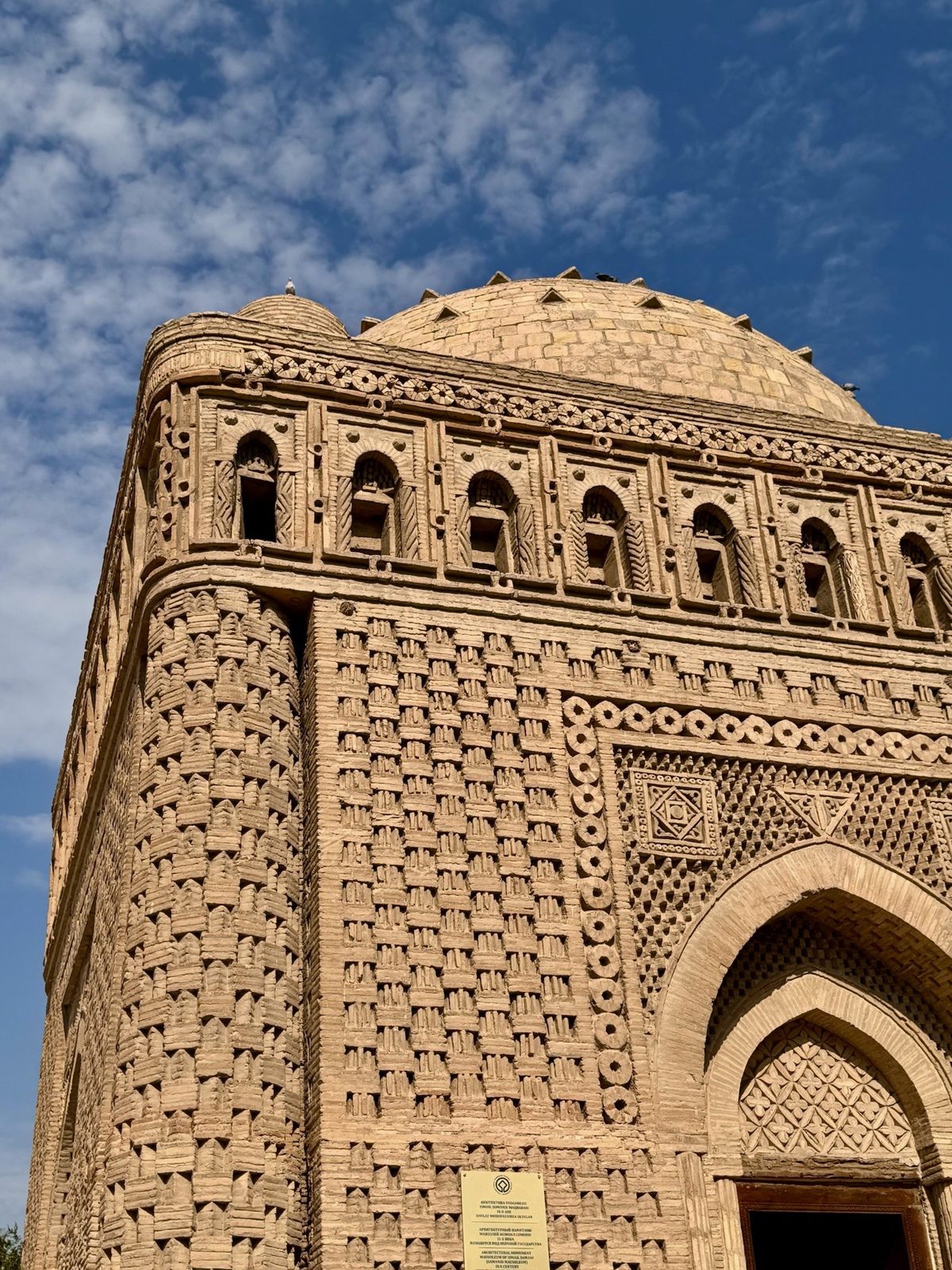
The Samanids, who ruled from 819, made Bukhara their capital in 892, in the reign of Did you know? Legend says Ismail Samani answered requests after death People long believed that Ismail Samani, the ruler buried in the Samanid Mausoleum, still helped his people: a written request slipped through an opening on one side would be answered by the next day. Notes were left here into the 20th century. Read more → (892–907). Under them Bukhara became a centre of learning, and Persian took over from Sogdian as the language of the region. Ibn Sina, the physician and philosopher known in Europe as Avicenna, was born around 980 in ,Did you know? Avicenna was born in a village near Bukhara Ibn Sina, known in Europe as Avicenna, was born around 980 in Afshona, a village near Bukhara. His Canon of Medicine was a standard textbook in European universities for centuries; today a memorial museum stands in his native village. Read more → a village near Bukhara.
Where to see it: the Samanid Mausoleum, a brick cube from the turn of the 9th and 10th centuries, in the Samanid Mausoleum and Bolo-Hauz, and the fortress of the rulers in the Ark of Bukhara.
The Karakhanids, the Khorezmshahs and 1220
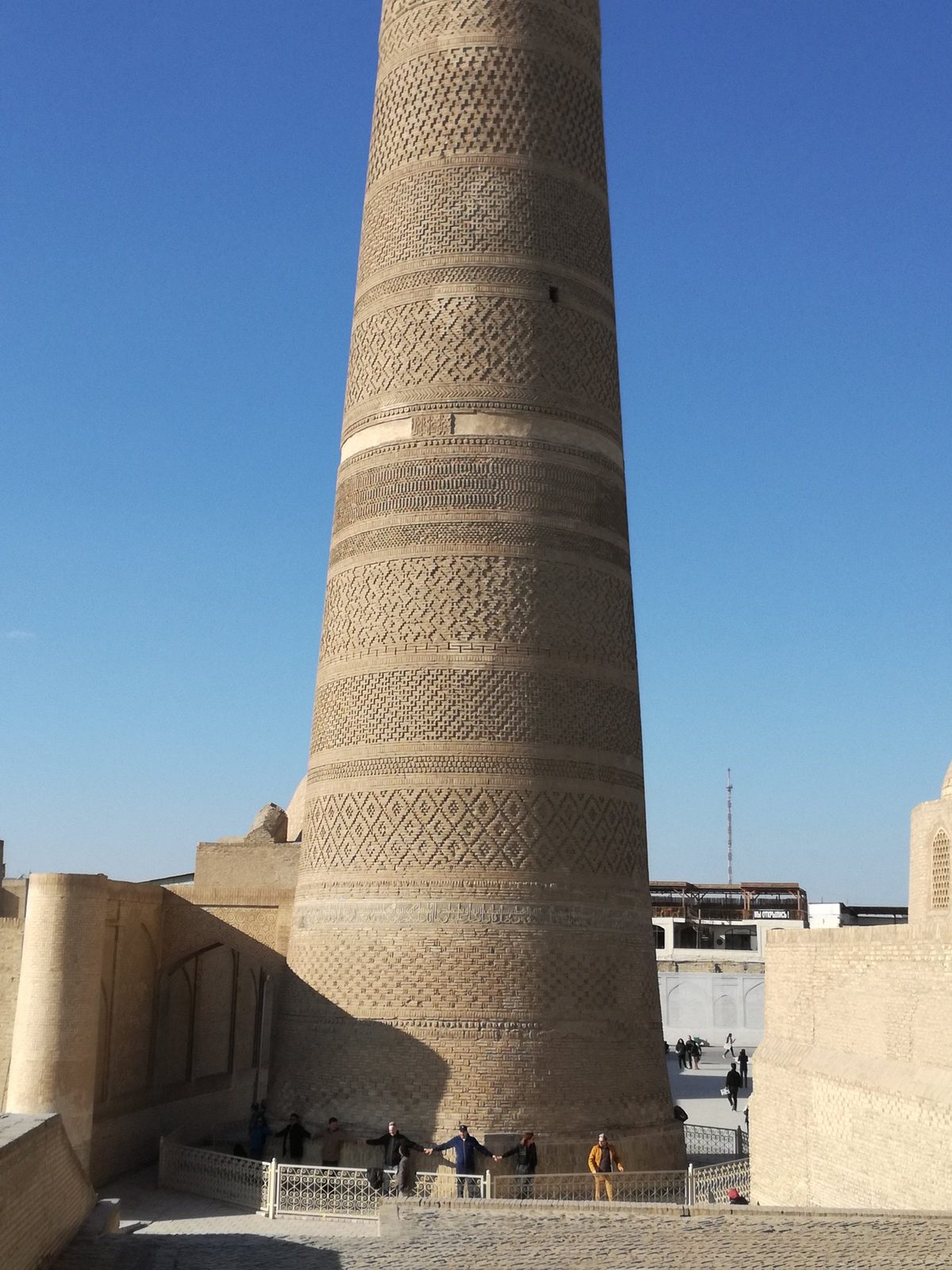
In 999 the Karakhanids, a Turkic dynasty, took Bukhara and Samarkand, and from 1040 to 1212 Samarkand was the capital of their western khanate. Their best-known monument is the Kalyan minaret in Bukhara, built in 1127 by :Did you know? Legend: Genghis Khan bowed to the Kalyan minaret Legend says that in 1220 Genghis Khan tipped his head back to see the top of the minaret and his hat fell off; since so great a man had bowed to it, it was spared. What is known: Arslan Khan finished it in 1127, and the Mongols left it standing. Read more → 46.5 metres of patterned brick.
In the late 12th century the Khorezmshahs, rulers of Khorezm, rose to become the strongest state in the region; their first capital, Gurganj, lies across the border in today’s Turkmenistan. In 1220 the Mongol army of Genghis Khan took Bukhara and Samarkand. The city on the Afrasiyab hill was never rebuilt, and Samarkand grew up again beside it. The Kalyan minaret was left standing.
Where to see it: Poi Kalyan in Bukhara; Kyzyl-Kala in Karakalpakstan, rebuilt in the 12th century, in Khorezm’s desert fortresses; and in Urgench the memorial to ,Did you know? The fast train to Khiva bears the name of a 13th-century shah The Jaloliddin Manguberdi, a Hyundai Rotem high-speed train, made its first run on 5 May 2026: 1,220 km from Tashkent to Khiva via Samarkand, Bukhara and Urgench in about 7.5 hours. It is named after Jalal ad-Din, the last Khwarazmshah. Read more → the last Khorezmshah, in around Khiva.
The Timurids
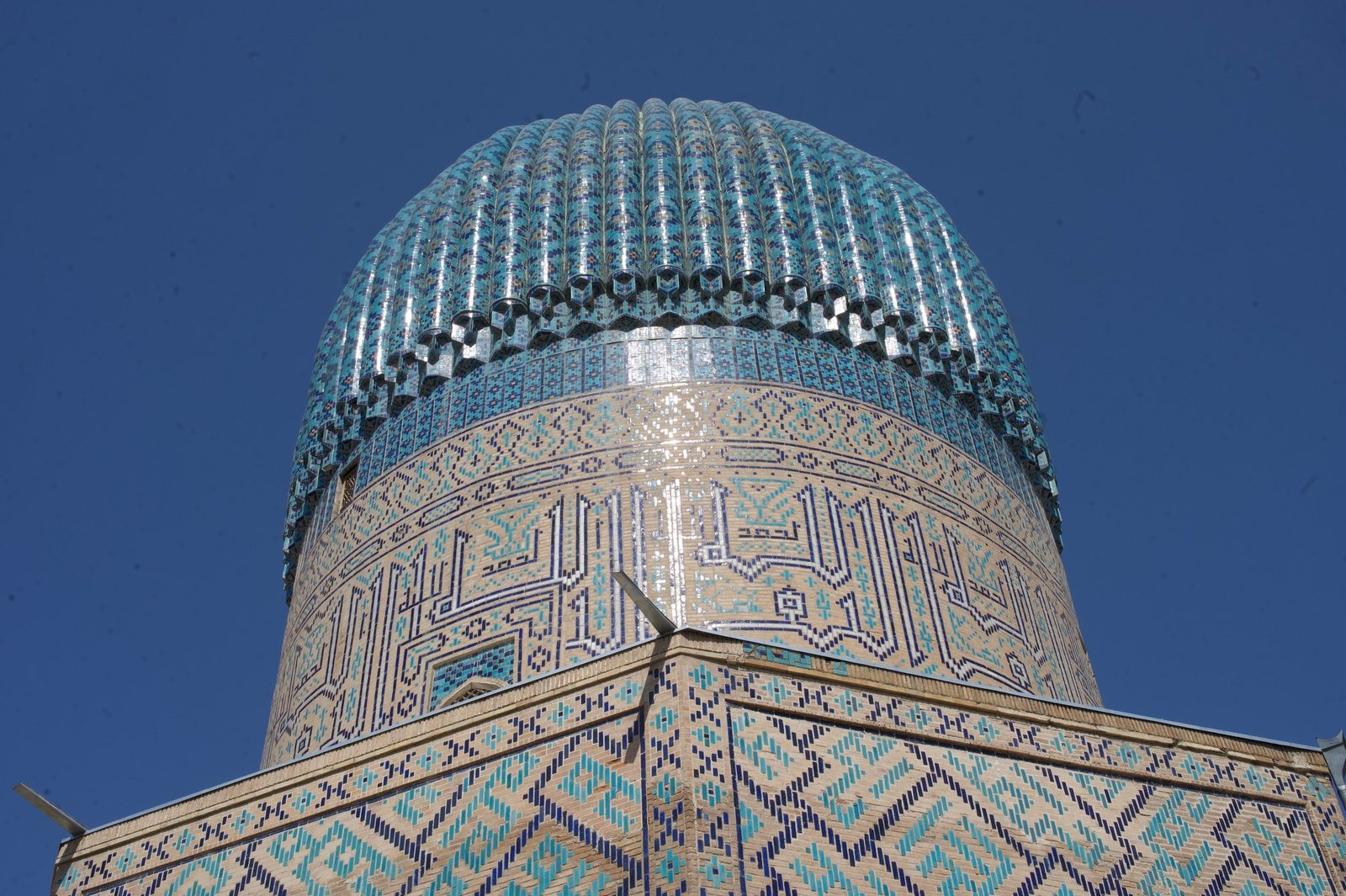
Amir Timur (Tamerlane, 1336–1405), founder of the Timurid empire, which had its capital in Samarkand. Born near Shahrisabz. was born in 1336 near Kesh, today’s Shahrisabz. In 1370 he founded the dynasty that ruled Central Asia and Iran until 1507, and he made Samarkand his capital. His grandson Did you know? Ulugh Beg measured the year to within 25 seconds Working at his Samarkand observatory, Ulugh Beg put the tropical year at 365 days 5 h 49 min 15 s, about 25 seconds too long, closer than Copernicus a century later. Read more → governed Samarkand from 1409, built an observatory in the 1420s and finished a catalogue of 1,018 stars. The last great Timurid, ,Did you know? The founder of the Mughal Empire was born in Andijan Babur was born in Andijan on 14 February 1483 and, at twelve, took the throne of Fergana in its capital Akhsikath. Later he founded the Mughal Empire in India; his memoir, the Baburnama, still describes the valley's towns. Read more → was born in Andijan in 1483 and in 1526 founded the Mughal dynasty in India.
Most of the blue domes travellers come for belong to this century. Where to see it: Gur-e-Amir, Shah-i-Zinda and the Ulugh Beg Observatory in Samarkand, and Ak-Saray in Shahrisabz, an easy trip from Samarkand with a guide. The whole story is in the Timurids.
The Shaybanids and the three khanates
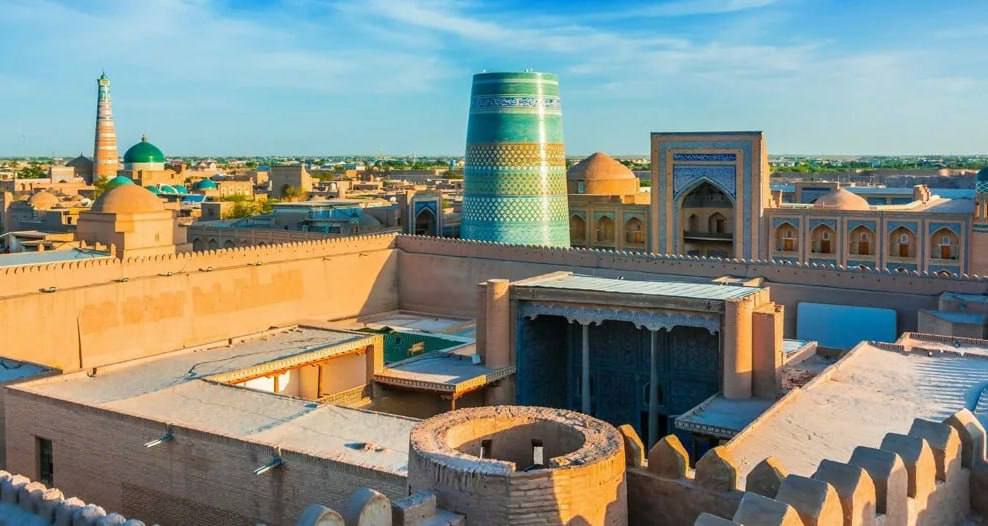
In 1501 Muhammad Shaybani took Samarkand, and his dynasty, the Shaybanids, ruled until 1598; by the 1560s Bukhara was their permanent capital. They rebuilt the Kalyan mosque in 1514 and covered Bukhara’s crossroads with .Did you know? Under Bukhara's domes merchants changed money and gold Four 16th-century trading domes still stand over old crossroads. Toki Sarrafon was the money changers' dome, where merchants from India and China swapped coins; Toki Zargaron held jewellers' workshops, Toki Telpak Furushon sold caps. Read more → Under the khans of Bukhara the Registan in Samarkand received Sher-Dor (1619–1636) and Did you know? The 'gilded' mosque of the Registan Tilla-Kari, built in 1646–1660, means 'gilded'. With Bibi-Khanym in ruins, it served as Samarkand's main Friday mosque until the 1920s. Its prayer hall glows with kundal, relief painting finished in gold leaf, restored in 1979. Read more → (1646–1660). From 1753 the Manghit dynasty ruled Bukhara, which became an emirate.
Two more states grew up beside it. In Khorezm, Khiva became the capital in 1598 after the Amu Darya changed its course, and its khans filled Itchan Kala with madrasahs and palaces. In the Fergana Valley the Kokand khanate lasted from 1709 to 1876. Each court built in its own way, which is why Khiva, Bukhara and Kokand look so different; how to tell the styles apart is in how to read Uzbek architecture.
Where to see it: the Registan, Itchan Kala and the palace of Did you know? Khudoyar Khan's palace once had seven courtyards Finished in the early 1870s, the 'Pearl of Kokand' had seven courtyards and some 114–119 rooms. Five courtyards and 19 rooms survive. The American diplomat Eugene Schuyler called it grander than any other palace in Central Asia. Read more → in our Kokand guide.
The 19th and 20th centuries
In 1865 Tashkent became part of the Russian Empire and the centre of its Turkestan province, and the Kokand khanate followed in 1876. Bukhara and Khiva kept their rulers as protectorates until 1920. The Uzbek Soviet Socialist Republic was formed in 1924; its capital was Samarkand until 1930, then Tashkent.
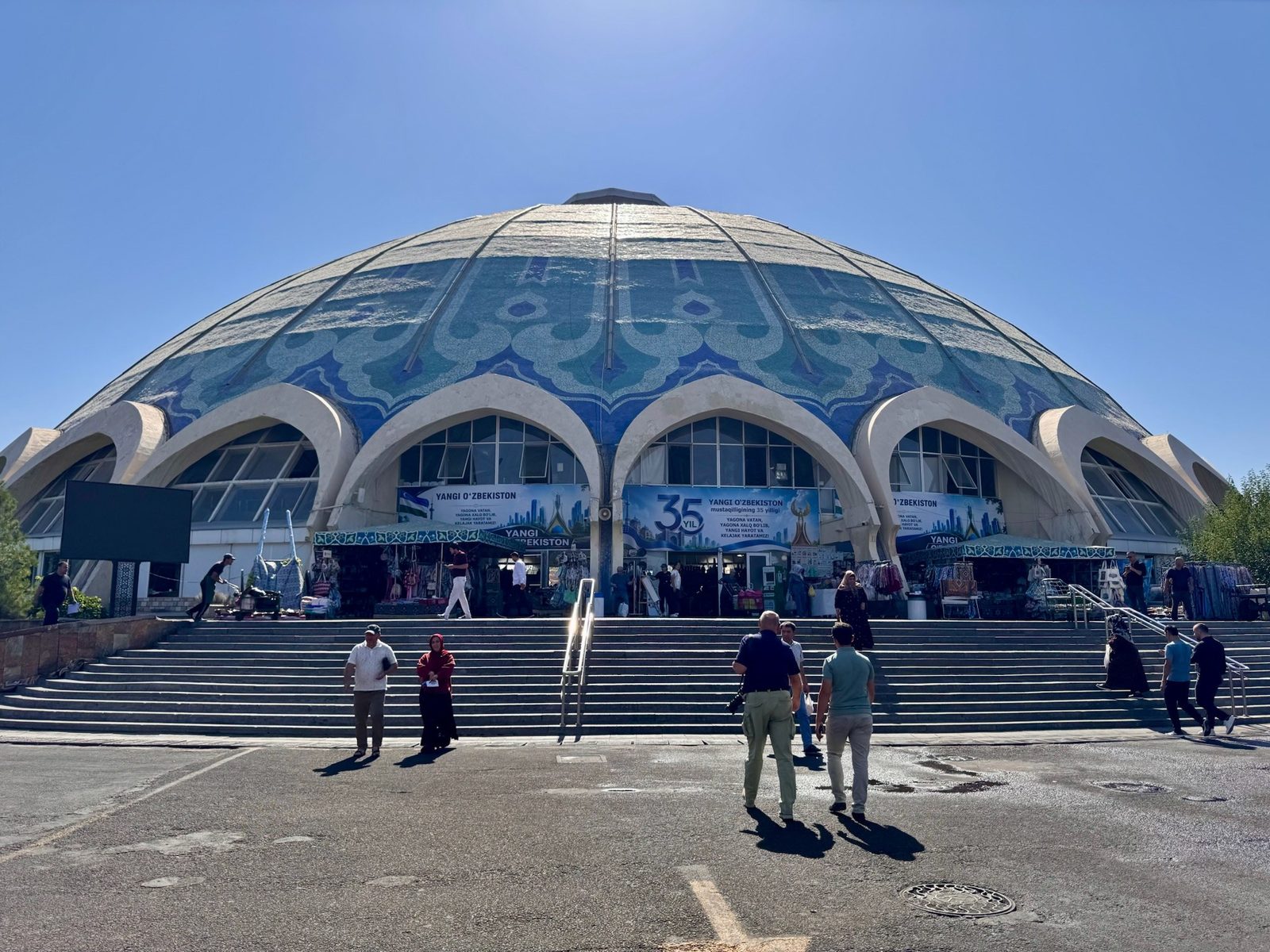
After the earthquake of 26 April 1966 the centre of Tashkent was rebuilt, and in 1977 the first metro in Central Asia opened there. In July 2026 ten buildings of Tashkent modernism, from Did you know? Tashkent’s Chorsu dome is younger than the city’s metro Trade at the old crossroads is centuries old, but the domed building opened only in 1990, thirteen years after the metro. Architects Vladimir Azimov and Sabir Adylov gave it a main dome of 86 m ringed by seven smaller ones. Read more → to the metro, were inscribed on the UNESCO World Heritage List. On 31 August 1991 Uzbekistan became independent.
Where to see it: our guides to Tashkent modernism and the Tashkent metro.
In short
- The history of Uzbekistan in brief: ancient oases and Sogd, Alexander, the Kushans, the Samanids and Karakhanids, the Khorezmshahs, 1220, the Timurids, three khanates, then the Russian Empire, the Soviet period and independence in 1991.
- One classic route covers most of it: Afrasiyab and the Timurid domes in Samarkand, the Samanid Mausoleum and the Kalyan minaret in Bukhara, Itchan Kala in Khiva, modernism in Tashkent. High-speed trains link the cities.
- Termez and the Buddhist sites need two extra days in the south; the Khorezm fortresses fit into a day from Khiva.
- Start with the museums: the State Museum of History in Tashkent and the Afrasiyab Museum in Samarkand give the whole timeline in a few hours. A walk with a guide in Samarkand brings the layers together.
- Come in April–May or September–October, when the open-air sites are pleasant all day. For six of these places in more depth, read a short history of Uzbekistan in six things and what the Silk Road was.
© Photos
- Afrasiyab ancient settlement, Samarkand — Akhemen / Wikimedia Commons · CC BY-SA 4.0
- Kara Tepe Buddhist site, Termez — Marat Nadjibaev / Wikimedia Commons · CC BY-SA 4.0