
Aydarkul lake and a night in a yurt camp: what to expect
Places in this article: Samarkand · Bukhara
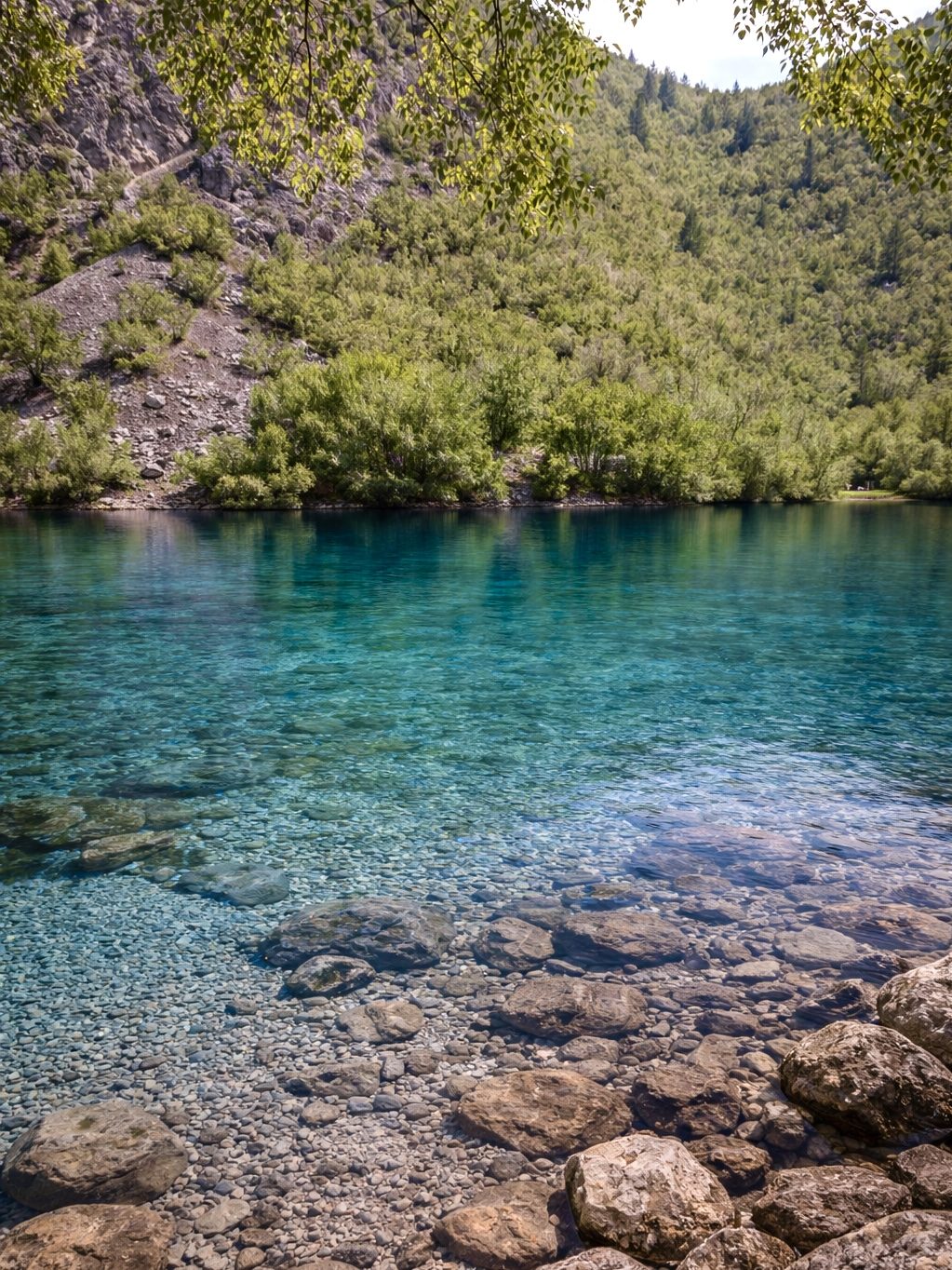
Before 1969 there was no lake here. That year a flood on the Syr Darya forced water out of the Shardara reservoir into the Arnasay lowland on the edge of the The Kyzylkum, or Red Sands: the desert between the Amu Darya and Syr Darya rivers that the road and the railway cross on the way to Khiva. desert, and it never drained away. Today Aydarkul is nearly 250 km long and up to 15 km wide: brackish water with sandy shores, in the middle of the desert.
For us it is the simplest way to give a Samarkand and Bukhara trip one night that looks nothing like the cities: a yurt, a desert sky and a morning by the water. Here is what to expect.
Where Aydarkul is and how far it is
The lake lies in the Kyzylkum, with the Nuratau ridge to the south. Its shores run from Nurata district in Navoi region to Farish and Mirzachul districts in Jizzakh region, and fewer than two thousand people live along them.
The usual way in is through the small town of Nurata. By road it is about 180 km from Samarkand and about 175 km from Bukhara, and the yurt camps on the lake are roughly another 60 km further. That is why we plan Aydarkul as an overnight stop between the two cities rather than a day trip: leave one city in the morning, reach the camp in the afternoon, and arrive in the other city the next day.
Nurata on the way
Nurata is worth an hour. In the centre of town is the Chashma complex, built around a holy spring that stays at about 20 °C all year. The Juma mosque stands directly above the spring, and the water is full of fish that nobody may feed, catch or eat. Opposite are the ruins of the Nur fortress, which local tradition credits to Alexander the Great.
A night in a yurt camp
The camps stand on or near the shore. Programmes differ from camp to camp, but a typical evening looks like this:
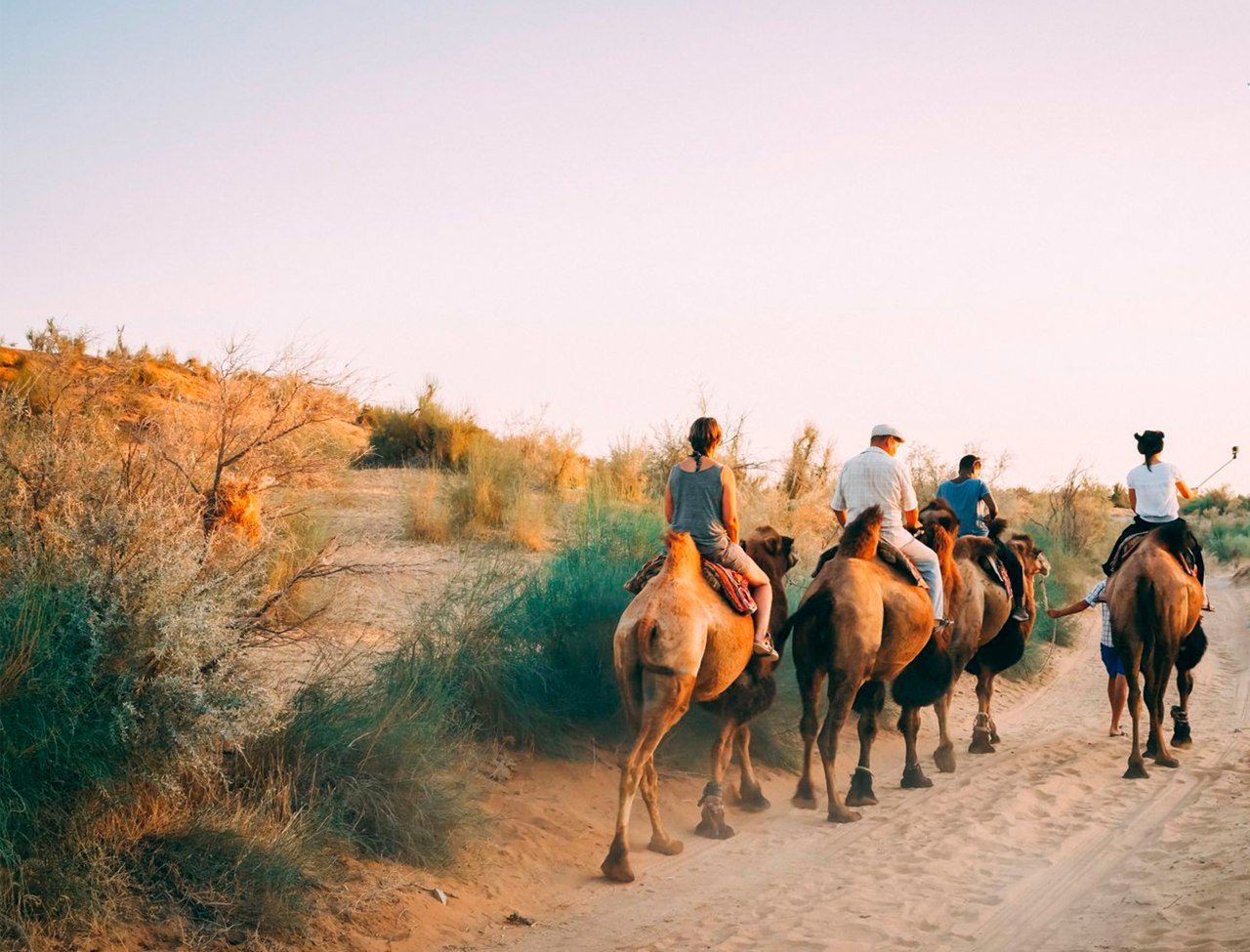
- A camel ride on the sand around the camp.
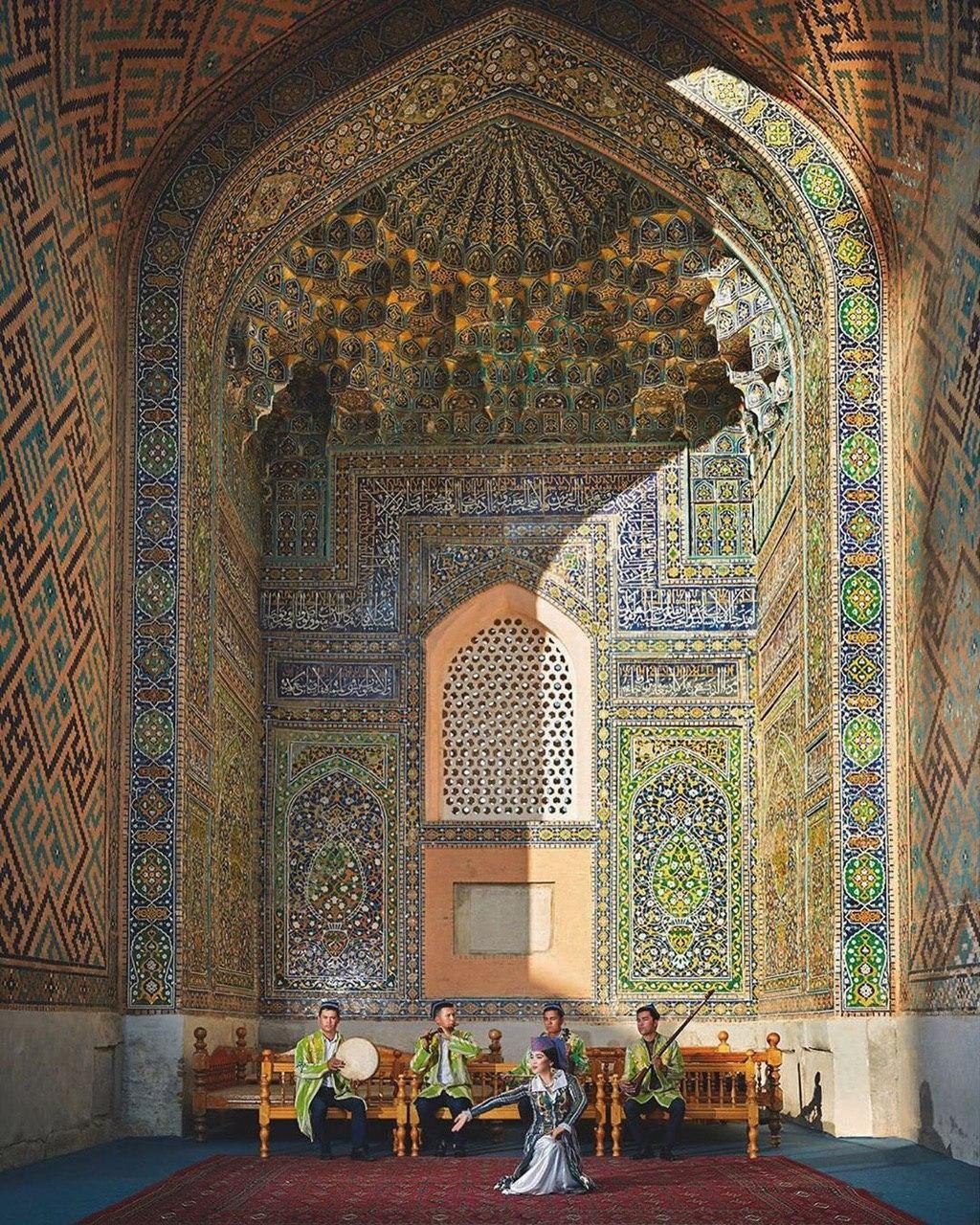
- Dinner and a campfire, often with a folk music programme.
- The night in a felt yurt.
- The morning by the lake: a walk along the shore, a swim in the warm months or fishing.
Facilities vary. Larger camps have electricity, showers and toilets and serve three meals a day; simpler ones have shared washrooms and no electricity. Ask what your camp has before you book.
Bring binoculars. Rosy and Dalmatian pelicans, swans and white herons are seen over the lake, and anglers come for pike perch, carp, asp and bream.
Nuratau: mountain villages and homestays
South of the lake the Nuratau ridge runs for more than 170 km from east to west; its highest point, Mount Zargar, is 2,169 m. The Nuratau State Nature Reserve on its northern slopes protects the Kyzylkum argali, a wild mountain sheep, and in February 2026 its population there was put at about 1,700–1,800 animals.
The villages are what people remember. Sentob lies in a river valley about 30 km south of the lake, at around 600 m: stone houses behind stone walls, walnut, pistachio and fruit trees, and Bronze Age Did you know? Mountain goats carved on rocks thousands of years ago Near the village of Khodjikent, about 70 km from Tashkent, more than 90 petroglyphs line the rocks above the Chirchik River, mostly mountain goats. The finest date from the 4th–3rd millennia BC. Read more → of oxen, deer and archers in the gorge below. Families in the Nuratau villages host guests in homestays, and the trails between the valleys let you walk from one village to the next.
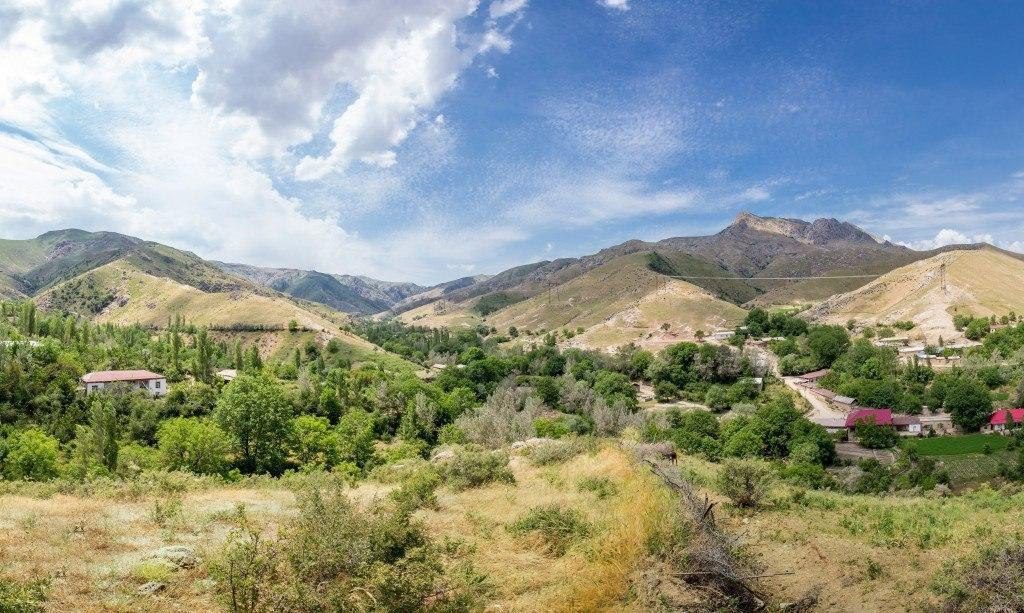
Our Nuratau Mountains extension works the same way in the village of Uhum: a night with a local family, home-cooked meals and a morning hike with a local guide, on the road from Bukhara to Samarkand. It is added to a longer route, and we help you fit it in.
When to go and what to pack
Spring and autumn are the best seasons. In Navoi, the regional centre, the average afternoon is 23.5 °C in April and 22.8 °C in October, but about 36 °C in July with almost no rain; in the Kyzylkum the heat lasts from mid-May to mid-September. In January the average afternoon is about 7 °C and nights drop below zero, so a winter yurt night is a cold one. In spring the Nuratau slopes are known for wildflowers.
- A warm layer for the evening, even in autumn: the desert cools quickly after sunset.
- A torch for the walk between the yurt and the washrooms.
- A sun hat, sunscreen and sunglasses.
- Closed shoes for the sand and the mountain trails.
- Some cash for villages and small purchases: see cards, cash and tipping.
- Your passport. A yurt camp or homestay registers you, as a hotel does: ask how before you book and keep the confirmation. More in registration and customs.
Heading west to Khiva instead? Our 14-day route spends a night in a yurt camp by the desert fortresses of Ruins of ancient Khorezm fortresses on hills at the edge of the Kyzylkum, in Karakalpakstan.. Already in Samarkand and need a private transfer with a driver? Look at Travel Moments.
In short
- Aydarkul appeared after the 1969 Syr Darya flood; today it is nearly 250 km long, in the Kyzylkum north of the Nuratau ridge.
- Nurata is about 180 km from Samarkand and 175 km from Bukhara, and the camps are about 60 km further: a natural overnight between the two cities.
- A typical camp evening: a camel ride, dinner by the fire, folk music and a night in a felt yurt. Facilities vary, so ask first.
- Go in spring or autumn; July afternoons reach about 36 °C and winter nights fall below zero.
- Add the mountains: the stone village of Sentob, or our homestay extension in Uhum.