Places in this article: Tashkent · Bukhara
Tashkent museums: what to see, how long to stay and when they open
In one Tashkent day you can stand in front of a Buddha carved in the 1st–2nd century, a Qur’an copied in the 7th and a steam engine built in 1914. The Tashkent museums are spread across the city, and two of them have just reopened after long renovations, so this is a good autumn to see them.
We are a Tashkent company and these are the museums we take our own guests to: what to see in each, how long to stay and how to fit them into one or two days. Opening days and prices are given where we have checked them for October 2026.
The State Museum of History of Uzbekistan
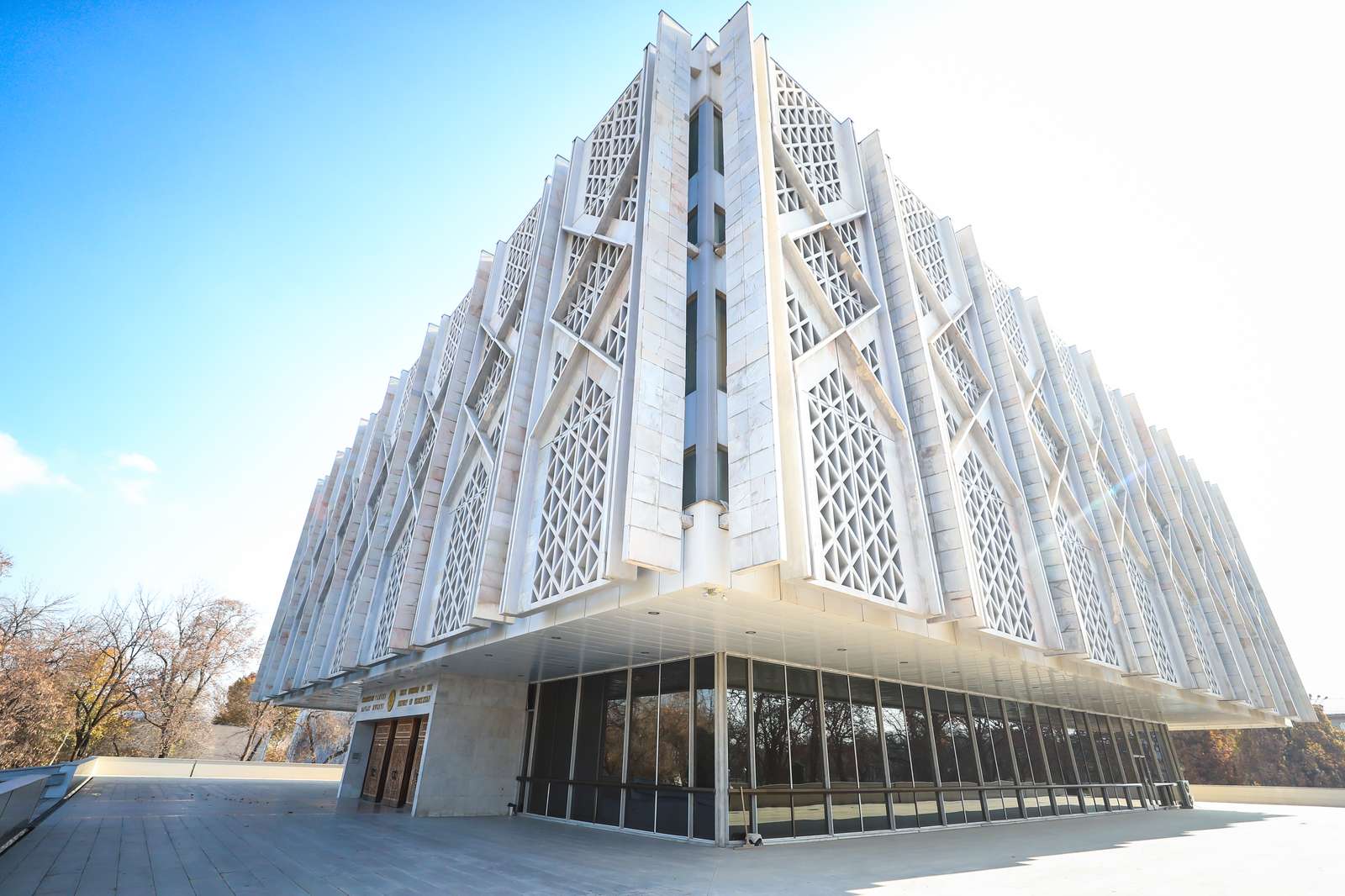
If you see one museum in Tashkent, make it this one. It was founded in 1876 and turned 150 this October; we wrote about the anniversary conference. The museum closed in June 2024 and reopened on 24 July 2026. Its white building of 1970, once the Lenin Museum, is one of the ten parts of Tashkent modernism on the UNESCO list.
The renovation changed the inside completely. The collection, more than 350,000 objects, is now told in 20 themed zones instead of nine departments. The main story starts on the third floor, in 11 sections from the first people to the Golden Age of the East. The fourth floor carries it from the 16th century to independence, with a children’s interactive zone.
- The oldest finds: stone tools from the Selungur cave, more than a million years old, and a reconstruction of the Neanderthal child from the Teshik-Tash grotto.
- The Buddhist south: a Buddha statue of the 1st–2nd century and finds from Fayaz Tepe and Kara Tepe near Termez, with wall paintings and Kushan coins. The rest of that story is in our guide to Termez.
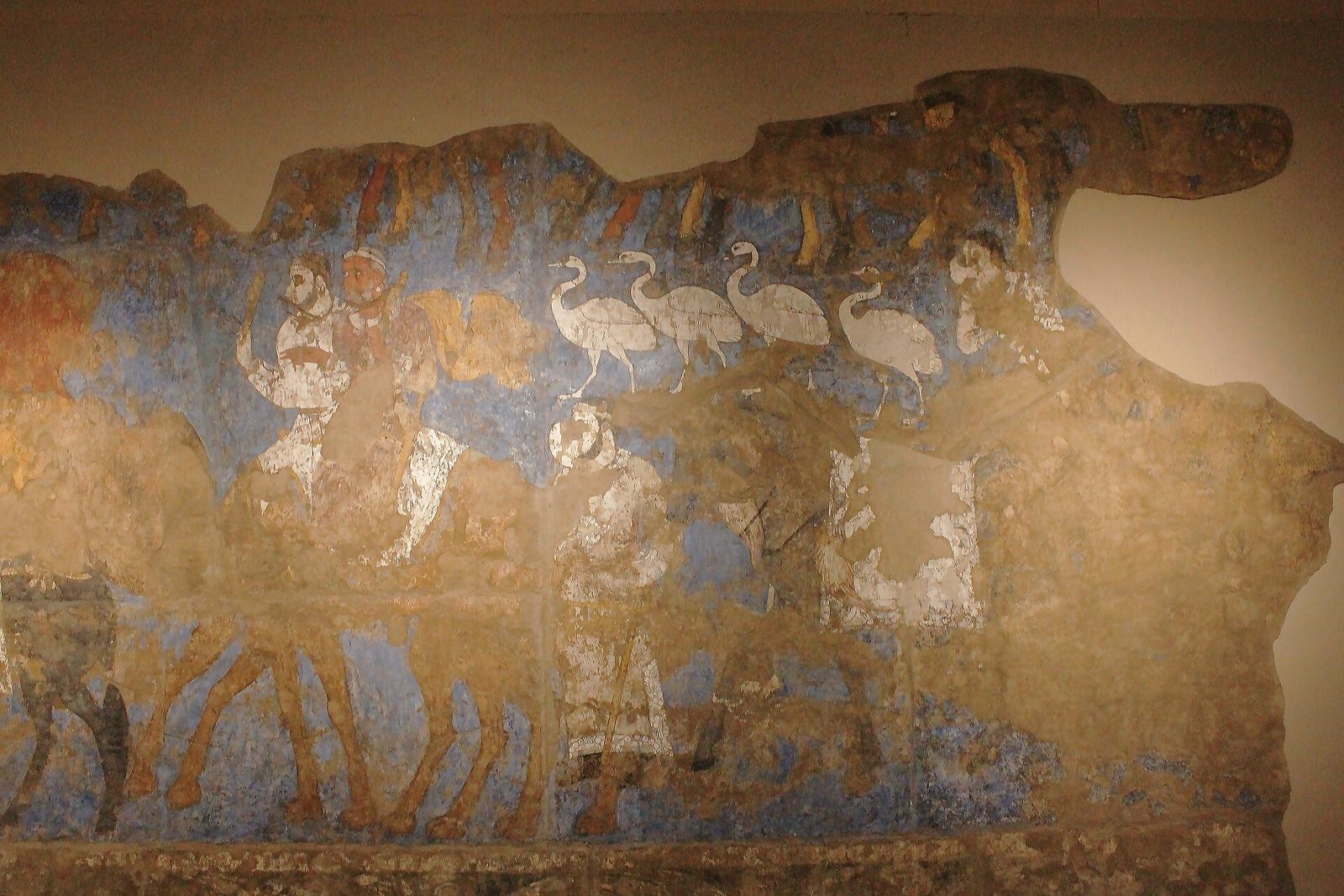
- The A network of caravan routes between China and the Mediterranean. Samarkand, Bukhara and Khiva grew rich as stops along it. cities: wall paintings from Afrasiyab, Samanid and Timurid coins, armour, calligraphy and glazed ceramics.
- The last centuries: gold-embroidered robes from the emir’s palace in Bukhara, Did you know? One suzani was often stitched by several women at once A family member or a pattern drawer, the kalamkash, drew the design across strips of cotton. The strips went to different women of the family or neighbourhood, who embroidered them at the same time; sewn back together, they show slightly mismatched seams. Read more → of the Did you know? Legend credits Alexander with Nurata's underground canals Legend says Alexander the Great founded Nur in 327 BC and laid its kariz, underground channels with wells dug a few metres apart for cleaning. Whoever built them, parts of the kariz near Nurata still carry water today. Read more → and Shakhrisabz schools and silver jewellery.
Visiting. Doors open at 10:00; we confirm the weekly day off when we plan your day. A ticket for a foreign adult costs 100,000 som. Tours are given in Uzbek, Russian and English. There are ramps and lifts, a café and a bookshop. Allow an hour and a half to two hours.
The Museum of Applied Arts
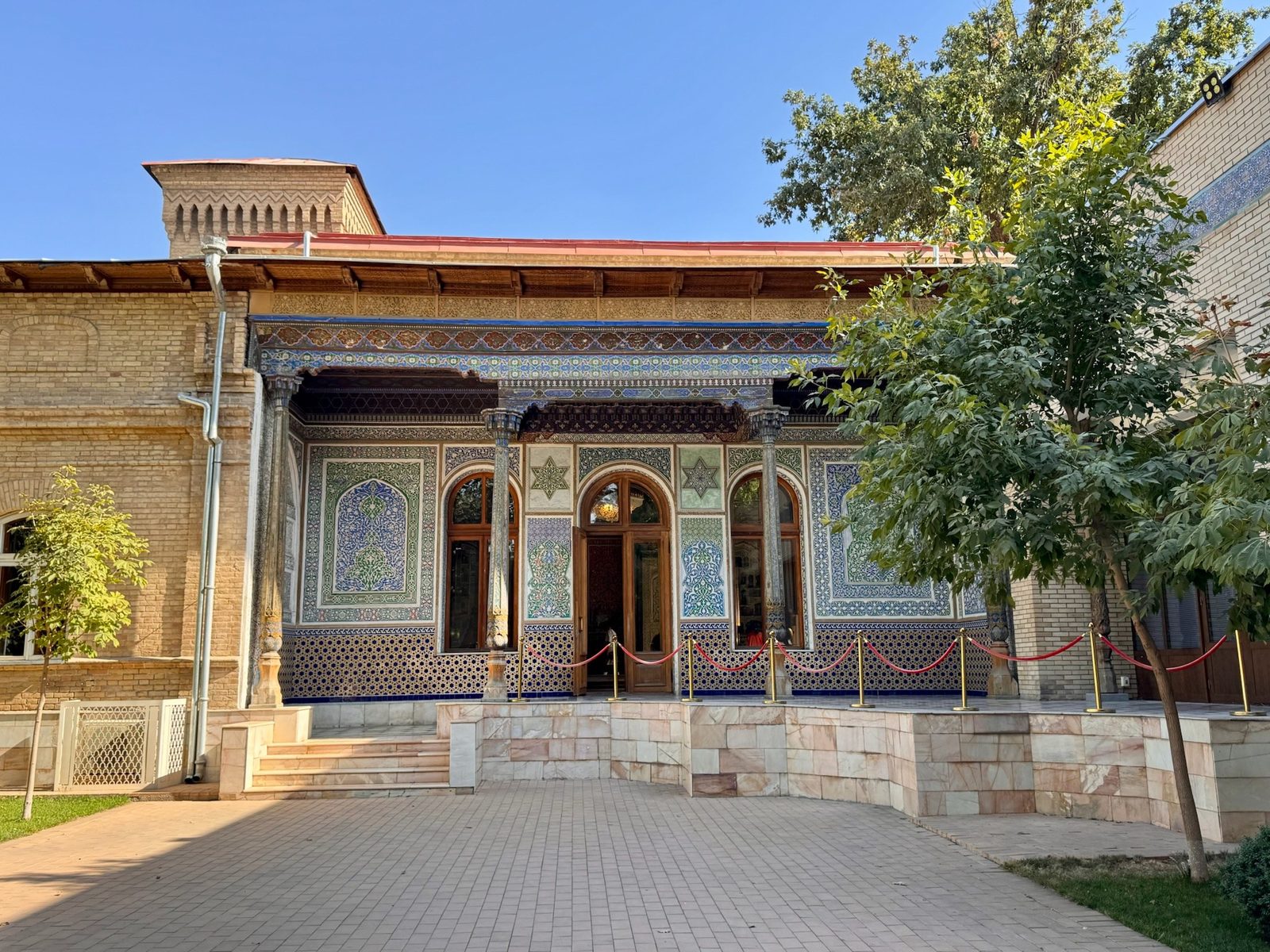
The building is the first exhibit. In 1896 the diplomat Alexander Polovtsov bought a merchant’s house on a quiet street and had it rebuilt with local decoration: carved wood, painted ceilings and carved ganch plaster by the best masters of the day. In 1909 he gave the house to the city, and since 1937 it has been a museum of crafts. Look up as often as you look into the cases.
The collection holds more than 7,000 pieces: embroidery, skullcaps, jewellery, carpets, ceramics, chased metal, knives and textiles. It is arranged in three groups: work in the old traditions, the masters of the 20th century and craftspeople working today. A big oak shades the courtyard, and the museum has its own craft centre and shop.
We bring guests here before Samarkand and Bukhara: after an hour among suzani and ceramics, you recognise good work at the bazaar. Allow about an hour. The museum is on Rakatboshi Street in the centre, and it is part of our Tashkent highlights tour.
The State Museum of Arts: closed for reconstruction
The State Museum of Arts of Uzbekistan is also on the UNESCO list of Tashkent modernism, and its collection includes old suzani from Bukhara and Nurata and paintings of the avant-garde. In 2024 some of those paintings travelled to Florence and Venice together with works from the Savitsky Museum in Nukus.
In October 2026 the building is closed for reconstruction, and the opening date will be announced when the work is finished. A branch is also planned in the ,Did you know? A Romanov grand duke gave Tashkent its first cinema Grand Duke Nikolai Konstantinovich Romanov lived in Tashkent from the 1880s; his palace of 1891 is by Heinzelman and Benois. He opened the city's first cinema, “Khiva”, funded canals in the Hungry Steppe, and his paintings seeded the Museum of Arts. Read more → where the museum was housed from 1918 to 1935, with a permanent display of about 300 works. Until then, see the building from the outside on a walk along Amir Timur (Tamerlane, 1336–1405), founder of the Timurid empire, which had its capital in Samarkand. Born near Shahrisabz. Avenue.
The Amir Timur Museum
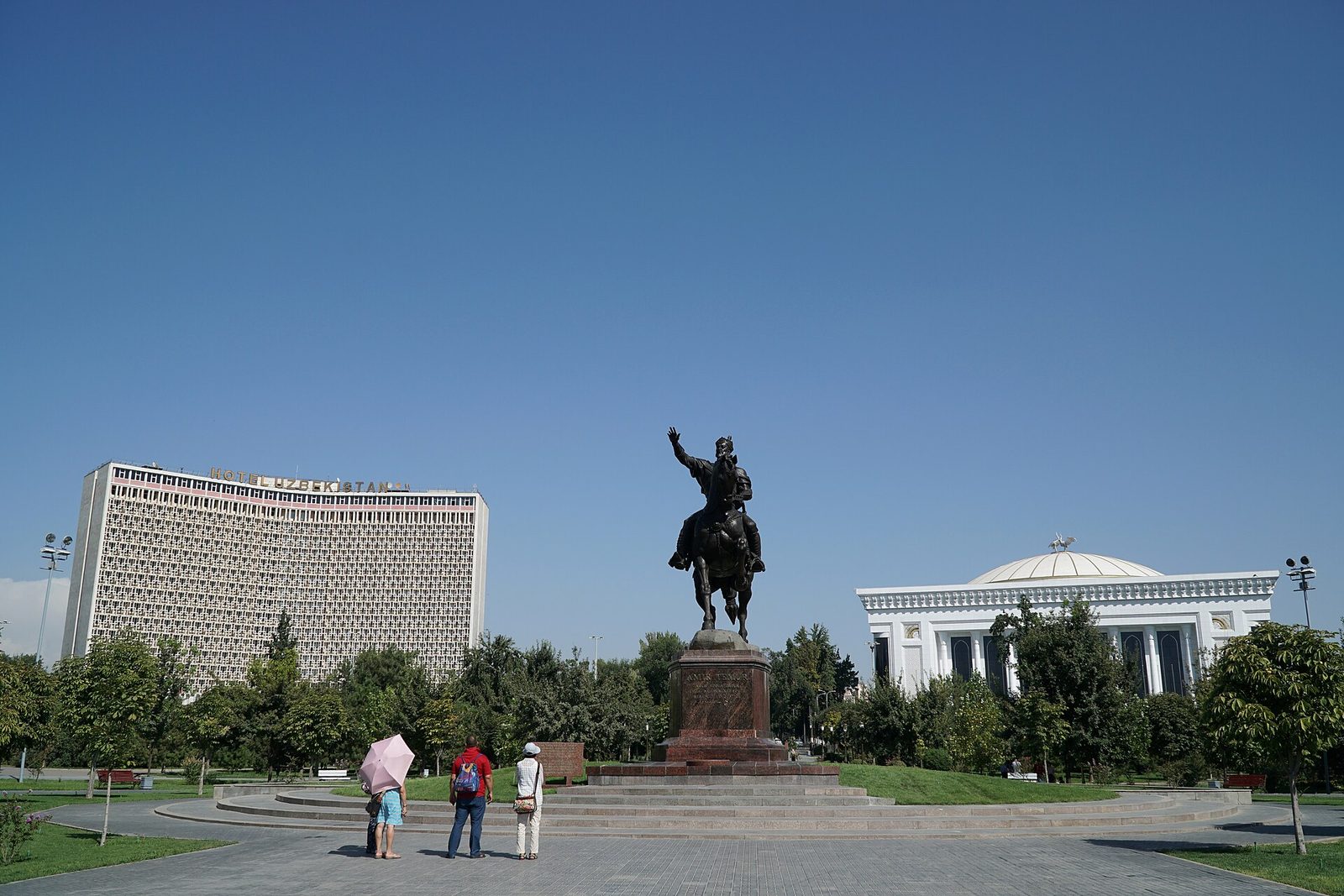
The State Museum of the History of the Temurids opened in 1996 under a blue dome on .Did you know? Legend: “Strength lies in justice” were Timur's own words The equestrian statue of Amir Timur in central Tashkent, unveiled in 1994, bears the motto “Strength lies in justice” in four languages. Tradition attributes the words to Timur himself, but historians cannot confirm he said them. Read more → In February 2026 it closed for a full reconstruction, and in spring it reopened with a new exhibition for the 690th anniversary of Timur’s birth.
The ground floor is about Timur himself: how he ruled, fought, negotiated and built. Upstairs the Timurid age is shown with screens, 3D maps and historical figures brought to life by computer, alongside weapons of the period, manuscripts, miniatures and archaeological finds. Children get their own room with history games and chess. Allow 45 minutes to an hour, then walk out into the square.
Timur himself is buried in Samarkand: our article on Gur-e-Amir tells the story of the mausoleum.
The Center of Islamic Civilization
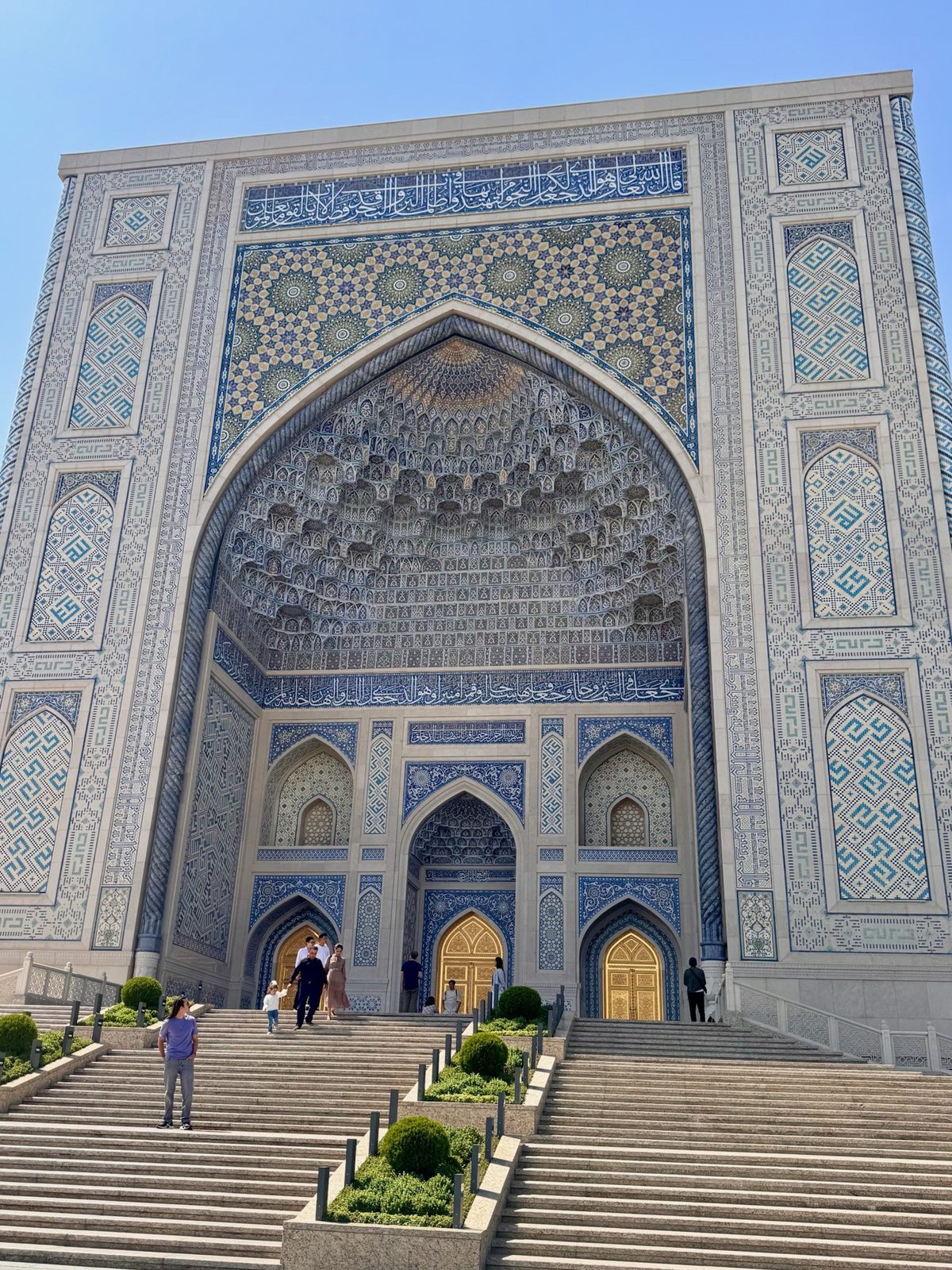
Tashkent’s newest museum opened in March 2026 next to ,The religious heart of old Tashkent: madrasahs, a Friday mosque and mausoleums. Right next to it stands the new Center of Islamic Civilization, opened in 2026. Read more → under a dome 65 metres high. Its halls run from Sogdiana to the Timurids, and in the Qur’an Hall lies the 7th-century .Did you know? Legend: Caliph Uthman's own Quran is kept in Tashkent Tradition holds that this huge parchment Quran is the personal copy of Caliph Uthman, and one story says Timur brought it to Samarkand. Radiocarbon dating gives 775–995, so it is more likely an early copy, yet still one of the oldest. Read more → It is open daily from 9:00 to 22:00. A two-hour ticket for a foreign adult costs 425,000 som with an audio guide; book a time slot ahead.
Allow two to three hours. Everything else you need is in our guide to the Center of Islamic Civilization.
The Museum of Railway Techniques
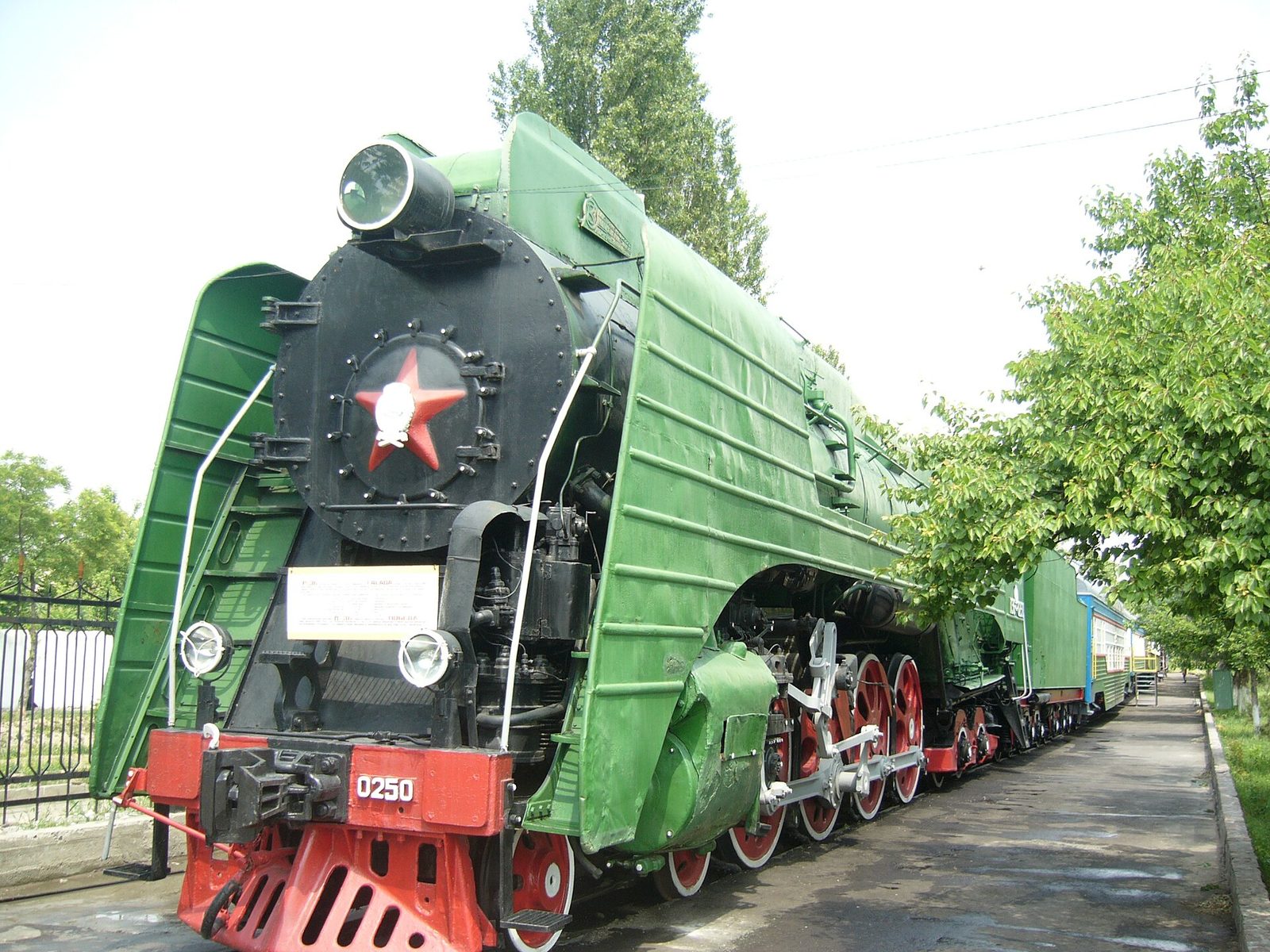
This is the museum children remember. It opened on 4 August 1989, for the 100th anniversary of the first railways in Central Asia, and it is an open-air park next to Tashkent’s main station, by the Toshkent Did you know? A metro designed to ride out a magnitude-9 earthquake The three original lines of the Tashkent Metro were built to withstand an earthquake of magnitude 9.0, and the tunnels lie unusually shallow, only 8–25 m below the street. Read more → stop. Steam, diesel and electric locomotives stand in rows, with passenger and freight carriages and repair machines, brought from Russia, Czechoslovakia, Germany, Poland and the United States.
Look for the OV engine of 1914, the oldest in the park, and the P36, the most powerful steam locomotive here at about 3,000 horsepower. Most exhibits can be touched and climbed, cabs included. Old carriages hold a small indoor display of train models, signals, maps and railway uniforms, and a sightseeing train with a guide runs through the collection.
Visiting. Open Wednesday to Sunday, 9:00 to 18:00; closed on Mondays and Tuesdays. Allow an hour, more with children. If you leave Tashkent by train, the museum fits neatly into the morning before departure. More ideas for families are in Uzbekistan with kids.
The metro: a museum you ride
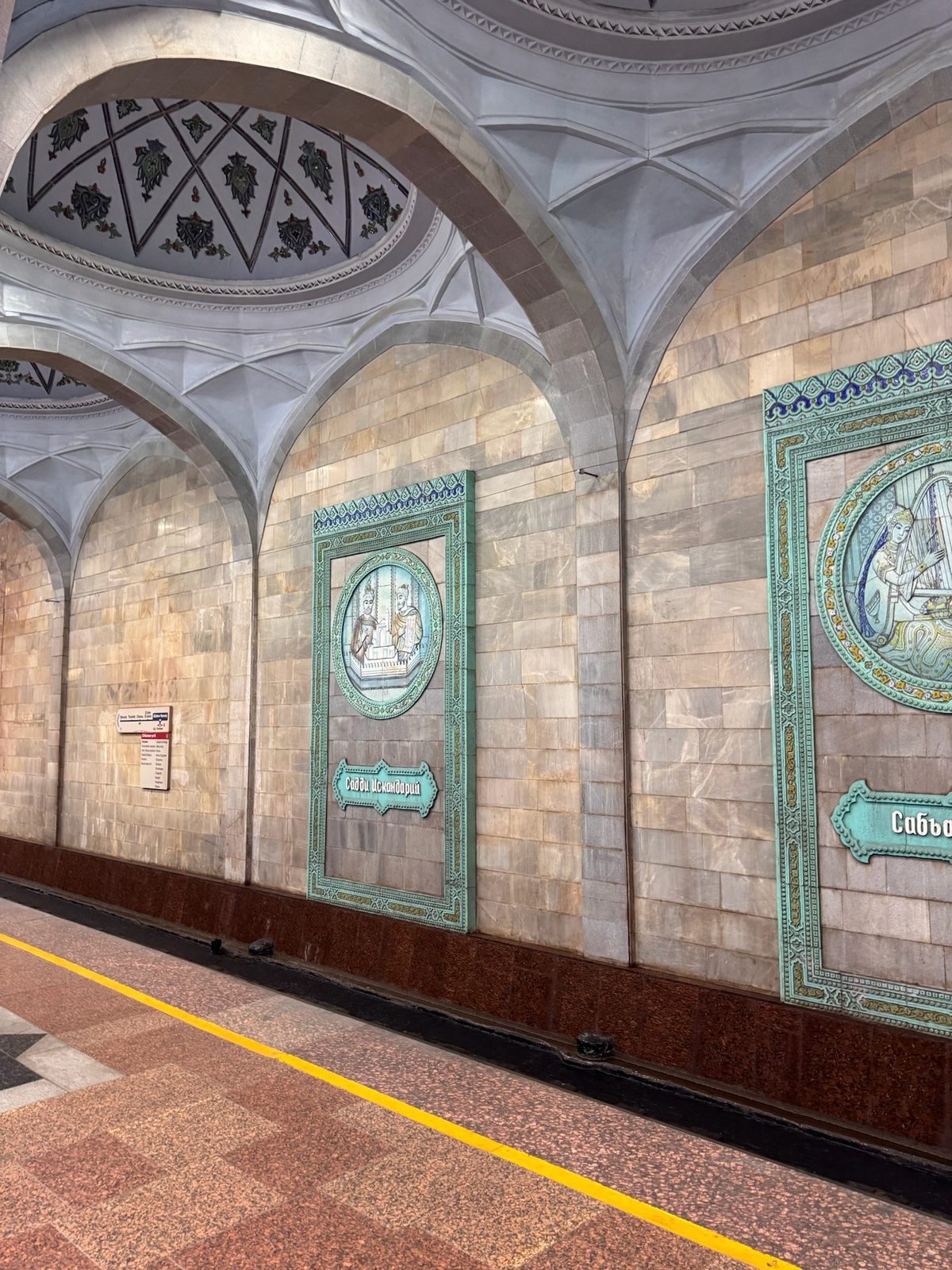
The cheapest museum ticket in Tashkent is a metro fare. Each station on the three underground lines was designed as a hall of its own: chandeliers at Mustaqillik Maydoni, ceramic panels from the poems of Navoi at Alisher Navoi, cosmonaut medallions at ,Did you know? A metro station where Ulugh Beg meets Gagarin Kosmonavtlar station, opened in 1984, has ceramic medallions of Ulugh Beg, Galileo, Icarus, Gagarin and Tereshkova, and glass stars in the ceiling that hint at the Milky Way. Read more → the only metro station on the UNESCO list. Photography is allowed.
One fare covers the whole ride as long as you stay inside the gates. Our station-by-station route is in the Tashkent metro.
How to plan the museums of Tashkent
| Museum | What not to miss | Allow | Open |
|---|---|---|---|
| State Museum of History | Fayaz Tepe Buddha, Afrasiyab paintings, emir’s robes | 1.5–2 hours | From 10:00 |
| Did you know? A diplomat's house that became a museum of crafts In 1896 diplomat Alexander Polovtsev bought a merchant's house and had it rebuilt in the Central Asian style. Today it is the Museum of Applied Arts, with over 7,000 pieces of folk craft. Read more → | The Polovtsov house itself, suzani, ceramics | 1 hour | Confirm on the day |
| Amir Timur Museum | The new exhibition on Timur and the Timurids | 45 minutes–1 hour | Confirm on the day |
| Center of Islamic Civilization | The Mushaf of Uthman, the dome | 2–3 hours | Daily, 9:00–22:00 |
| Museum of Railway Techniques | The 1914 engine, climbing into the cabs | 1 hour | Wed–Sun, 9:00–18:00 |
| Metro | Alisher Navoi, Kosmonavtlar, Mustaqillik Maydoni | 1.5 hours | Every day, from 5:00 |
| State Museum of Arts | Closed for reconstruction | From outside | Closed |
One museum day. The Museum of History at 10:00, lunch, the Museum of Applied Arts in the afternoon. The Center of Islamic Civilization stays open until 22:00, so end there in the evening, or swap it for our three-hour evening walk with a guide through Tashkent City, Seoul Mun and Magic City.
A second morning. The Amir Timur Museum and the square, then a metro ride to the railway museum. To see how museums fit with the old city and the bazaar, use Tashkent in 1 or 2 days and Tashkent in 3 days.
With a guide. Our Tashkent highlights tour includes the Museum of Applied Arts; the two-day Tashkent Modernism tour starts at the Museum of History. If archaeology is your reason to come, Sogdiana Unearthed begins in the Museum of History and continues to Afrasiyab: see museums of Samarkand and Bukhara. The museums are spread out, so a car with a driver saves the most time.
In short
- Start with the State Museum of History: reopened in July 2026, 150 years old, 100,000 som for a foreign adult.
- The Museum of Applied Arts is the best hour to spend before you shop for crafts.
- The Amir Timur Museum reopened in 2026 with a new exhibition; the Museum of Arts is closed for reconstruction.
- The Center of Islamic Civilization is open daily until 22:00; book a time slot.
- Children: the railway museum (Wednesday to Sunday) and a ride on the metro.
© Photos
- Amir Timur Square, Tashkent — Adam Harangozó / Wikimedia Commons · CC BY-SA 4.0
- The P36 steam locomotive at the Museum of Railway Techniques, Tashkent — Bounz / Wikimedia Commons · CC BY-SA 3.0