Places in this article: Bukhara · Khiva · Tashkent
Uzbekistan: expectations vs reality
We welcome travellers in Tashkent all year round, and almost every one of them admits it: they pictured Uzbekistan differently. Usually the reality turns out richer, easier and more varied. Here is what we hear most often about Uzbekistan, expectations vs reality, and how things actually are.
1. “It’s desert and heat all year round”
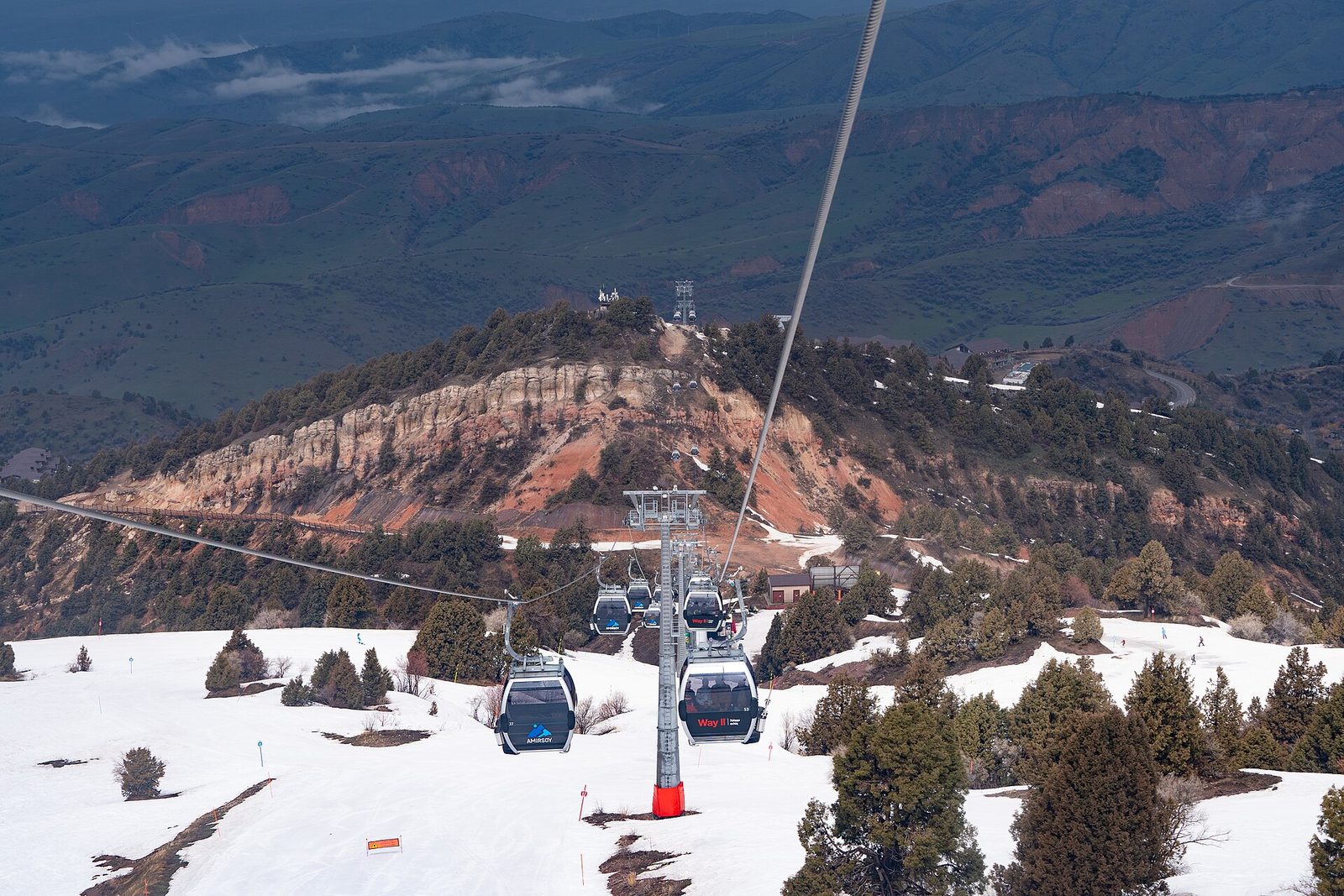
It does get hot, but in summer. Uzbekistan has four real seasons: in January the average daytime high in Tashkent is about 7 °C, and from December to March people ski in the mountains 65–85 km from the capital, at Amirsoy, Beldersay and Chimgan. In spring the orchards blossom and the country celebrates Navruz; in autumn the plane trees turn gold. The most comfortable months for the cities are March to June and September to November; the details are in our article on the best time to go.
2. “All the cities are the same: domes and madrasahs”
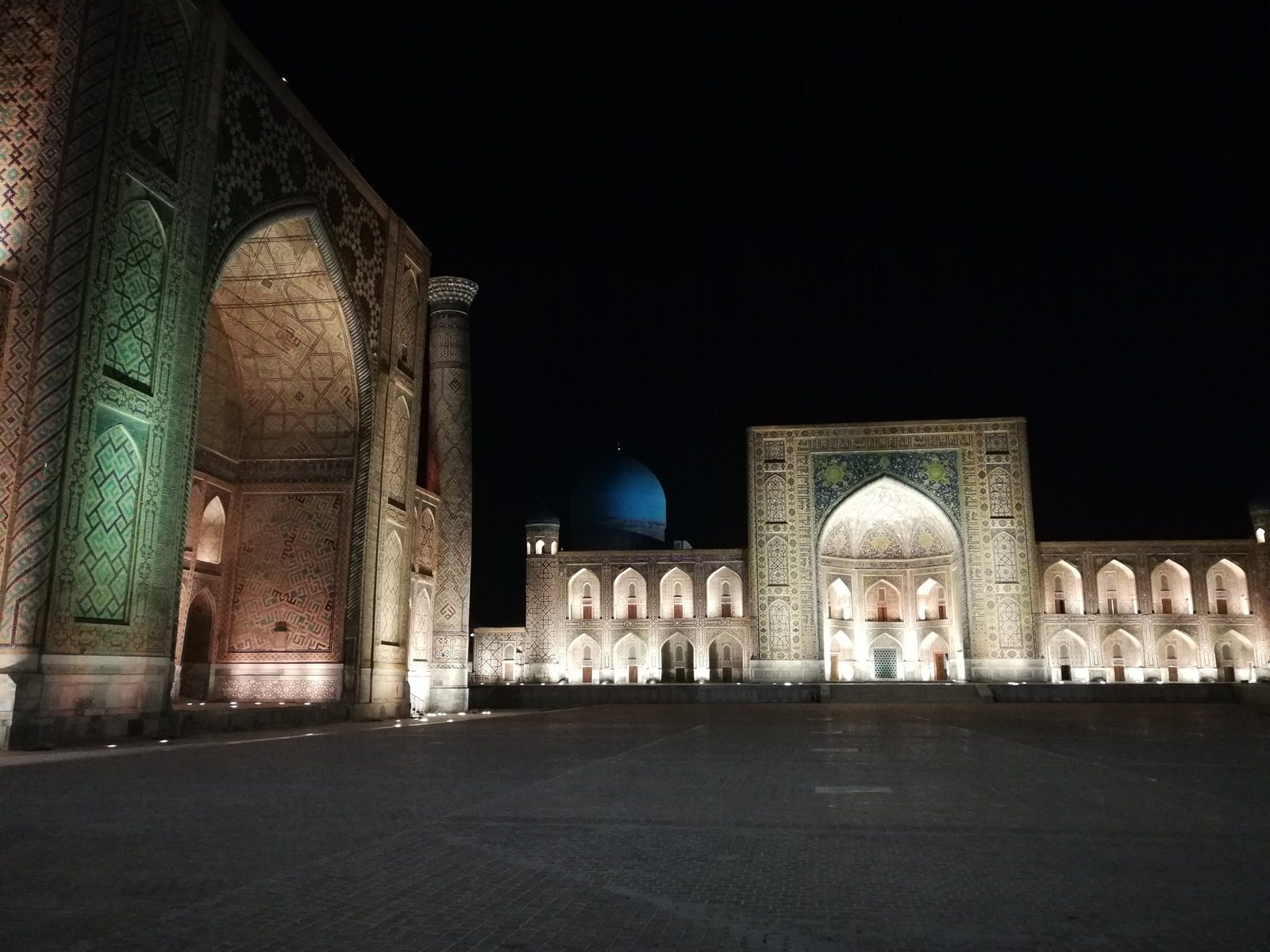
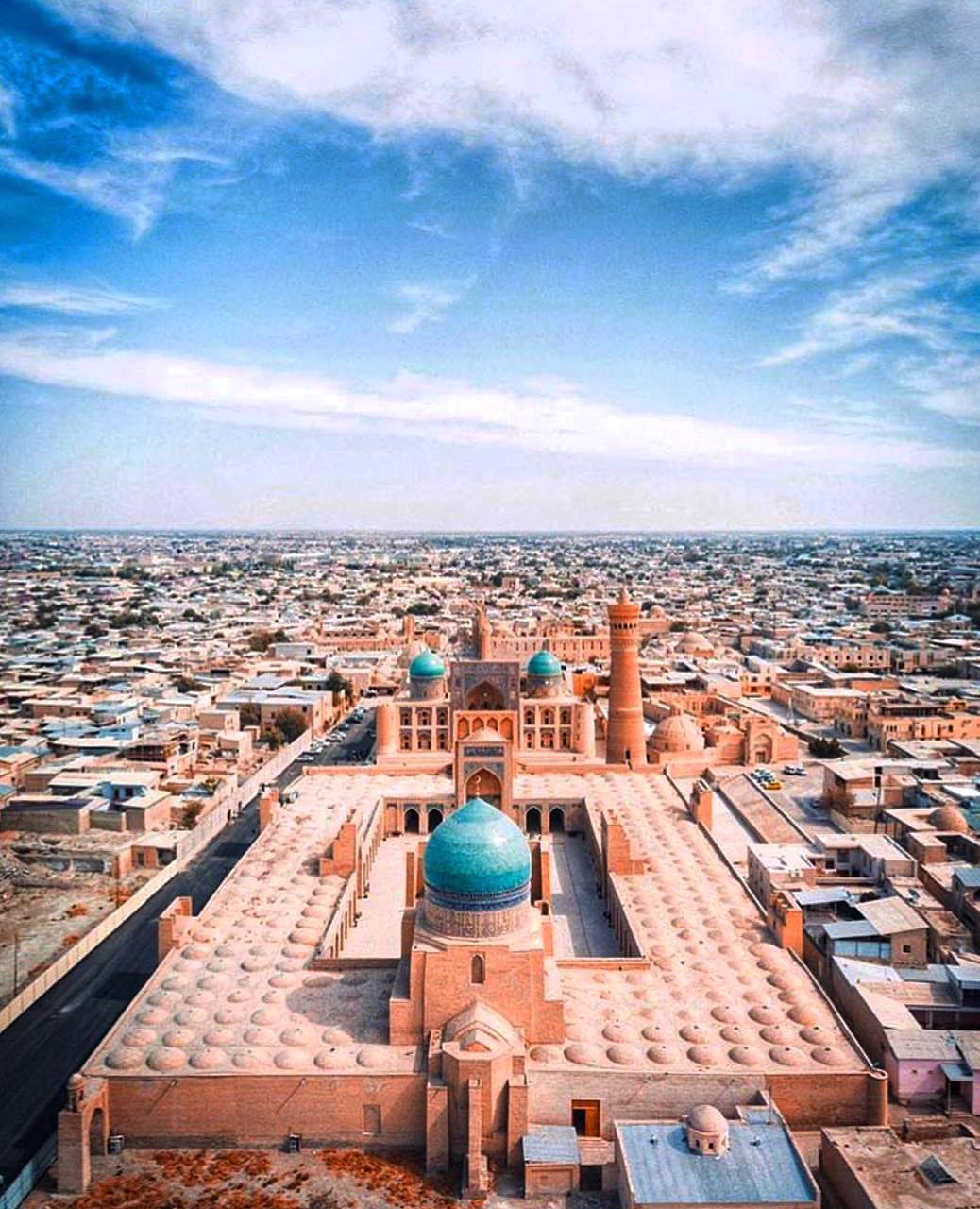
Every city has its own character. Samarkand is grand, with the Registan and the turquoise of Shah-i-Zinda. Bukhara is a living old town where the Did you know? Under Bukhara's domes merchants changed money and gold Four 16th-century trading domes still stand over old crossroads. Toki Sarrafon was the money changers' dome, where merchants from India and China swapped coins; Toki Zargaron held jewellers' workshops, Toki Telpak Furushon sold caps. Read more → still do business today. Khiva is a museum city inside clay walls. Tashkent means wide avenues, fountains and modernist architecture that UNESCO has added to its World Heritage List. The Fergana Valley is the land of silk and ceramics, and Termez keeps Buddhist monasteries from the 1st century.
3. “It’s cash only”

In the cities, Visa and Mastercard are accepted in hotels, restaurants and shops, and there are ATMs at every turn. Cash in som comes in handy at the bazaar and in small cafés, and your guide will tell you where it is easiest to change money. Most of the trip, from hotels to transfers and tickets, you pay in advance on a single invoice. More in our article on cards, cash and tipping.
4. “Getting between cities takes forever”
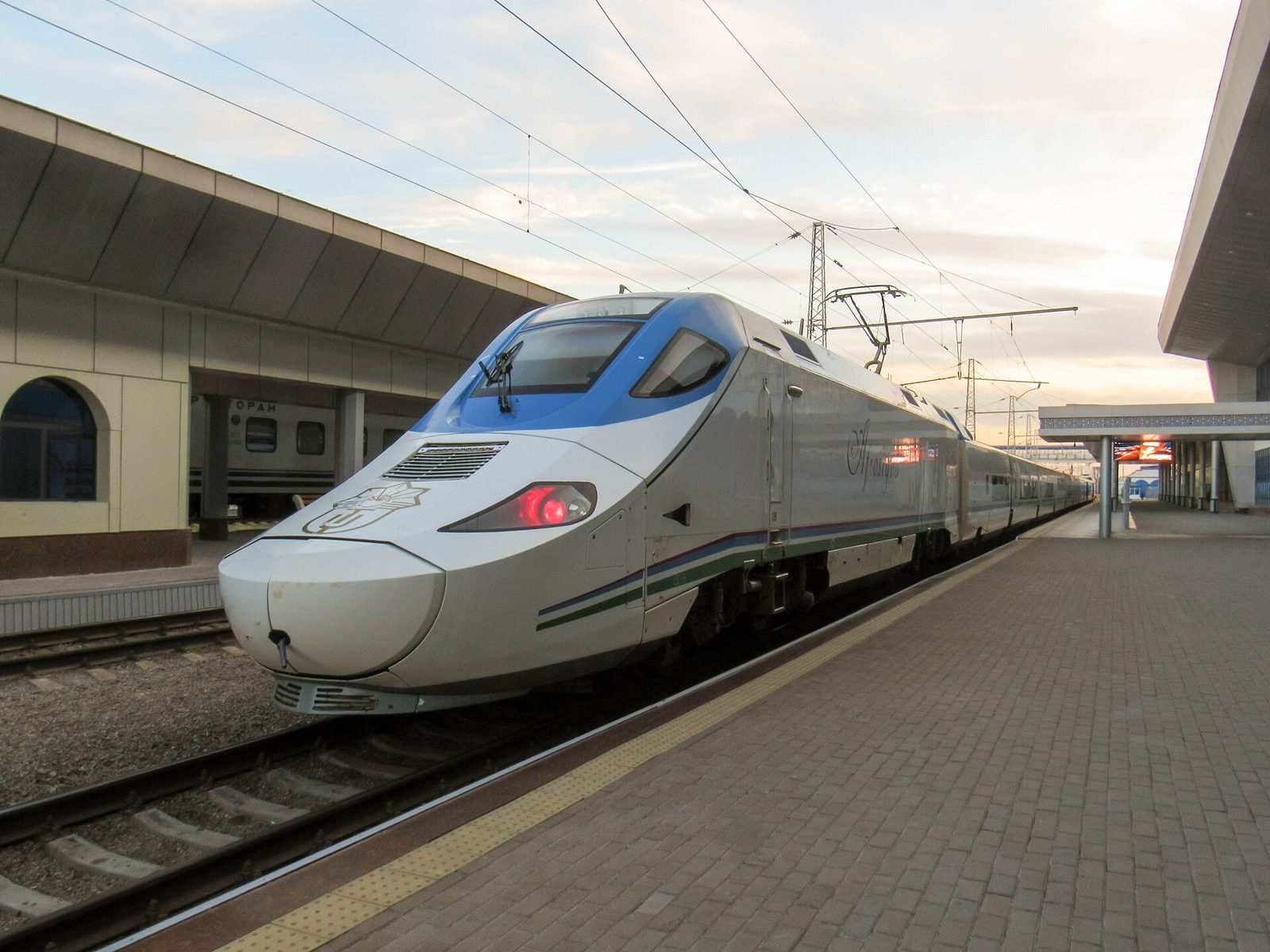
The high-speed Uzbekistan's high-speed train: Tashkent to Samarkand in 2 hours 30 minutes, Tashkent to Bukhara in about 4 hours. Tickets are tied to your passport. Read more → gets you from Tashkent to Samarkand in 2–2.5 hours, and since 2026 a new high-speed train has run all the way to Khiva. We buy the tickets as soon as sales open, 60 days ahead, and our driver meets you at the station and the airport. How the trains work is explained in trains in Uzbekistan; for railway lovers there is our Uzbekistan by Train tour.
5. “The visa is complicated”
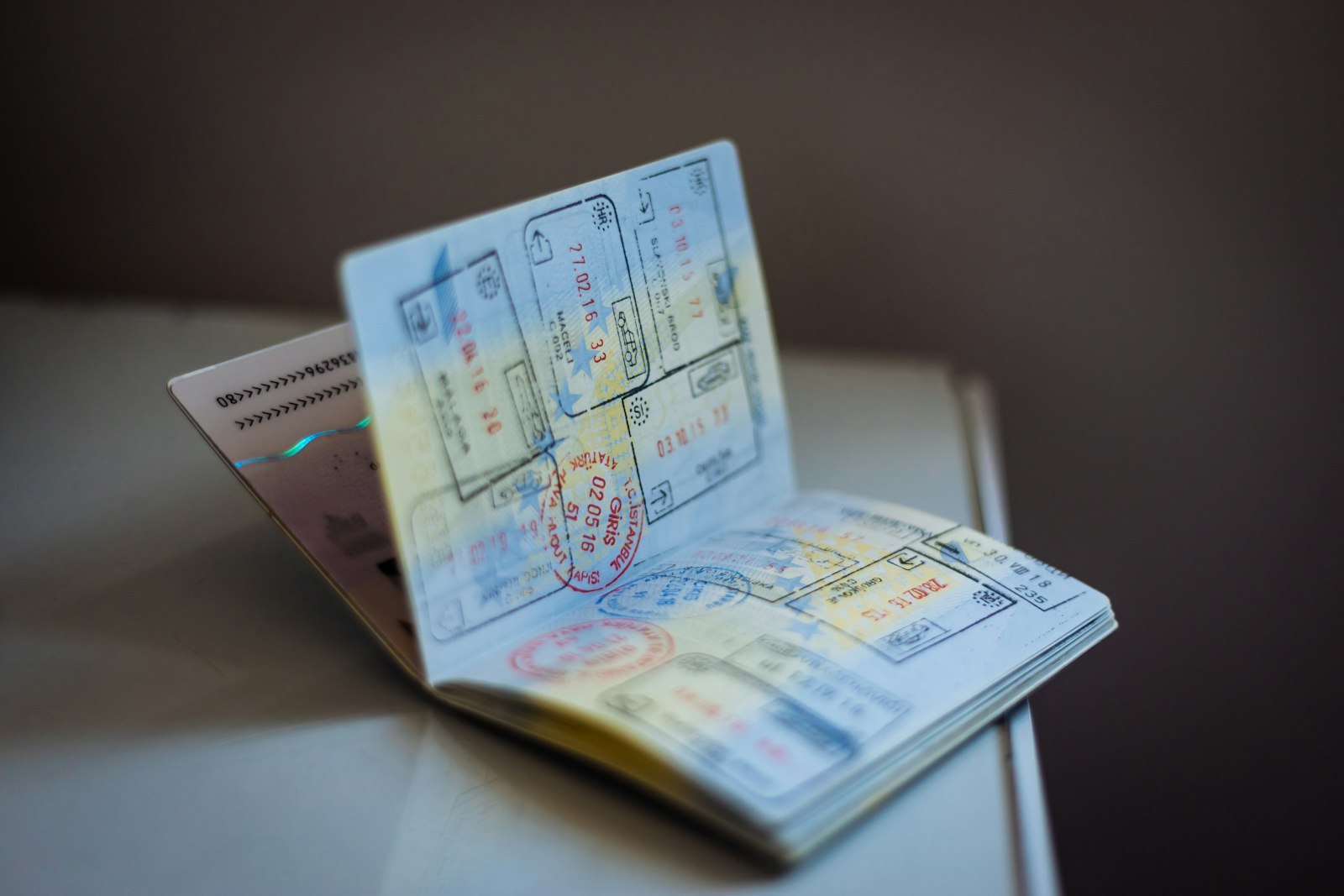
Citizens of many countries enter Uzbekistan without a ,Entry rules depend on your passport. Once you are here, each stay must be registered within three days, and hotels do it for you; customs and registration rules are in our guide. Read more → and others apply for an e-visa online. If your visa requires an invitation, as a licensed tour operator we will arrange it. Registration in every city, hotel bookings and all the trip paperwork are on us; all you need is your passport. More in do you need a visa.
6. “Uzbek food is just plov”

Plov really is our main dish, and every region has its own. But the table also holds laghman, manti, shashlik, samsa from the tandoor, shurpa, dimlama and fresh flatbread; see 10 dishes worth trying. Add seasonal fruit: cherries in May, melons in summer, pomegranates and quinces in autumn. And on our culinary tour you cook Rice cooked in a kazan with carrots, onions and meat: the dish of every Uzbek celebration. Each region cooks it its own way. yourself alongside a chef.
7. “You have to cover up completely”
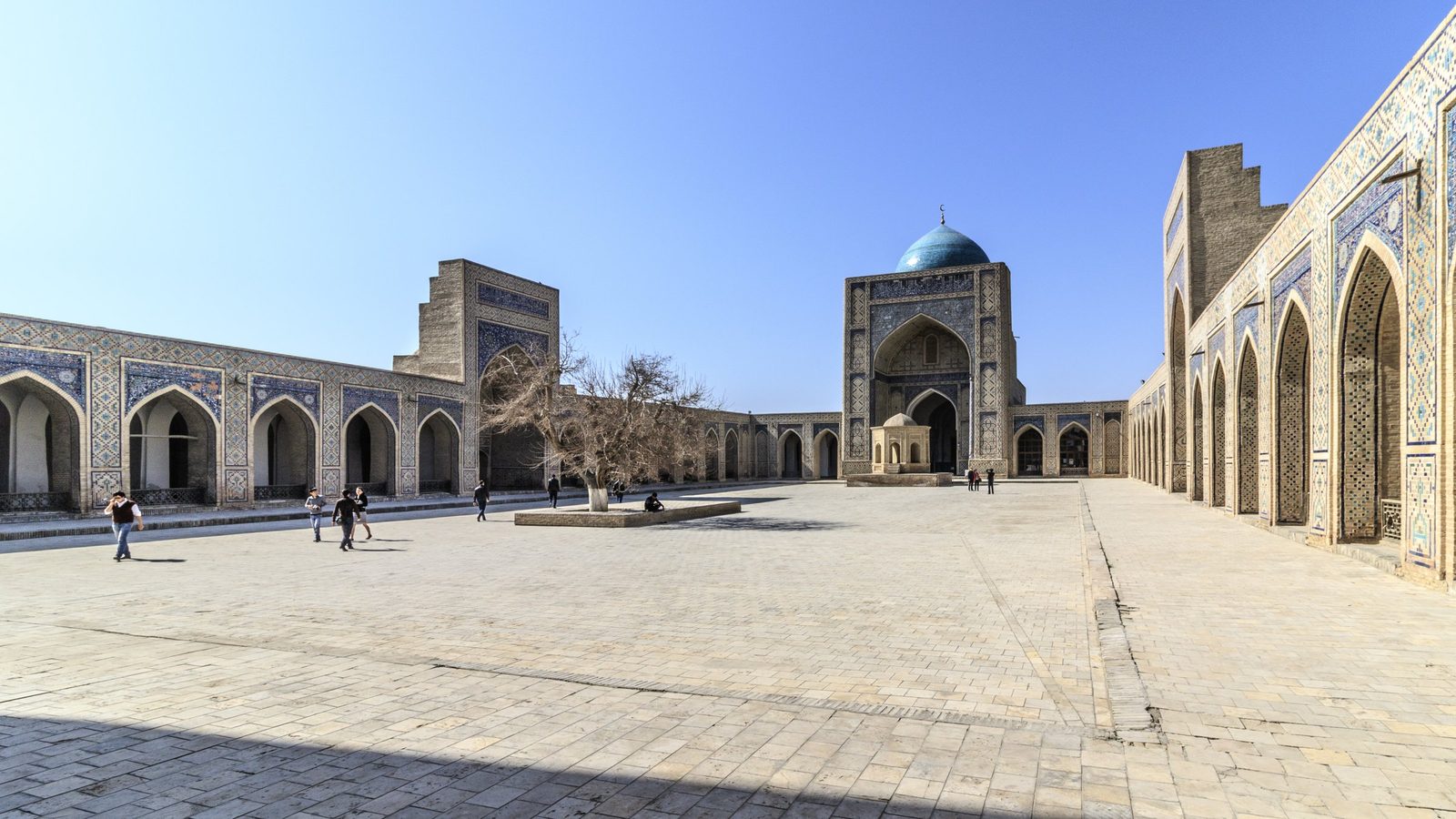
In the cities people dress as in any warm country: comfortably and neatly. Shoulders and knees are covered only when entering mosques and mausoleums; women will find a light scarf useful there, and your guide will tell you in advance where you need it. More in what to wear in Uzbekistan.
8. “Three days is enough”
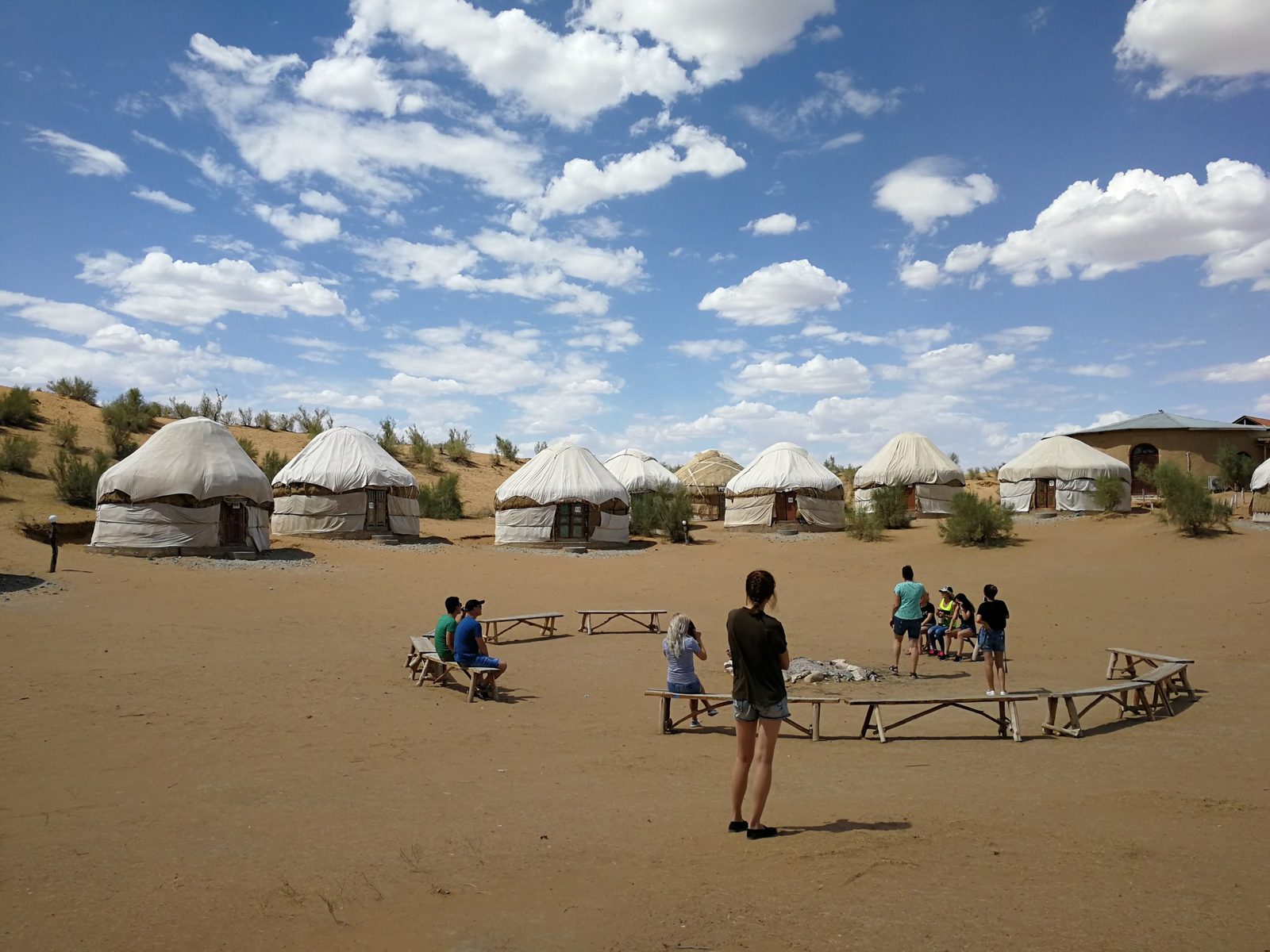
Three days is enough for Tashkent and Samarkand. But there are also Bukhara and Khiva, the mountains and Charvak, yurts by Lake Aydarkul, Margilan silk and Rishtan ceramics, and the Savitsky Museum in Nukus, with one of the largest collections of Russian avant-garde art. A classic route takes 8–11 days (8-day classic tour, Uzbekistan in 10 days), and travellers usually wish they had taken more.
9. “You can skip Khiva: it’s far and it’s more of the same”
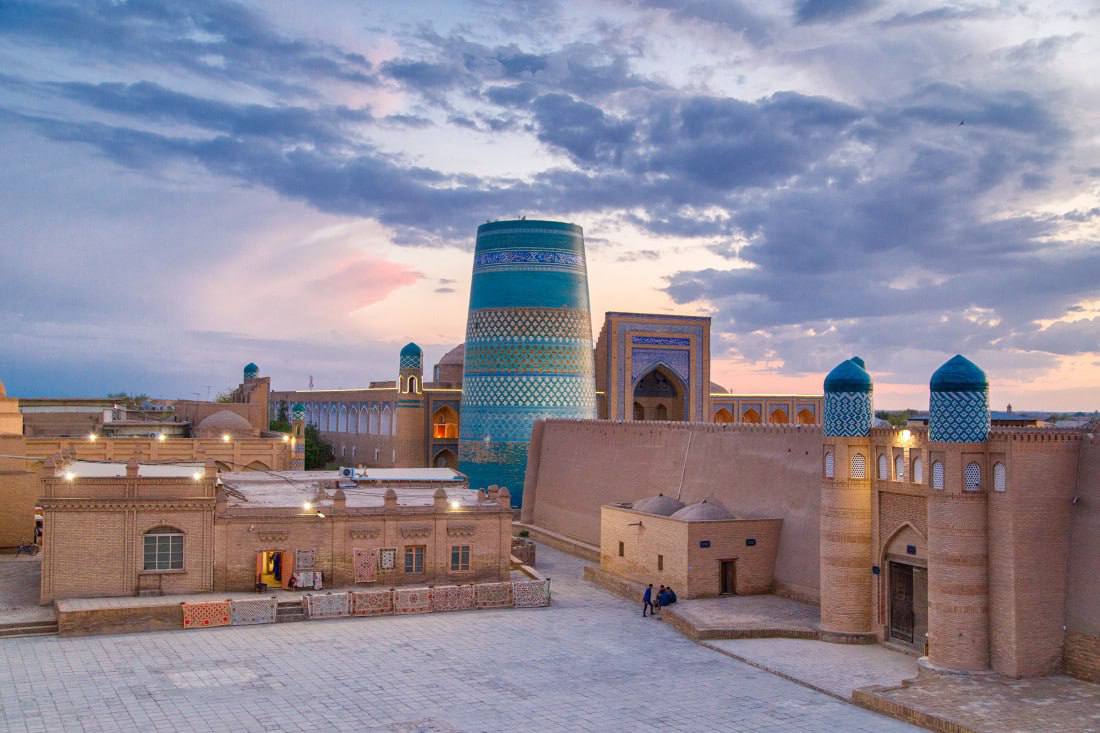
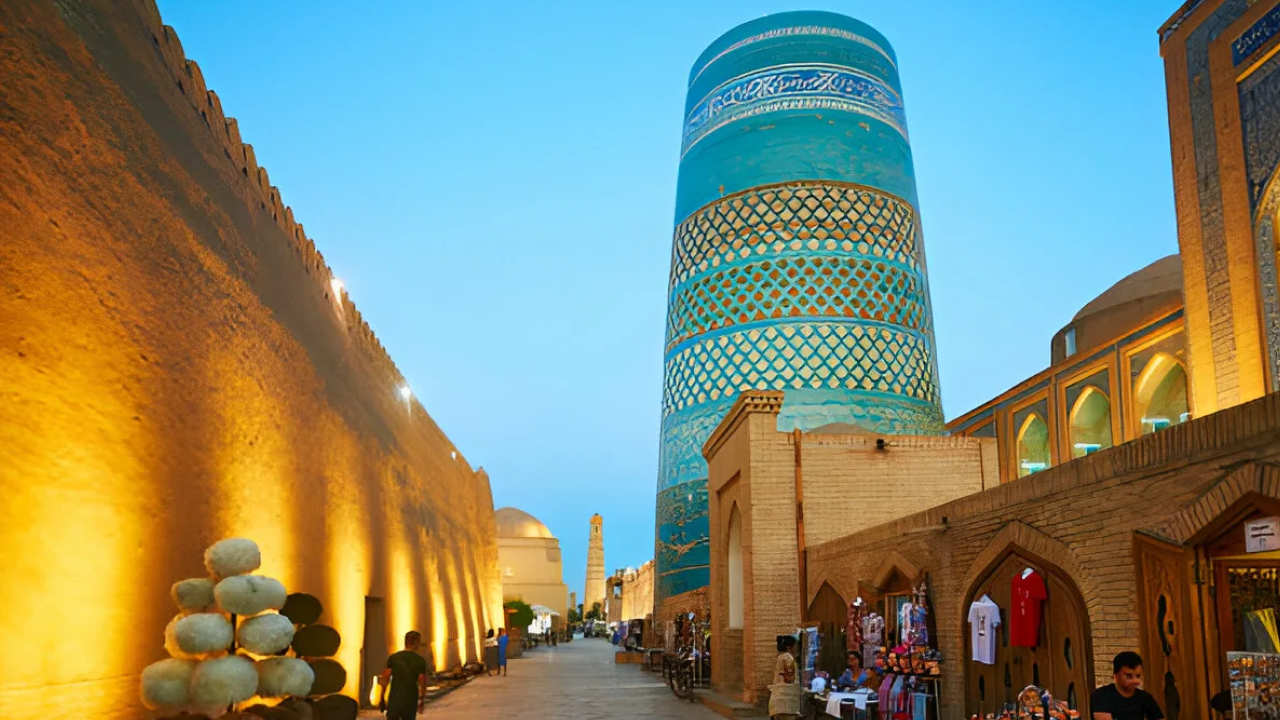
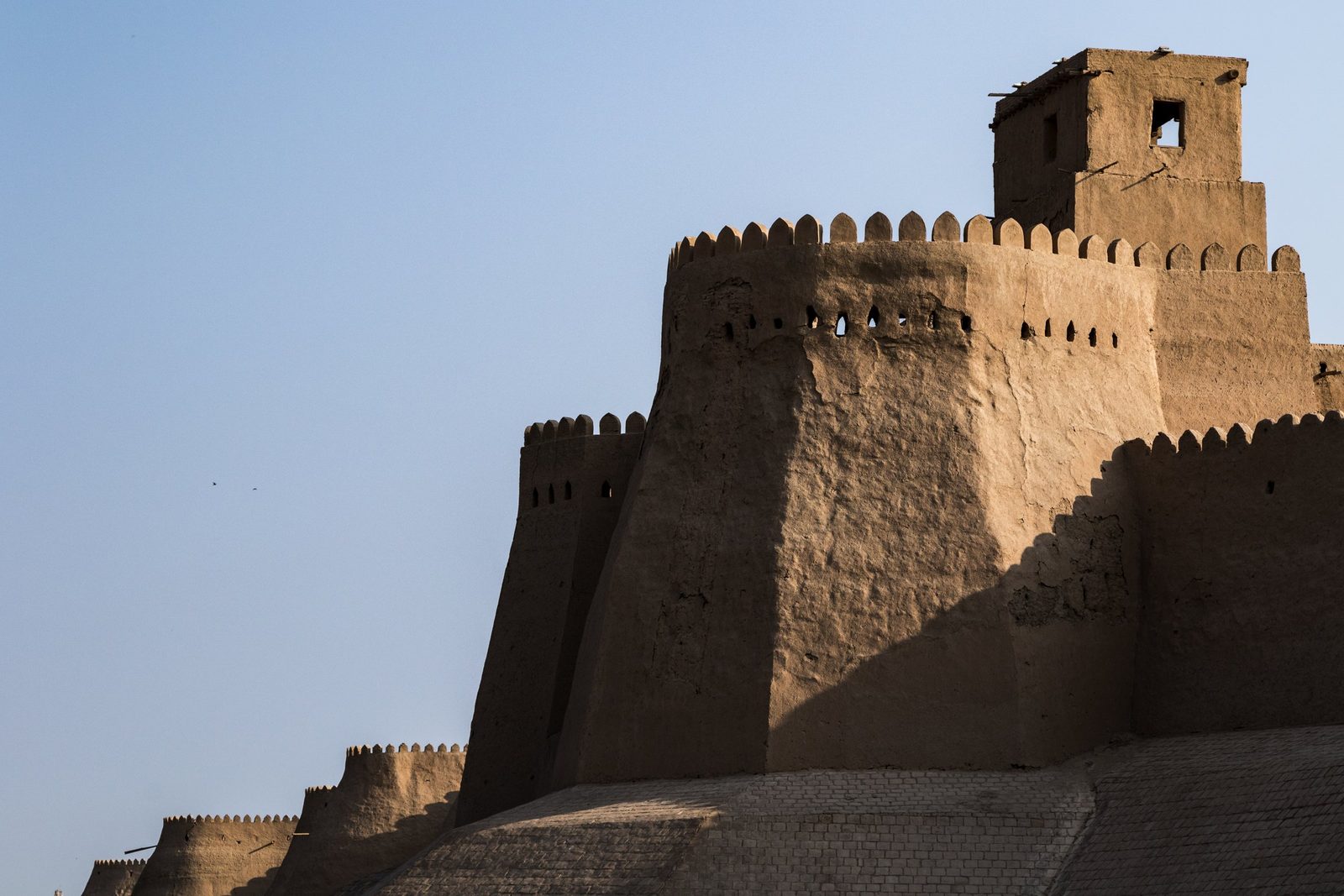
Khiva is the city people skip most often, and they shouldn’t. It is the only city whose old town has survived whole inside its clay walls: Itchan Kala was Uzbekistan’s first UNESCO World Heritage site. In the evening, when the day groups leave, you stroll its lanes as if through an open-air museum, watch the sunset over the minarets from the city walls and listen to the legends of Khiva. Getting there is easy: a direct Tashkent–Urgench flight takes about an hour and a half, and the new high-speed train runs all the way to Khiva. Two days are enough to take it slowly (Khiva in 1–2 days), and Khiva is the place travellers remember first.
10. “There’s nothing to do in Tashkent: it’s a business capital”
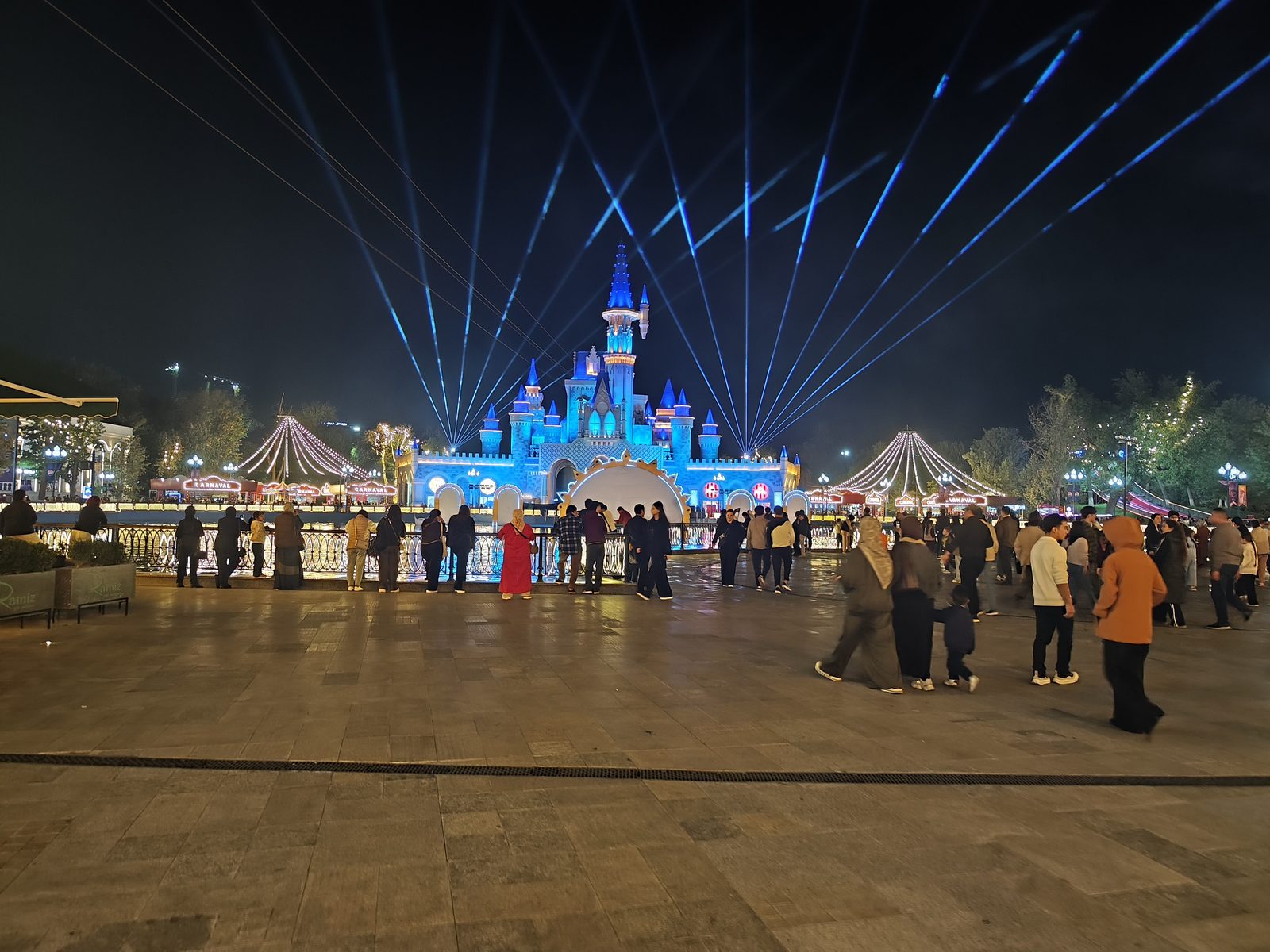
Many people plan Tashkent as a stopover and then ask to add a day. There is the old town with Tashkent's old bazaar under a big blue-green dome, not far from Hazrati Imam. Bring cash in so'm. Read more → under its huge turquoise dome and the The religious heart of old Tashkent: madrasahs, a Friday mosque and mausoleums. Right next to it stands the new Center of Islamic Civilization, opened in 2026. Read more → complex, next to which one of the oldest Quran manuscripts is kept in the Center of Islamic Civilization; the metro, where every station is a museum hall of its own and photography has been allowed since 2018; modernist architecture on the UNESCO list; and the Did you know? A diplomat's house that became a museum of crafts In 1896 diplomat Alexander Polovtsev bought a merchant's house and had it rebuilt in the Central Asian style. Today it is the Museum of Applied Arts, with over 7,000 pieces of folk craft. Read more → in an old mansion with carved ganch plaster. In the evening there is Tashkent City, the fountains and the Magic City castle lit up, and an hour and a half away are the mountains of Chimgan, Amirsoy and Charvak. Two days are enough, three with the mountains: Tashkent in 1–2 days, Tashkent in 3 days, and our evening walk with a guide.
11. “I’ll find everything when I get there, I can sort it out any time”
Taxis, cafés and souvenirs are easy to find on the spot. But in season, in April–May and September–October, turning up on the off chance hardly ever works: there is no room in the good hotels of the old towns or on the trains. Tickets for the Afrosiyob and the Khiva train sell out in the first days of sales, and hotels near the Registan, Lyabi-Hauz and Itchan Kala are booked months ahead. That is why the things that make a good trip are best prepared in advance, and that is exactly our job.
Guides. A good guide is not someone who retells the signs, but someone who knows the history, the legends and the people of their city and speaks your language. The best guides are booked up early in the season; we work with trusted guides in every city.
Escorts and drivers. You are never left on your own, not at the airport, not at the station, not between cities: you are met on arrival, taken to your hotel and picked up at the agreed time, and we stay in touch throughout the trip. Behind the wheel are experienced drivers who know the roads, the distances and where to stop along the way for tea with a view.
Tickets and hotels. Train ticket sales open 60 days ahead, and we buy them on the very first day. We book hotels as soon as the route is confirmed and hold rooms in trusted hotels a short walk from the main sights.
Planning. Uzbekistan has many places, and it is easy to string them together badly: lose a day to transfers or reach the Registan at the height of the crowds. We build the route so that in the same time you see more without rushing, with a sensible order of cities, trains instead of long drives and the right time of day for every place.
The unexpected. A flight is moved, a train timetable changes, someone in the group falls ill: we are on the ground and handle it for you, changing tickets, moving hotel nights and finding replacements.
If you still decide to travel at the last minute, write to us: we will find what is still available, and a guide, a driver or a day trip can be booked during the trip through our services in the cities. How we work is described in On your own or with a local operator, and a route made for you is in our tour finder.
How it really is
Uzbekistan is an easy country to discover for the first time: the routes are well established, the trains are fast, the people are welcoming, and every city surprises you in its own way. We organise everything, from a guide who speaks your language to transfers, trains and hotels; all you have to do is arrive. Find a tour.
© Photos
- Gondola cabins above the slopes of Amirsoy — Iplossusvulpes19 / Wikimedia Commons · CC BY-SA 4.0
- The Afrosiyob train at Tashkent Central station — Nikolai Bulykin / Wikimedia Commons · CC BY-SA 4.0