
Places in this article: Khiva · Tashkent
The Savitsky Museum in Nukus: the avant-garde in the desert
The emblem of the art museum in Nukus is a bull, painted by Vladimir Lysenko. Few people have heard of him, and there is a simple reason: the only works by Lysenko known to survive are kept here, in the capital of Karakalpakstan. Much of the collection has a story like that: paintings that found a home on the edge of the desert because one man went looking for them.
We write from Uzbekistan, and of all the places our guests see, the The Karakalpakstan State Museum of Art in Nukus, named after Igor Savitsky, who gathered a large collection of Russian avant-garde art there in Soviet times. is the one they talk about longest afterwards. Here is what it holds and how to fit it into a trip to the far west of the country.
Who Igor Savitsky was
Igor Savitsky was born in Kyiv in 1915 and grew up in Moscow, where he trained as an artist. He first saw Central Asia in 1942, when his art institute was evacuated to Samarkand.
In 1950 he joined the Khorezm archaeological and ethnographic expedition led by Professor Sergey Tolstov as its artist, and spent the next six years working on its digs. In 1956 he moved to Nukus for good. Working in the applied art laboratory of the local Academy of Sciences, he began to collect what Karakalpak families had kept for generations: jewellery, carpets, embroidered costume, carved wood.
He then convinced the authorities that the region needed an art museum. It was founded on 5 February 1966 and opened that May, on the second floor of the local history museum, with Savitsky as its first director. From then on he gave himself entirely to it, seeking out painters of the 1920s and 1930s whose work was no longer being shown, and their families, and bringing their canvases to Nukus.
Savitsky died in Moscow in 1984. At his own wish he was buried in Nukus, and that same year the museum took his name.
The avant-garde, Russian and Oriental
Today the museum holds about 100,000 objects. Its painting and graphic art of the first half of the 20th century is rated the second most important collection of its kind, after the State Russian Museum in St Petersburg. On the walls you meet the Russian avant-garde: Lyubov Popova, Robert Falk, Alexander Shevchenko, Mikhail Le Dantu, Vera Pestel, Mikhail Kurzin.
What you will not see anywhere else on this scale is the avant-garde born in Central Asia itself: artists who settled here and painted the region’s towns, bazaars and people in the new language of their time. Travellers know it as the Turkestan avant-garde; the museum now calls it Avanguardia Orientalis.
- Alexander Volkov (1886–1957) was born in the Fergana Valley and worked in Tashkent. The museum holds about a hundred of his paintings, more than any other museum in the world.
- Usto Mumin was born Alexander Nikolaev in Voronezh in 1897, studied under Kazimir Malevich in Moscow and moved to Samarkand in 1921. His students gave him the name he is known by: Usto Mumin, the “faithful and gentle master”.
- Ural Tansykbaev, Nikolai Karakhan and Elena Korovay painted the landscapes and daily life of Uzbekistan.
- Vladimir Lysenko is the author of the bull on the museum’s emblem.
In 2024 these works travelled to Florence and Venice in the exhibition “Uzbekistan: Avant-Garde in the Desert”. It now hangs in Nukus, on the second floor. The third floor has a new display, “The World of Igor Savitsky”, arranged around three themes, places, figures and things, with paintings, archaeology, applied art and textiles side by side, the way Savitsky himself liked to show them. Word has spread: in the first nine months of 2025 the museum welcomed almost 70,000 visitors, and among foreign guests Italians came first.
Karakalpak applied art and the archaeology of Khorezm
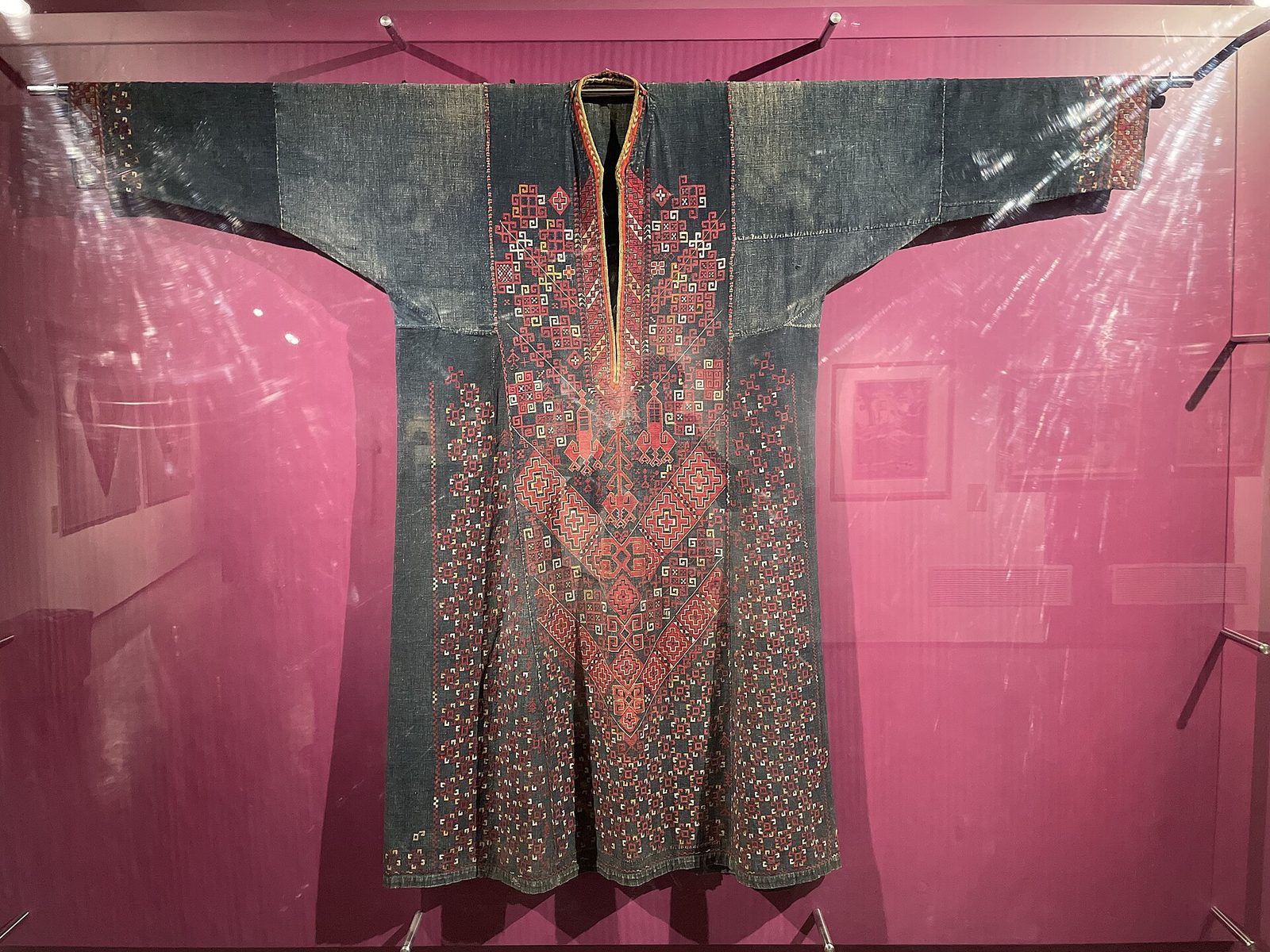
Do not hurry past these halls on the way to the paintings: this is where Savitsky started. The folk art collection runs to almost 10,000 pieces of Karakalpak silver jewellery, carpets, embroidery, costume, carved wood and coins. Textiles are the thread through the whole museum; you will meet them again upstairs, next to the canvases.
The archaeology collection, more than 15,000 items, comes from ancient Khorezm, the oasis on the lower Amu Darya, including finds from its desert fortresses. Many of those sites are within a day’s drive of Nukus, so it pays to see the finds first and the walls they came from afterwards.
How to visit the Savitsky Museum
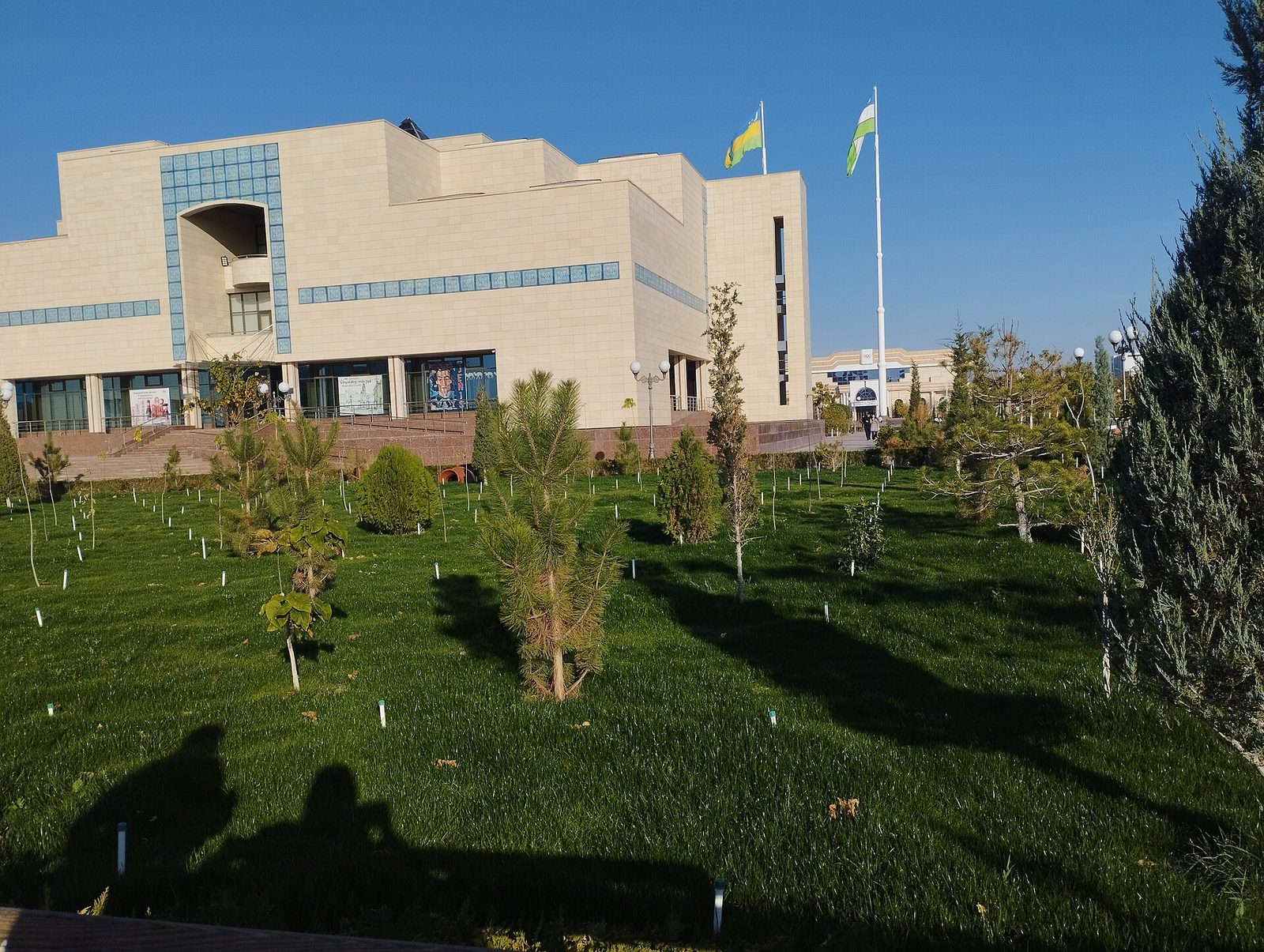
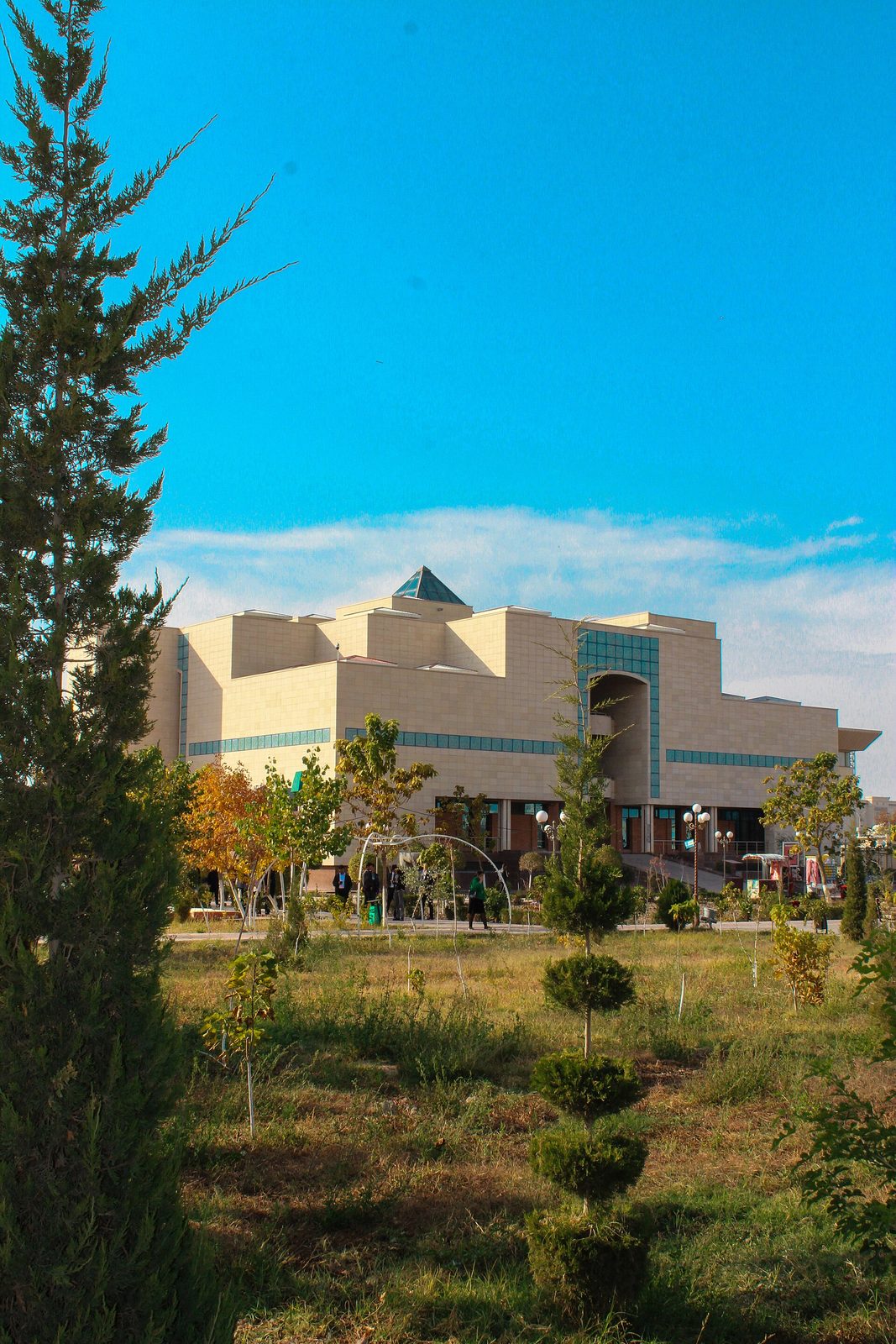
Where. The museum stands in the centre of Nukus, at 52 T. Kayipbergenov Street, within walking distance of the main hotels. It is a complex of three buildings by the architect Sergo Sutyagin: the first opened in 2003, the second and a purpose-built storage building in 2017.
Hours. Tuesday to Sunday, 9:00 to 18:00. Closed on Mondays, so plan your days in Nukus around that.
Tickets and photos. Tickets are sold at the entrance. Check the current price for foreign visitors and the rules for taking pictures at the museum when you buy; professional photography and filming are a paid service. The museum’s own guides lead tours in several languages by arrangement.
Time. Give it at least half a day. Two exhibition buildings of painting, applied art and archaeology make three hours a brisk visit. If art is the reason you came, keep the next morning free for a second look.
Getting to Nukus. A flight from Tashkent takes about an hour and a half; there is also an overnight train that leaves Tashkent around midday and arrives early the next morning. Tickets open 60 days ahead on eticket.railway.uz; how to buy them is in our post on trains in Uzbekistan. From Khiva, Nukus is a drive, with the desert fortresses on the way. The most comfortable months for this part of the country are April–May and September–October.
What to combine with the museum
Our guide to Nukus and Karakalpakstan has the full picture; these are the three trips we pair with the museum most often.
The Mizdakhan necropolis
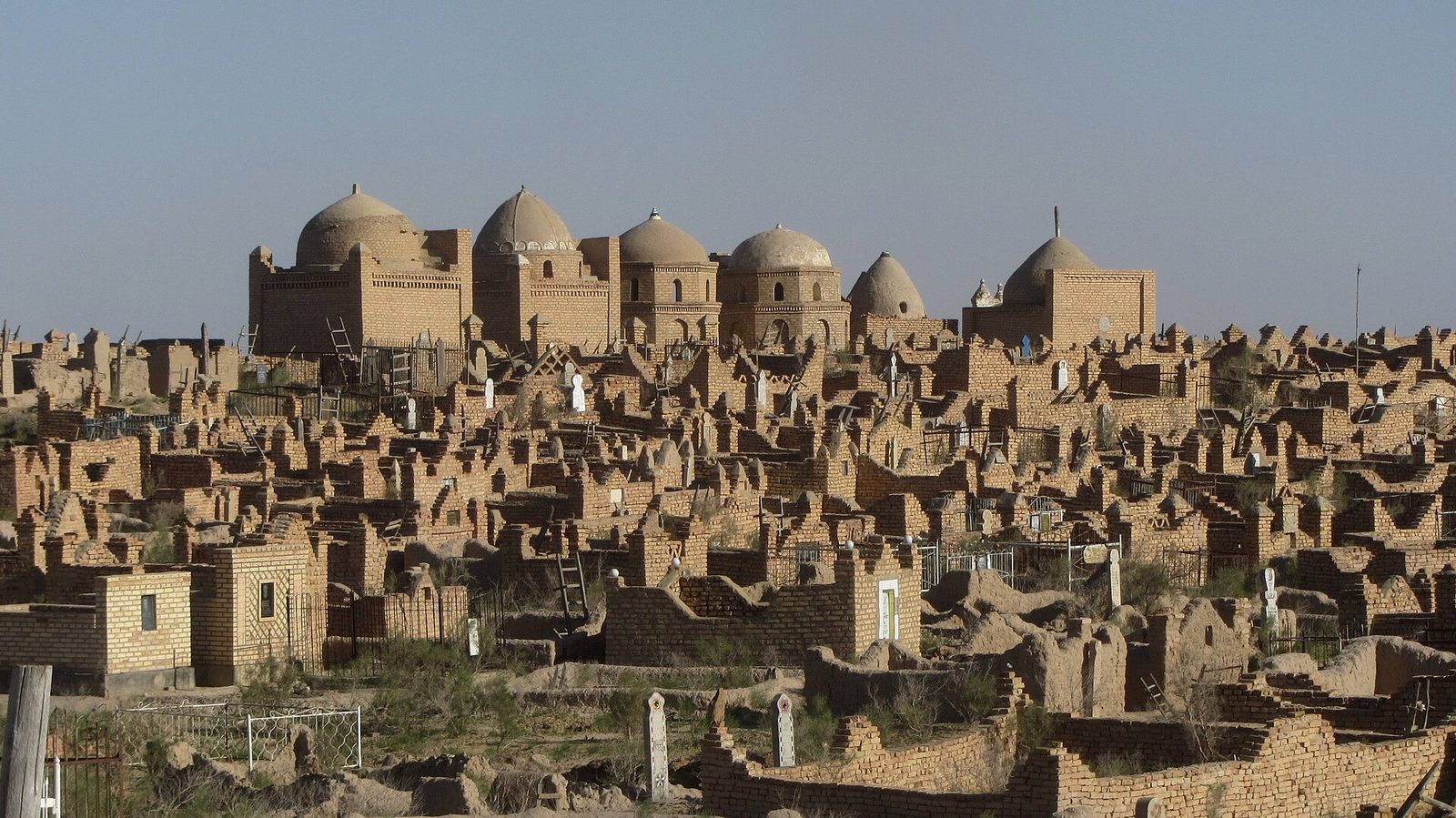
About 20 km west of Nukus, near Khodjeyli, three hills hold one of the most revered burial grounds of the region. Step down into the half-underground Mazlum-Khan Sulu mausoleum with its tiled interior, then find the Khalifa Erejep mausoleum, the “clock of the world”: legend says time will end when its last brick falls. The ruins of the Gyaur-Kala fortress stand next to it. Mizdakhan is still a place of pilgrimage, so walk quietly and dress modestly. The museum and Mizdakhan fit comfortably into one day.
Desert fortresses: Ayaz-Kala and Toprak-Kala
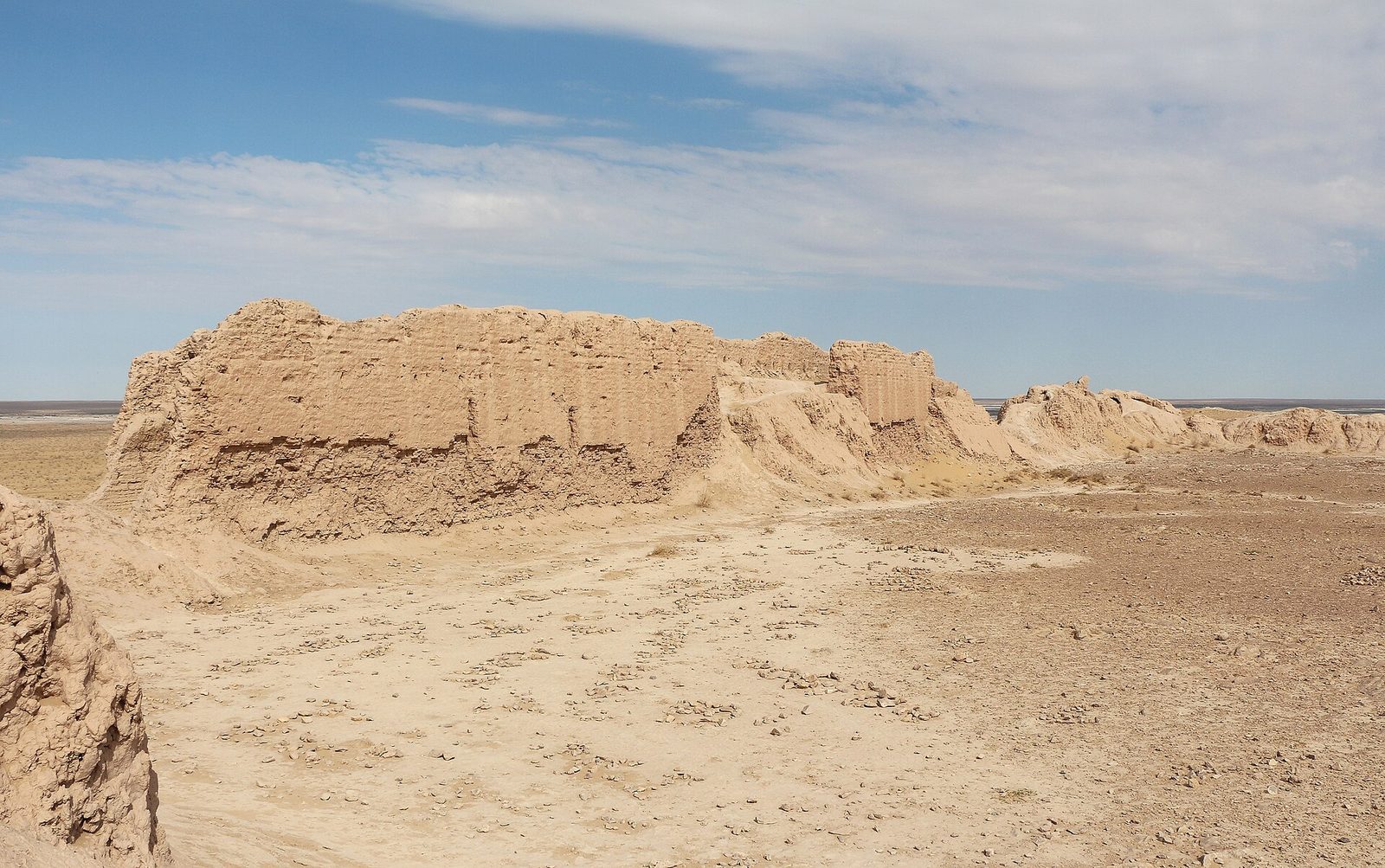
Ruins of ancient Khorezm fortresses on hills at the edge of the Kyzylkum, in Karakalpakstan. lies about 150 km from Nukus on the way to Khiva: three fortresses on hills at the edge of the The Kyzylkum, or Red Sands: the desert between the Amu Darya and Syr Darya rivers that the road and the railway cross on the way to Khiva., the oldest from the late 4th or early 3rd century BC. Toprak-Kala was the capital of ancient Khorezm in the 2nd–3rd centuries AD, and its painted halls were studied by Tolstov’s expedition from 1938: the same expedition Savitsky later joined. Come at sunset, and stay the night in the yurt camp near Ayaz-Kala if you can. To see them from the Khiva side, read Khiva in one or two days; our Khiva in 3 days tour drives out to Ayaz-Kala.
Muynak, the Aral Sea and the Ustyurt
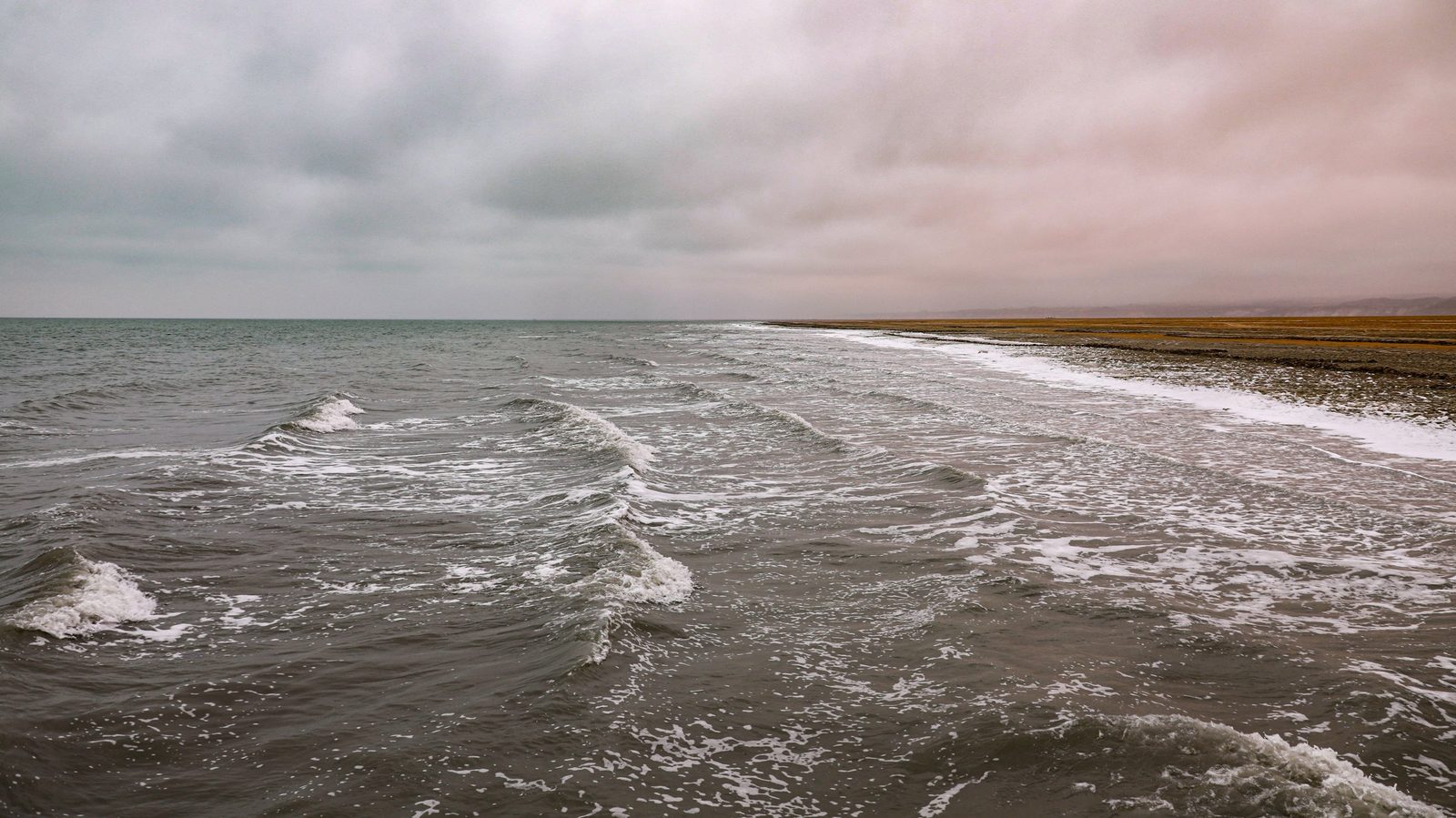
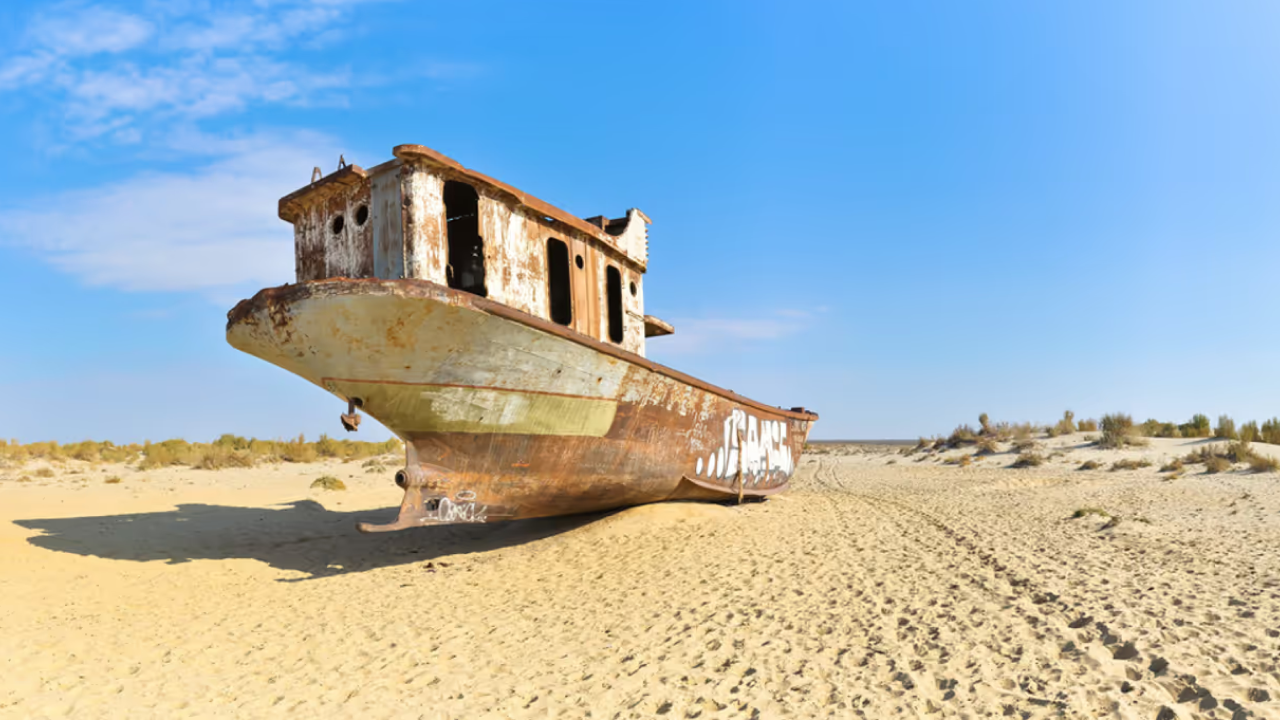
Muynak, once a fishing port, is about 200 km north of Nukus, some three hours by road. Its ships now rest on the sand where the harbour used to be, and a small museum shows how the shore moved. From there 4×4 tracks cross the Ustyurt plateau to the sea itself. Our 2-day Aral Sea extension flies from Tashkent to Nukus, spends the night in a camp by the water and comes back by way of Mizdakhan. More in our guide to the Aral Sea today, and our 14-day itinerary shows how to end a longer trip in Nukus.
In short
- About 100,000 objects: the Russian avant-garde, the Avanguardia Orientalis of Volkov and Usto Mumin, Karakalpak applied art and the archaeology of Khorezm.
- Open Tuesday to Sunday, 9:00–18:00, closed on Mondays; check ticket prices and photo rules at the desk.
- Allow at least half a day; add Mizdakhan for a full day.
- Fly from Tashkent in about an hour and a half, or take the overnight train.
- Add the desert fortresses on the way to Khiva, or two days for Muynak and the Aral Sea.
© Photos
- Mizdakhan necropolis near Nukus — Erik Albers / Wikimedia Commons · CC BY-SA 4.0