
Registration and customs in Uzbekistan: what travellers need to know
Land in Tashkent on a Friday evening, and your three-day registration clock is already running through Saturday and Sunday. We meet guests at Tashkent airport all year round, and once the Entry rules depend on your passport. Once you are here, each stay must be registered within three days, and hotels do it for you; customs and registration rules are in our guide. Read more → is sorted the questions are nearly always the same three: who registers me, how much cash can I carry, and can I take this carpet home?
Here is how it works on the ground. Visas and invitations have their own guides: whether you need a visa and the letter of invitation.
Registration: three days, weekends included
Every foreign visitor must be registered at their place of stay within 3 days of arrival. Saturdays and Sundays count. Move to another city and stay there longer than 3 days, and you are registered again at the new address.
In practice you rarely do it yourself. Registration goes through E-mehmon, the national electronic guest system, and who registers you depends on where you sleep:
- Hotel or guesthouse: the reception registers you in E-mehmon at check-in. The tourist tax is already in the hotel bill.
- Private home or rented flat: the host registers you, in E-mehmon or at the local migration office, and pays the tourist tax on your behalf.
- Tent or camper van: you register yourself online at emehmon.uz within 3 days and pay the tourist tax for each day. Payment works only with a debit card from an Uzbek bank, in soums, so arrange this before you head off the beaten track.
When you travel with us, we normally book hotels (see where to stay), and the hotel registers you at every stop. Planning a night with friends or in an apartment? Ask the host how they will register you before you arrive, not on day three.
Keep the paper trail until the airport
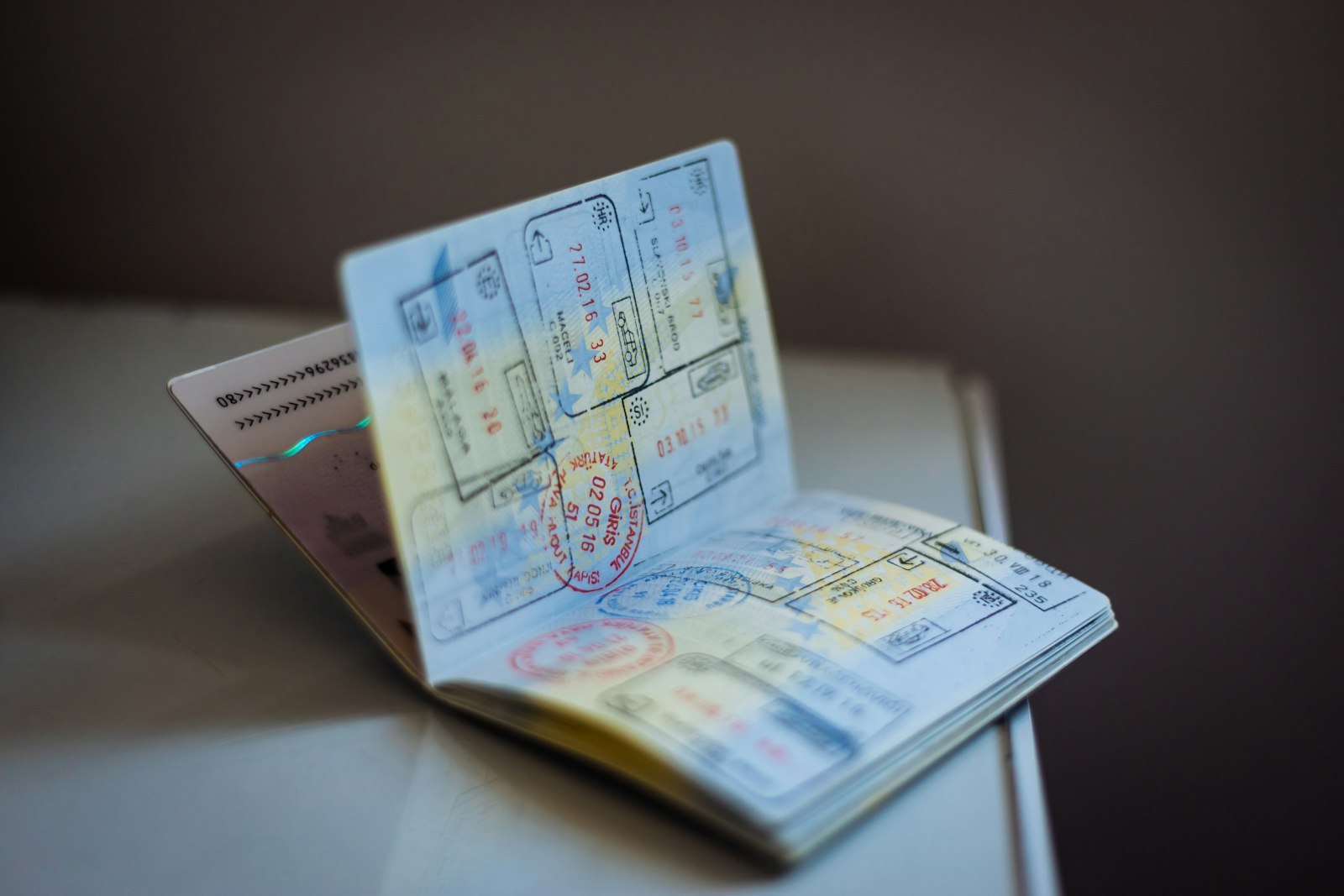
On departure, officers may ask for a full record of where you stayed. Days you cannot account for, or late registration, can mean a fine for each day and, in serious cases, deportation. Keep every registration confirmation from hotels and hosts, together with your bookings, until you are through passport control.
Carry your passport at all times: it is a legal requirement in Uzbekistan, and police checks are common. We also advise keeping a photo of the passport and visa on your phone and a paper copy in a different bag.
Cash at the border
You can bring in any amount of cash, in soums or in foreign currency. Anything above the equivalent of 100 million soums, roughly $8,000 at the current rate, must be declared on arrival. Below that, the declaration is optional, and if you carry a sizeable sum we recommend filling it in anyway.
The rule that matters on the way out: you cannot leave with more foreign currency than you brought in. Individuals may take out up to the equivalent of 100 million soums; for more than that, your stamped arrival declaration shows the money came in with you. Undeclared cash and valuables can be confiscated.
Fill in the declaration in two copies and make sure officers sign and stamp both: you keep one and show it again when you leave. Gold, silver and gemstones over 65 grams are declared too.
Goods for personal use come in duty-free up to $1,000 if you fly in, $500 by train and $300 by road or on foot. A suitcase of clothes, a camera and a laptop sit well below these limits.
Prescription medicines travel in their original packaging with the doctor’s prescription, and you declare them. Some medicines sold over the counter in Europe, including those with codeine, are controlled here. For changing money once you are in the country, see where to exchange foreign currency.
Carpets, suzani and antiques
The line is fifty years. Items made 50 or more years ago count as cultural heritage and generally may not leave Uzbekistan. Newer pieces of artistic value can need an export certificate from the Ministry of Culture: the expert examination takes up to ten days, and the certificate is valid for three months. Machine-made carpets, rugs, embroidery and suzani made within the last 50 years need no certificate, and neither do modern hand-made folk crafts.
What our guides tell guests in the bazaars of Bukhara and Samarkand:
- Take a receipt for every carpet or suzani: it shows the price and that the piece is new.
- If a seller calls something “antique”, ask for the Ministry of Culture certificate before you pay. No certificate, no deal.
- If you deliberately buy an older piece, allow ten days for the examination, which means buying at the start of the trip, not on the last day.
- Leave coins, archaeological finds and anything of unclear origin where they are.
For the stories behind the crafts, see traditional crafts of Uzbekistan.
In short
- Registration is due within 3 days, weekends included: hotels and hosts do it in E-mehmon, campers register themselves.
- Keep your passport on you and every registration confirmation until passport control on departure.
- Bring in any amount of cash, declare anything over 100 million soums (about $8,000) and keep the stamped copy.
- You cannot take out more foreign currency than you brought in.
- Pieces 50 years old or more stay in the country; for anything sold as antique, the certificate comes before the payment.