Places in this article: Samarkand · Tashkent
Uzbek wine: regions, wineries and tastings
More than two thousand years ago a Chinese envoy came back from the Fergana Valley with a line that is still quoted: around ,Did you know? China got alfalfa and grapes from the Fergana Valley Chinese chronicles called Fergana Dayuan. When Han envoys came for its famous horses in the 2nd century BC, they also carried home grapevines and alfalfa, the horses’ fodder, and both were planted beside the emperor’s palaces. Read more → people make wine from grapes, and the wealthy store ten thousand measures and more in their cellars. The envoys took grape seeds home to China. Today Uzbekistan is the largest grape grower in Central Asia, and wine in Uzbekistan is once again a reason to travel.
We are a Tashkent team and take guests to wineries outside Tashkent and Samarkand. Here is what to know before a wine tour of Uzbekistan: the history, the grapes, the regions, the season and how a tasting works.
From Sogdiana to Samarkand: a short history of Uzbek wine
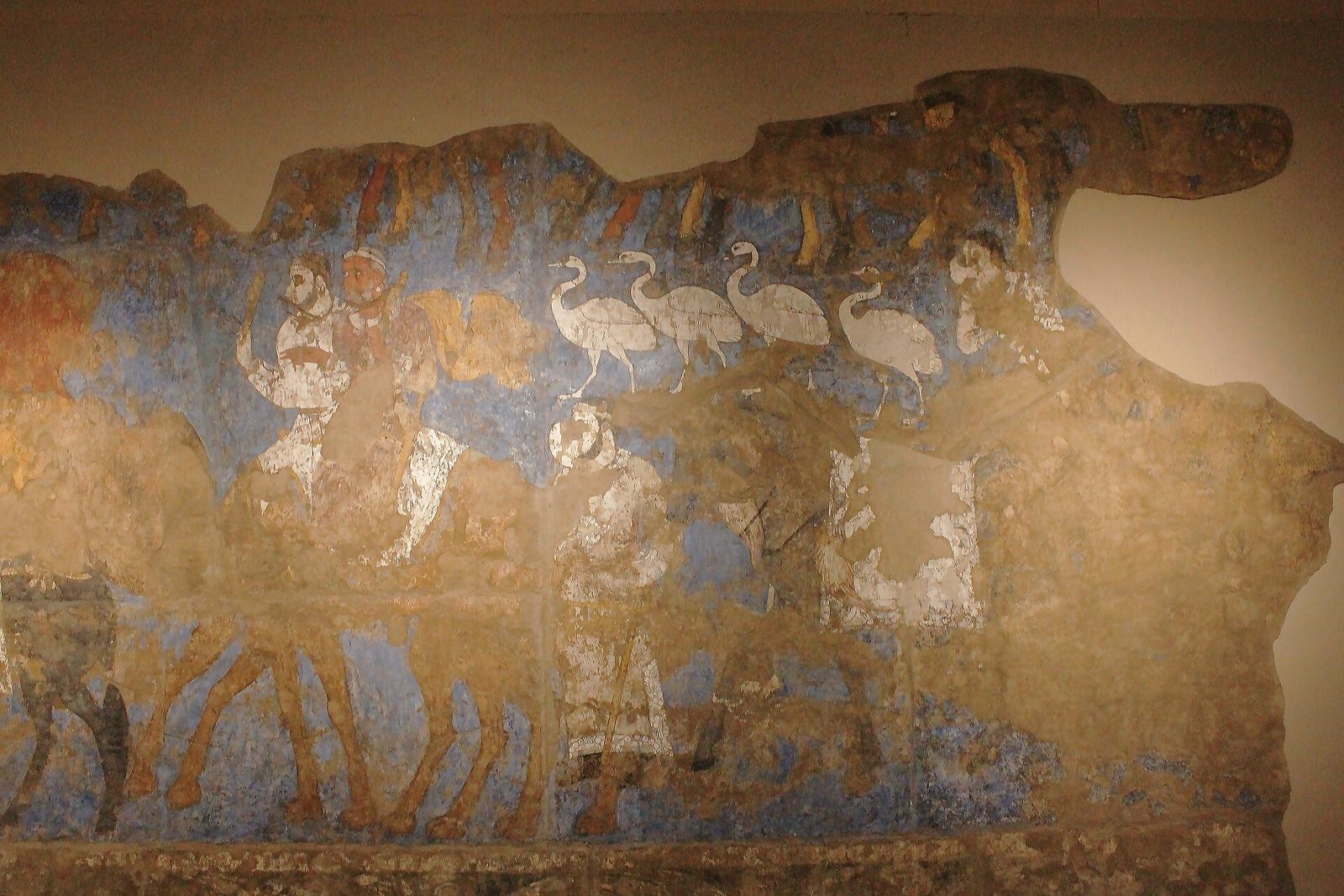
Dayuan of the Chinese chronicles is the ,Did you know? Legend says Fergana's 'heavenly horses' sweated blood Legend says the horses of Dayuan, as Chinese chronicles called Fergana, sweated blood, and around 102 BC Emperor Wu of Han sent an army to bring some home. The 'blood' was most likely a skin parasite that causes tiny bleeding spots. Read more → and the report comes from the Han missions of the 2nd century BC. Further west lay Sogdiana, a land of city-states centred on Samarkand. Sogdian merchants carried grapes along the caravan roads to China, and Sogdian silversmiths made wine cups; a gilded silver one from the 7th century has survived.
With the coming of Islam, wine lost its place for many centuries, and the vineyards of the Zarafshan valley grew grapes for the table and for raisins. Wine came back to Samarkand in 1868, when the merchant Dmitry Filatov opened a small winery. A few years later his Samarkand wine took medals in Paris and Antwerp.
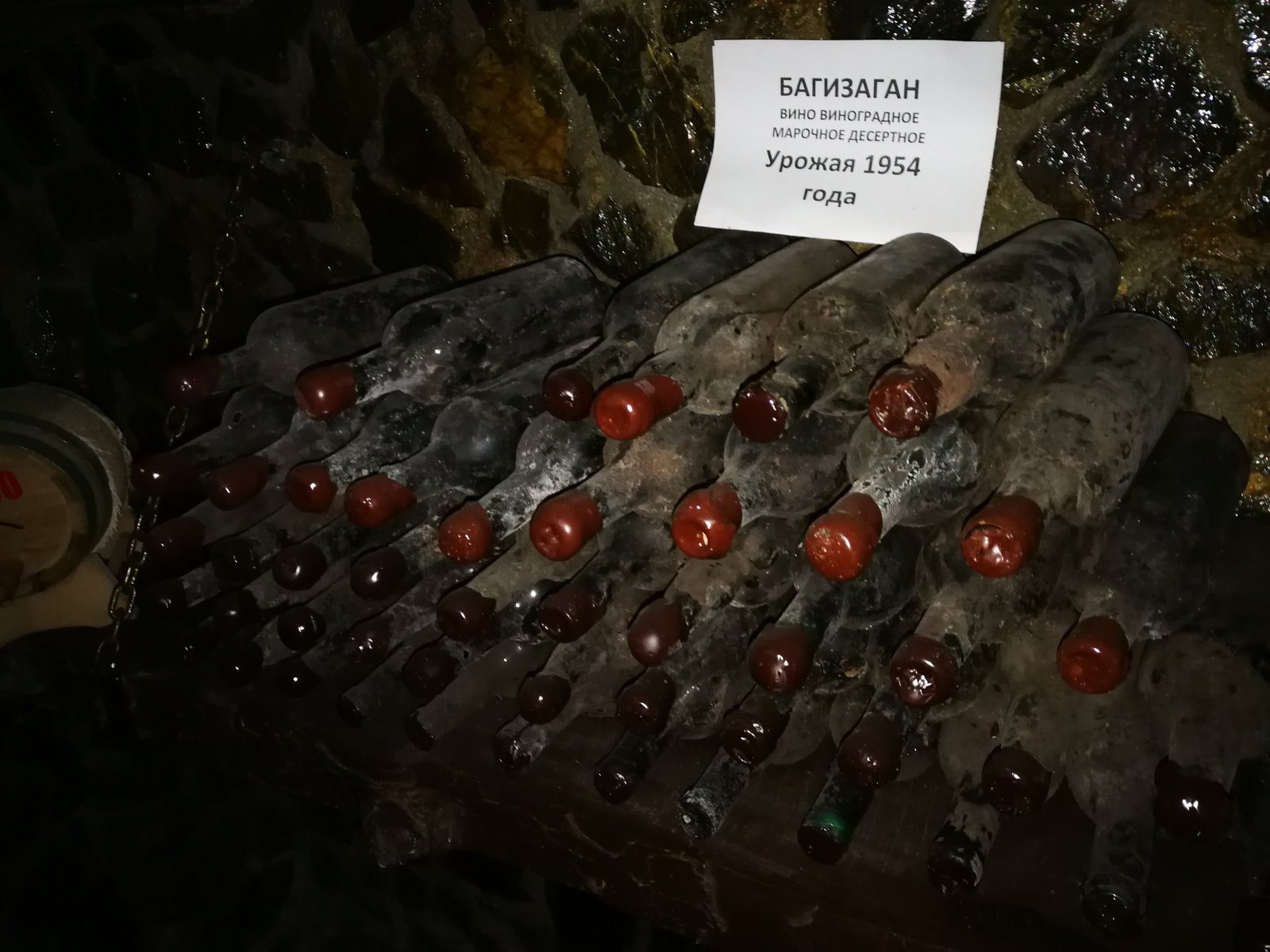
In 1927 the chemist Mikhail Khovrenko came to the Samarkand winery and put winemaking there on a scientific footing. The dessert wines Gulyakandoz, Shirin and Aleatico belong to that era, and the winery carries his name today. In 1967 hidden cellars with about 3,700 bottles from Filatov’s time were found; the museum of winemaking in Filatov’s house at the winery keeps old tools, labels and bottles.
A grape country first, a wine country second
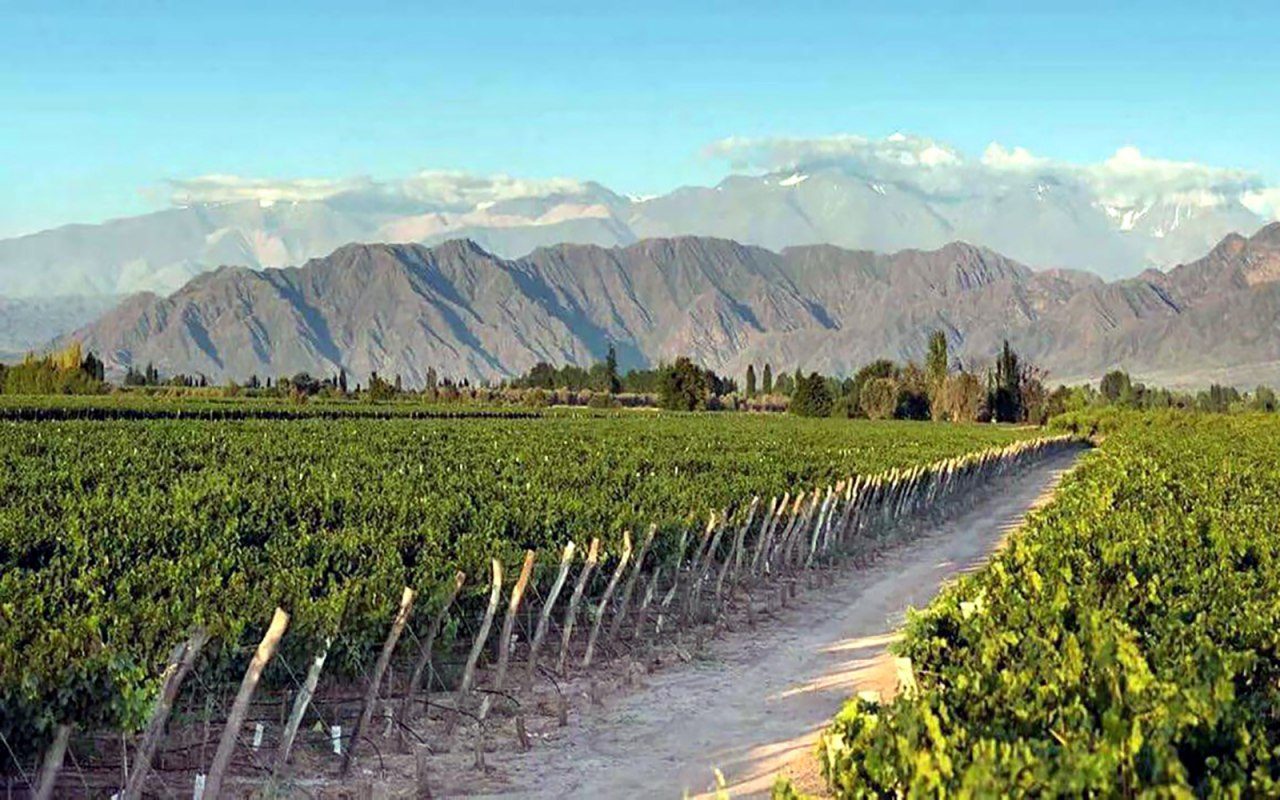
Uzbekistan grows a great deal of grapes: almost 1.5 million tonnes in the first nine months of 2025. The Samarkand region alone gave about 567,000 tonnes, more than a third of the harvest, followed by the Bukhara, Fergana, Surkhandarya and Tashkent regions.
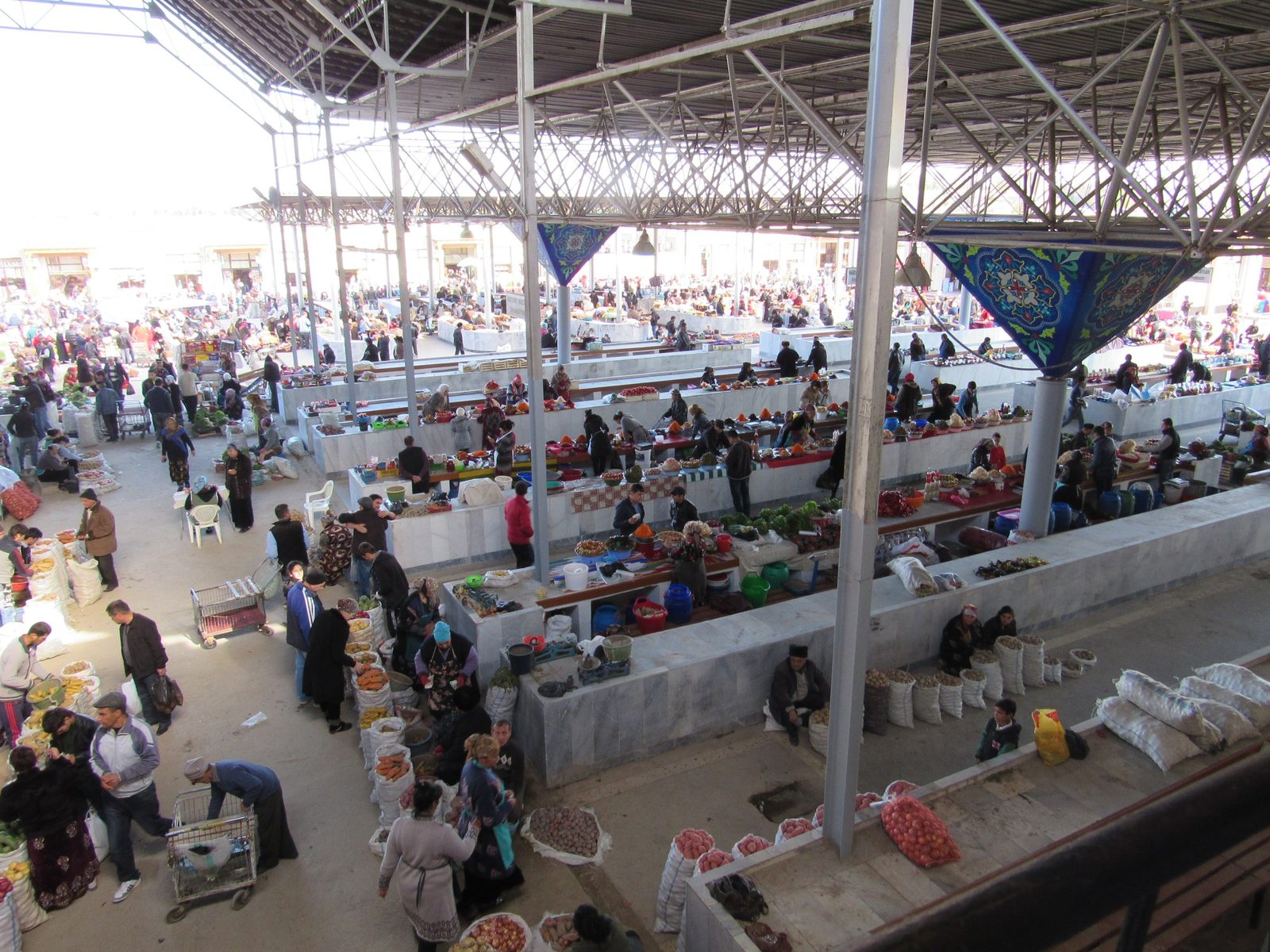
Most of it never sees a bottle. About three quarters of the harvest is eaten fresh, and less than a quarter goes into juice, wine and brandy. At the bazaars in late summer you will find the table grapes Uzbeks love: Husayni, Rizamat and Kishmish, which is also dried for raisins, and the pink Tayfi, most of which goes abroad. In 2018 Uzbekistan joined the International Organisation of Vine and Wine (OIV) as its 47th member state.
The grapes in Uzbek wine
The still wines are made mostly from two Georgian varieties: Saperavi for reds and Rkatsiteli for whites. Soyaki and Bayan Shirey go into sparkling wines and brandies, and Hindogni and Rosy Muscat are on the list of local wine grapes too.
Next to them grow the international names. At Bagizagan near Samarkand the vineyards have Cabernet, Merlot, Chardonnay, Rkatsiteli and Bayan Shirey. On the slopes of the Parkent district outside Tashkent, Pinot Noir, Riesling and Cabernet Sauvignon grow beside Saperavi and Soyaki. Uzumfermer, a family winery in the Kibray district, keeps more than 100 grape varieties on 21 hectares, a living collection you walk through with the winemaker.
Wine regions of Uzbekistan
Samarkand
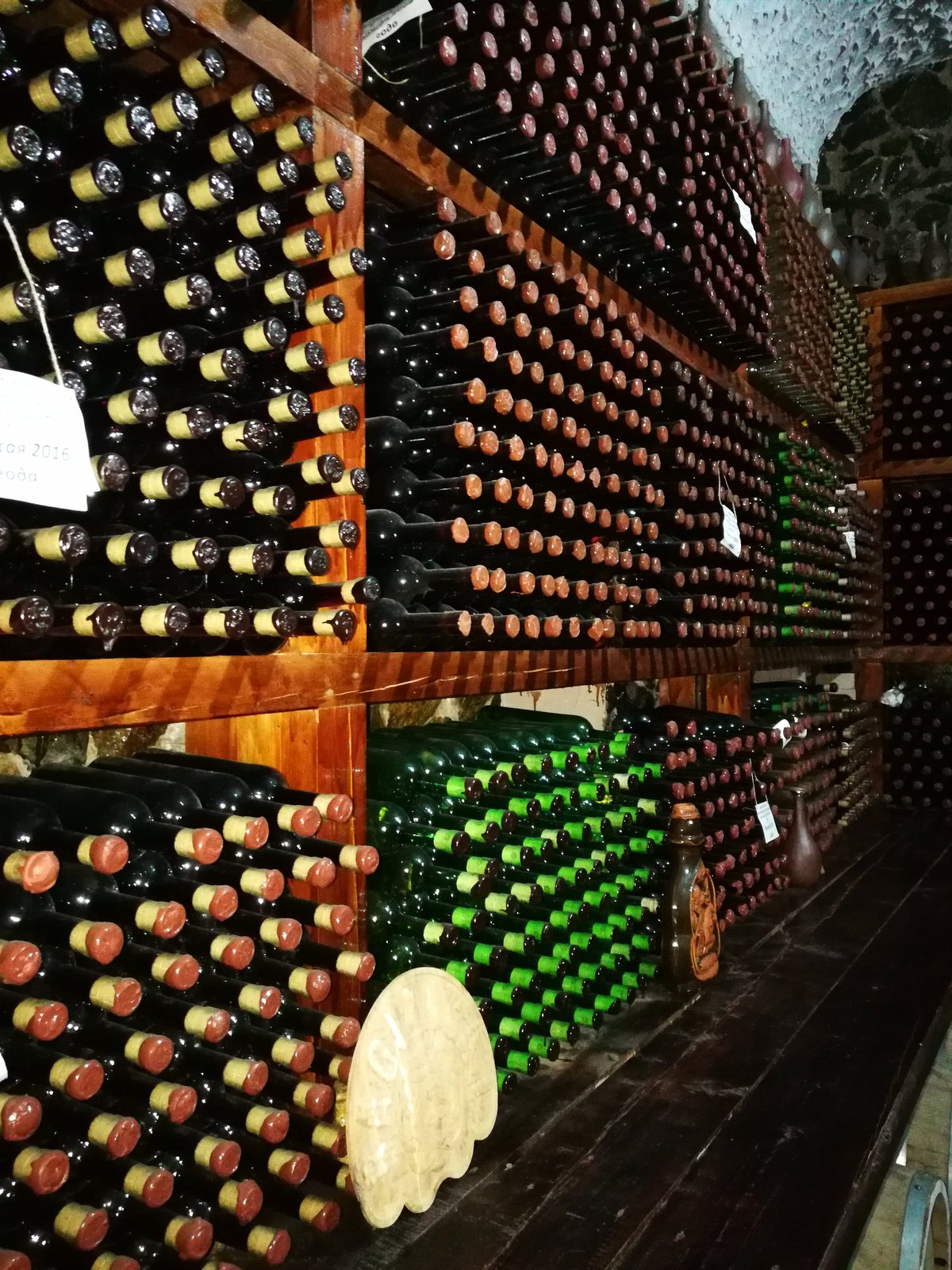
The biggest grape region and the old capital of Uzbek wine. We take guests to two places: Bagizagan, a winery in the village of the same name about 25 km from the city, with a history going back to 1964 and more than 20 wines; and the Khovrenko winery in Samarkand itself, with its history from 1868 and its small museum. Both fit easily around the Did you know? The Registan's sun-carrying lion went on a banknote The Sher-Dor Madrasah (1619–1636) is named for the big cats with the sun on their backs on its portal. The image appeared on the reverse of Uzbekistan's 200-som note of 1997. Read more → and ;Did you know? Why Shah-i-Zinda means 'the Living King' The necropolis grew around the shrine of Qutham ibn Abbas, a cousin of the Prophet Muhammad. Legend says he did not die in battle but went down a deep well to a garden of paradise, where he lives on. Read more → our Samarkand guide has the rest of the city.
Tashkent region
The foothills east of the capital. Uzumfermer is in the village of Kattasuv in the Kibray district, a short drive from the city. Further up, the Parkent district has grown grapes for generations; many vineyards there live on rain and snowmelt rather than irrigation, and the harvest starts in mid-August.
Fergana Valley
The Dayuan of the chronicles is now the third grape region of the country by harvest. In the city of Fergana one winery grows grapes on 520 hectares and makes wine and brandy.
Surkhandarya
The warm far south, counted with Samarkand and the Fergana Valley among the main grape regions of Uzbekistan. In Soviet times the town of Denau had its own winery.
When to go: the grape season
Table grapes reach the bazaars in the second half of July. Around Tashkent the harvest begins in mid-August, and the varieties ripen one after another until late autumn. For a wine trip we like September and October best: the harvest is on and the heat is over. An average September afternoon in Samarkand is 29 °C, in October 22 °C, against 35 °C in July.
The wineries receive guests all year round, so a tasting in spring or winter works too; the vines are simply green or bare instead of heavy with fruit. For the weather and events of each month, see Uzbekistan in September and Uzbekistan in October.
How a winery visit works
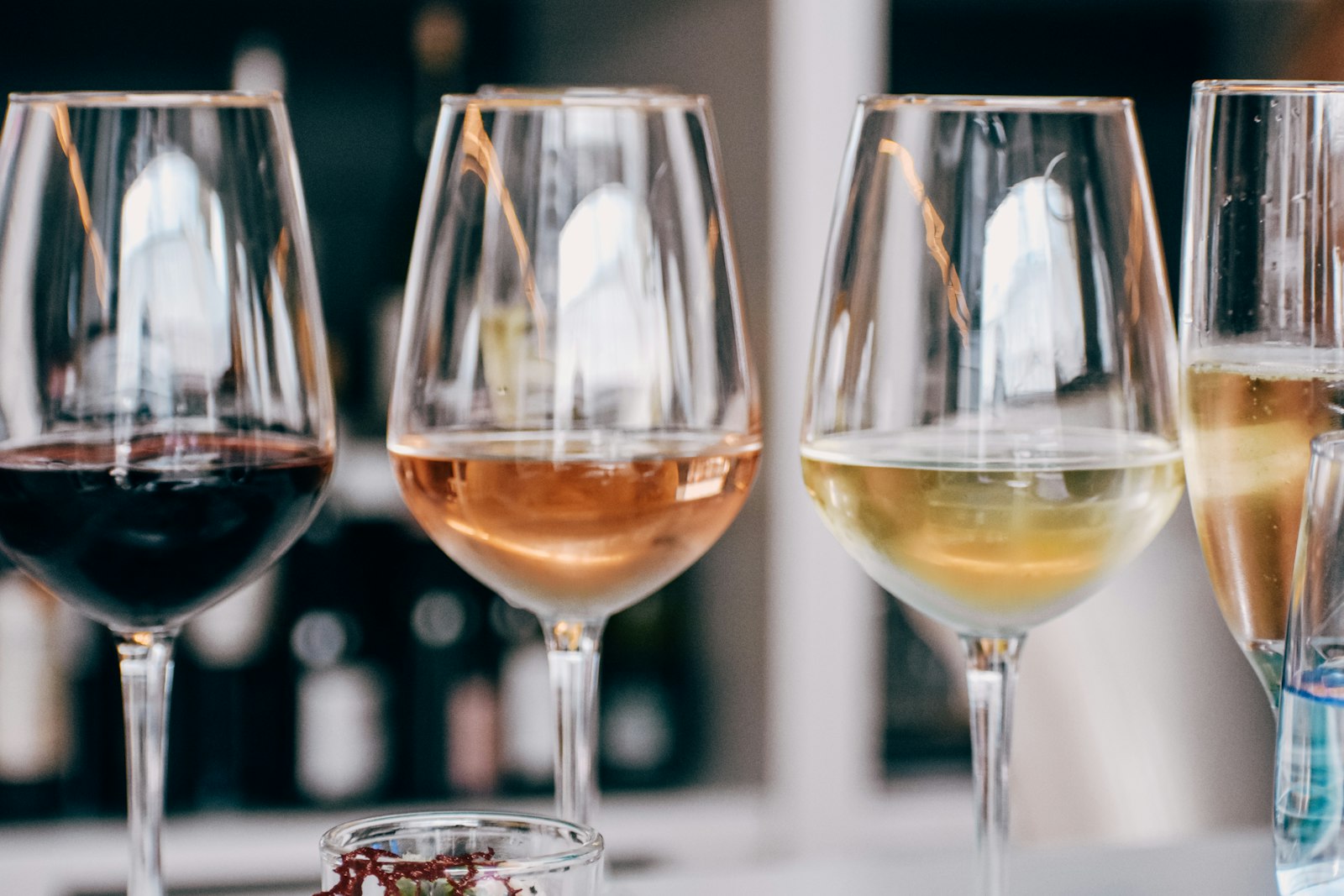
A winery visit is a half-day out of the city with our driver and guide. At Uzumfermer you walk the estate with the winemaker before a tasting of six wines. At Bagizagan you see the cellar and taste the wines with cheese, fruit and nuts. We confirm the programme and the timing for your dates.
In Uzbekistan alcohol is sold only to people aged 21 and over, a rule in force since 26 August 2023, so all our tastings and wine dinners are for guests of 21 and older. Carry your passport. Bottles you buy at a winery are paid on site. If you do not drink, we replace the tasting with something else, for example a visit to a silk workshop in Samarkand.
From Tashkent we arrange a trip to Uzumfermer with a tasting, and from Samarkand a wine tasting at Bagizagan or a dinner on a terrace with wine and a view of the Registan. Our five-day wine tour of Tashkent and Samarkand puts both wineries and the Registan dinner together, and we can add a visit to the Khovrenko winery.
In short
- Wine around Fergana and Samarkand goes back more than two thousand years; modern Samarkand winemaking dates from 1868.
- Uzbekistan grows almost 1.5 million tonnes of grapes, mostly eaten fresh; the still wines are mainly Saperavi and Rkatsiteli.
- The wineries we visit are Uzumfermer outside Tashkent and Bagizagan and Khovrenko in Samarkand.
- The best months are September and October, in the harvest and after the heat; wineries receive guests all year.
- Tastings are for guests of 21 and over: carry your passport.