
Places in this article: Bukhara · Khiva
Hammams of Bukhara and Khiva: the old bathhouses you can still visit
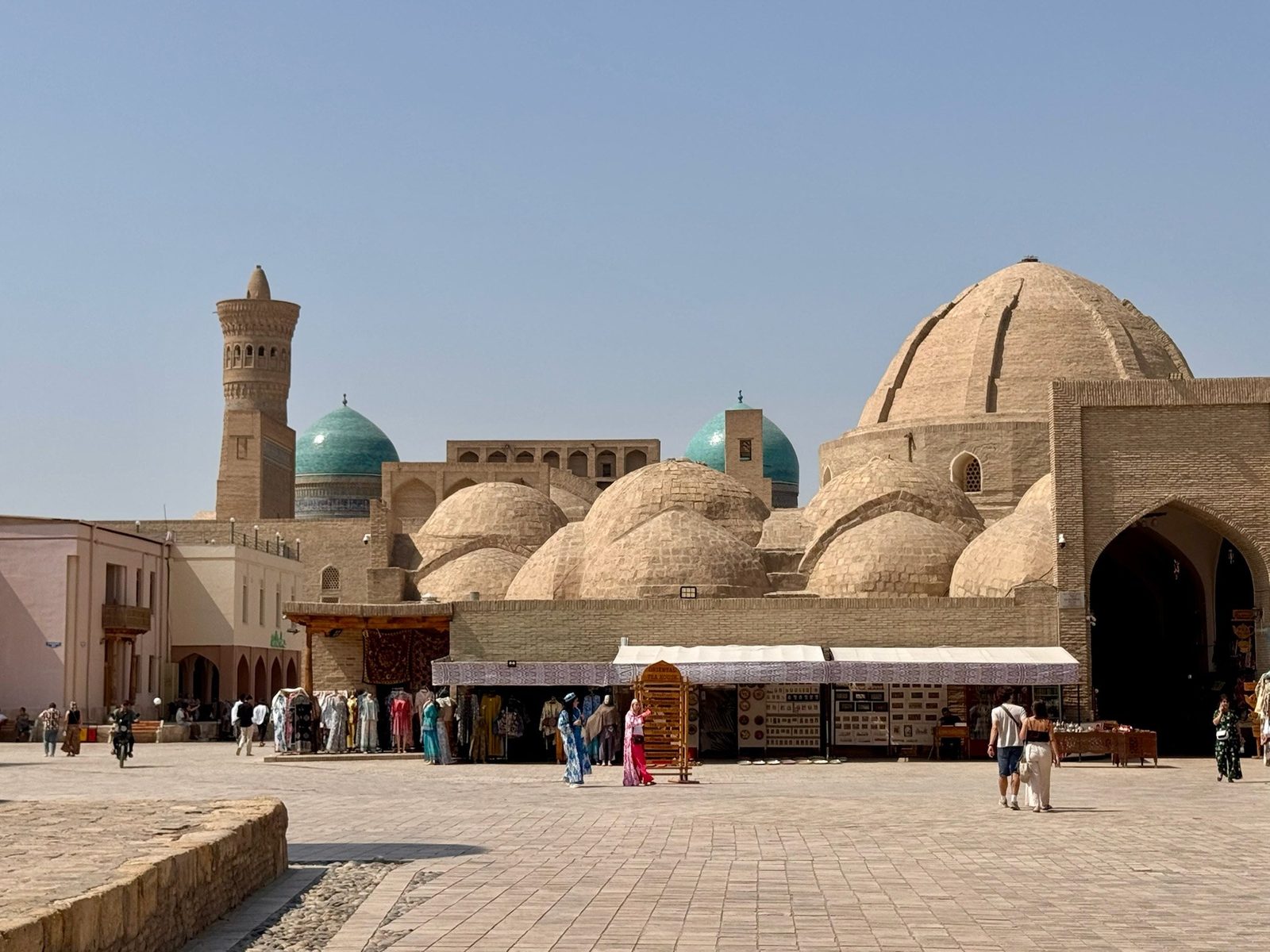
In the middle of the old town of Bukhara, under one of the Did you know? Under Bukhara's domes merchants changed money and gold Four 16th-century trading domes still stand over old crossroads. Toki Sarrafon was the money changers' dome, where merchants from India and China swapped coins; Toki Zargaron held jewellers' workshops, Toki Telpak Furushon sold caps. Read more → where hat sellers once worked, there is a door that leads down, not in. Behind it is a bathhouse that has been heated for centuries, and in the evening you can lie on its hot stone while a masseur works on your back. It is one of only two historic hammams still working in Bukhara.
Here is how these old bathhouses are built, which of them you can visit, what happens inside, and how we arrange a visit for our guests.
Why the baths stood by the bazaars
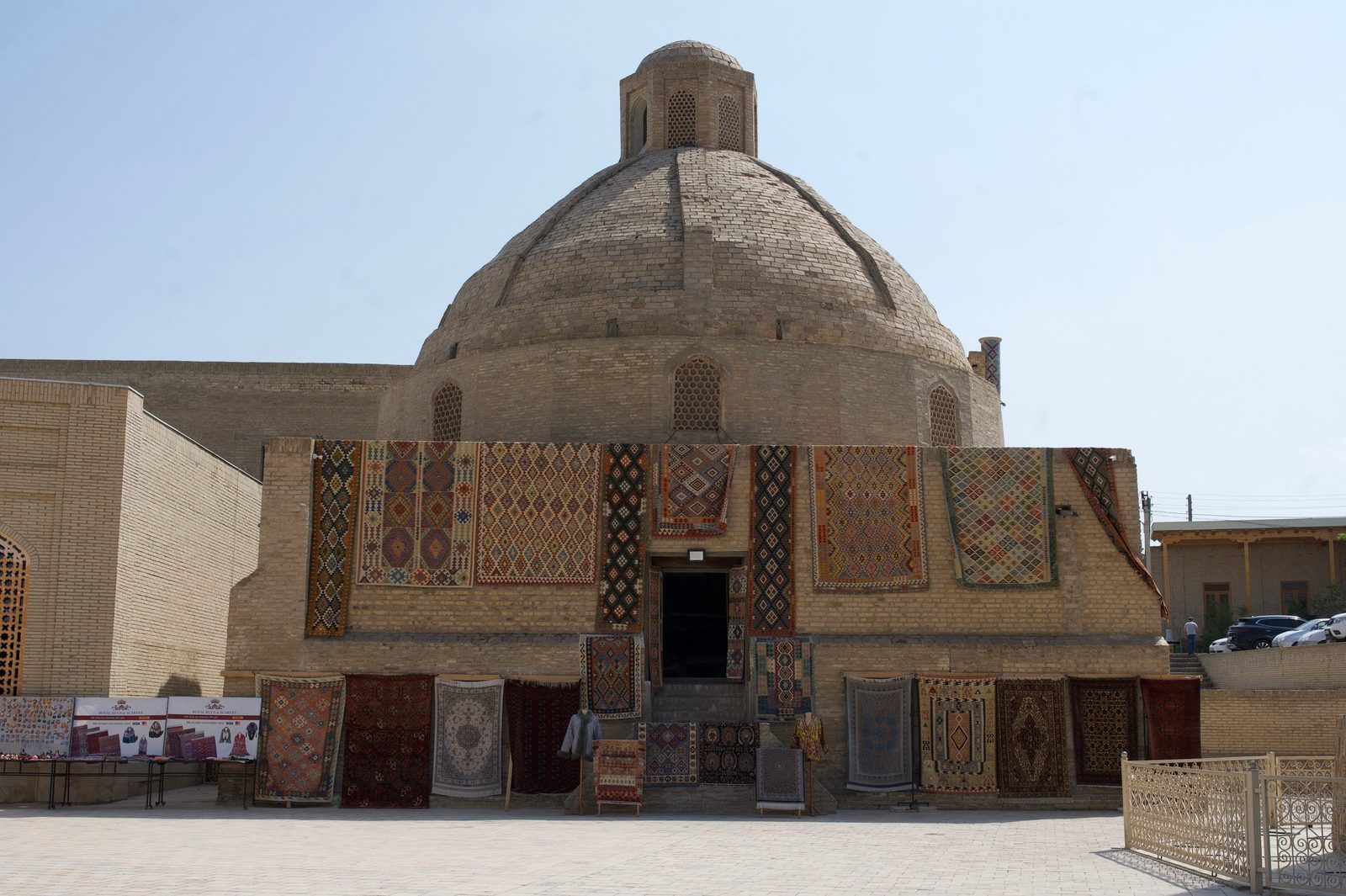
A Central Asian city kept its baths close to trade. Timurid bathhouses of the 14th–16th centuries in Samarkand, a 2025 study shows, were built next to madrasahs, markets and palaces, and the smaller neighbourhood baths before them were already heated from below. In Bukhara the pattern is still visible: the Toki Sarrafon, the money-changers’ dome of 1534–1535, had a bathhouse and a mosque added to its corners in the second half of the 16th century. A merchant could change money, pray and wash in one corner of the bazaar. The square at the other end of the domes is in Lyabi-Hauz and Chor Minor.
How an old hammam works
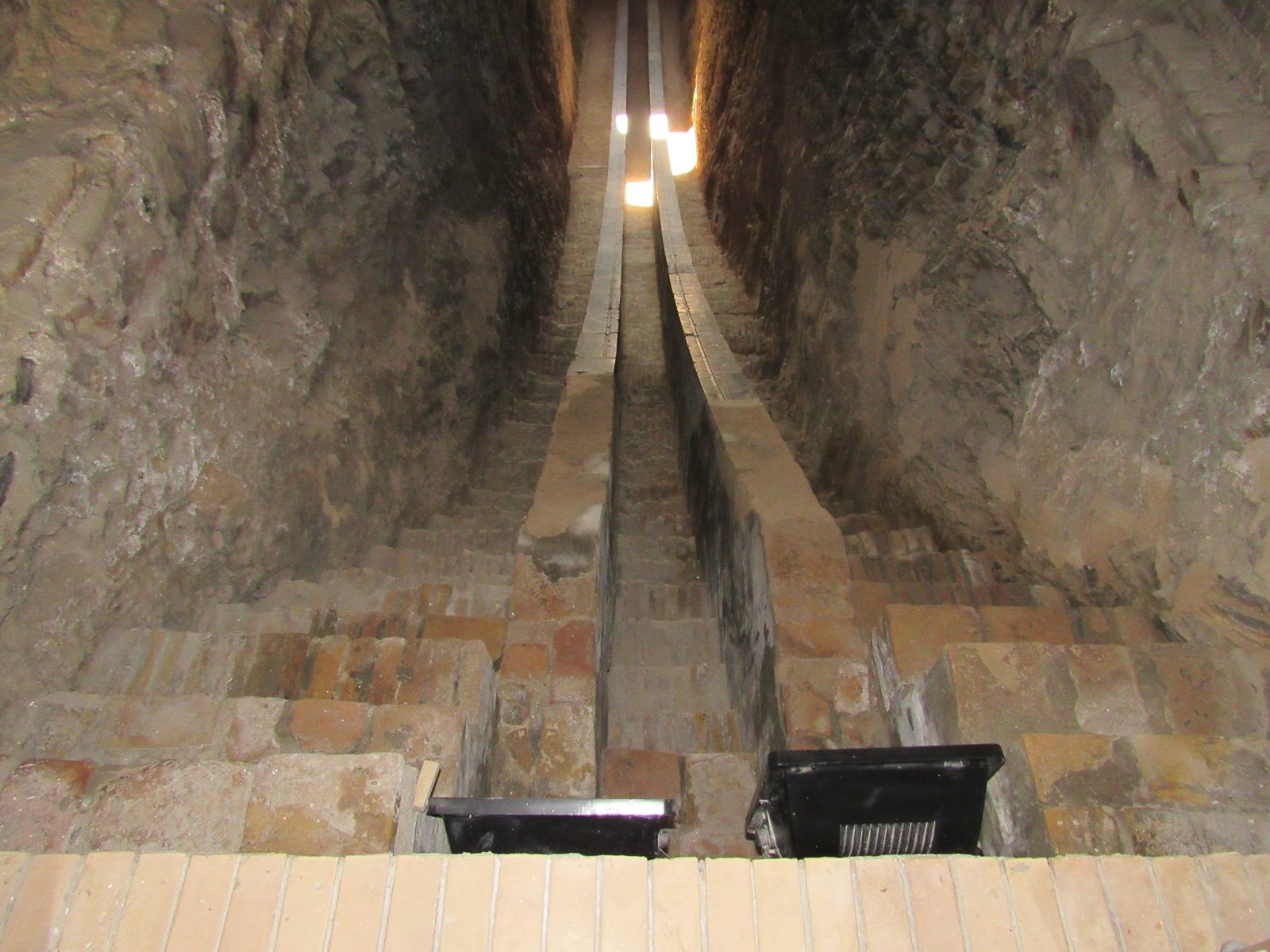
From the street, an old bathhouse is almost invisible. It is half sunk into the ground to keep the heat, and only its low domes show above the roofs. Inside, rooms of rising heat lead from the changing room to the hot hall, and the floor is warmed by hot air and smoke running through channels beneath it, a system the region has used for centuries. The hot hall has a raised stone platform where the massage is done. In Uzbek the bathhouse is the hammom.
Bukhara: Bozori Kord and Kunjak
Only two of Bukhara’s historic bathhouses still work:
- Bozori Kord, under the Toki Telpak Furushon dome, the old hat sellers’ market, is a men’s bathhouse. Women can come at set hours, booked in advance.
- Kunjak, the “corner” bath near the Did you know? Legend: the minaret's foundation was laid with camel milk Legend says master Bako laid the foundations of the Kalyan minaret with ganch plaster mixed with camel milk, then vanished for two years to let them harden, and only then built the tower. Locals still show a grave they say is his. Read more → ensemble, is for women.
A visit follows the old order: time in the steam to warm up, a soap massage on the hot stone, a scrub with a coarse mitt, sometimes a mask, and herbal tea to finish in the cool room. In 2024 local people came in the morning and visitors in the afternoon and evening. Hours and prices change, and the baths are small, so we book a time for you ahead and tell you what is included. The rest of the old town is in Bukhara in 1, 2 or 3 days.
Khiva: the bath of Anusha Khan
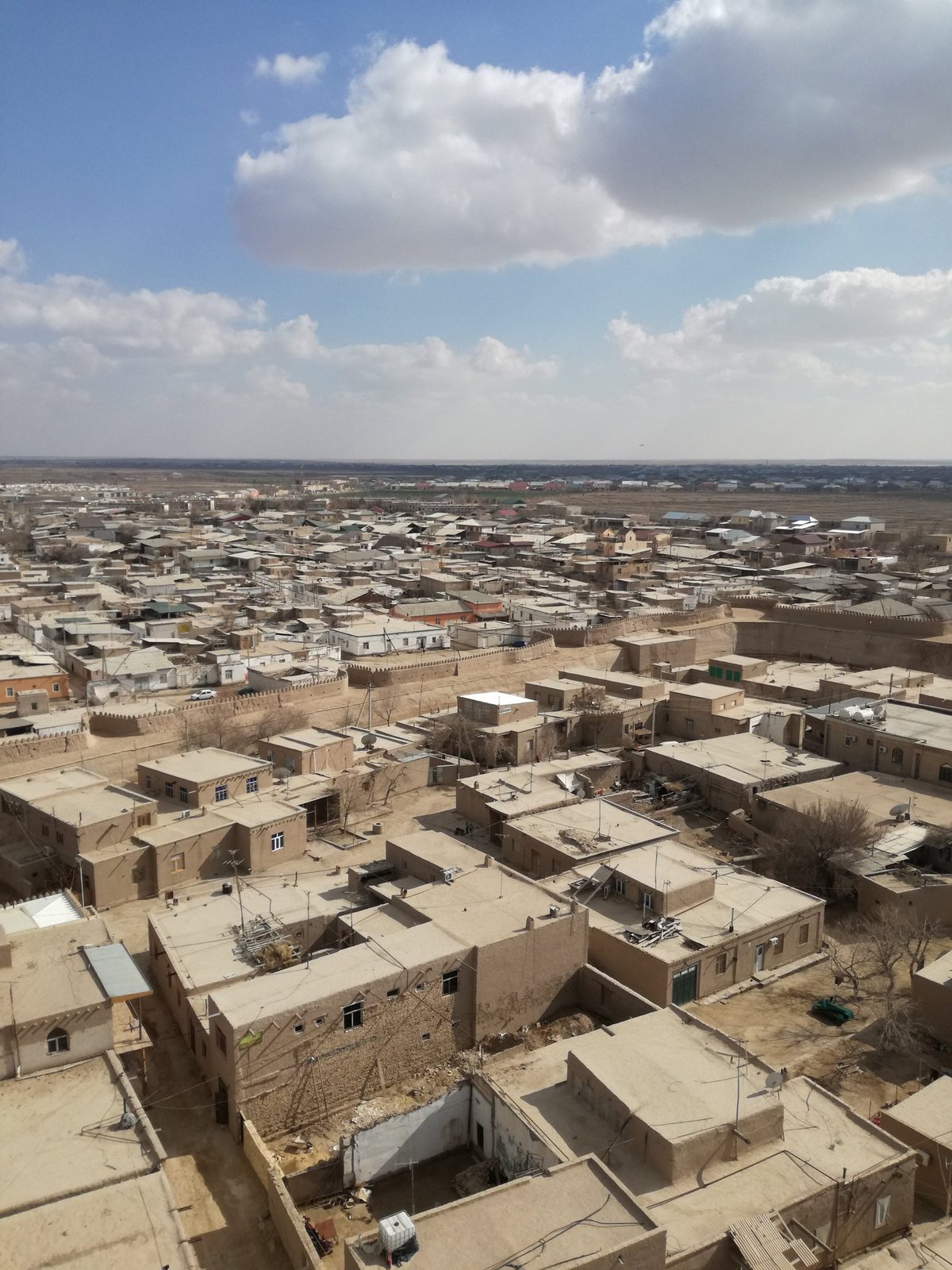
In 1657, after driving back an attack from Bukhara, Abulghazi Khan built a mosque and a bathhouse in Did you know? People still live inside Khiva's museum city Itchan Kala packs more than 50 historic monuments and about 250 old houses inside clay walls 8–10 m high and 5–6 m thick, and families still live and work in its lanes. Read more → in honour of his son Anusha. The bath is the oldest of its kind in Khiva and a classic example of the type: almost entirely underground, with only its domes rising above the street. It is a monument, not a working bath, and we stop by it on a walk through the old town. The walk itself is in Itchan Kala.
Turkestan: a bath museum across the border
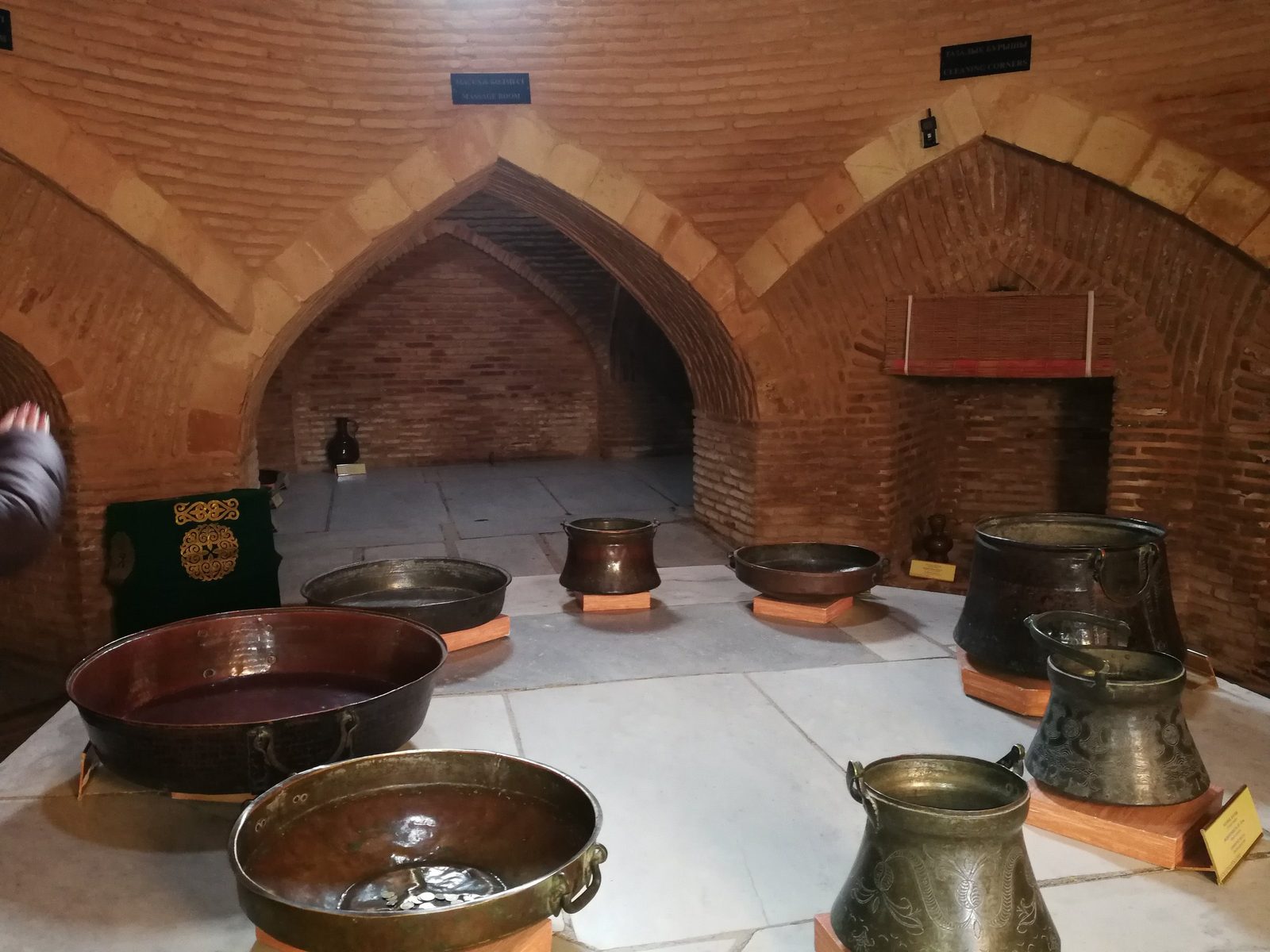
The best place to see how such a bath worked is in Turkestan, in Kazakhstan, a day trip from Tashkent. Its Eastern Bath was built in 1580–1590, 80 m south-west of the Yasawi mausoleum, partly underground, with nine rooms: tanks for hot and cold water, a furnace room and an octagonal washing hall with a marble platform, heated through vents in the floor. Local people still used it in the 1970s; today it is a museum, with copper basins where the bathers left them. How to get there is in Turkestan from Tashkent.
Before you go
- Health: heat and steam are hard on the heart. If you are pregnant or have heart or blood-pressure problems, ask your doctor first.
- No alcohol before the bath; drink water or tea instead.
- Women: book ahead, because the hours for women are limited. Ask for a female masseuse when we book; we will tell you if one is available.
- What to bring: ask what the bath provides, such as a towel, a wrap and slippers; bring a change of clothes.
- Timing: an evening at the bath fits well after a day on foot in the old town.
For other ways to unwind, from mountain spas to yoga in Khiva, see wellness retreats in Uzbekistan.
In short
- Bukhara has two working historic hammams: Bozori Kord (men; women at set hours) and Kunjak (women).
- A visit means steam, a soap massage on hot stone, a scrub and herbal tea; book ahead.
- Old bathhouses are half underground, heated through channels under the floor; only the domes show.
- In Khiva, the bath of Anusha Khan of 1657 is a monument to see on a walk.
- With heart problems or in pregnancy, ask your doctor before the bath.