
Places in this article: Bukhara · Tashkent
Birds and nature reserves of Uzbekistan: where to watch wildlife
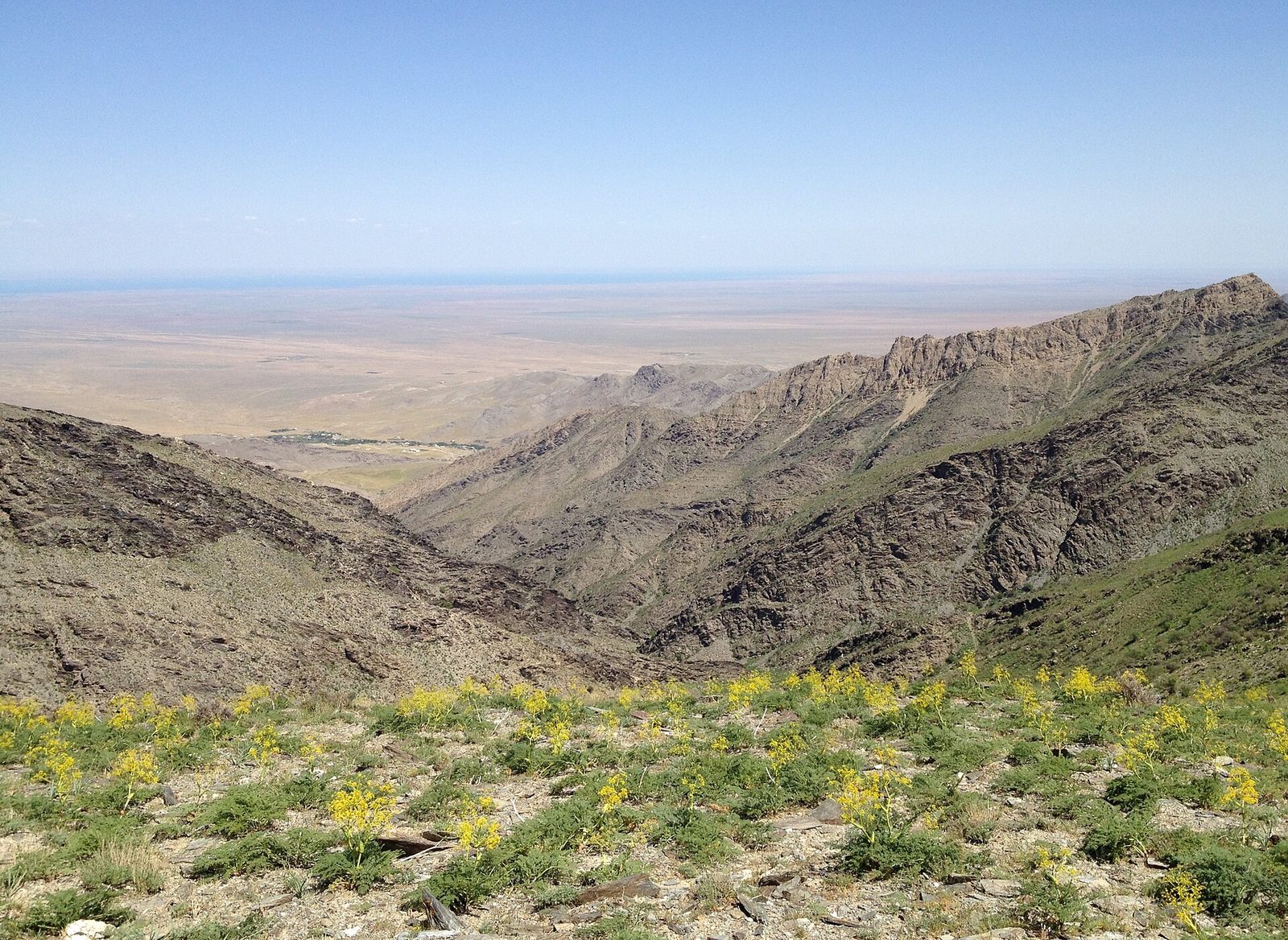
Before 1969 there was no lake at .Did you know? Aydarkul is a wetland of international importance In 2008 the Aydar-Arnasay lake system, about 527,000 ha, became a Ramsar site. It lies where two great bird flyways cross and shelters Dalmatian pelicans and the rare white-headed duck. Read more → That year flood water from the Syr Darya was let out into a desert hollow, and it never left. Today the Aydar-Arnasay lakes are a wetland of international importance, and an aerial count in 2000 found about 192,000 birds there, in the middle of the .The Kyzylkum, or Red Sands: the desert between the Amu Darya and Syr Darya rivers that the road and the railway cross on the way to Khiva.
That is the surprise of birdwatching in Uzbekistan: desert lakes, juniper mountains and riverside forests within a day’s drive of each other. This guide is for travellers who come with binoculars, or want to. It covers the nature reserves of Uzbekistan worth the trip, the seasons of migration, what to bring and the rules, and how we build such a trip.
Aydarkul and the Arnasay lakes: a sea in the desert
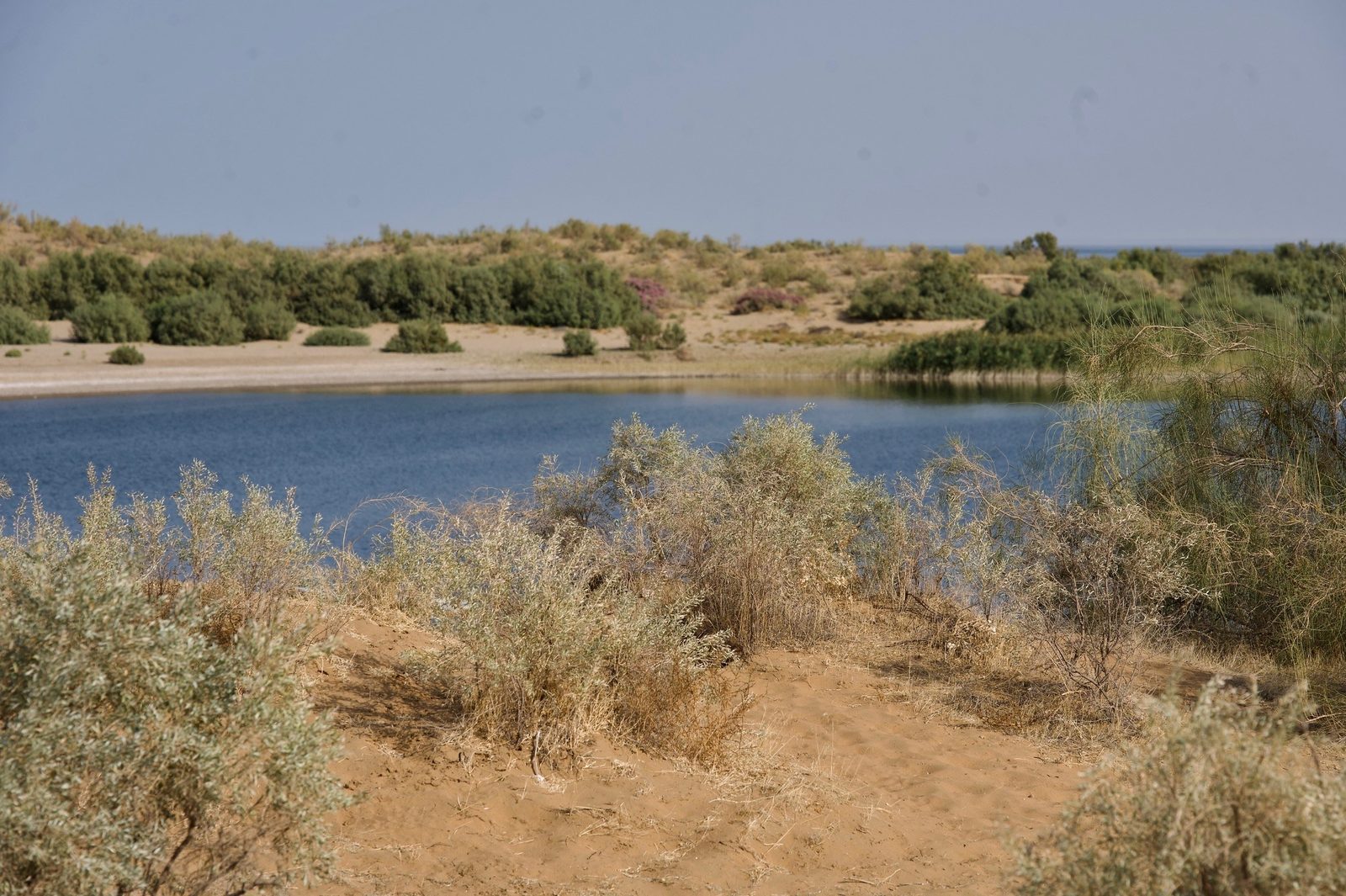
The Aydar-Arnasay lakes system was listed under the Ramsar Convention on 20 October 2008: 527,100 hectares on the crossing of two flyways, the Central Asian and the Afro-Eurasian. More than 100 waterbird species have been noted on the lakes, and about 220 bird species in all. BirdLife International lists the northern shore of Aydarkul as an Important Bird Area.
The most numerous are coots, great white egrets, red-crested pochards, common pochards, mallards, great cormorants and greylag geese. Among the rarer birds recorded here are the Dalmatian pelican, the white-headed duck, the ferruginous duck and Pallas’s fish eagle. The shores are cut by bays, islands and reed beds, so you watch from the bank, in the morning, when the water is calm.
Most guests sleep in a yurt camp in the sands near the lake; how it works is in our guide to Aydarkul and the Nuratau. The Did you know? The Nuratau ridge protects a rare wild sheep The Nurata Nature Reserve was set up on the Nuratau ridge in 1975 to protect wild walnut groves and Severtsov's argali, an endemic wild sheep on the Red List. Golden eagles and bearded vultures are protected here too. Read more → ridge rises just to the south, and its reserve protects about 1,700–1,800 Kyzylkum argali, a wild mountain sheep: more in our Nurata guide. For two days of walking between the villages of the ridge, see our tour of the Nuratau Mountains.
Zaamin: bearded vultures over the juniper
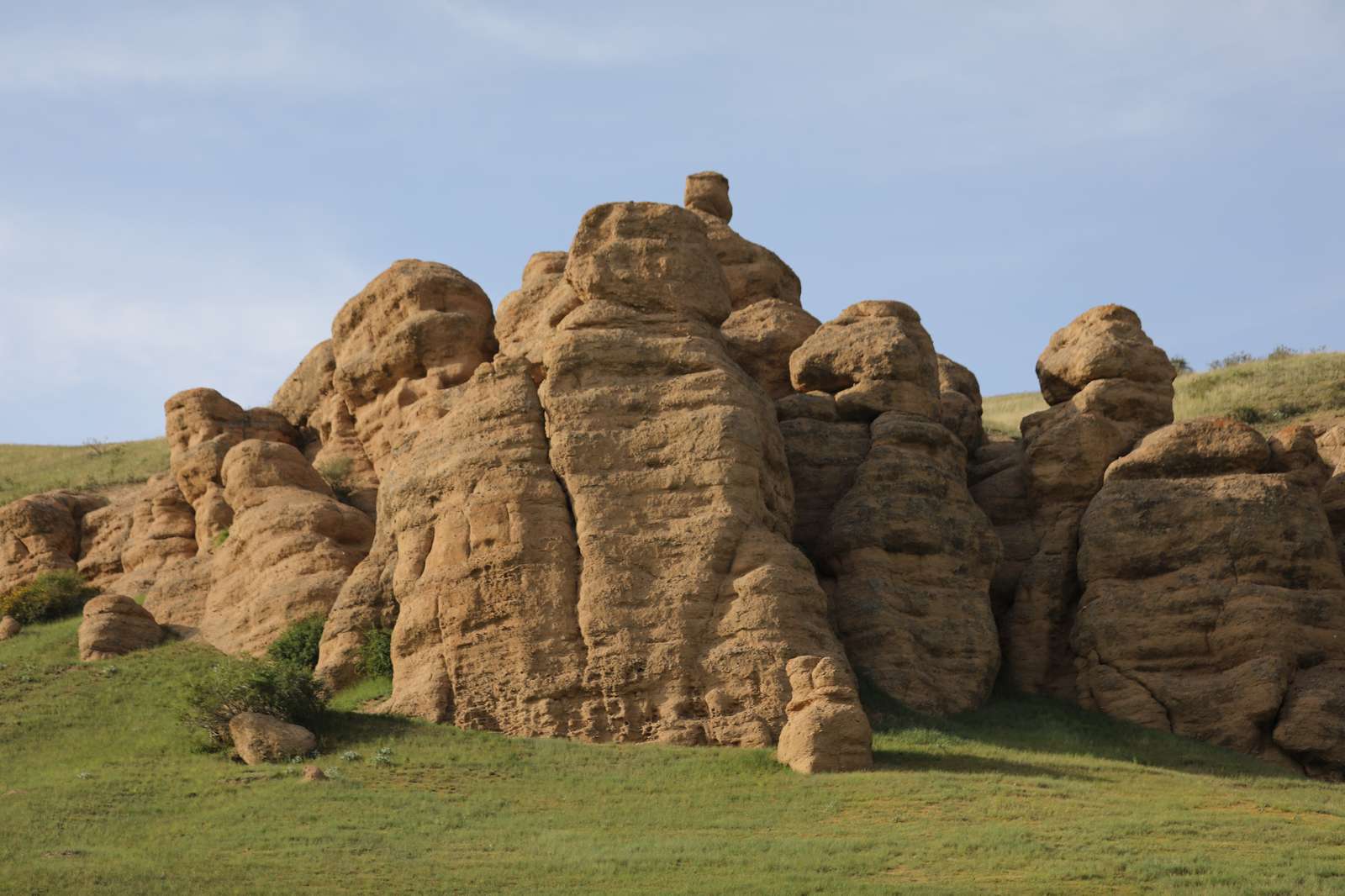
,Did you know? Zaamin guards Uzbekistan’s oldest nature reserve The mountains of Zaamin, the “Uzbek Switzerland”, were first protected in 1926 as the Guralash reserve, the oldest in the country, to save their juniper forests. The national park around it followed in 1976. Read more → on the northern slope of the Turkestan Range, holds the oldest nature reserve in the country, founded in 1926 as Guralash, and a national park beside it. Bearded vultures live in the Did you know? Bearded vultures live in Zaamin’s Chortangi gorge Bearded vultures, among the largest birds of prey in the mountains, live in the Chortangi gorge of Zaamin National Park. Researchers have recorded 150 bird and 40 mammal species in Zaamin; the black stork nests here, and the Turkestan lynx has been seen. Read more → gorge, and the park is an important nesting place for the black stork. On the rocks above the juniper belts you may also see Siberian ibex.
The park is open to visitors, with walking routes of 5–13 km and a cable car that lifts you to 2,491 m, a good start for a morning with binoculars. Everything about the park is in our Zaamin guide, and our Samarkand, Zaamin and Tashkent nature tour takes you into the park by 4×4.
Chatkal and Ugam-Chatkal: the Western Tien Shan near Tashkent
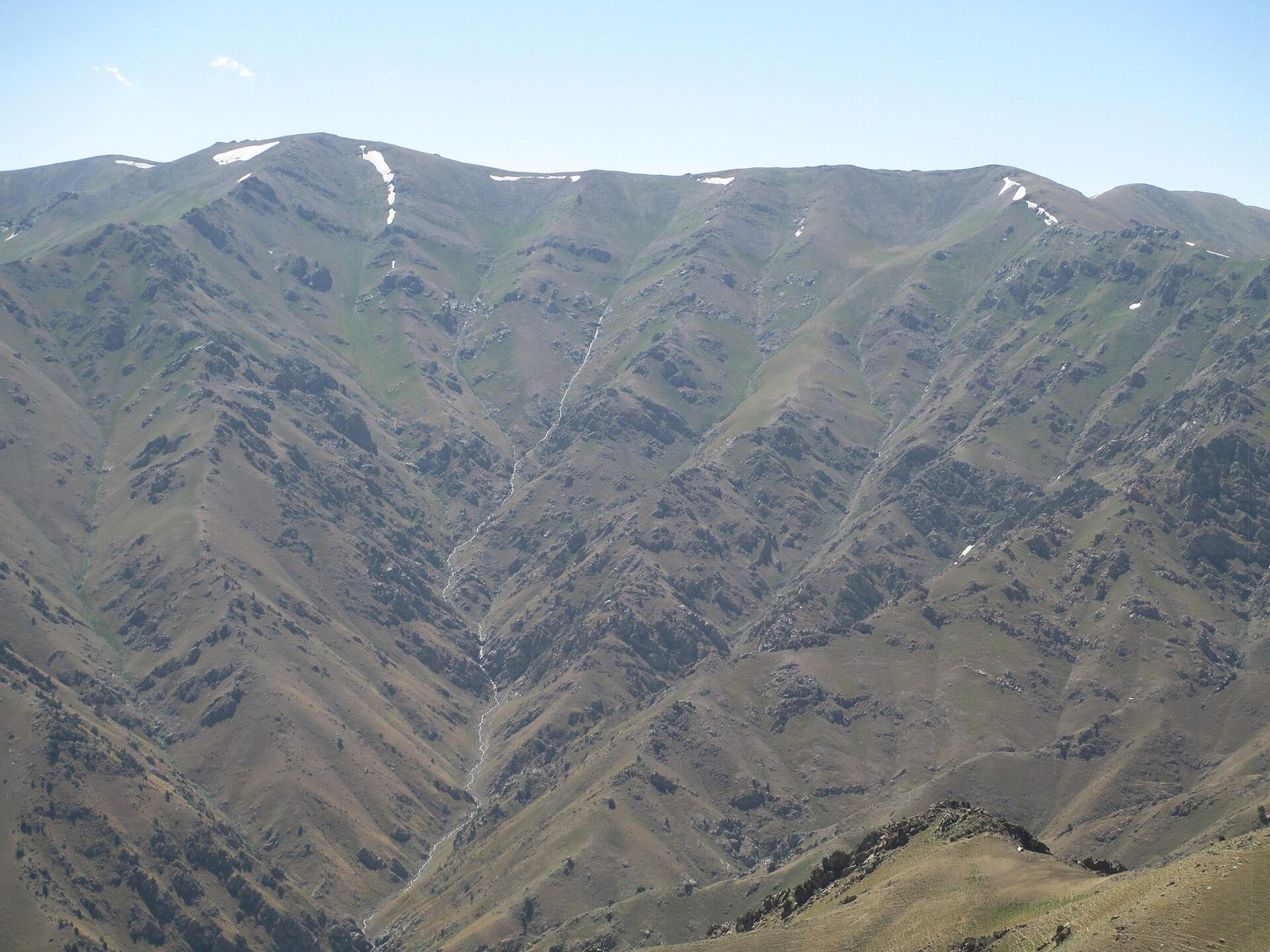
The mountains begin just beyond Tashkent. The Did you know? Snow leopards live in a reserve near Tashkent The Chatkal Biosphere Reserve, founded in 1947, spans 1,500–3,900 m on the Chatkal Range. It protects 770 plant species and rare animals including the snow leopard and Menzbier's marmot. Read more → was founded in 1947 and joined the UNESCO network of biosphere reserves in 1978. Its two sections, Maidantal and Bashkizilsay, are part of the ,Did you know? Wild walnut and apple forests, now World Heritage Since 2016 the Western Tien Shan, shared by Uzbekistan, Kazakhstan and Kyrgyzstan, has been a UNESCO World Heritage Site. Its lower slopes hold wild walnut and apple forests and the wild relatives of apricot, pear and cherry. Read more → a World Heritage site shared with Kazakhstan and Kyrgyzstan since 2016. Brown bears, Menzbier’s Did you know? A marmot found almost nowhere else on Earth Menzbier's marmot, the smallest marmot of the Palearctic, has the smallest range of its kind, in the Western Tien Shan at 2,000–3,600 m. It sleeps through winter from August or September until spring. Read more → and the eagle-owl live here.
The strict reserve is closed to casual walkers, but the Ugam-Chatkal National Park around it, set up in 1992 and covering 668,350 hectares, is where Tashkent goes hiking: ,Mountains of the Western Tien Shan about 80 km from Tashkent: hiking in summer, skiing in winter, the Charvak reservoir nearby. Read more → Beldersay and the Pskem valley. Routes are in our hiking guide and the mountains around Chimgan. For a single day we organise a mountain hike with a guide and a picnic.
Around Bukhara: gazelles, kulans and the tugai
About 42 km south-east of Bukhara lies the Jeyran ecocentre, set up in 1977 to breed rare animals. In its fenced part of about 5,145 hectares live goitered gazelles, kulans and Przewalski’s horses; in 2004 there were 899 gazelles. About 257 bird species have been recorded around its salt lakes and desert plains, and the houbara bustard and the marbled teal breed here.
A visit is booked in advance; part of it is on foot along the lakes and part by car inside the centre. The animals are most active early in the morning and before sunset, so we plan the trip for those hours. It fits easily into a stay: see day trips around Bukhara.
Further north, the Kyzylkum State Reserve on the Amu Darya, founded on 23 June 1971, covers 10,311 hectares, 3,177 of them tugai, the thick riverside forest of the desert. It is home to the Bukhara deer, a Red Book subspecies, and 266 bird species have been recorded there. This is a strict reserve: entry only with a permit.
Karakalpakstan: Sudochie and the Amu Darya delta
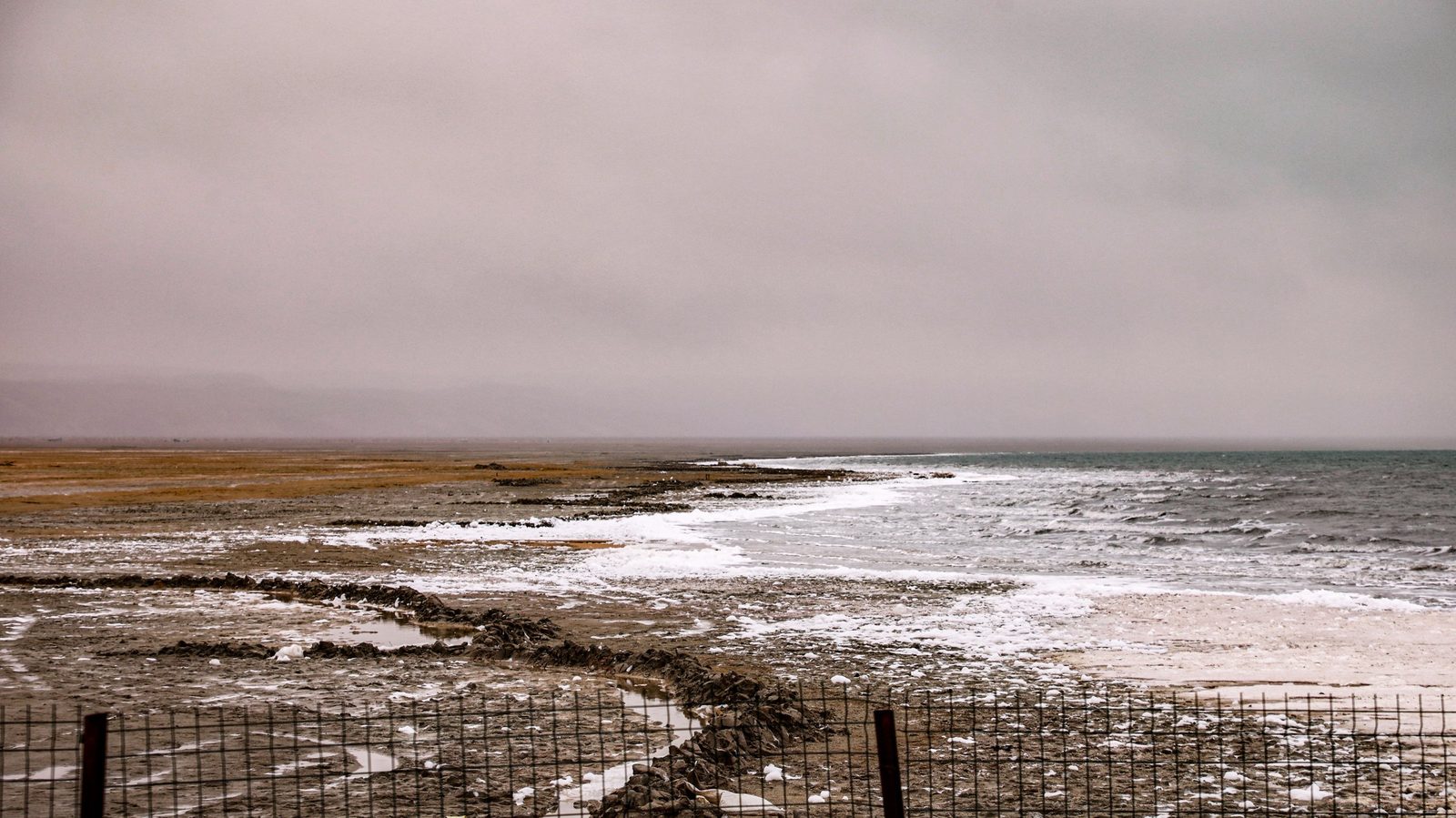
Sudochie, in the Did you know? A music festival is held among Muynak's old fishing boats Since 2018 the Stihia festival of electronic music, art and science has gathered in Muynak, once a port on the Aral Sea, right beside the ships left on the sand. It ends by burning a 10-metre installation of the word SEA. Read more → district about 220 km from Nukus, is one of the best preserved corners of the Amu Darya delta: a chain of lakes ringed by reeds. It is an Important Bird Area and, since 30 May 2022, a Ramsar site. In three years of monitoring 230 bird species were recorded, about 117 of them breeding. The white-headed duck, listed as Endangered by IUCN, bred here for the first time in Uzbekistan, and on the cliffs of the nearby Did you know? Giant stone “arrows” on the Ustyurt plateau were hunting traps Along the Ustyurt cliffs run low stone walls called arans, laid out as arrows, triangles and even stars. Saiga and gazelles run along a wall rather than over it, so hunters steered herds into pens. They were used from the Bronze Age on. Read more → nest golden eagles and saker falcons.
Upstream, the Lower Amudarya State Biosphere Reserve, a UNESCO biosphere reserve since 2021, protects 68,717.8 hectares of tugai, about 74% of all the tugai left in Uzbekistan, with the Bukhara deer brought back there.
Our routes to the Aral pass Sudochie on the way to the shore: see the Aral Sea trip and our Karakalpakstan guide. The Karakalpakstan and Khorezm fortresses tour adds desert castles to the same region.
Surkhandarya: the Surkhan reserve
In the far south, the Surkhan State Reserve was created on 8 September 1986 in the Sherobod district. About 200 animal species live there, almost 30 of them in the Red Book of Uzbekistan. Among its birds are the cinereous vulture, the golden eagle, the imperial eagle, the see-see partridge, the chukar and the white-winged woodpecker. In July 2026 ten goitered gazelles were recorded in the reserve for the first time since it was founded: they had come on their own from Turkmenistan.
It is a strict reserve, so a visit needs a permit, and it is a long way from the classic route. It suits travellers who combine it with Termez and the mountains of Baysun.
When to go, what to bring and the rules
Seasons. Spring migration is the busiest time: on Sudochie it runs from mid-March to mid-May. In autumn the birds go back south, and many waterbirds stay on Aydarkul for the winter. Spring adds Did you know? The tulip's family tree is said to begin in the Tien Shan Long before Ottoman gardens and Dutch bulb fields, wild tulips grew in Central Asia's mountains, and the Tien Shan is often named as their homeland. In April they flower on the slopes around Chimgan. Read more → on the mountain slopes; see Uzbekistan in spring and Uzbekistan in autumn. In July and August the desert lakes are hot by mid-morning, so mountains such as Zaamin and Chatkal suit summer better.
What to bring. Binoculars first of all; a telescope if you have one, as lake birds keep their distance. Also a hat, sunscreen and layers for cold mornings by the water. Bottled water is sold everywhere and we keep it in the car. Our full list is in what to pack for Uzbekistan.
Rules. In a state reserve any activity is forbidden, and you may enter only with a permit; we arrange it in advance where visits are possible. National parks such as Zaamin and Ugam-Chatkal are open to visitors. Everywhere, keep your distance from nests and colonies, do not play bird calls, stay on the paths and leave the drone in the bag near birds. Wildlife keeps its own timetable, so we never promise a particular species: we take you to the right place at the right hour.
How we organise a nature trip
We do not run a fixed birdwatching tour. We build one for you: Aydarkul with a night in the yurt camp, a morning in Zaamin, the Jeyran centre near Bukhara or Sudochie on the way to the Aral, in the order your dates allow. If you want an ornithologist as your guide, tell us when you write and we will check who is available for your dates.
Walkers can start from our hiking tour of Chimgan, Nuratau and Samarkand, which already includes a night by Aydarkul. On our tours a guide in your language is included in the price, and our office is on call 24/7 while you travel. To compare routes, start with the tour finder.
In short
- Aydarkul and the Arnasay lakes: a Ramsar wetland of 527,100 hectares, more than 100 waterbird species.
- Zaamin: bearded vultures in the Chortangi gorge and black storks nesting in the park.
- Chatkal: a UNESCO biosphere reserve since 1978, part of the Western Tien Shan World Heritage site.
- Near Bukhara: gazelles, kulans and Przewalski’s horses at the Jeyran ecocentre; Sudochie in Karakalpakstan has 230 recorded bird species.
- Go in spring or autumn, bring binoculars, and enter strict reserves only with a permit.
© Photos
- Aydarkul lake seen from the Nuratau ridge — Carpodacus / Wikimedia Commons · CC BY-SA 4.0
- The Chatkal ridge of the Western Tien Shan, Tashkent region — German Stimban / Wikimedia Commons · CC BY-SA 3.0