Places in this article: Samarkand · Tashkent
Zaamin: a national park in the Turkestan Range
Walk up through Did you know? Zaamin guards Uzbekistan’s oldest nature reserve The mountains of Zaamin, the “Uzbek Switzerland”, were first protected in 1926 as the Guralash reserve, the oldest in the country, to save their juniper forests. The national park around it followed in 1976. Read more → and you pass three kinds of juniper, one above the other: Zeravshan juniper up to about 2,300 m, semi-globular juniper above it, and Turkestan juniper from 2,500 m to 3,300 m. Each species keeps to its own belt of the mountain, and you can see the change from the trail.
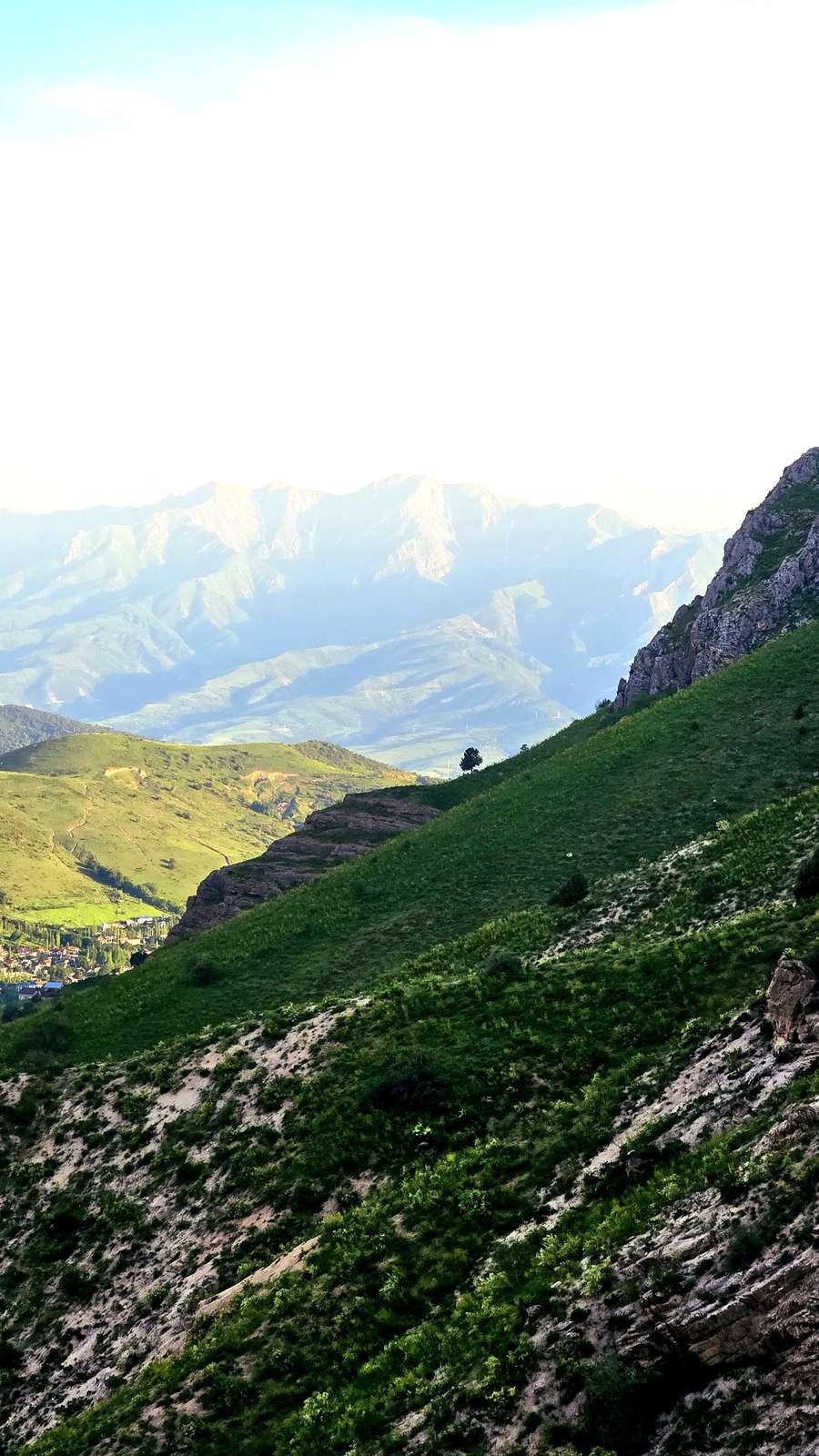
Zaamin lies on the northern slope of the Turkestan Range in Jizzakh region, on the border with Tajikistan, and it is where people from Tashkent and Samarkand go for cool air in summer. Our hiking guide gives it one section among the country's walking regions. Here is the full picture: what the park is, things to do in Zaamin, where to stay and how to fit it into a trip.
What Zaamin is: a reserve from 1926, a park from 1976
Two protected areas share these mountains. The older one began in 1926 as the Guralash reserve, the first nature reserve in Uzbekistan. Today it is the Zaamin State Reserve, a strictly protected area of high juniper forest. The national park next to it opened on 8 September 1976 to protect the juniper woods and to let people enjoy them, and this is the part you visit.
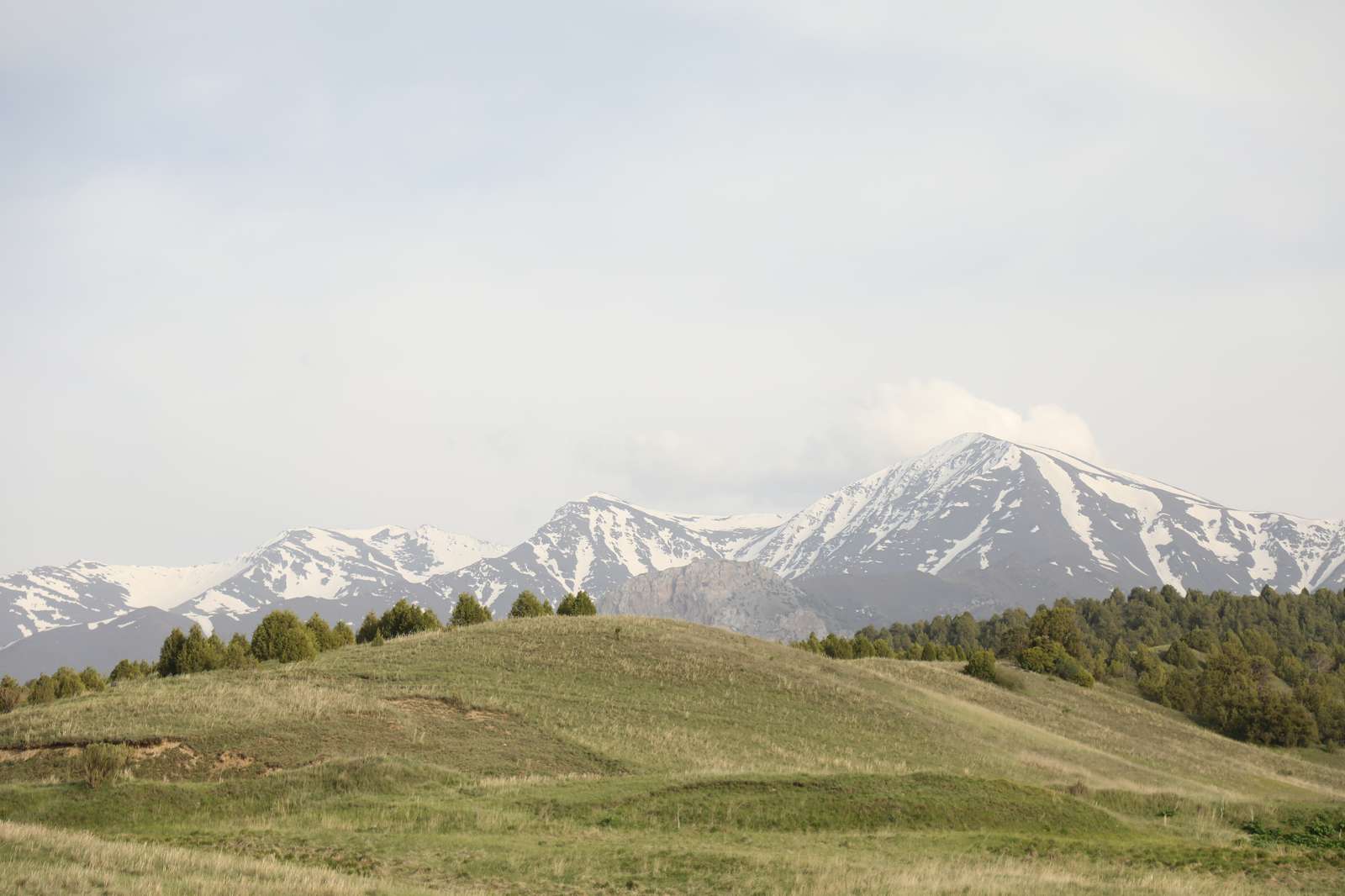
The park covers 23,429 hectares in the Zaamin and Bakhmal districts, from 1,000 m up to 4,033 m at the summit of Shaukartau. Its streams are fed by snowmelt from the Turkestan Range and all run into the Zaaminsu river. More than 1,200 wild plant species grow here, over a hundred of them with medicinal uses.
Zaamin also hosts big events. In June 2024 it welcomed the second International Maqom Art Forum, with more than 400 participants from about 80 countries. More on maqom, and where to hear it, is in our guide to the music of Uzbekistan.
Juniper forests and the animals that live in them
Juniper, called archa here, is the tree of Zaamin. The reserve was created to protect it, and its juniper woods are among the best preserved in the country. In the lower belt you walk among Zeravshan juniper, from 1,700 to 2,300 m; then comes semi-globular juniper, up to 2,500 m; and Turkestan juniper climbs on to 3,300 m.
Between the junipers there are meadows and groves of walnut, hazel and birch. In spring red Did you know? The tulip's family tree is said to begin in the Tian Shan Long before Ottoman gardens and Dutch bulb fields, wild tulips grew in Central Asia's mountains, and the Tian Shan is often named as their homeland. In April they flower on the slopes around Chimgan. Read more → come out on the slopes. In autumn the hazel and birch leaves turn gold, and that is our favourite time for photographs.
The animals keep their distance, but they are here: Siberian ibex on the rocks, wild boar, wolves and the Turkestan lynx. Bearded vultures live in the Chortangi gorge, and the park is an important nesting place for the black stork. Several species are in the Red Book of Uzbekistan. Bring binoculars and go out early in the morning.
Things to do in Zaamin
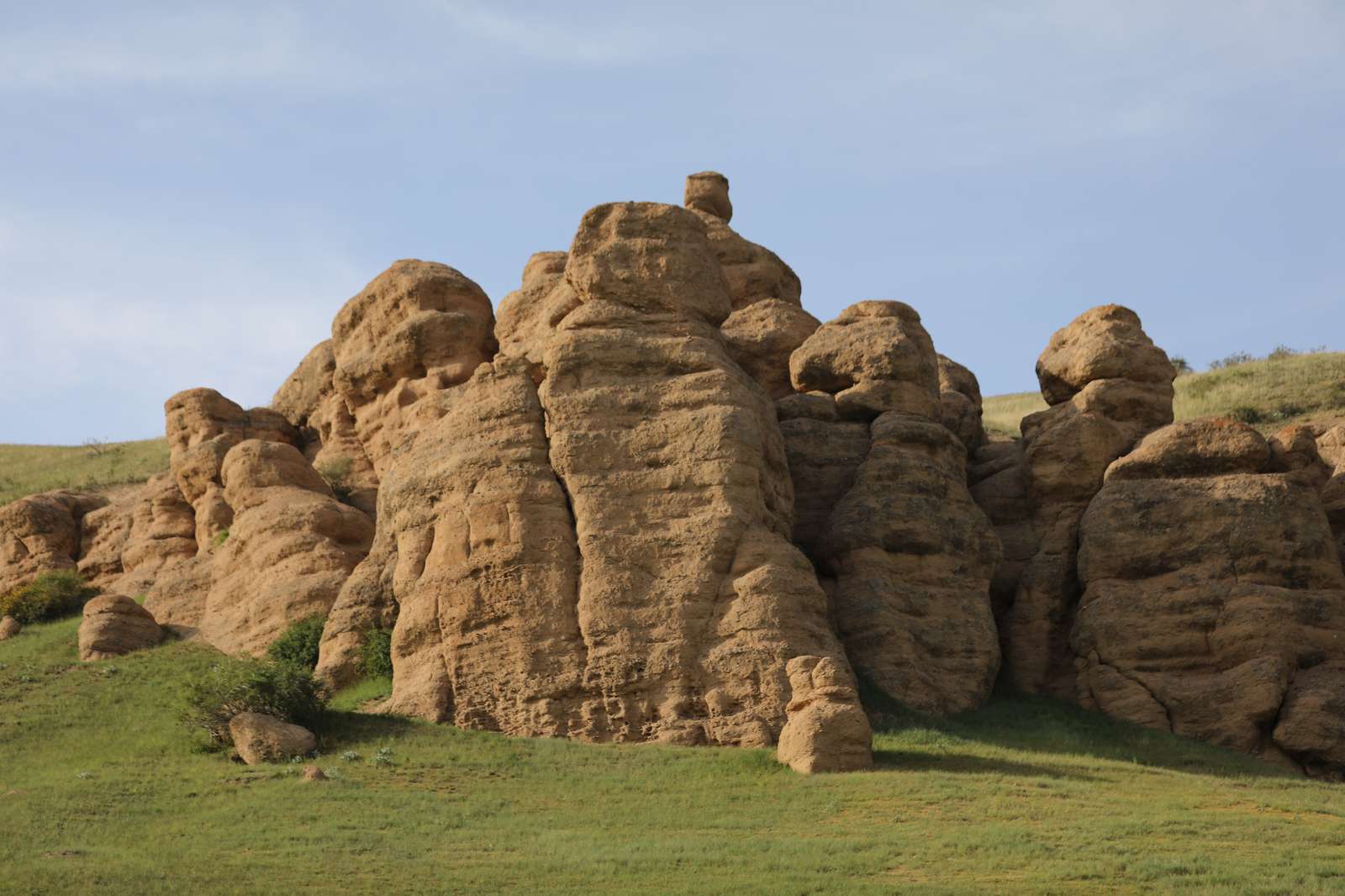
Walk. The park names its own landmarks: Boboyongok, the old walnut tree; the Sherbulak spring; a juniper said to be a thousand years old; the Uriklisoy valley and a waterfall. Walking routes run 5–13 km one way, on forest paths and through meadows, and make a moderate day hike. Longer trips camp in tents.
Ride up. A cable car opened in August 2023 and lifts you from 1,961 m to 2,491 m in a single ride, so you can start high and walk down. Its numbers are in our article on cable cars in Uzbekistan.
Look down. A glass bridge hangs 150 m above the Chortangi canyon.
Slow down. Many people come simply for the air, the shade and a long lunch by a stream. A local market sells mountain cheese and herbs.
Stone Age camps and rock art
People came to these valleys long before the sanatoriums. In September 2026 archaeologists recorded new Stone Age sites in Zaamin district: a Palaeolithic site east of the village of Achchi, a Neolithic one near Peshagor and more Neolithic finds near Arja. In the neighbouring district, by the village of Ravot, about 30 Did you know? Mountain goats carved on rocks thousands of years ago Near the village of Khodjikent, about 70 km from Tashkent, more than 90 petroglyphs line the rocks above the Chirchik River, mostly mountain goats. The finest date from the 4th–3rd millennia BC. Read more → on seven slate surfaces show a hunter drawing a bow, a mountain goat, cattle and a dog. They are dated, for now, from the Bronze Age to the early Middle Ages.
These are research sites, not open-air museums, so there is nothing to visit yet. The details are in our news story about the finds. If rock art is what draws you, the Did you know? One gorge near Navoi holds some 10,000 rock carvings Sarmysh gorge in the Karatau hills has about 10,000 petroglyphs: the oldest show wild bulls, later ones argali, riders and even Arabic script. It is on Uzbekistan’s UNESCO Tentative List, valued for both its rock art and its nature. Read more → gorge near Navoi has about 10,000 carvings: see our Sarmysh guide.
Sanatoriums and where to stay
The Zaamin sanatorium stands inside the park. Its large, futuristic building went up in the 1970s and now also holds the visitor centre and rooms for guests; climbers heading for Shaukartau use it as a base. Other health resorts run by different organisations are in the park too, along with hotels and guesthouses inside it and in the villages around.
So the choice runs from resort hotels to family guesthouses. We book to suit your plan: close to the cable car if you want an early start, a village guesthouse if you want quiet. Zaamin is a popular family holiday place, so in summer book early.
How to get to Zaamin
- From Tashkent: by train on the Samarkand line to Jizzakh or Dashtabad, then by car: 110 km from Jizzakh, 70 km from Dashtabad station. Or by car all the way, a drive of a few hours. How trains and tickets work: trains in Uzbekistan.
- From Samarkand: by road through Jizzakh, several hours on the way. Our group tour makes this drive by 4×4, with stops and lunch on the way, and reaches the park in the afternoon.
- Opening hours: in summer 12:00–20:00 on weekdays and 09:00–21:00 at weekends and on holidays; in winter until 17:00.
Zaamin is not part of our standard individual tours, but we can include it in a private trip between Tashkent and Samarkand, with a car, a guide and a night in the mountains. Tell us your dates and interests in the tour finder. For groups of 10 to 25 people we have a ready four-day nature tour to Samarkand, Zaamin and Tashkent: by 4×4 from Samarkand, the glass bridge, the cable car and a guided hike, then the Uzbekistan's high-speed train: Tashkent to Samarkand in about 2 hours 10 minutes, Tashkent to Bukhara in about 4 hours. Tickets are tied to your passport. Read more → train to Tashkent. Only one free day in Tashkent? Our one-day mountain hike with a guide and a picnic goes into the mountains near the capital; more ideas are in the mountains of Uzbekistan.
When to go and how long to stay
The park is open all year. For walking we choose late spring to early autumn. High in the reserve the average July temperature is only about 15 °C, and in January about −12 °C, so even in August bring a warm layer for the evening. In winter the upper slopes are under snow.
Give Zaamin at least one night: arrive in the afternoon, walk the next morning, ride the cable car and leave after lunch. With two nights you can take a full-day hike.
In short
- Zaamin has the oldest nature reserve in Uzbekistan, founded in 1926, and a national park opened in 1976 for visitors.
- Three species of juniper grow in belts from 1,700 to 3,300 m; autumn turns the hazel and birch gold.
- Walks of 5–13 km, a cable car from 1,961 to 2,491 m and a glass bridge over the Chortangi canyon.
- The sanatorium, other resorts, hotels and guesthouses are inside the park and in the villages around.
- Go from late spring to early autumn, stay at least one night, and pack a warm layer.