
Places in this article: Samarkand
Legends of Samarkand: 11 stories and where to hear them
Ask anyone in Samarkand why the bread here tastes better, and you will hear about a khan of Bukhara and a baker who could not take the air with him. Ask about the gate of ,Did you know? Legend says the architect asked the queen for a kiss Legend says the architect of Bibi-Khanym would finish on time only for a kiss from Timur's wife, and Timur punished him. In fact the mosque was Timur's own project; his wife Saray Mulk Khanum built her madrasah across the road. Read more → and the story turns to a kiss. This city explains itself in legends, and its people tell them with a straight face and a smile.
We are a Tashkent company, and our guides have told these stories in Samarkand for twenty years. Here are eleven of the best, each marked clearly as a legend, with what is actually known and the place where you can stand while you hear it. For the full history of each monument, follow the links to our longer guides.
The Living King of Shah-i-Zinda
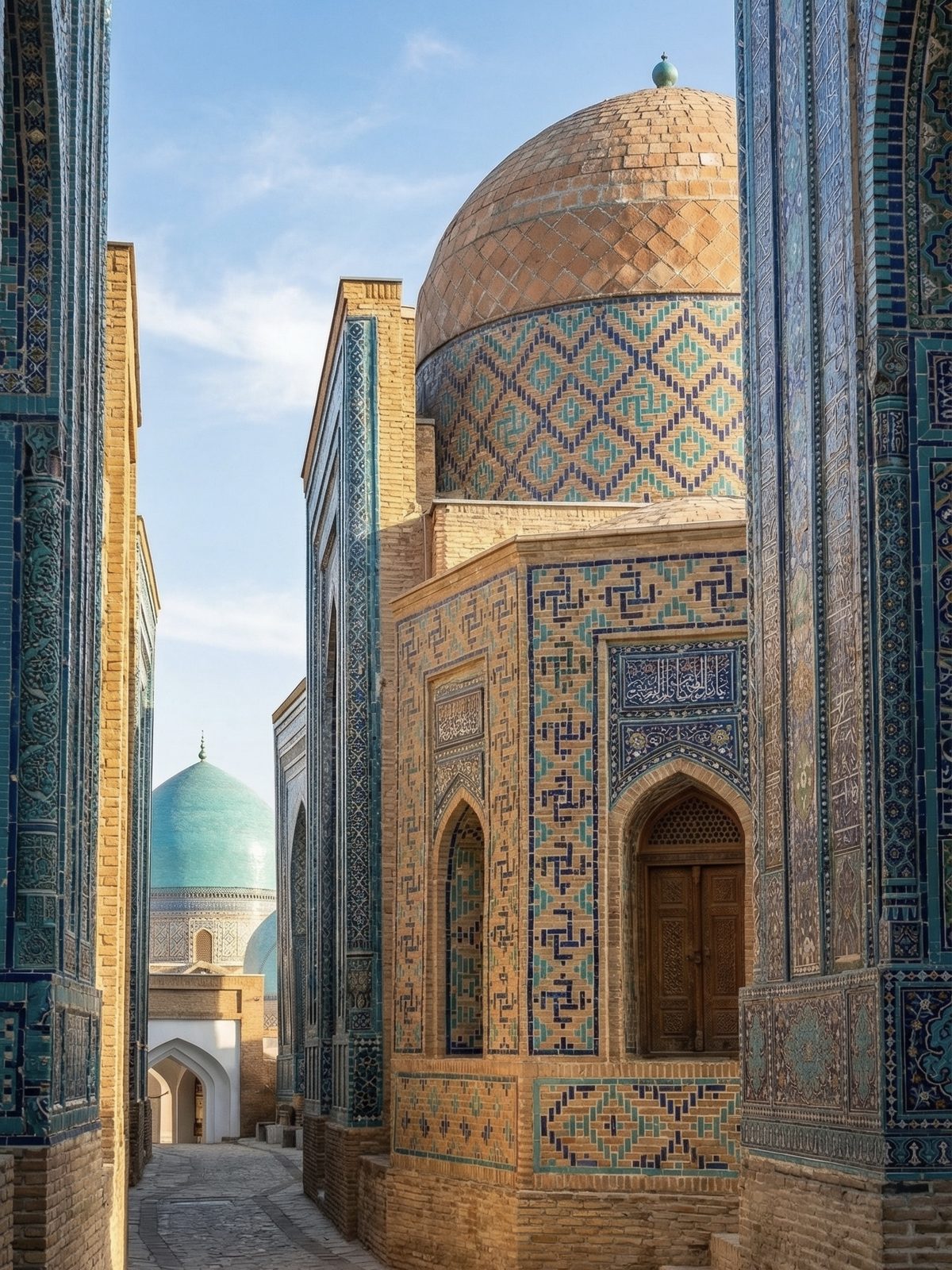
The legend. Kusam ibn Abbas came to Samarkand to preach. When enemies attacked during Friday prayers, he did not die: he walked into a deep well beneath the hill, or was led into passages under it by Khizr, the wandering immortal of Islamic tradition. He is still there, alive. That is why the place is called ,Did you know? Why Shah-i-Zinda means 'the Living King' The necropolis grew around the shrine of Qutham ibn Abbas, a cousin of the Prophet Muhammad. Legend says he did not die in battle but went down a deep well to a garden of paradise, where he lives on. Read more → “the Living King”.
What is known. Kusam was a cousin of the Prophet Muhammad. He joined the Arab campaign beyond the Amu Darya in 676 and died in Samarkand around 677. By the 11th century a mausoleum stood over the grave believed to be his, and Amir Timur (Tamerlane, 1336–1405), founder of the Timurid empire, which had its capital in Samarkand. Born near Shahrisabz.’s family later built a whole street of tombs around it. Tradition adds a smaller legend: count the steps of the staircase going up and coming down, and if the numbers match, your sins are forgiven.
Where to see it. The shrine of Kusam is at the top of the lane, behind a carved wooden screen. It is a working place of prayer, so walk quietly. More in our Shah-i-Zinda guide.
Bibi-Khanym and the architect’s kiss
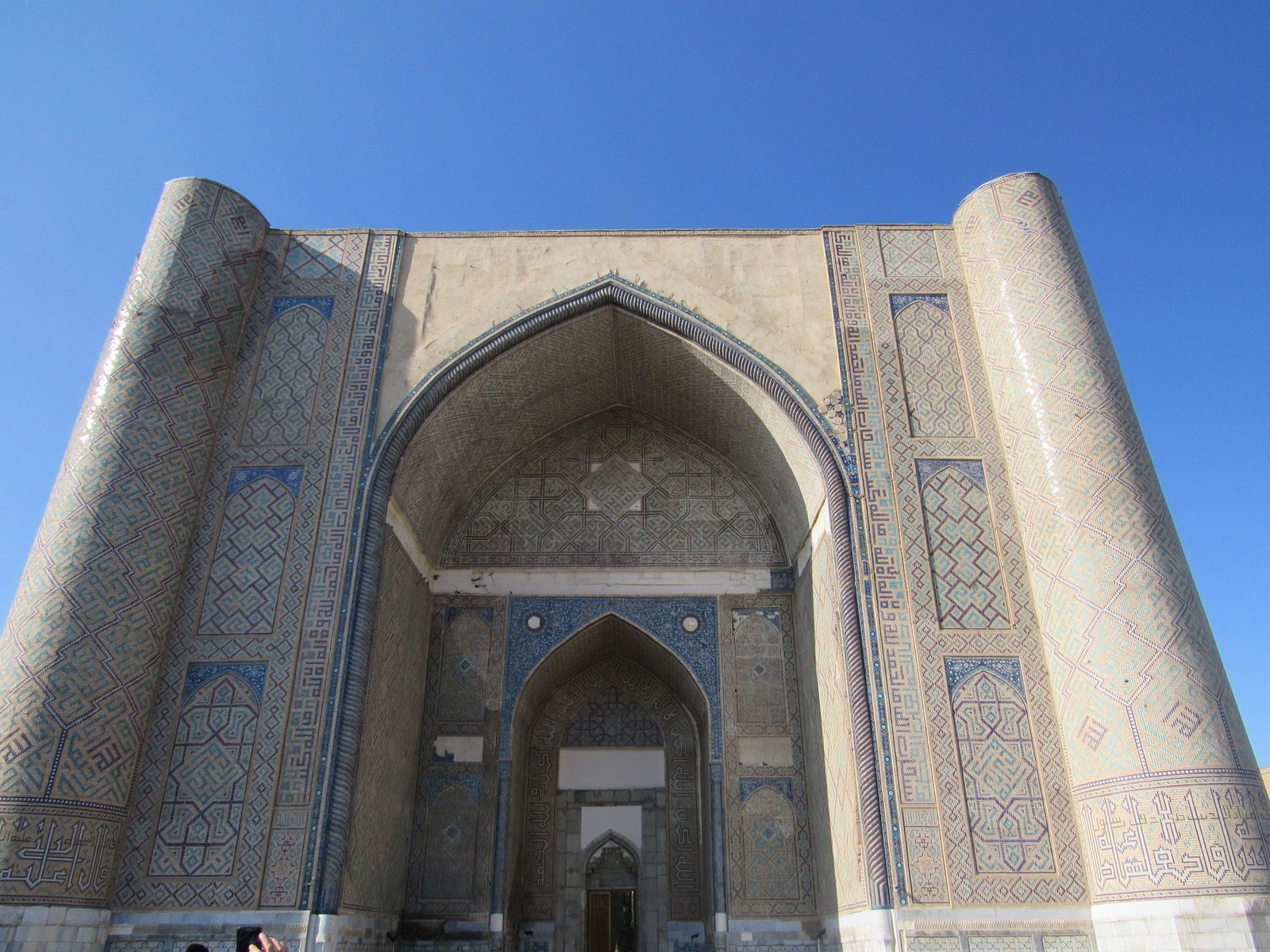
The legend. While Timur was away at war, his wife built him a mosque as a surprise. The young architect fell in love with her and slowed the work, then named his price for finishing on time: one kiss. She sent him painted eggs: different colours, she said, but they all taste the same, and so do women. He answered with two cups, one of water and one of wine. They look alike, he said, but only one sets you on fire. She agreed to the kiss, and it left a mark on her cheek that Timur noticed the moment he came home. How the story ends depends on who tells it.
What is known. The mosque was Timur’s own project, begun in 1399 after his Indian campaign. Saray Mulk Khanum, the wife known as Bibi-Khanym, built her own An Islamic college: student cells and classrooms around a courtyard behind a grand portal. In the old towns many now house museums and craft workshops. across the road.
Where to see it. Stand under the 35-metre portal, then cross the road to the small mausoleum that survives from her madrasah. More in our Bibi-Khanym guide.
The marble Quran stand and the wish for children
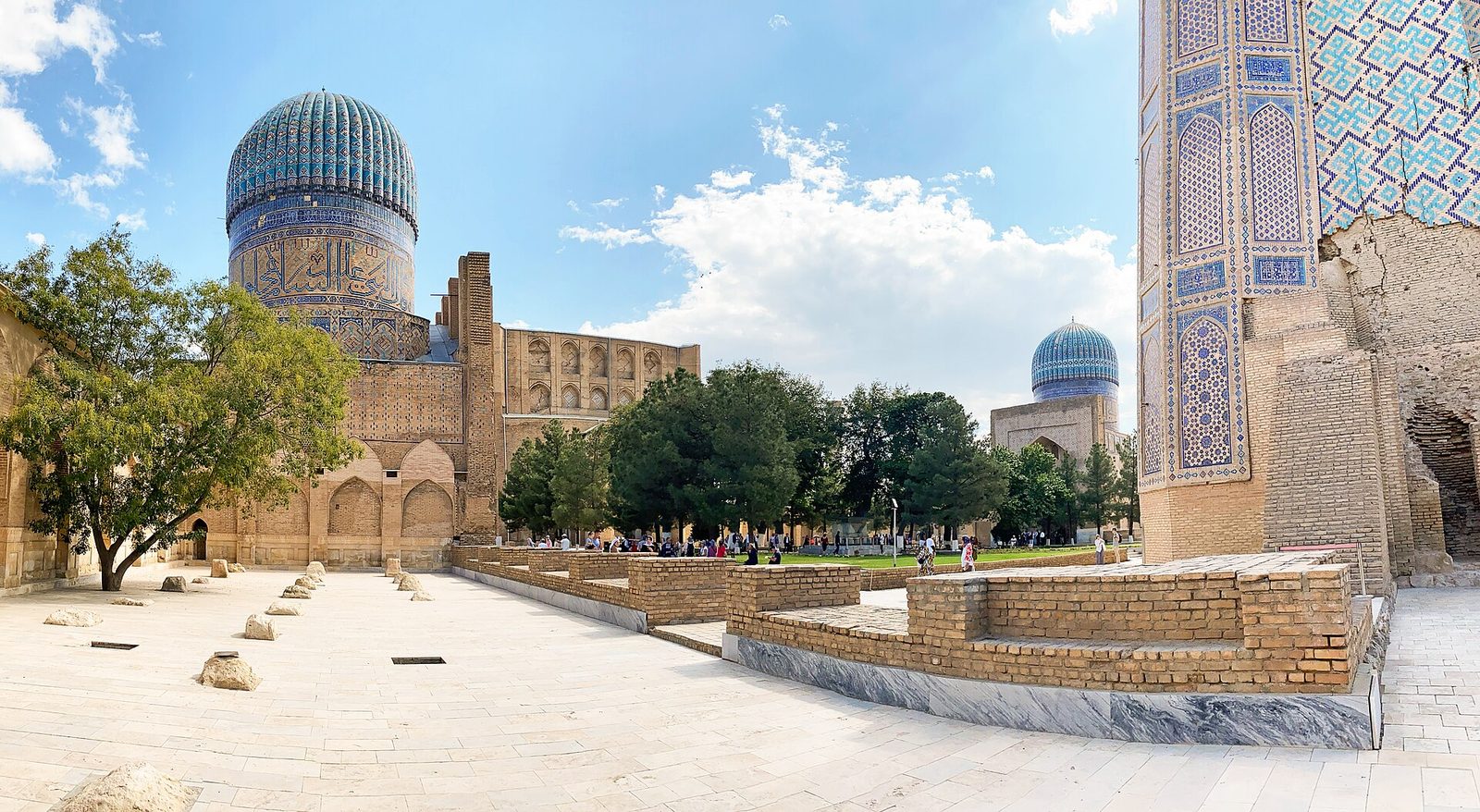
The belief. In the courtyard of the same mosque lies a giant Quran stand carved from marble. Samarkand says that a woman who crawls under it will have many children, and for generations women did.
What is known. The stand was commissioned by ,Did you know? Ulugh Beg measured the year to within 25 seconds Working at his Samarkand observatory, Ulugh Beg put the tropical year at 365 days 5 h 49 min 15 s, about 25 seconds too long, closer than Copernicus a century later. Read more → Timur’s grandson, and is about 2.3 metres long. It first stood in the main sanctuary, under the dome, and was later moved outside. It was made for a Quran of giant format, with pages close to two metres tall.
Where to see it. In the middle of the courtyard. It is nearly six hundred years old and fragile, so today the custom is to look and photograph, not to climb.
The jade stone that came home
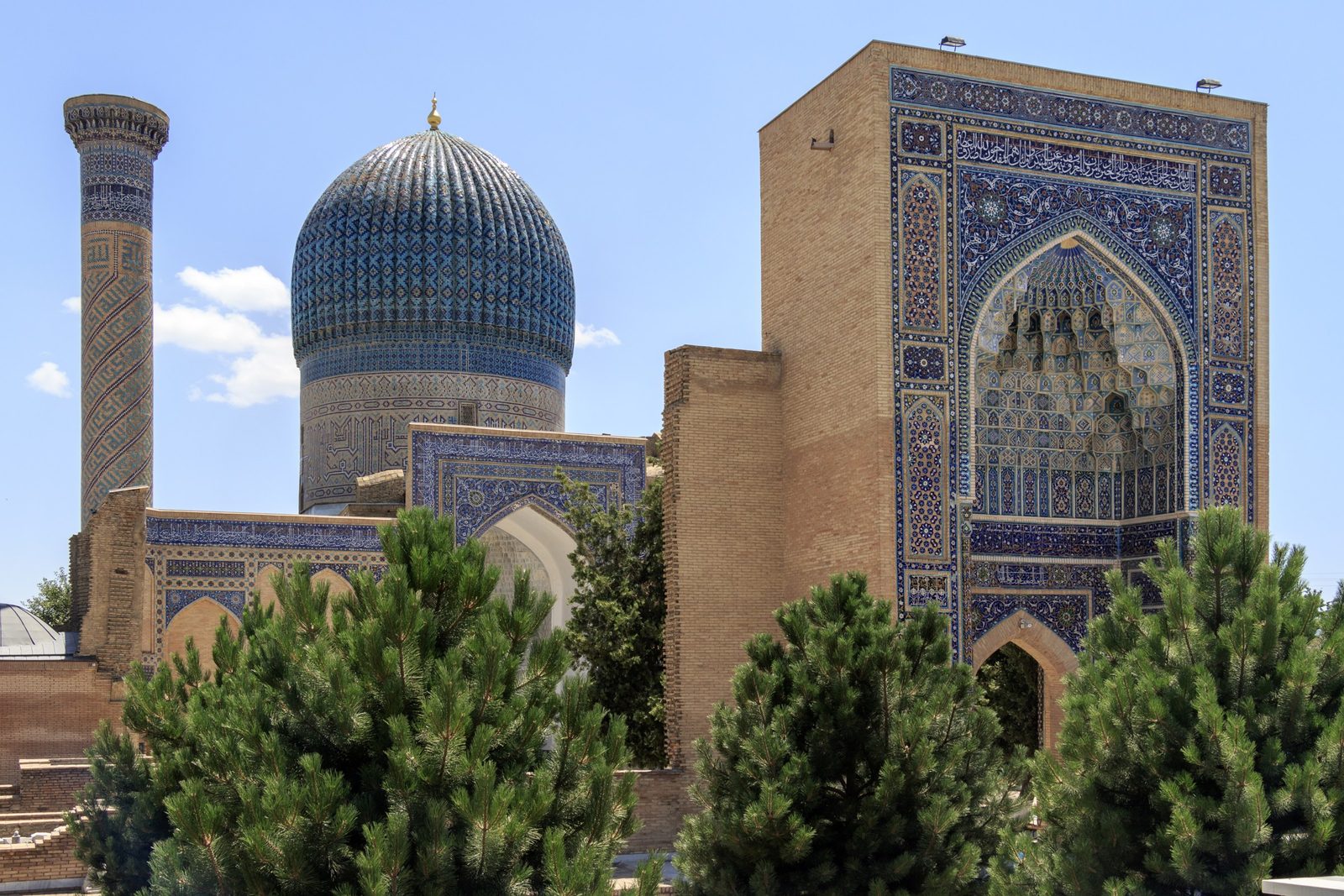
The legend. In 1740 the Persian ruler Nader Shah carried off the dark green stone that lay over Timur’s grave. On the road it cracked in two. His advisers saw a bad omen and urged him to send it back, and so the stone returned to Samarkand.
What is known. The stone is nephrite, a kind of jade, brought to Samarkand by Ulugh Beg in 1425. It really did leave with Nader Shah, and it really is in two pieces. Its long inscription traces Timur’s family line back many generations.
Where to see it. Inside ,Did you know? Timur's tombstone went to Persia and came back The dark-green jade slab on Timur's grave in Gur-e-Amir was carried off by Nader Shah in 1740. It broke, and on his advisers' urging he sent it back to Samarkand. Read more → in the centre, behind the marble screen: the dark stone among pale ones. Look for the crack. More in our Gur-e-Amir guide.
Seven hairs under the dome of Rukhabad
The legend. When the builders closed the dome of the Rukhabad mausoleum, they sealed into it a box holding seven hairs of the Prophet Muhammad. The name Rukhabad means “abode of the spirit”.
What is known. The mausoleum stands over the grave of Sheikh Burhan al-Din Sagarji, a preacher of Islam who died far to the east; his son brought his body to Samarkand. The building is usually dated to about 1380, in Timur’s time. Unlike the great Timurid tombs, it has no tall portal: three equal entrances lead in.
Where to see it. A few minutes’ walk from Gur-e-Amir, so the two fit into one visit.
The tigers of Sher-Dor and the leopard of Samarkand
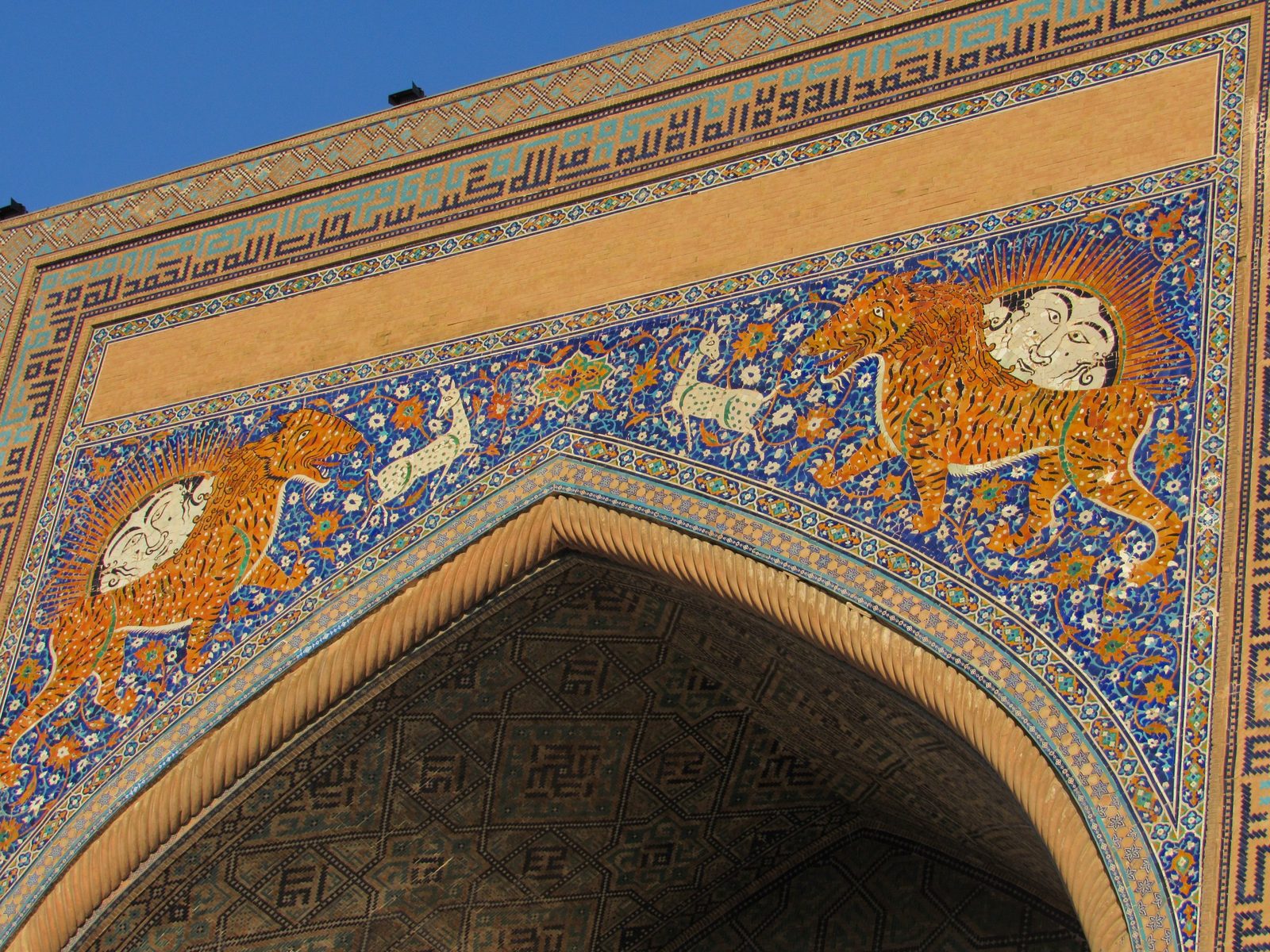
The legend. When Samarkand was built, a leopard came down from the mountains, walked around the new walls as if inspecting them and went back to the hills. The people took it as a blessing and put the big cat on their banners.
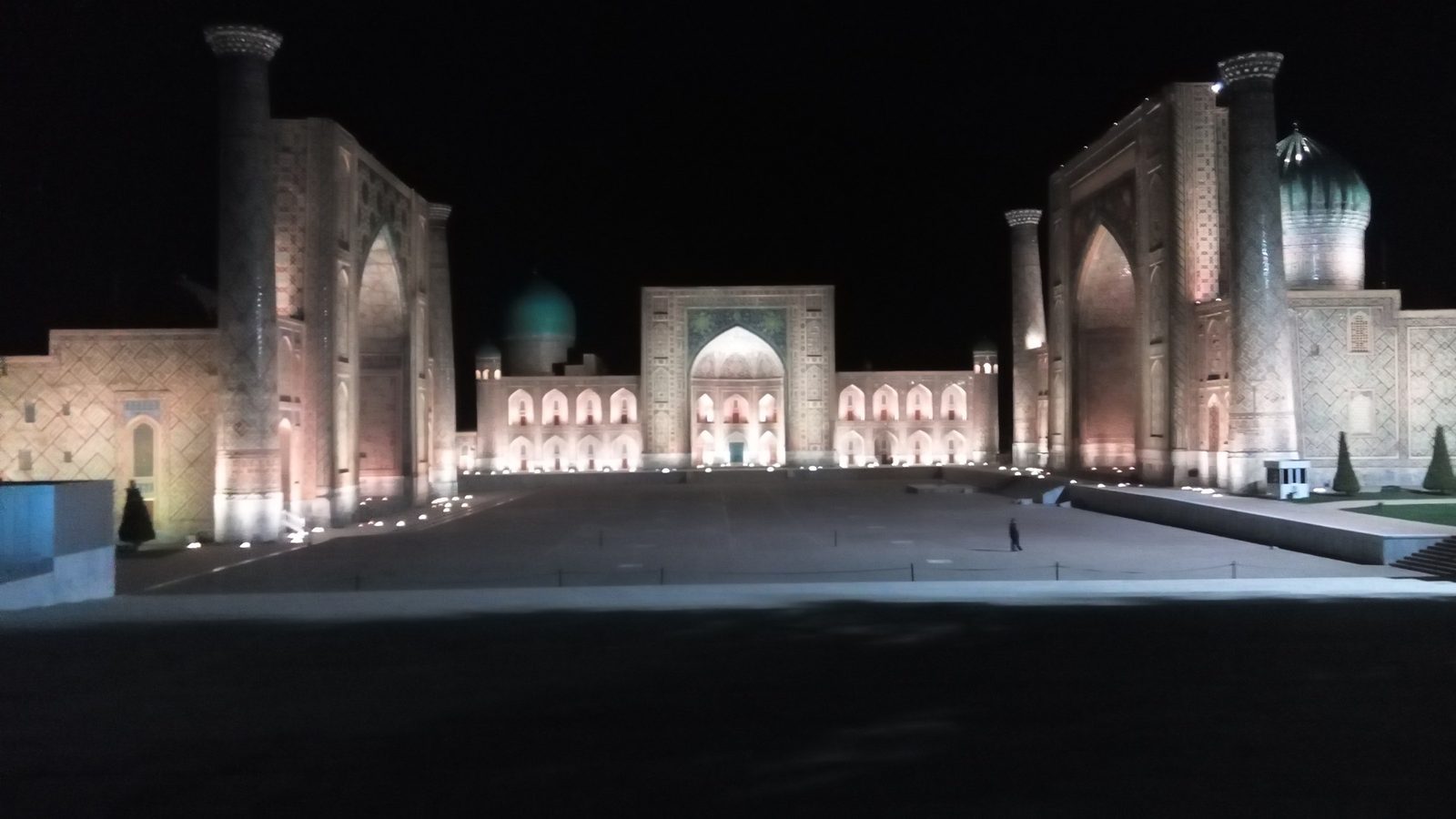
What is known. The best-known cats in the city are over the arch of the Did you know? The Registan's sun-carrying lion went on a banknote The Sher-Dor Madrasah (1619–1636) is named for the big cats with the sun on their backs on its portal. The image appeared on the reverse of Uzbekistan's 200-som note of 1997. Read more → madrasah, finished in 1636. Striped, but with lions’ manes, they chase white deer, with a sun with a human face rising from their backs. The name means “having lions” or “having tigers”, and Samarkand still argues about which. The motif is far older than the building, and the lion with the sun was on the back of the 200-som note of 1997.
Where to see it. On the Registan, the madrasah on your right as you face the square. More in our Registan guide.
The stranger at Ulugh Beg’s first lecture
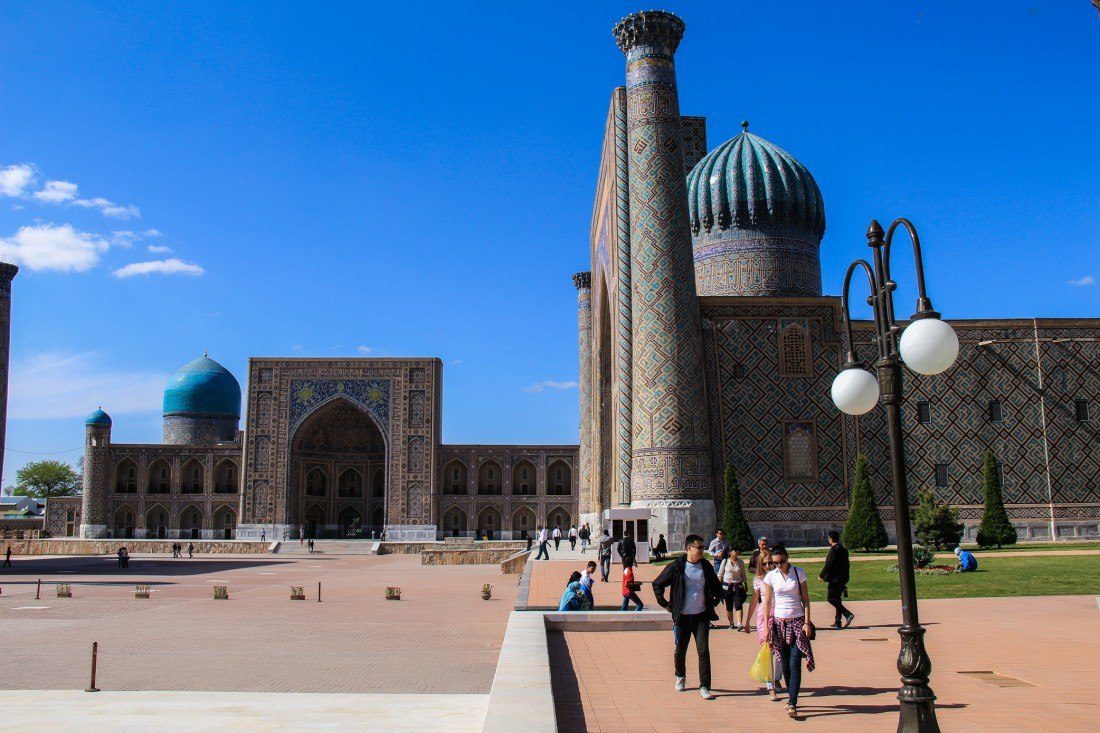
The legend. When his madrasah was nearly finished, Ulugh Beg was asked who would be its first teacher. The person who knows most in every science, he said. A plain-looking man stepped out of the crowd and offered himself. Ninety scholars came to his opening lecture. By the end, only two could follow him: the astronomer Qadi Zada and Ulugh Beg himself.
What is known. The madrasah opened in the 1420s, and under Ulugh Beg its main subject was astronomy. He interviewed its teachers himself, and Qadi Zada was among them.
Where to see it. The oldest of the three madrasahs on the Registan, on the left as you face the square.
Ulugh Beg’s hidden library
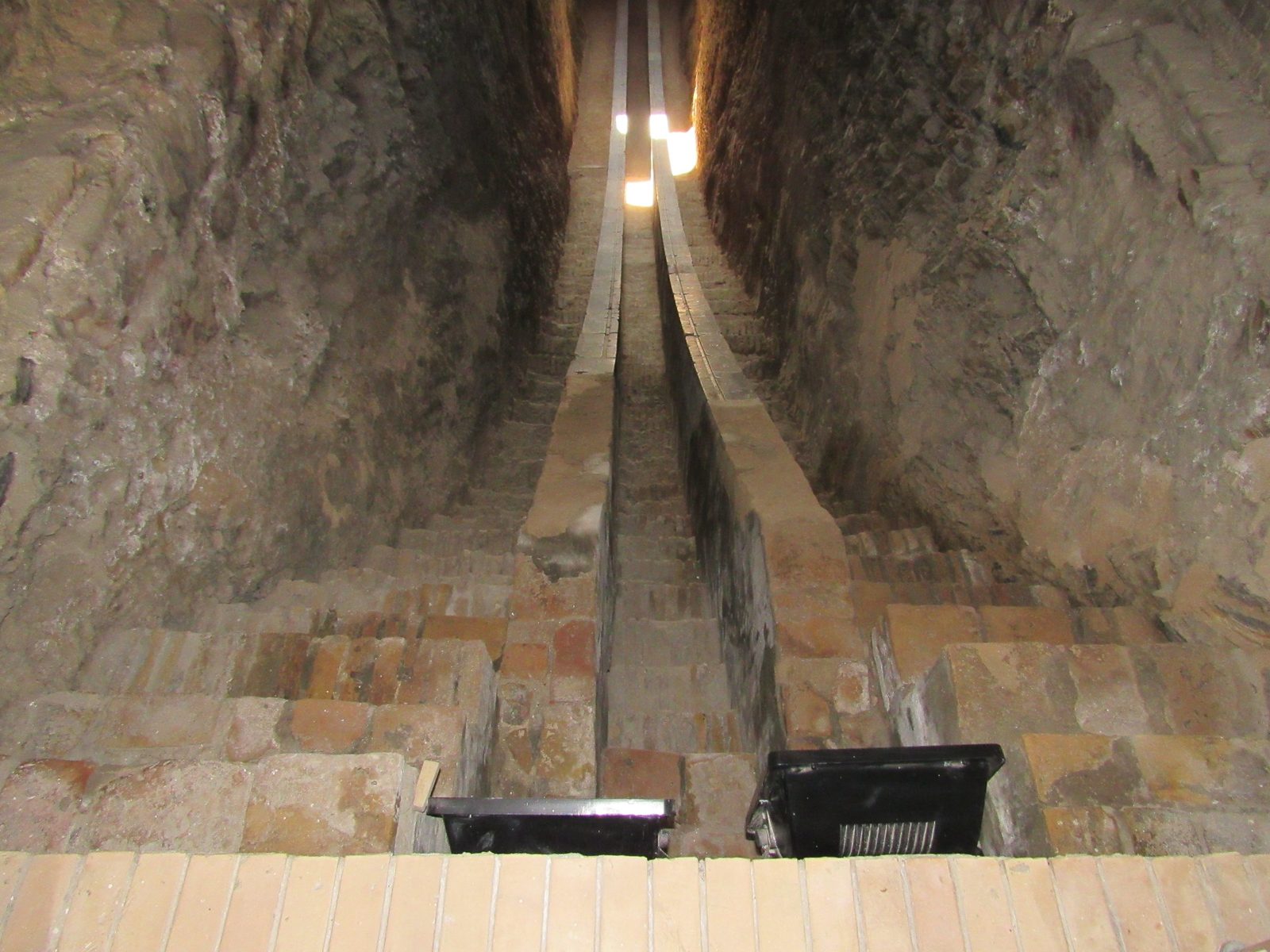
The legend. After Ulugh Beg’s death his library, said to have held 15,000 books, was in danger. His student Ali Qushji carried most of the books out of the city to the village of Hazrat Bashir and hid them. People still wonder where.
What is known. Ulugh Beg’s observatory, built in the 1420s, produced a catalogue of 1,018 stars and measured the length of the year with remarkable precision. Ali Qushji later took that knowledge west, to Istanbul.
Where to see it. At the observatory on Kuhak hill, where the arc of the giant sextant is cut into the rock. More in our Ulugh Beg Observatory guide.
Daniel and the tomb that grows
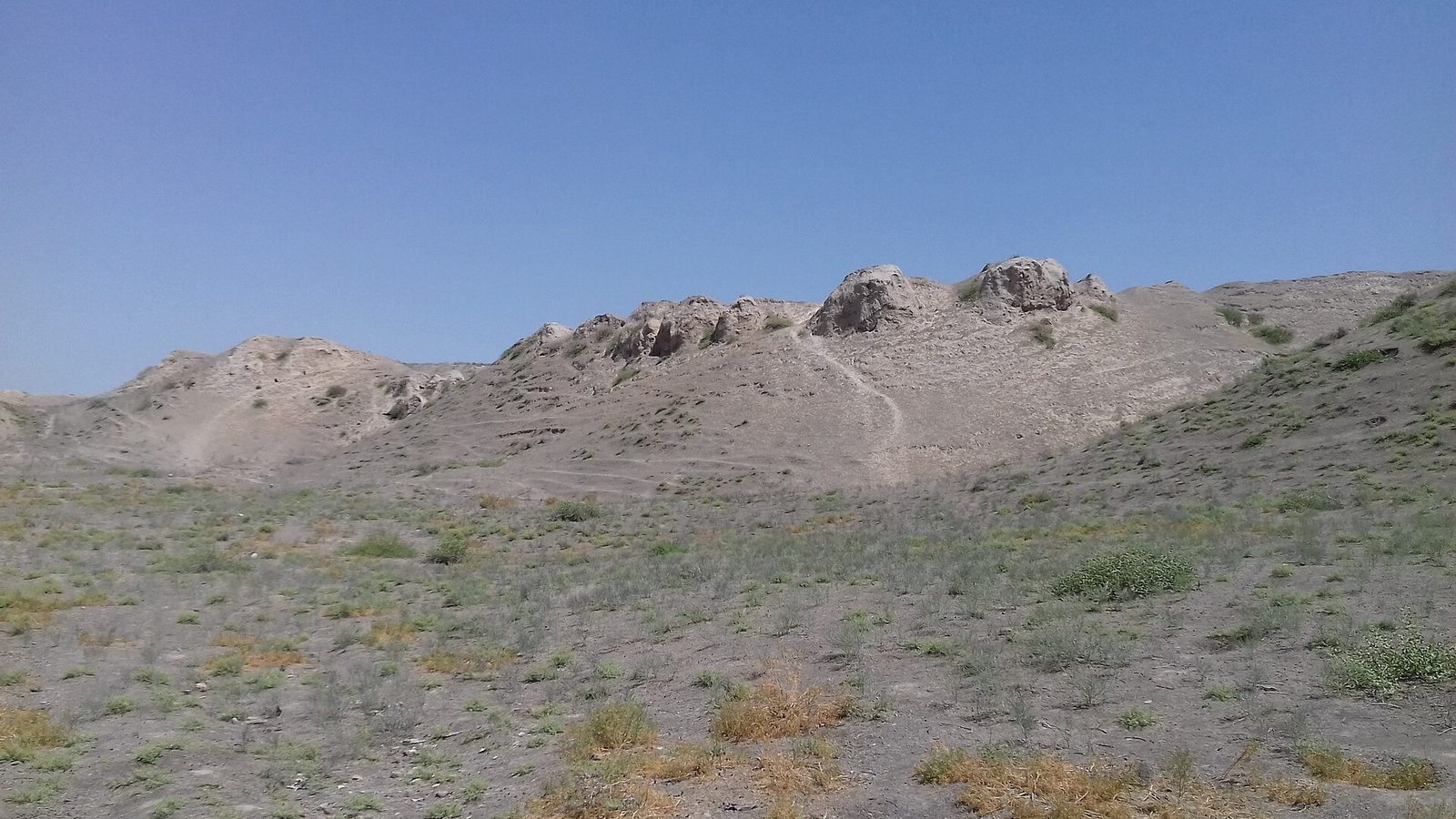
The legend. Timur heard that whichever land holds the remains of the prophet Daniel will never lack blessings, so on campaign he brought relics of Daniel back to Samarkand. Once they were buried, the grave began to lengthen by itself. A spring nearby is said to have appeared under a horse’s hoof, and pilgrims drink from it for health.
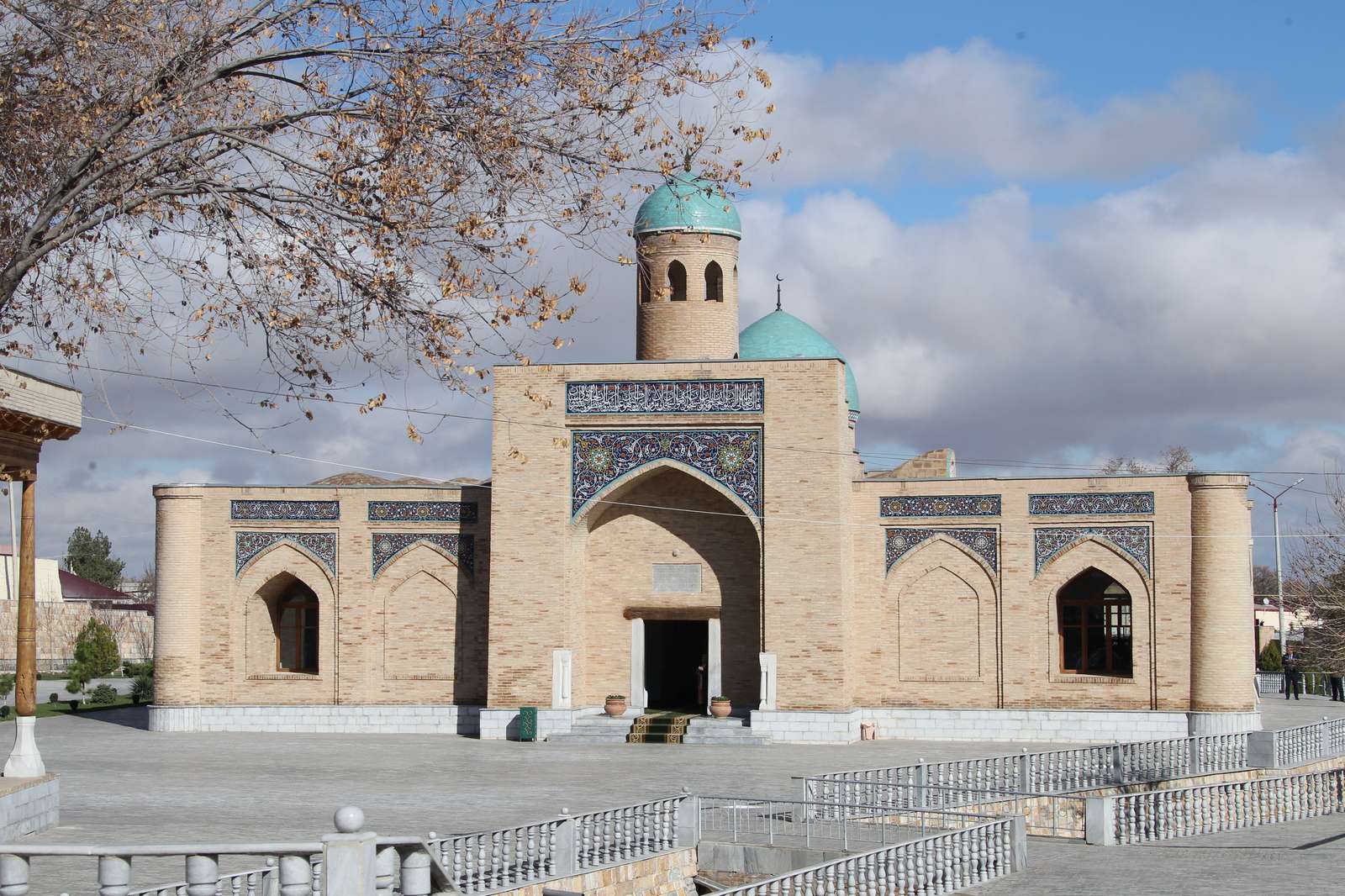
What is known. The mausoleum of Khoja Doniyor stands on the east side of ,Did you know? A 7th-century mural shows envoys from Korea Uncovered by road builders in 1965, the Ambassadors' Painting at Afrasiyab shows delegations bearing gifts, Chinese with silk among them, and two men in feathered hats thought to be envoys from Korea's Goguryeo. Read more → the hill of ancient Samarkand, above the Samarkand's main bazaar, right next to Bibi-Khanym: Samarkand bread, dried fruit, nuts and halva. Read more → stream. Its five domes cover a grave about 18 metres long. Muslims, Christians and Jews all come here; some scholars think Khoja Doniyor was a companion of Kusam ibn Abbas. A dried pistachio tree beside the crypt, the city says, came back to life after Patriarch Alexy II blessed the site in 1996.
Where to see it. On the far side of Afrasiyab, a short taxi ride from the observatory. Dress modestly and walk down to the spring.
Paper from the prisoners of Talas
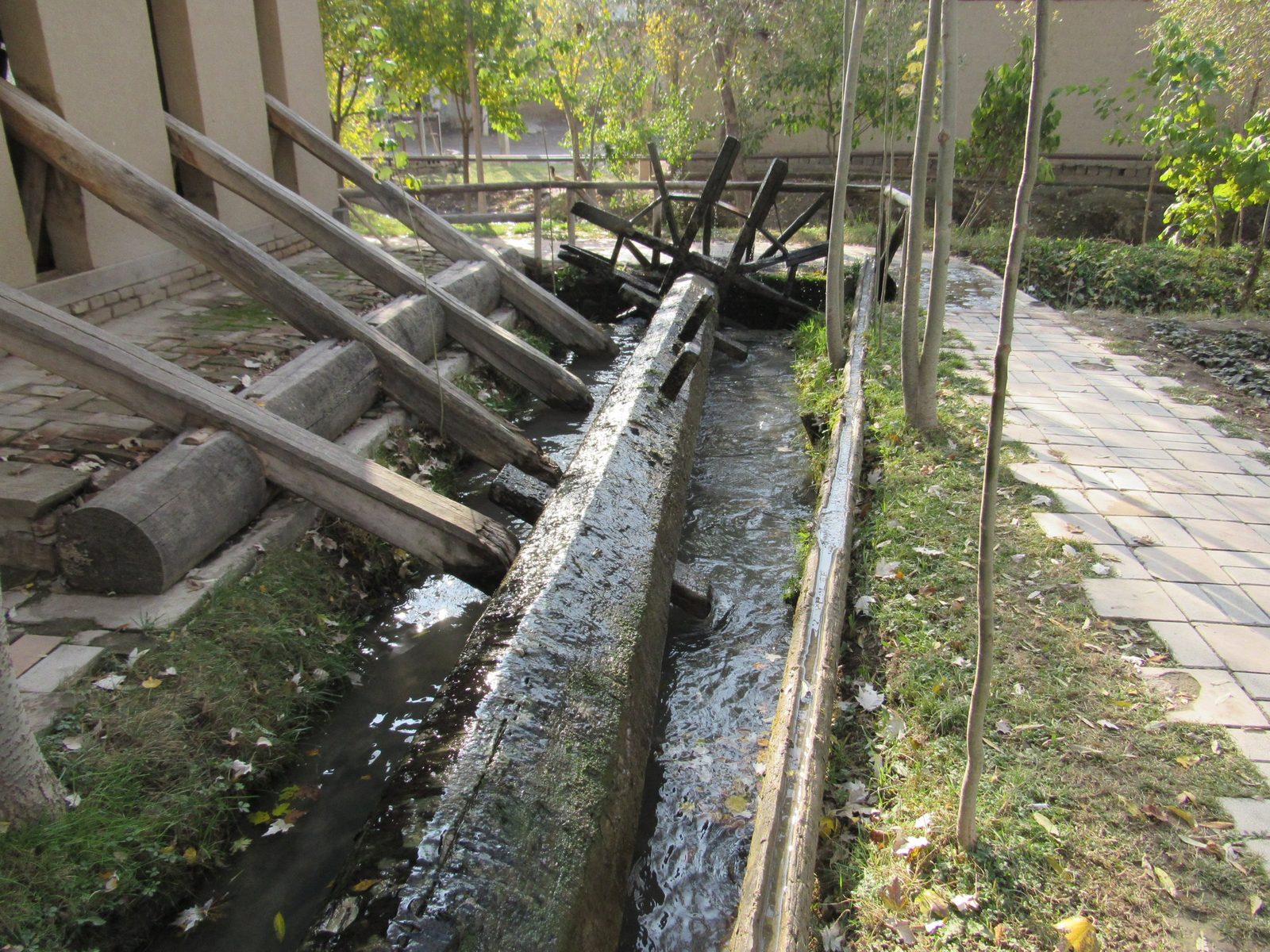
The legend. Chinese prisoners, brought to Samarkand after the Battle of Talas in 751, taught the city the secret of paper. Within a generation Did you know? Legend says Chinese prisoners taught Samarkand paper A legend recorded in the 11th century says Chinese prisoners taken at the Battle of Talas in 751 taught Samarkand to make paper. In fact paper was used here earlier, and the craft most likely came gradually along the Silk Road. Read more → was famous across the Islamic world.
What is known. The story was written down in the 11th century. Historians are more cautious: paper was known in Samarkand decades before 751, and the craft most likely arrived gradually along the trade routes. The fame, though, is history.
Where to see it. At the Did you know? Paper polished with stone, made to last 400 years At the Meros mill in Konigil, founded in 1996 to revive a craft that had died out, a water wheel beats mulberry bark into pulp, and each sheet is polished for hours with agate, shell or horn. It is made to last some 400 years. Read more → workshop in ,A village near Samarkand where paper is made by hand from mulberry bark, the old way, at a working mill on the stream. outside the city, where paper is again made from mulberry bark by hand. More in our Samarkand paper guide.
The bread that would not travel
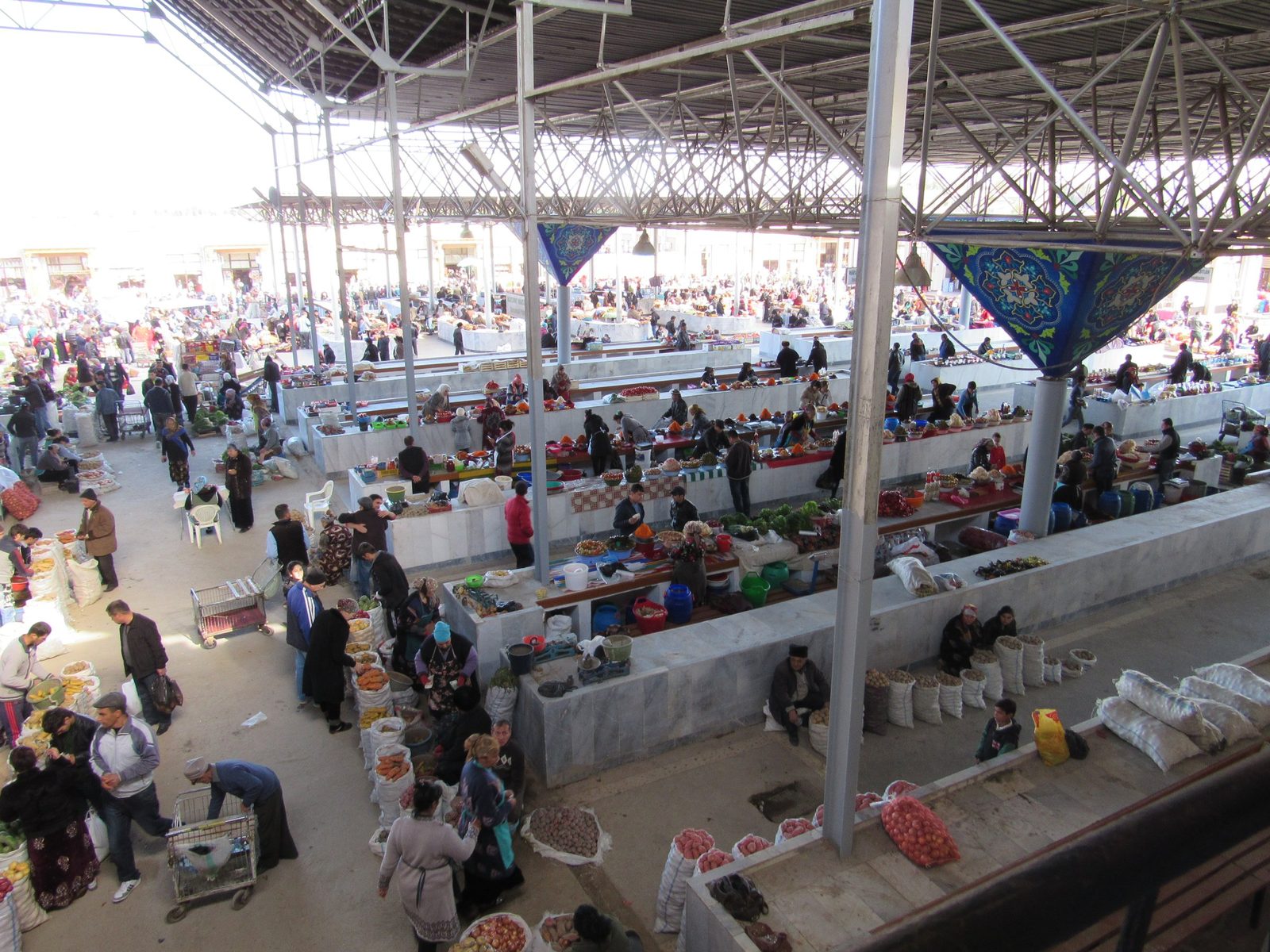
The legend. A khan of Bukhara loved Did you know? Legend: Samarkand bread can't be baked anywhere else Legend says a Bukhara ruler brought Samarkand's best baker to his court with his oven, flour and water, yet the bread came out different. The missing ingredient, the baker said, was the air of Samarkand. The round loaves keep for a long time. Read more → so much that he brought the city’s best baker to his court, with his oven, his flour and his water. The bread still came out different. One ingredient, the baker explained, could not be moved: the air of Samarkand.
What is known. Samarkand non is baked on the walls of a clay tandir oven and is thinner in the centre than at the rim. It keeps for a long time and is easily revived, which is why travellers carry it home.
Where to see it. At Siab Bazaar, next to Bibi-Khanym, best in the morning. More in our guide to the bazaars of Uzbekistan.
A day of legends: how to plan it
- Morning: the Registan at opening time, then a 10-minute walk along the pedestrian street to Bibi-Khanym and Siab Bazaar. Shah-i-Zinda is about 800 metres further.
- Midday: a taxi to the observatory and Khoja Doniyor on the far side of Afrasiyab.
- Late afternoon: Gur-e-Amir and Rukhabad, close together; the Registan again after dark.
- Konigil: a separate half day outside the city.
- Time: one full day for the city legends, two if you add Konigil and want to go slowly.
- Tickets and hours: see our Samarkand sights, tickets and hours. At shrines, cover shoulders and knees; women should bring a scarf.
Our Samarkand in 1, 2 or 3 days shows how to fit it all in. For the rest of the city, see our Samarkand city guide and our Samarkand tours.
In short
- Samarkand’s legends are told at the places where they happened: hear each one standing there.
- The Living King, the architect’s kiss, the jade stone and the bread are legends; the monuments, dates and the crack in the stone are real.
- Two beliefs, about the marble Quran stand and the steps of Shah-i-Zinda, are part of the visit itself; at the stand, look rather than climb.
- The Registan, Bibi-Khanym, Siab and Shah-i-Zinda are walkable; the observatory and Khoja Doniyor need a short taxi ride.
© Photos
- Afrasiyab ancient settlement, Samarkand — Akhemen / Wikimedia Commons · CC BY-SA 4.0