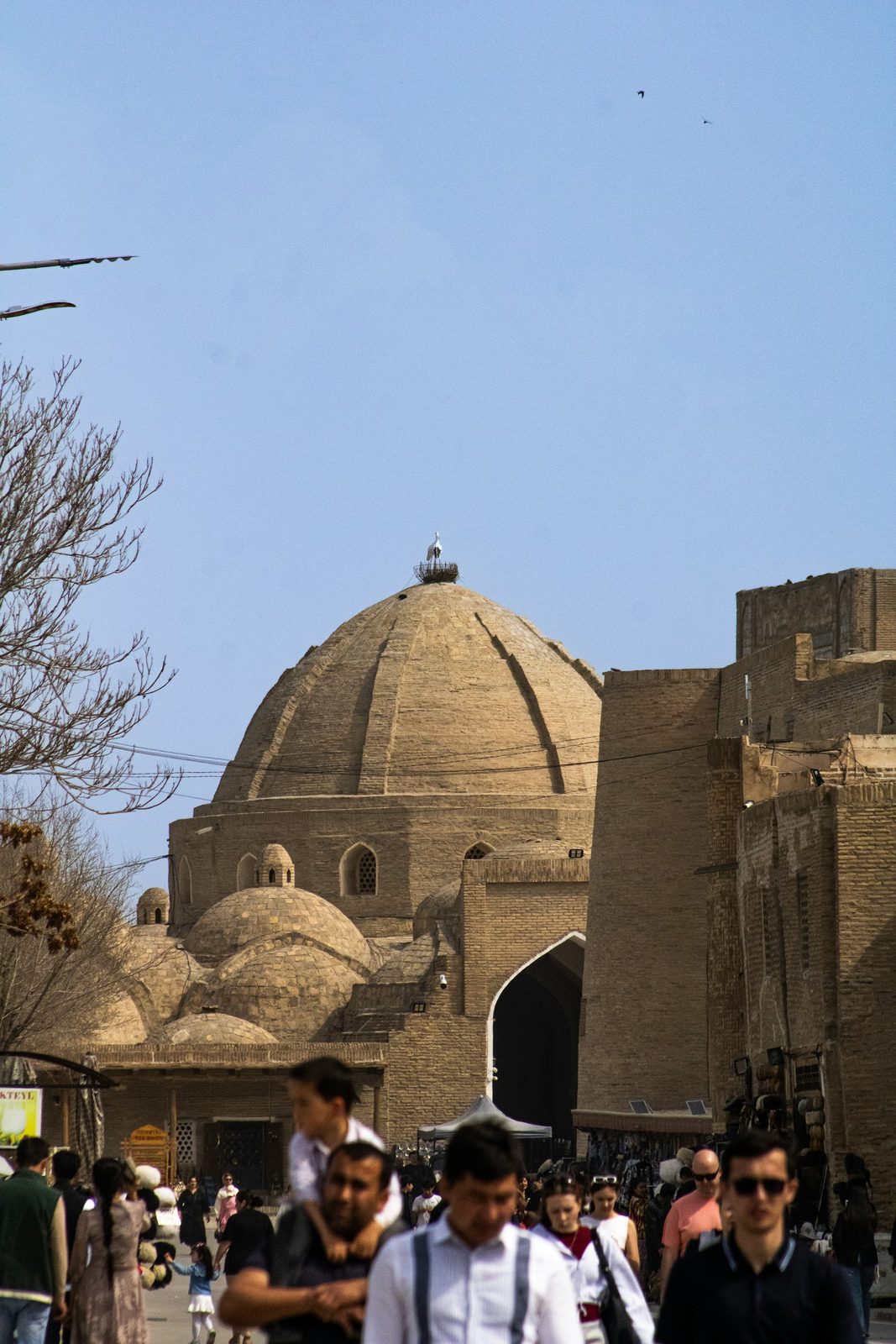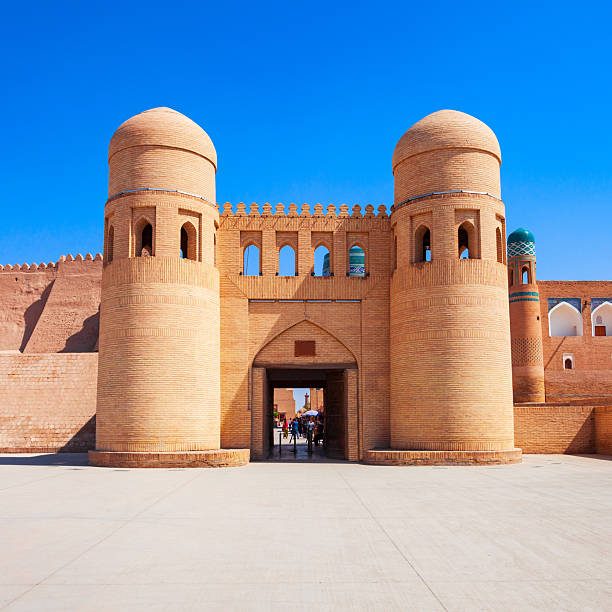

Places in this article: Samarkand · Bukhara · Tajikistan
Around Samarkand: day trips to Urgut, Konigil, Shahrisabz, Bagizagan and the Seven Lakes
Within a day’s drive of the Did you know? The Registan's sun-carrying lion went on a banknote The Sher-Dor Madrasah (1619–1636) is named for the big cats with the sun on their backs on its portal. The image appeared on the reverse of Uzbekistan's 200-som note of 1997. Read more → you can stand under plane trees that legend dates to the 9th century, watch paper being made from mulberry bark, taste wine from the Samarkand countryside or cross into Tajikistan for a lake in the Fann Mountains. None of it needs an overnight stay.
This is our guide to what to see around Samarkand, as we plan it for our guests: what each place is, how far it is, and what to pair it with. See the city first (our plan for Samarkand in 1, 2 or 3 days covers it), then pick the trip for your third or fourth day.
Urgut and Chor-Chinor: a grove of ancient plane trees
Urgut lies about 40 km south-east of Samarkand, where the northern slopes of the Zarafshan range begin; the drive takes about an hour. Near the town is Chor-Chinor, “four plane trees”. Today several dozen giant chinars stand around a spring-fed pond. The tallest reach about 35 metres, the thickest trunks are up to 16 metres round, and the age estimates run from about 600 years for the youngest trees to more than 1,000 for the oldest.
Local legend says the first four trees were planted around the spring by Abu Talib Sarmast, an Arab commander who ruled Urgut and was buried at their roots in 866. One of the old trees is hollow: under its roots there is a room large enough for about ten people. Locals call it the tree school; most likely it was a place of retreat for Sufi hermits. Beside the pond stands a small domed mosque built in 1915. Pilgrims come here as well as travellers, so dress modestly. More stories of this kind are in our legends of Samarkand.
Pair the grove with the Urgut bazaar, the biggest crafts market in the Samarkand region: suzani embroidery old and new, carpets, jewellery, metalwork, ceramics and wooden chests. It is open every day, but the textile and jewellery rows at the back are at their fullest on Sundays and Wednesdays. Come early and be ready to bargain; our guide to the bazaars of Uzbekistan explains how. Our trip to Chor-Chinor comes with a guide, a car and entrance tickets; if your day falls on a Sunday, ask us to add the bazaar.
Konigil: Samarkand paper at the Meros mill
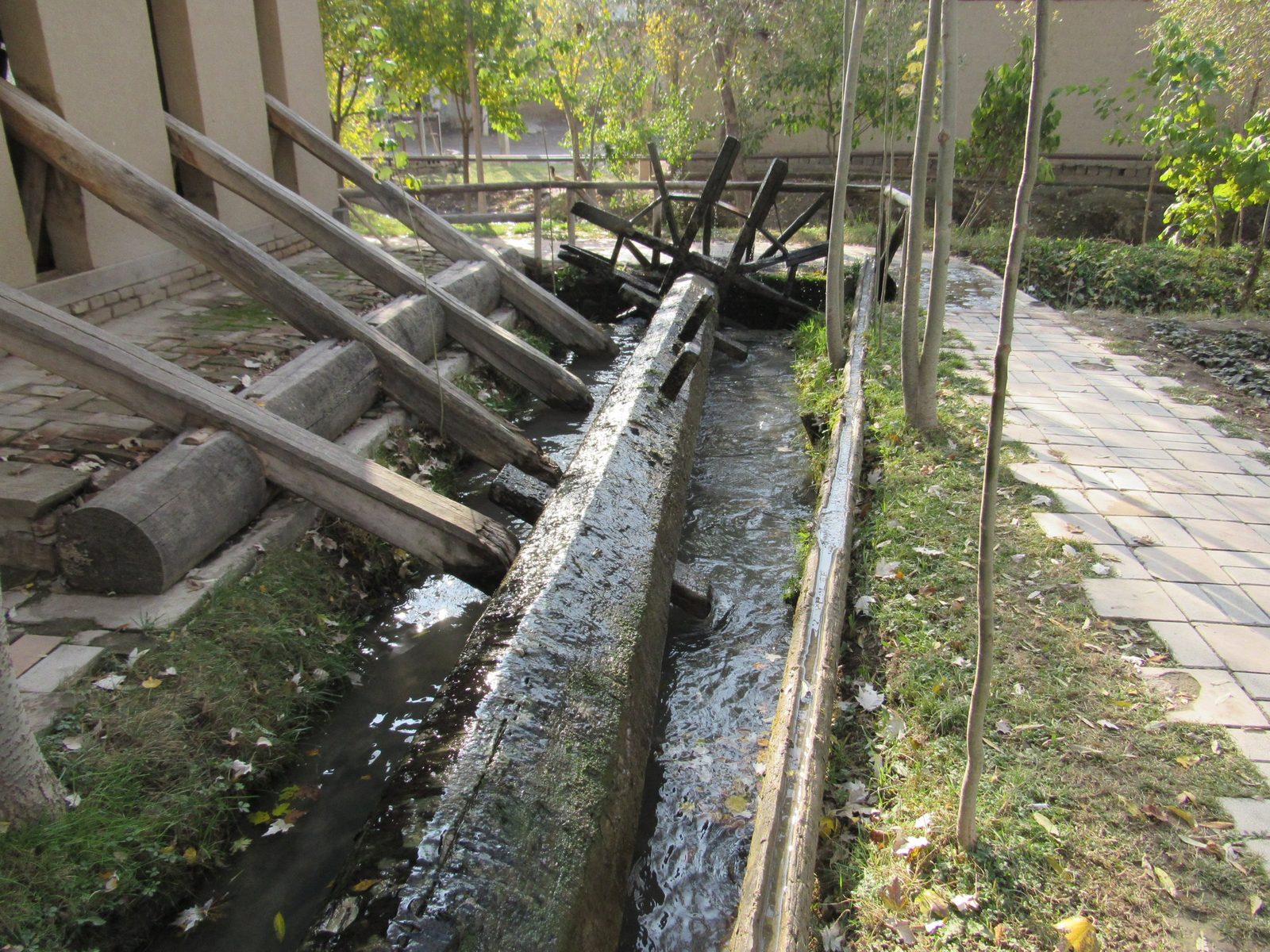
The nearest trip on this list is also the quietest. In the village of ,A village near Samarkand where paper is made by hand from mulberry bark, the old way, at a working mill on the stream. about 13 km from Samarkand on the ,Samarkand's main bazaar, right next to Bibi-Khanym: Samarkand bread, dried fruit, nuts and halva. Read more → the Did you know? Paper polished with stone, made to last 400 years At the Meros mill in Konigil, founded in 1996 to revive a craft that had died out, a water wheel beats mulberry bark into pulp, and each sheet is polished for hours with agate, shell or horn. It is made to last some 400 years. Read more → workshop makes paper the way the city made it for centuries: mulberry bark is boiled, beaten into pulp by a mill that a stream turns, and each sheet is polished by hand with a stone. The craft died out in the 19th century; the brothers Zarif and Islam Mukhtarov revived it here in 1996.
Allow about an hour and a half on site, half a day with the drive. Konigil sits well with the Did you know? Ulugh Beg measured the year to within 25 seconds Working at his Samarkand observatory, Ulugh Beg put the tropical year at 365 days 5 h 49 min 15 s, about 25 seconds too long, closer than Copernicus a century later. Read more → and the Uzbekistan's high-speed train: Tashkent to Samarkand in 2 hours 30 minutes, Tashkent to Bukhara in about 4 hours. Tickets are tied to your passport. Read more → museum, and our private Samarkand Discovery tour puts them in one day. The whole story is in our article on Samarkand paper and the Meros mill.
The Imam al-Bukhari complex in Khartang
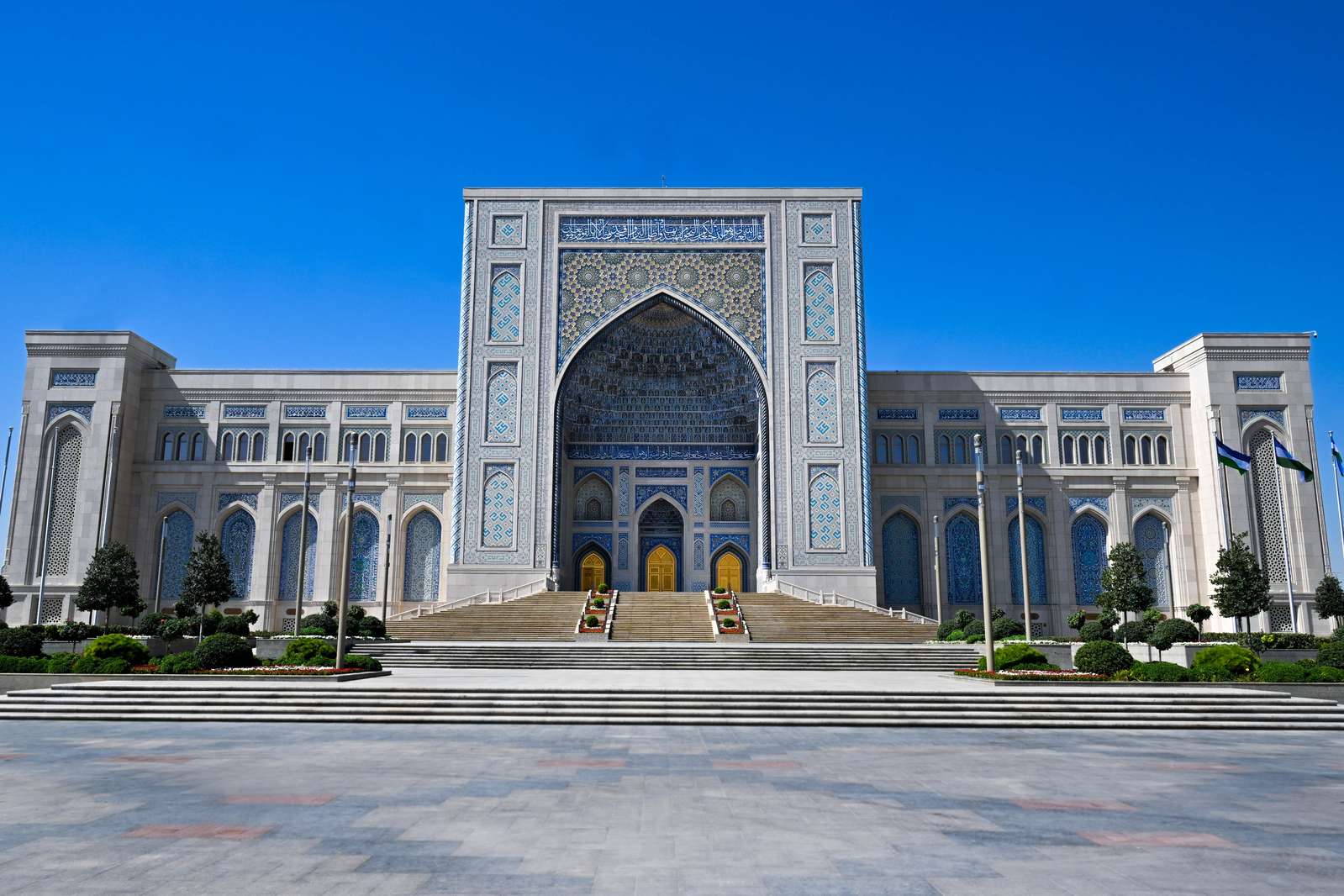
Twenty-five kilometres from Samarkand, in the village of Khartang, is the memorial complex of Imam al-Bukhari, the scholar who compiled the best-known collection of hadith. He was born in Bukhara in 810 and died in Khartang in 870. A small mausoleum stood over his grave from the 16th century, a memorial was built in 1998, and the complex was rebuilt on a far larger scale and reopened in March 2026.
Today it covers 45 hectares: a mosque for 10,000 worshippers, four minarets 75 metres high, an aivan on 154 columns, fourteen blue domes and a museum of nine pavilions on the life of Imam al-Bukhari and on how hadith were collected and written down. We bring guests here as to a place of heritage, for the scale of the architecture and the museum. Cover shoulders and knees, and expect the courtyards to be busiest at Friday midday prayer. Allow three to four hours. The other great shrines of the country are in our article on ziyarat in Uzbekistan.
Shahrisabz: Timur’s home town over the pass
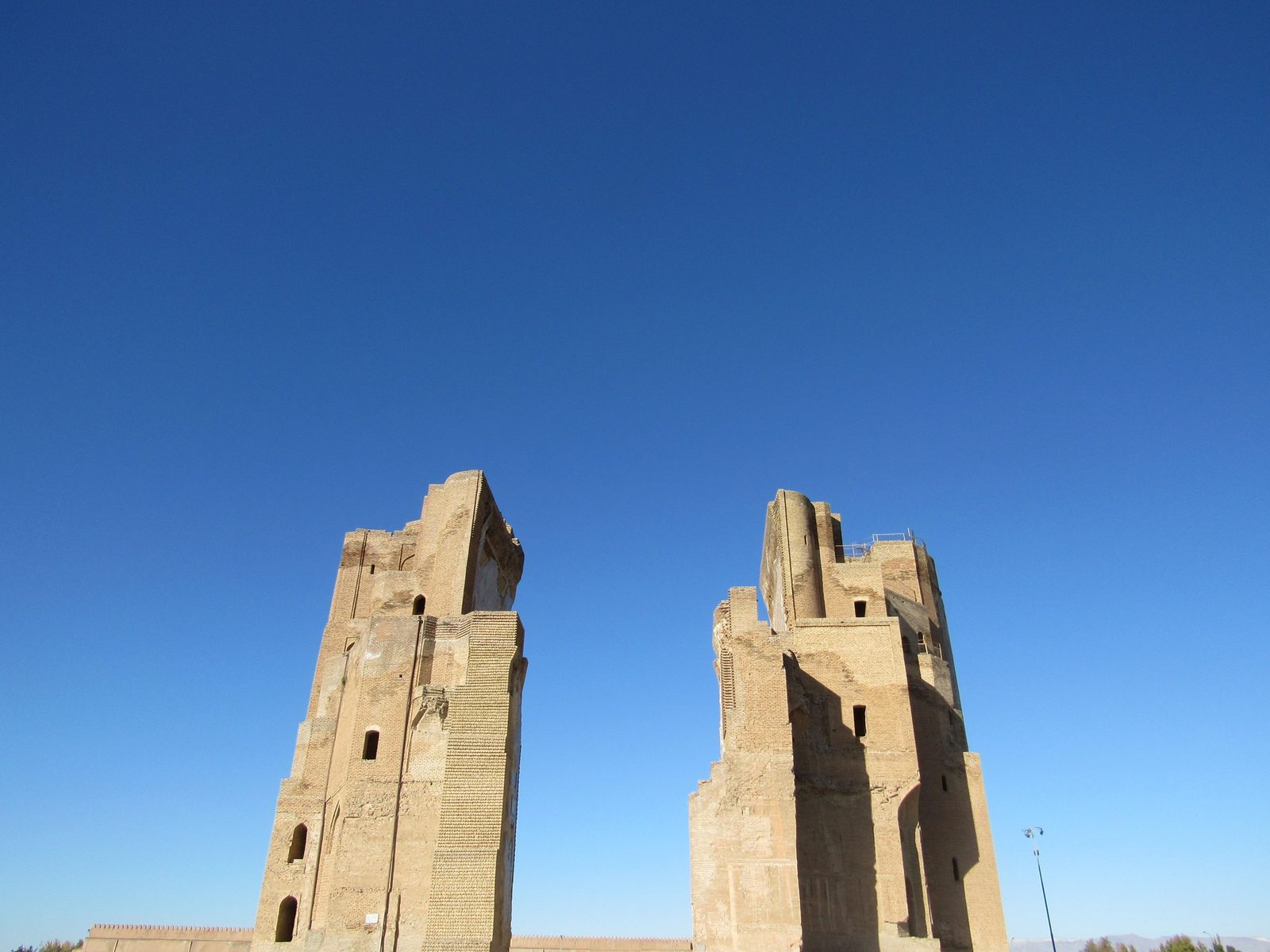
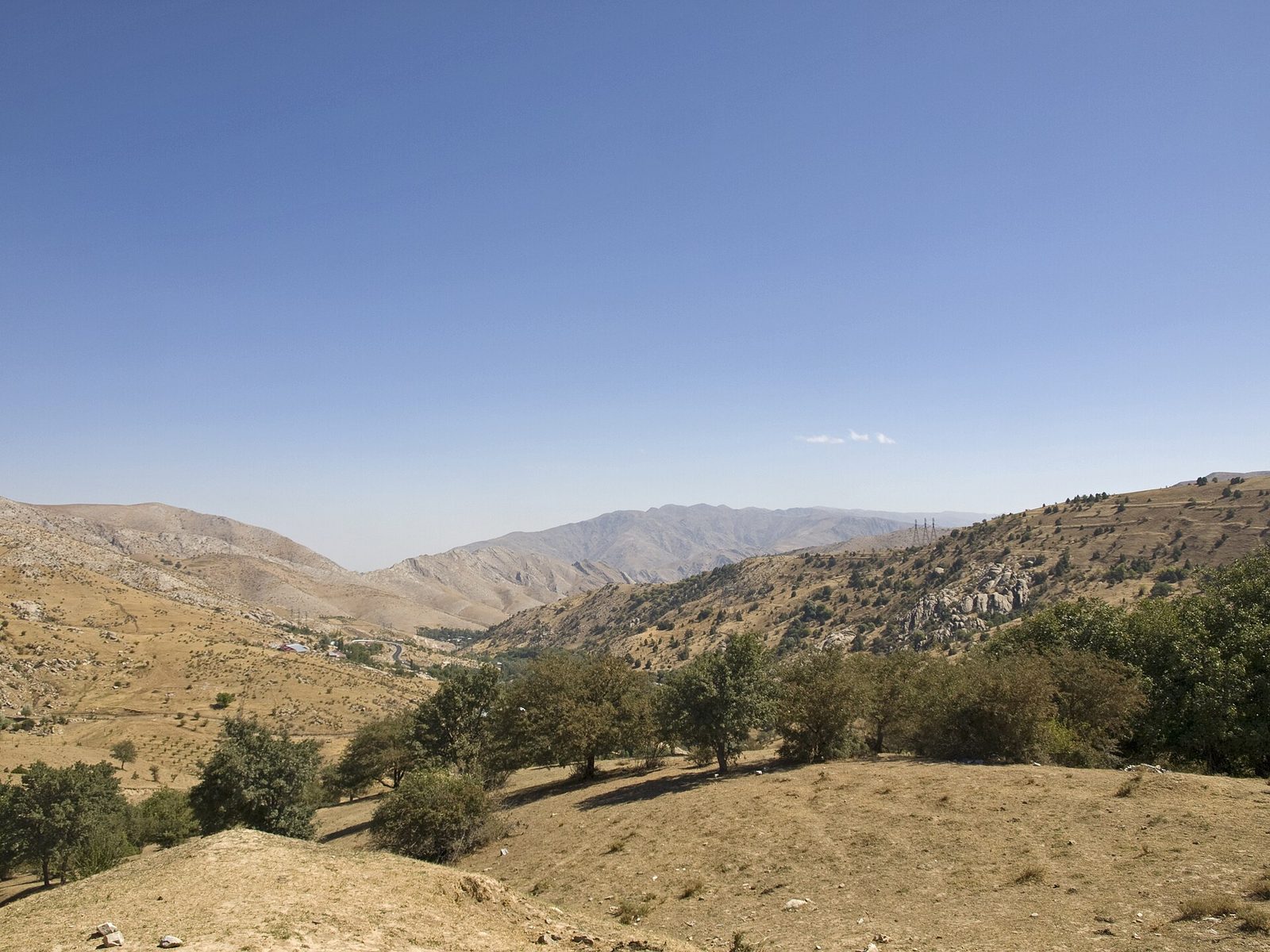
Shahrisabz is the longest of the classic day trips and, for many of our guests, the most memorable. The M39 covers about 90 km and climbs over the Takhtakaracha pass at about 1,700 m; without stops a car takes an hour and a half to two hours. Amir Timur (Tamerlane, 1336–1405), founder of the Timurid empire, which had its capital in Samarkand. Born near Shahrisabz. was born here, and his palace, ,The ruins of Amir Timur's palace in Shahrisabz, his home town. Only parts of the giant entrance arch still stand. Read more → was under construction from 1380 to 1404. Only the stumps of its gate towers survive, and they still make you tilt your head back. The historic centre has been on the UNESCO World Heritage List since 2000.
In town you see Ak-Saray, Kok Gumbaz, the Friday mosque Ulugh Beg built in 1437, Dorus Siadat with the tomb of Timur’s eldest son Jahangir, and the crypt prepared for Timur himself. From December to March snow can close the pass, so in winter we check the road the day before. The full plan is in our day trip to Shahrisabz; the ready-made version is our Shakhrisabz extension from Samarkand, with a guide, transfer and entrance tickets.
Aman-Kutan: pines and a Neanderthal cave on the way
On the Samarkand side of the pass, the road runs through Aman-Kutan, a national park of 1,500 hectares on the slopes of the Zarafshan range, at 1,600–1,800 m. Crimean pines were planted here in 1878, and the air is noticeably cooler than in the valley. In the Aman-Kutan cave, excavations in 1947 showed that Neanderthals once lived there and left their stone hunting tools. Near the pass lie the foundations of the Takhtakaracha fortress, built in 1398.
For most travellers Aman-Kutan is a stop rather than a day of its own: we pause here on the way to or from Shahrisabz for a walk under the pines. There are teahouses and guesthouses along the road, so it also works as a cool lunch break on a summer day.
Bagizagan: a wine tasting in the Samarkand countryside
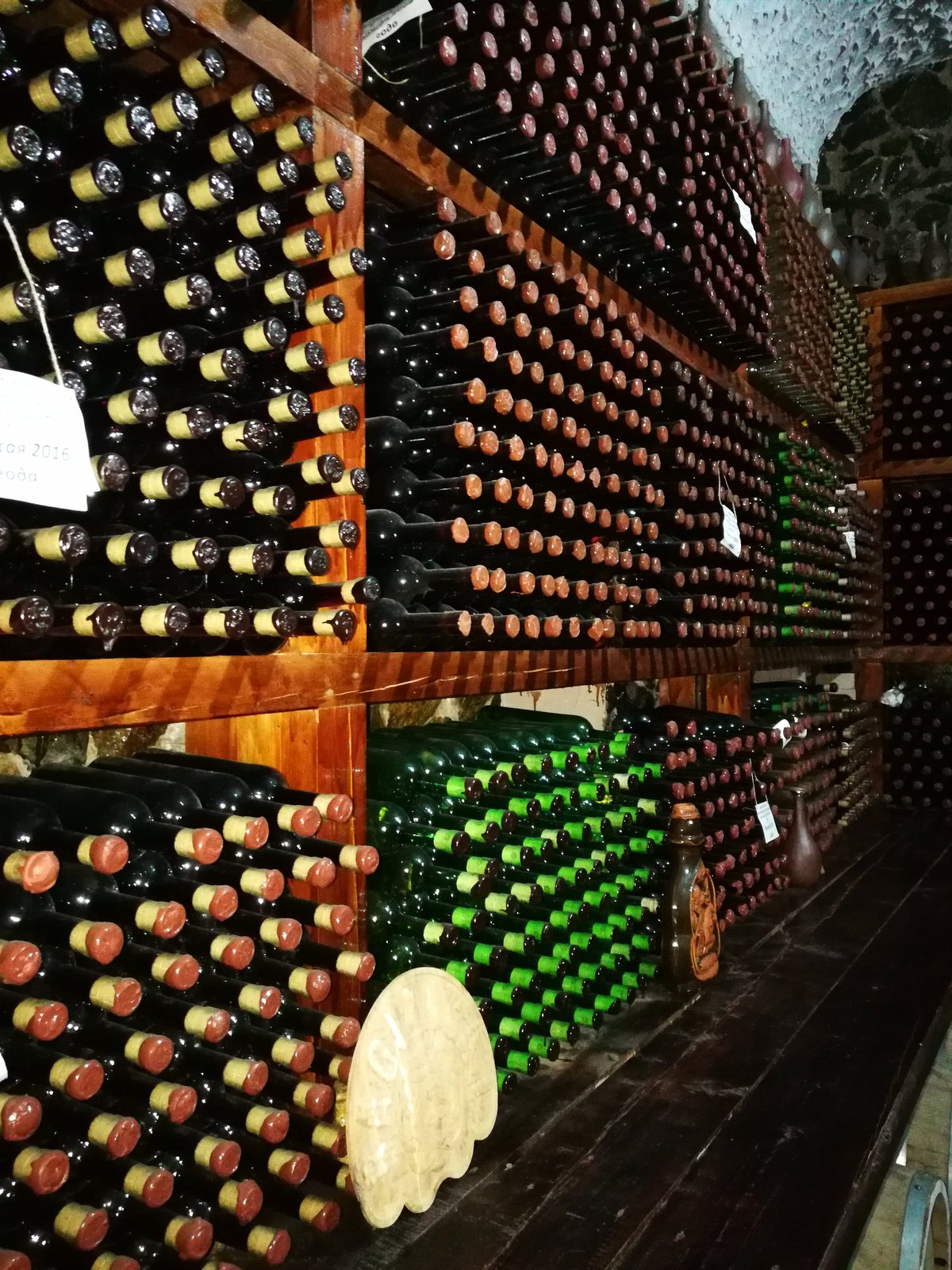
Bagizagan is a winery in the village of the same name outside Samarkand, and its tasting is one of the easiest half-days out of the city. The vineyards grow Cabernet, Merlot, Chardonnay, Rkatsiteli and Bayan Shirey, the cellar makes more than 20 wines, and the tasting is served with cheese, fruit and nuts.
In Uzbekistan alcohol is sold only to people aged 21 and over, so the tasting is for guests of 21 and older; carry your passport. We arrange Bagizagan as a trip from Samarkand with a tasting, and it is also a day of our five-day wine tour of Tashkent and Samarkand. If you prefer to skip alcohol, we fill the afternoon with a visit to a silk workshop instead.
Penjikent and the Seven Lakes: a day in Tajikistan
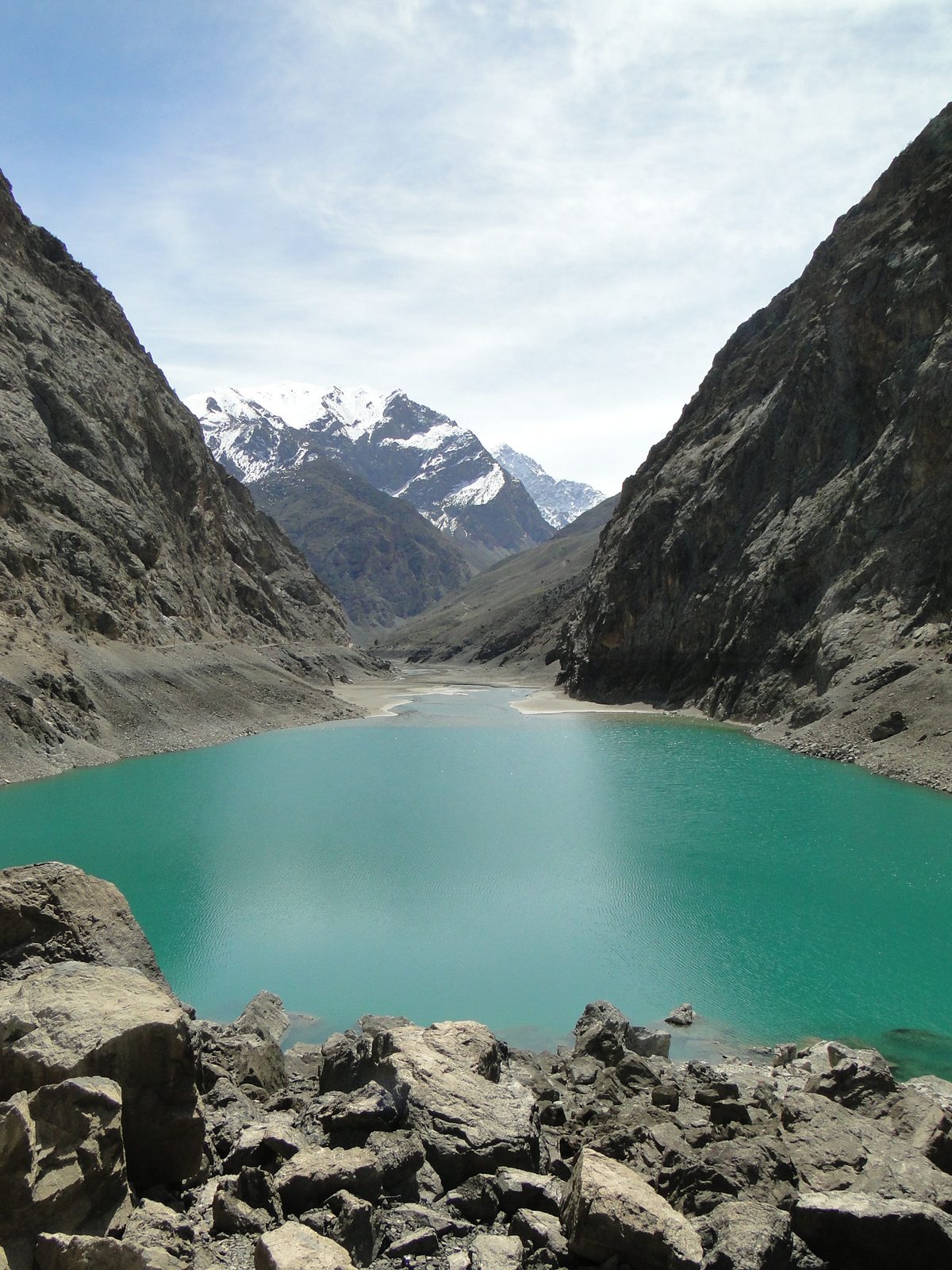
The border with Tajikistan is close enough to Samarkand for a day trip, and we cross at Jartepa–.Did you know? Sarazm was a town before the pyramids of Giza were built Sarazm near Penjikent was settled from the 4th millennium BC and traded with lands from the Aral Sea to Iran and the Indus. In 2010 it became the first UNESCO World Heritage Site in Tajikistan. Read more → Right by the crossing is Sarazm, a settlement founded in the 4th millennium BC and on the UNESCO World Heritage List since 2010. About 15 km further is ,Did you know? Penjikent's walls showed Rustam long before Ferdowsi From the 5th to the 8th century the Sogdian houses of ancient Penjikent were painted with feasts, gods and the hero Rustam, centuries before Ferdowsi wrote the Shahnameh. Many murals are now in the Hermitage and in Dushanbe. Read more → a Sogdian town whose wall paintings date from the 5th to the 8th century; many of them are now in the Hermitage and in the National Museum of Antiquities in Dushanbe. In Panjakent there is also a museum named after the poet .Did you know? Legend says the first great Persian poet was born blind Legend, via the historian Awfi, says Rudaki (c. 858–941), honoured as the father of Tajik literature, was born blind. Scholars doubt it: his verses paint nature too vividly. He came from Panjrud, near Penjikent. Read more →
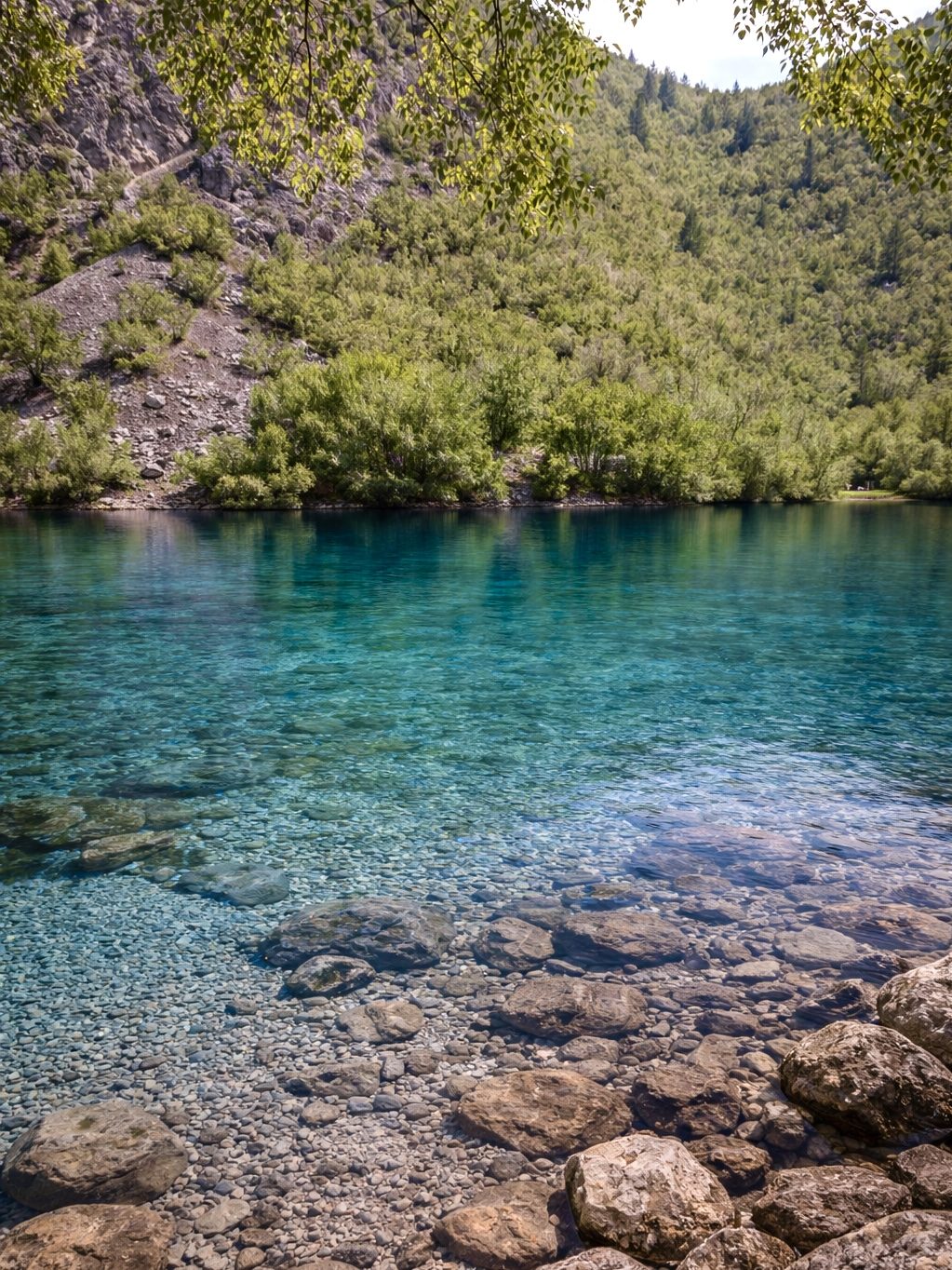
Beyond the town, the Shing valley leads into the Fann Mountains and the ,Did you know? Each of the Seven Lakes has its own name and colour The Haft Kul lakes climb from about 1,600 m to 2,400 m. Their names mean 'eyelashes', 'shadow', 'vigilance' and 'small', among others; the largest is Marguzor, and the highest, Hazorchashma, means 'a thousand springs'. Read more → also called the Marguzor lakes, a chain that ends with Hazorchashma at about 2,400 m. Our Penjikent and Seven Lakes extension covers ancient Panjakent, Sarazm, the Rudaki museum and the lakes in one long day, back in Samarkand in the evening.
Take your passport, valid for at least six months. Whether you need a Tajik Entry rules depend on your passport. Once you are here, each stay must be registered within three days, and hotels do it for you; customs and registration rules are in our guide. Read more → depends on your passport: many enter visa-free, others apply online for an e-visa well in advance. If you are in Uzbekistan on an e-visa, you need a double- or multiple-entry one to come back. We check every passport in the group before we book; more in our article on combining Uzbekistan with its neighbours.
How to combine the trips
Each trip takes a day or less, and some pair naturally:
- Half a day: Konigil or the Bagizagan tasting, with the Ulugh Beg Observatory or the Afrosiyob museum on the same day.
- Half a day: the Imam al-Bukhari complex, three to four hours on site.
- A full day: Chor-Chinor and the Urgut bazaar, best on a Sunday.
- A full day: Shahrisabz with a stop at Aman-Kutan on the pass.
- A long day across the border: Panjakent, Sarazm and the Seven Lakes.
With three days in Samarkand we give the city two and take one out of town; with four, two trips. Our Samarkand group tour keeps its third day free for exactly this, and all our Samarkand tours are in the tour catalogue.
Practical notes
- Getting there: every place on this list needs a car. We arrange the trips with a guide and a driver from your hotel in Samarkand.
- Distances: Konigil about 13 km; Imam al-Bukhari 25 km; Urgut about 40 km, an hour’s drive; Shahrisabz about 90 km, 1.5–2 hours.
- When to go: spring and autumn are the most comfortable. In summer, Aman-Kutan and the mountains are cooler than the city. In winter snow can close the Takhtakaracha pass, and the detour around it takes about three hours.
- Dress: at Imam al-Bukhari and Chor-Chinor cover shoulders and knees; see what to wear in Uzbekistan.
- Cash: carry some som for the bazaar and small purchases; see cards, cash and tipping.
In short
- Half-day trips: the Konigil paper mill, 13 km away, and the Bagizagan wine tasting, for guests of 21 and over.
- Chor-Chinor near Urgut, about an hour away: plane trees up to 35 m high around a spring, and a bazaar at its fullest on Sundays.
- The Imam al-Bukhari complex, 25 km from the city, reopened in March 2026; allow three to four hours.
- Shahrisabz is about 90 km over the Takhtakaracha pass, with the pines of Aman-Kutan on the way.
- Penjikent and the Seven Lakes are in Tajikistan: check your visa and take your passport.
© Photos
- View from the Takhtakaracha pass near Shakhrisabz — Ymblanter / Wikimedia Commons · CC BY-SA 4.0
- The fourth of the Seven Lakes (Haft Kul), Fann Mountains, Tajikistan — Шухрат Саъдиев / Wikimedia Commons · CC BY-SA 4.0