
Safety and health in Uzbekistan: advice from a Tashkent tour operator
Places in this article: Tashkent
Save one number before you land: 112. Since March 2025 it reaches police, ambulance and fire crews anywhere in Uzbekistan. You will most likely never dial it. We have been taking travellers around this country for twenty years, and what actually trips people up here is rarely crime. It is the July sun, a glass of tap water, or a phone snapped at the wrong building.
Here is what we tell our own guests before every trip.
How safe Uzbekistan is
Government travel advisories put Uzbekistan in the “normal precautions” category. The one exception is a 5 km strip along the Afghan border, far from any tourist route. In Tashkent, Samarkand and Bukhara you walk the old quarters in the evening the way you would in a European city.
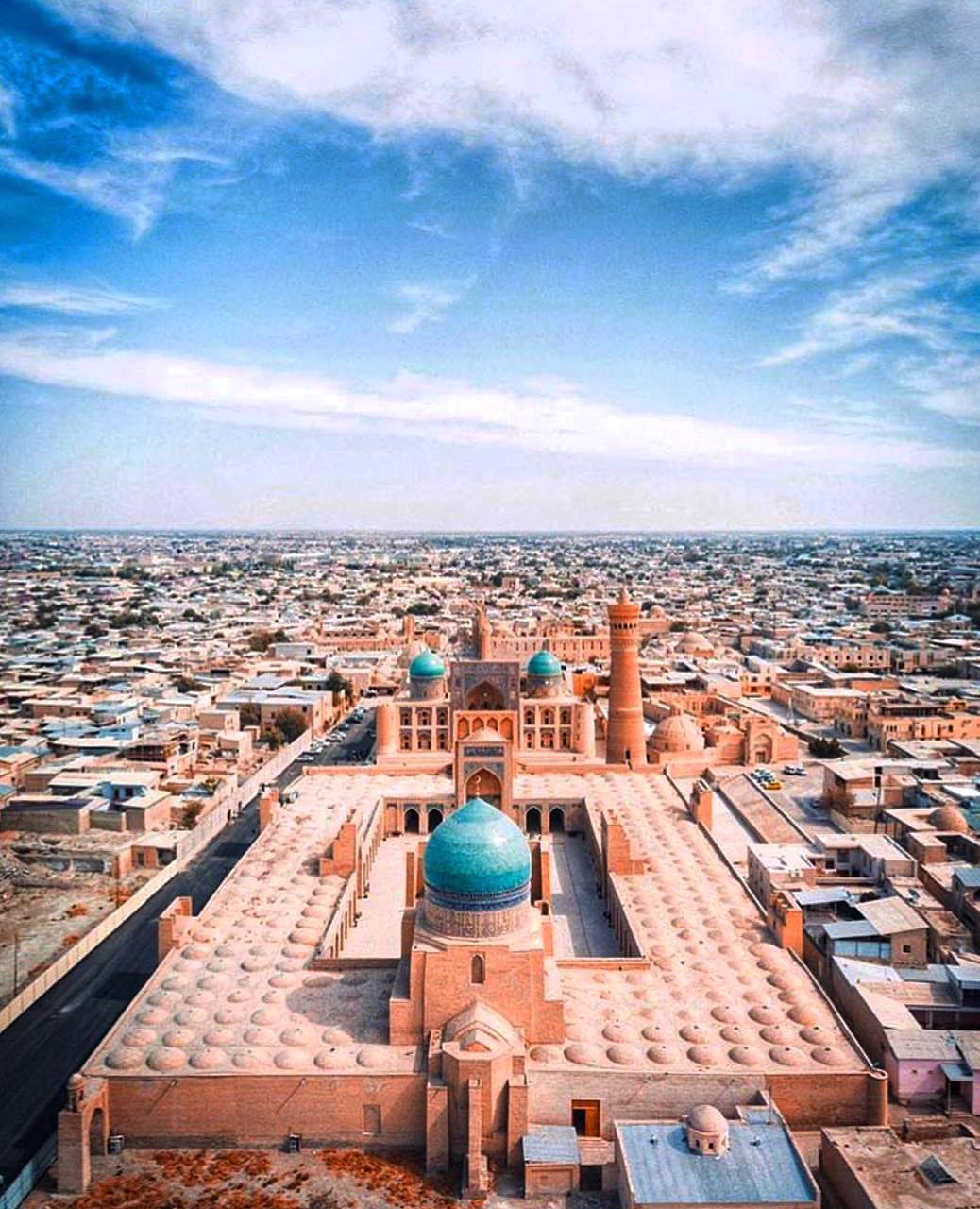
The common problem is petty theft. Pickpockets and bag-snatchers work where people crowd together: bazaars such as Tashkent's old bazaar under a big blue-green dome, not far from Hazrati Imam. Bring cash in so'm. Read more →, the Did you know? A metro designed to ride out a magnitude-9 earthquake The three original lines of the Tashkent Metro were built to withstand an earthquake of magnitude 9.0, and the tunnels lie unusually shallow, only 8–25 m below the street. Read more →, buses. Keep your phone in a front pocket, carry a zipped bag in front of you, and split your cash so it is not all in one place.
Taxis: order through Yandex Go or MyTaxi rather than flagging down a private car. The fare is fixed in the app and the car is traceable. Many older cars have no rear seatbelts, so check before you get in.
Carry your passport at all times; police do check documents, and not having it can mean a fine. If someone in plain clothes says they are police and wants to see your money, ask for ID and offer to walk to the nearest station together.
Photography and local laws
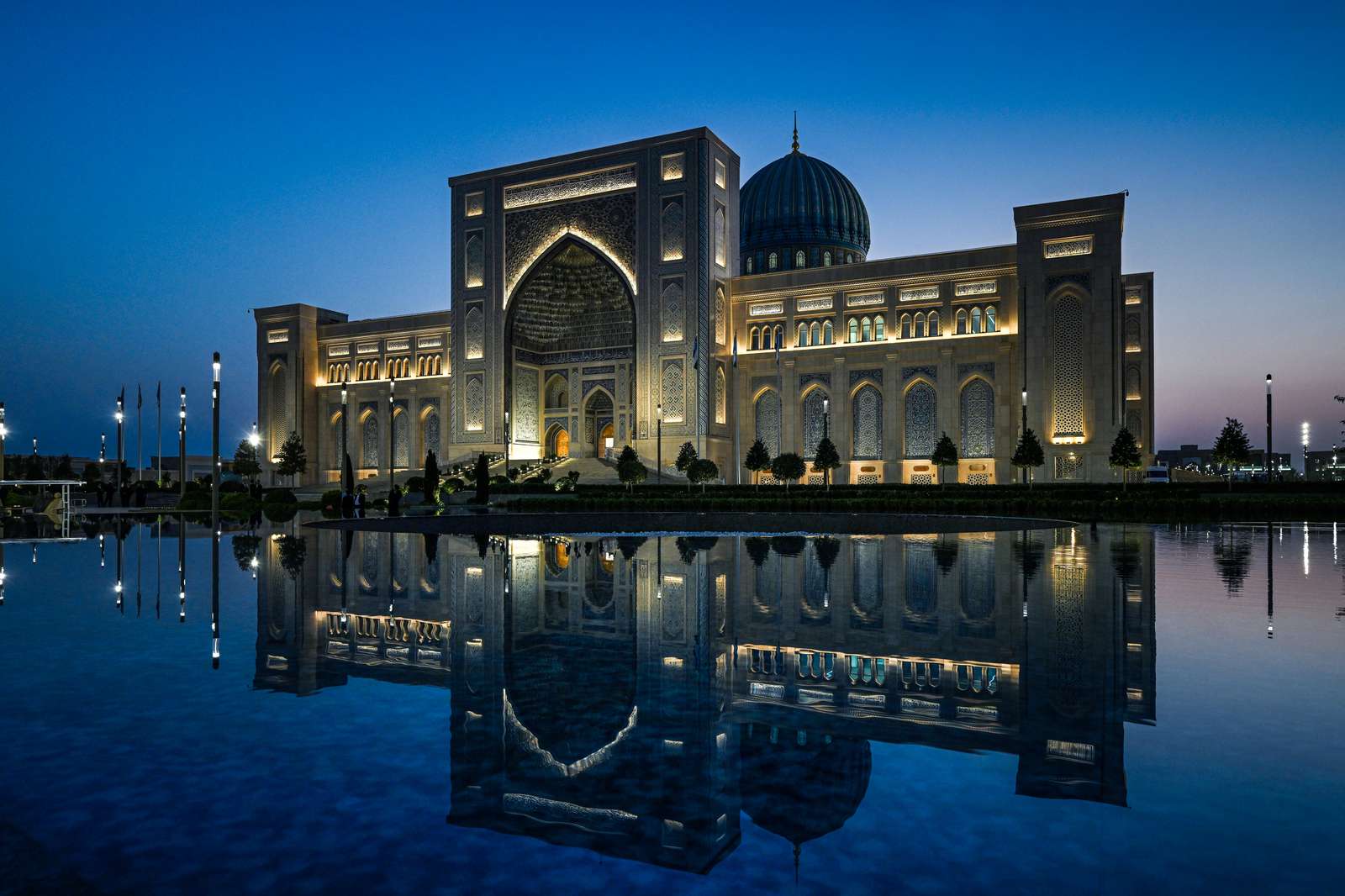
Photography is banned at strategic sites, and the signs are not always there: military buildings, border posts, bridges, police stations, airports and government buildings, including the Palace of Forums in Tashkent. If a guard or police officer waves you away, put the camera down and do not argue. Drug possession carries long prison sentences. Same-sex relationships are illegal, so avoid public displays of affection. Alcohol and cigarettes are sold only to people aged 21 and over.
Water and food
Do not drink tap water, anywhere in the country. Bottled water costs little and is sold in every shop and kiosk; use it for brushing your teeth too. At roadside stalls, skip the ice.
The food itself is rarely the problem. Rice cooked in a kazan with carrots, onions and meat: the dish of every Uzbek celebration. Each region cooks it its own way., shashlik, samsa straight from the tandoor: anything served hot is safe. Wash fruit with bottled water or peel it. Wash your hands before eating, and keep a hand sanitiser in your bag for the bazaar.
Street dogs and cats are best left alone; rabies is present in the region. If an animal bites or scratches you, wash the wound with soap and water and see a doctor the same day.
Which vaccines you need is a question for your doctor or a travel clinic, ideally eight weeks before departure. Hepatitis A, hepatitis B and typhoid are the ones usually discussed for Central Asia.
The heat
Summer here is serious. The average July high is 35.9°C in Tashkent, 34.5°C in Samarkand and 37.3°C in Bukhara, and Bukhara has recorded 45.8°C. There is almost no rain in July and no cloud to hide behind.
In summer we advise sightseeing in the early morning and after five in the evening, with a long lunch and a rest in the middle of the day. Wear a hat and loose cotton clothing, drink before you feel thirsty, and eat something salty if you sweat a lot. Headache, nausea and dizziness are signs of heat stroke: get into the shade and call a doctor. Spring and autumn are much gentler; see when to visit Uzbekistan.
Pharmacies, clinics and insurance
A pharmacy is easy to find in any city: look for the sign “Dorixona” in Uzbek or “Apteka” in Russian. Painkillers, rehydration salts, plasters and antiseptic are on every shelf. Fake and expired medicines do occur, so buy in large, well-stocked pharmacies, and bring any medicine you take regularly from home.
Prescription medicines must be declared on the customs form, with the prescription in your bag. Some medicines sold freely in Europe, especially those containing codeine, are restricted here and can cause problems at the border.
For a doctor who speaks English, go to a private clinic in Tashkent: Tashkent International Clinic (with a doctor on call around the clock), SOS International Clinic or Akfa Medline University Hospital. Outside the capital the choice is much narrower, and doctors often expect foreigners to pay up front.
That is why insurance is not optional. Take a policy that covers treatment, hospital stays and medical evacuation home, and keep the insurer’s 24-hour number in your phone.
Emergency numbers
112 is the single emergency number and works throughout the country. The old direct lines still work as well: 101 fire, 102 police, 103 ambulance. If you are travelling with us, call your guide first: they speak the language and know where the nearest hospital is.
More on preparing for the trip: visa, internet and mobile network, currency exchange. Routes are in the tour catalogue and the tour finder.
In short
- Uzbekistan is a safe country to travel; the real risk is pickpockets in crowds, so keep your phone and cash close.
- Take taxis through Yandex Go or MyTaxi, carry your passport, and do not photograph military, police or government buildings.
- Drink only bottled water, and in summer stay out of the midday sun.
- Bring your regular medicines and declare prescription ones; for an English-speaking doctor, go to a private clinic in Tashkent.
- Emergency number: 112; get insurance with medical evacuation.