

Samarcanda
A joia da Rota da Seda: o Registan, as cúpulas azuis de Shah-i-Zinda, o mausoléu de Timur e um bazar que funciona há séculos.
- 2–3 dias bastam para as principais atrações
- Cerca de 2 horas de Tashkent de trem de alta velocidade
- Passeios fáceis nos arredores: Shahrisabz, Penjikent e os Sete Lagos
Encontrar um roteiro sob medida → Todos os roteiros para Samarcanda (14)
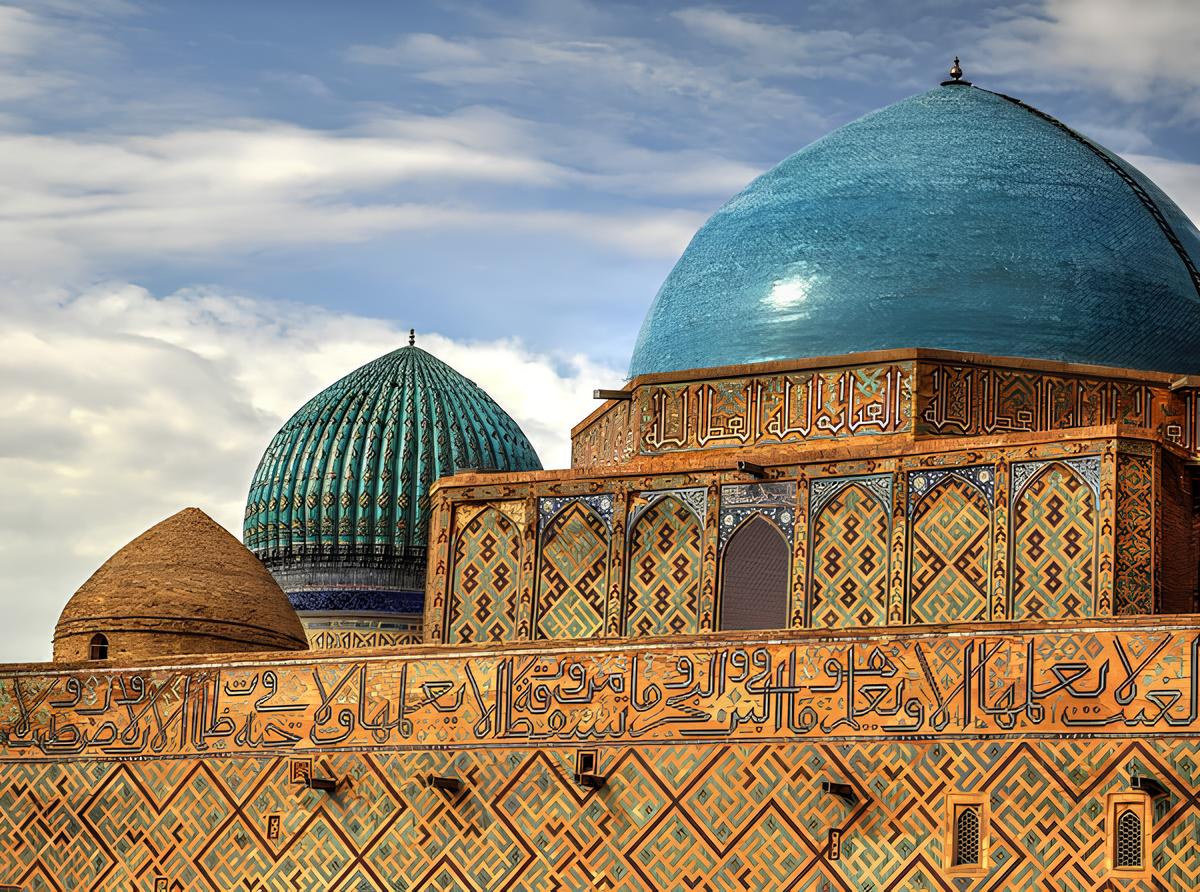
Sobre Samarcanda
Samarkand is a city of about 600,000 people, and on an ordinary day most of them never go near the Você sabia? O leão com o sol do Registan foi parar numa cédula A Madraça Sher-Dor (1619–1636) deve o nome aos grandes felinos com o sol nas costas do seu portal. A imagem apareceu no verso da cédula de 200 som do Uzbequistão, de 1997. Saiba mais →. They buy bread at O principal bazar de Samarcanda, colado à Bibi-Khanym: pão de Samarcanda, frutas secas, castanhas e halva. Saiba mais → Bazaar, work and study in the town built in Russian and Soviet times, and drive past monuments that visitors cross the world to see. The old town is compact: almost everything worth a ticket lies on one line a few kilometres long, from Você sabia? A lápide de Timur foi para a Pérsia e voltou A laje de jade verde-escuro sobre o túmulo de Timur no Gur-e-Amir foi levada por Nader Shah em 1740. Ela se partiu e, por insistência dos conselheiros, ele a devolveu a Samarcanda. Saiba mais → to Você sabia? Por que Shah-i-Zinda significa “o Rei Vivo” A necrópole cresceu em torno do santuário de Qutham ibn Abbas, primo do Profeta Maomé. Diz a lenda que ele não morreu em batalha, mas desceu por um poço profundo até um jardim do paraíso, onde continua vivo. Saiba mais →.
The city first stood on the Você sabia? Um mural do século 7 mostra enviados da Coreia Achada por construtores de estrada em 1965, a Pintura dos Embaixadores de Afrasiyab mostra delegações com presentes, entre elas chineses com seda, e dois homens de chapéu de penas, tidos como enviados de Goguryeo, na Coreia. Saiba mais → hill. After the Mongols destroyed it in 1220, it was rebuilt to the south, and in 1370 Amir Timur (Tamerlão, 1336–1405), fundador do império timúrida, que tinha a capital em Samarcanda. Nasceu perto de Shahrisabz. made it the capital of his empire. Most of what you see dates from Timur, his grandson Você sabia? Ulugh Beg mediu o ano com erro de só 25 segundos Em seu observatório em Samarcanda, Ulugh Beg calculou o ano trópico em 365 dias 5 h 49 min 15 s, cerca de 25 segundos a mais, mais perto do que Copérnico um século depois. Saiba mais → and the 17th century, when the Registan got its other two Uma escola islâmica: celas de estudantes e salas de aula em torno de um pátio, atrás de um portal imponente. Nas cidades antigas, muitas hoje abrigam museus e oficinas de artesanato..
História em poucas linhas
- c. 700 BCA city grows on the Afrasiyab hill. Alexander the Great takes it in 329 BC; the Greeks call it Maracanda.
- c. 710Arab armies under Qutayba ibn Muslim take Samarkand and bring Islam. The shrine of Shah-i-Zinda is linked to the first Arab campaigns.
- 1220Genghis Khan's army destroys the city on Afrasiyab. Samarkand is later rebuilt to the south, where it stands today.
- 1370Timur makes Samarkand the capital of his empire. A grande mesquita que Amir Timur mandou construir após sua campanha na Índia de 1398–1399, uma das maiores da sua época. Saiba mais →, Gur-e-Amir and much of Shah-i-Zinda come from his reign and his family.
- 1417Timur's grandson Ulugh Beg begins his madrasah on the Registan, and in the 1420s builds his observatory on a hill outside the city.
- 1868The Russian Empire takes the citadel, and a new town grows beside the old one. From 1925 to 1930 Samarkand is the capital of Soviet Uzbekistan.
- 2001The historic city joins the UNESCO World Heritage List as Samarkand – Crossroads of Cultures.
O que ver
Carregando o mapa…
Mapa: © colaboradores do OpenStreetMap
-
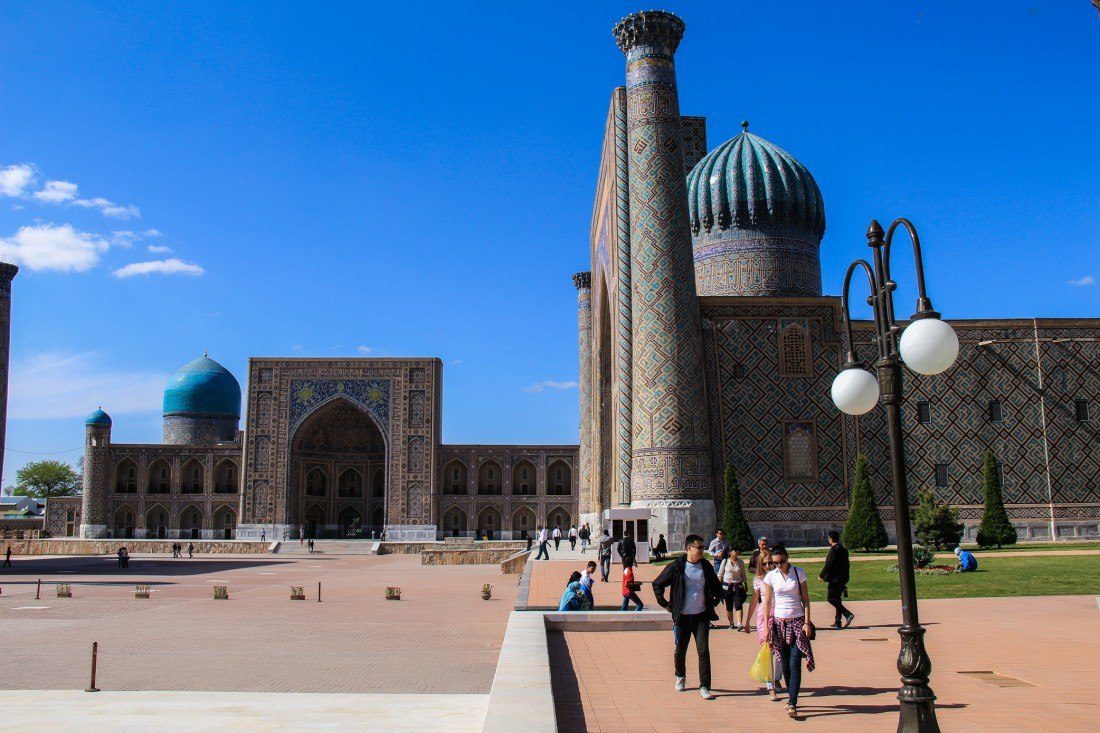
1Registan
Three madrasahs face one square: Ulugh Beg's (1417–1420) on the west, Sher-Dor (1619–1636) opposite and Tilya-Kori (1646–1660) between them. Tilya-Kori means 'gilded': step into its mosque to see why. The square opens at 8 a.m.; come early for the sun on Ulugh Beg's facade, and again in the late afternoon, when the light moves to Sher-Dor.
-
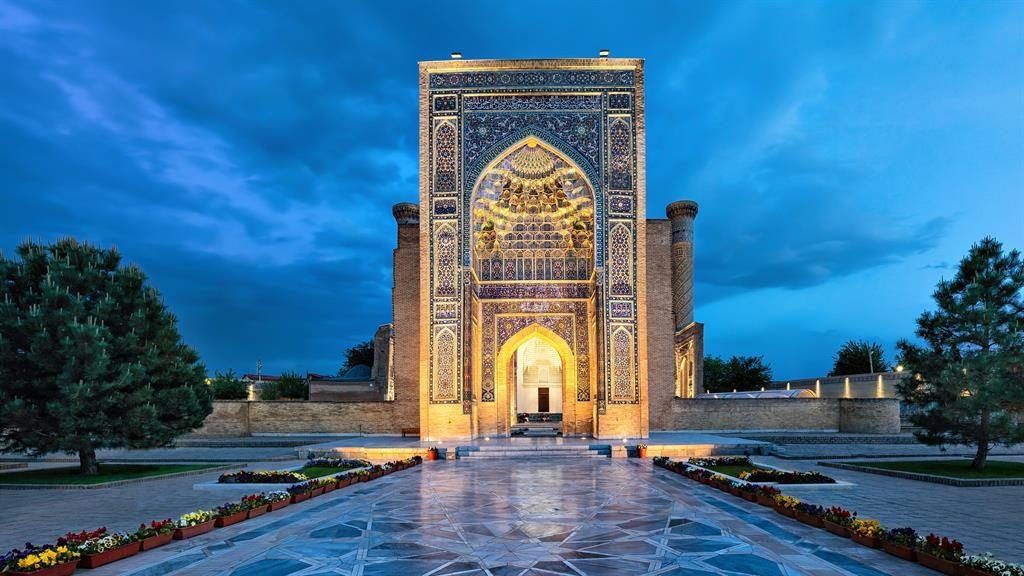
2Gur-e-Amir
Timur's mausoleum, completed in 1404; his sons and grandsons, Ulugh Beg among them, lie here too. Outside is a ribbed turquoise dome, inside a gilded interior. Come at the end of the day, when the portal is at its best in the dusk.
-
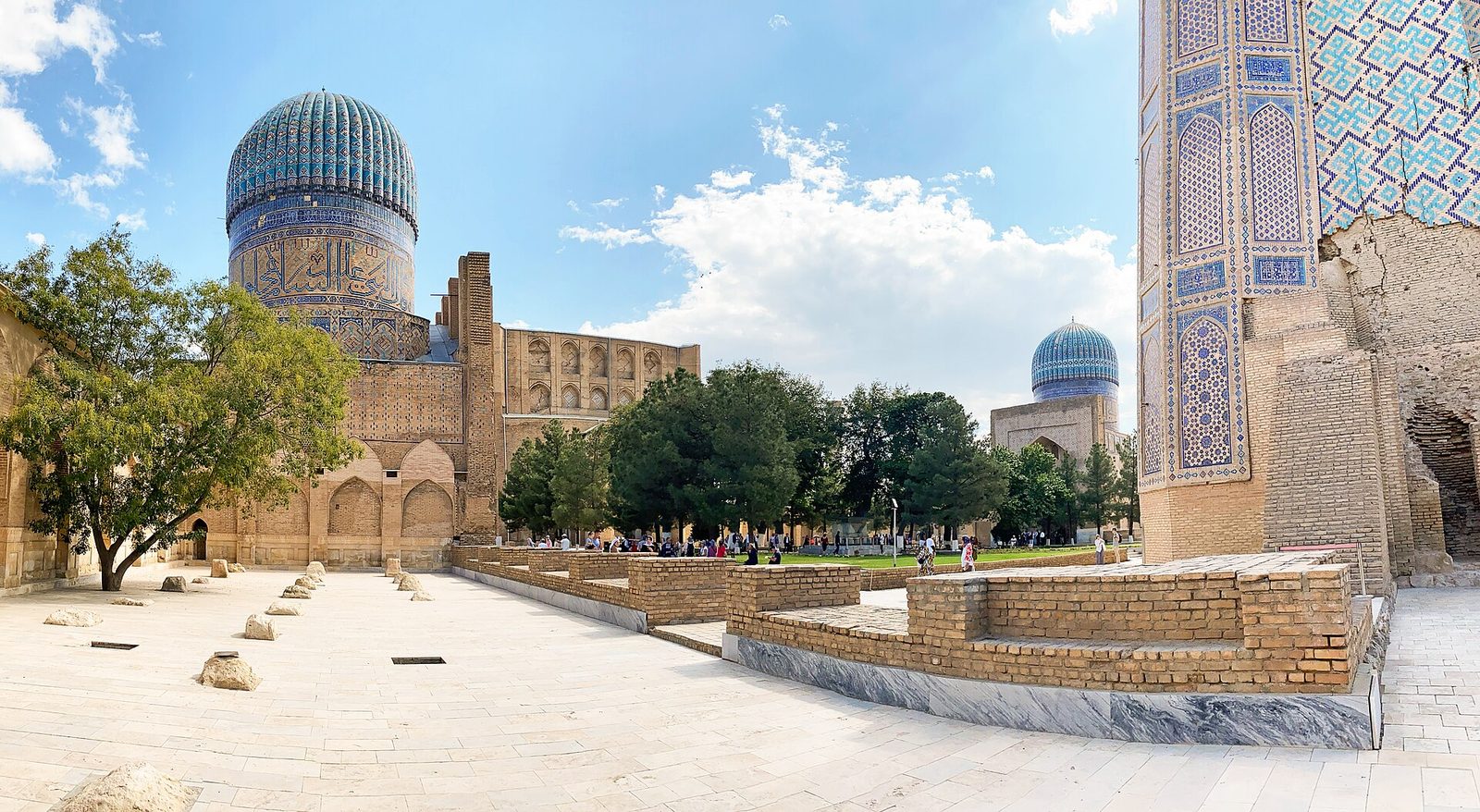
3Bibi-Khanym Mosque
The Friday mosque Timur ordered after his Indian campaign of 1398–1399, one of the largest of its time. It is about 700 m from the Registan along a pedestrian street, so walk there. Across the road stands a small mausoleum of the same name.
-
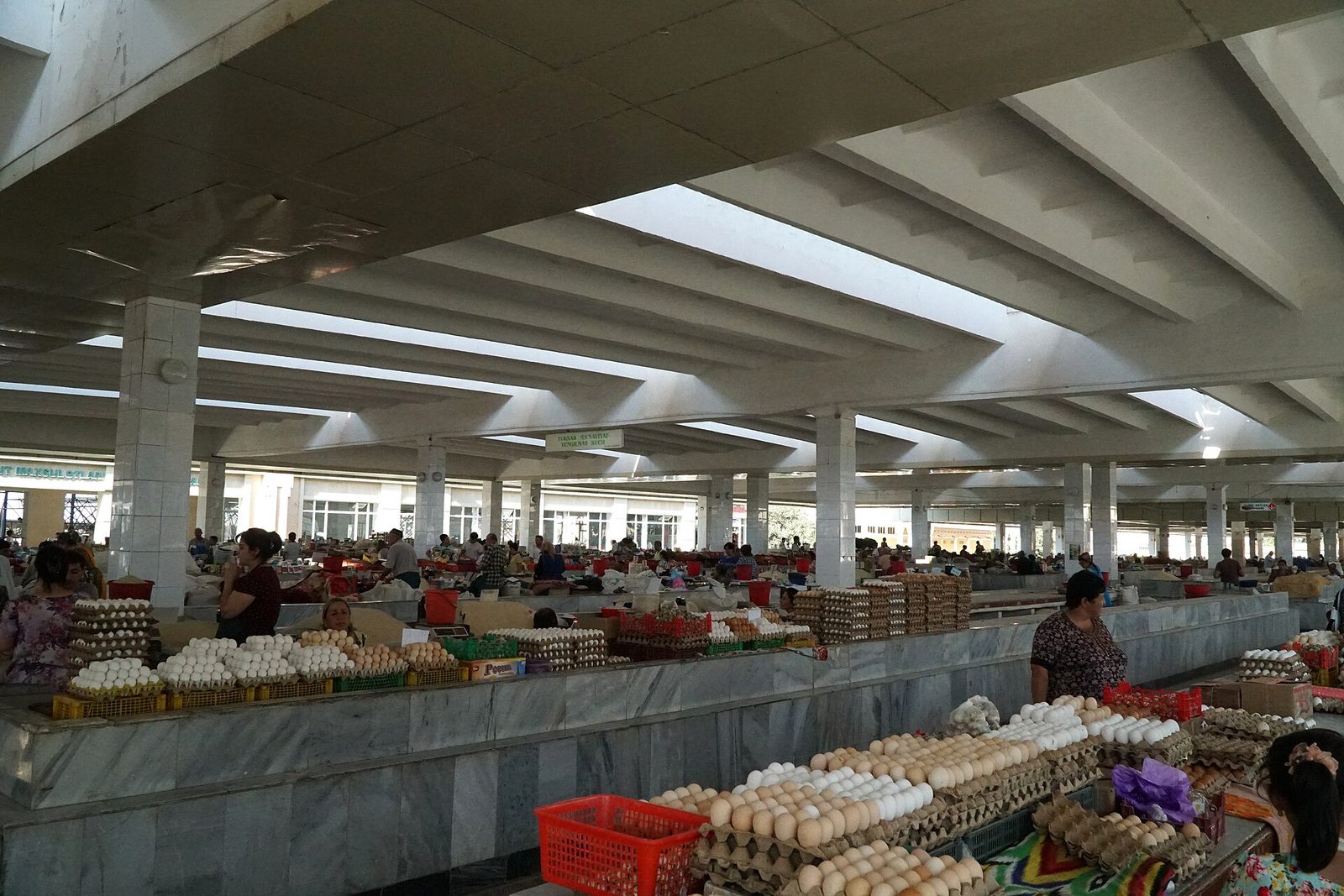
4Siab Bazaar
The city's main bazaar starts right beside Bibi-Khanym and trades from first light until dark. Dried fruit, nuts, halva, spices and more than seventeen kinds of flatbread: come hungry and bring cash in som.
-
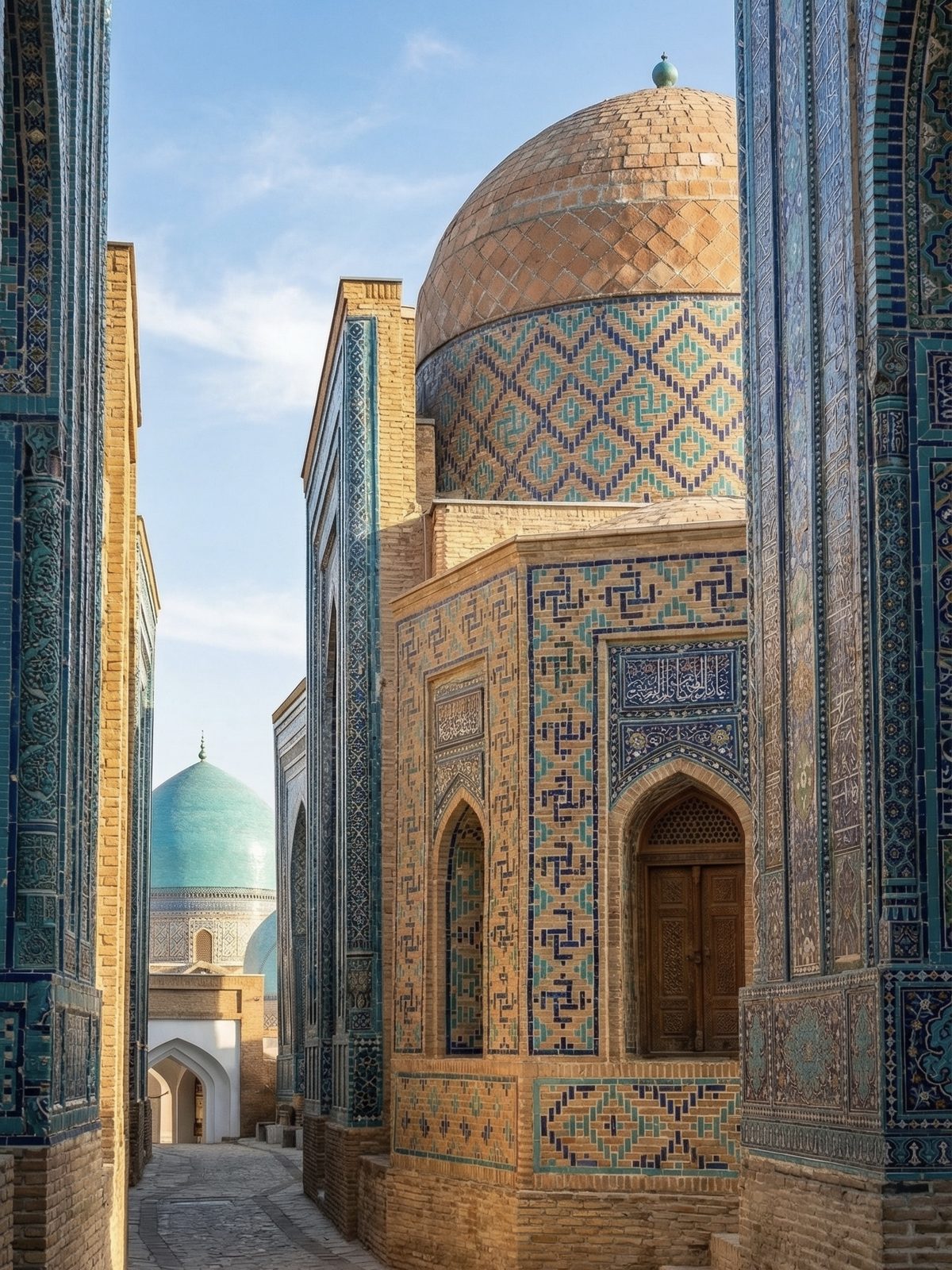
5Shah-i-Zinda
A narrow lane of more than twenty mausoleums climbs the slope; most were built in the 14th and 15th centuries, many for women of Timur's family. It is a place of prayer, so cover shoulders and knees. Come early in the morning, before the heat and the groups.
-
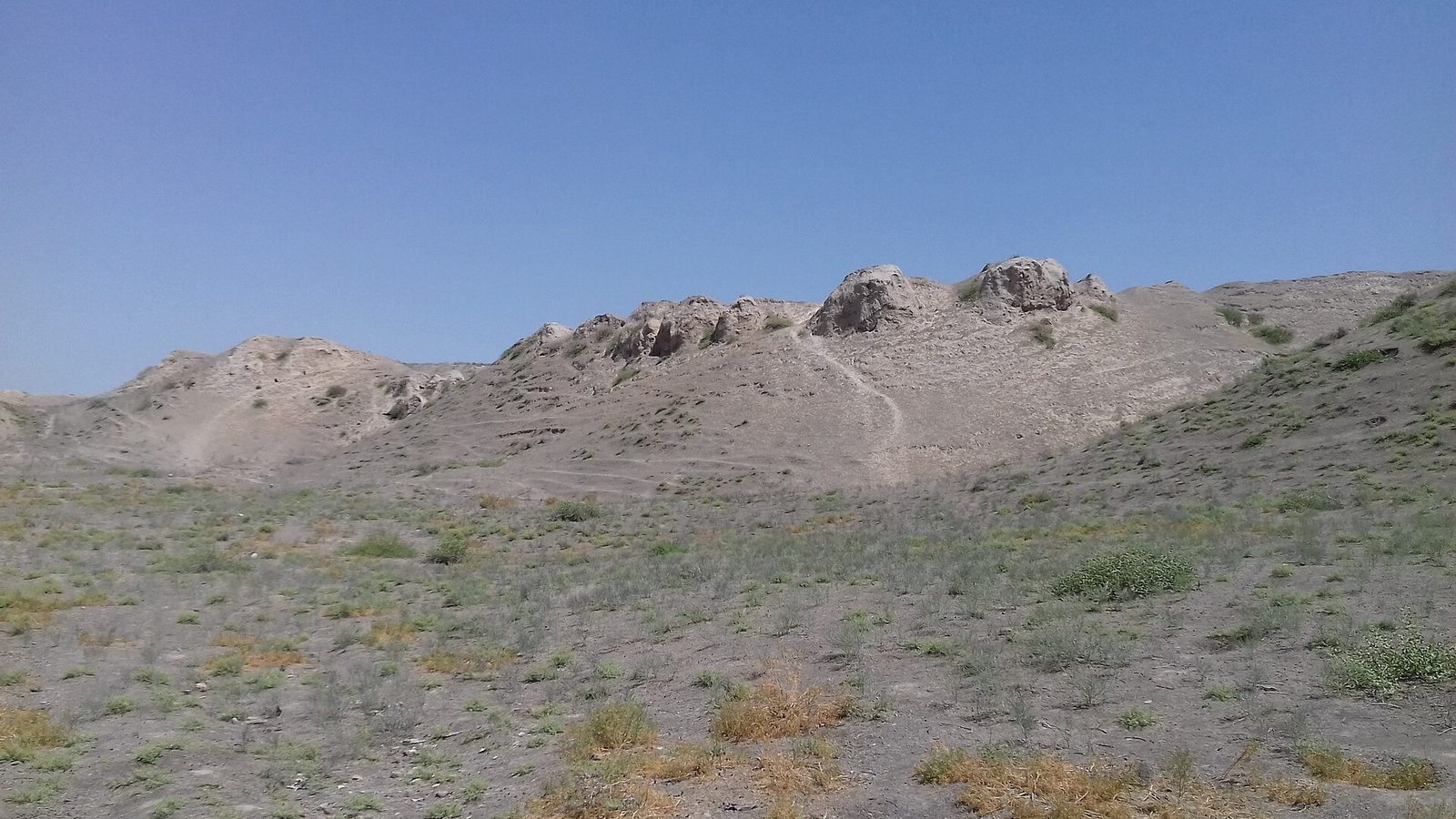
6Afrasiyab
The hill where Samarkand stood until 1220, about a kilometre beyond Shah-i-Zinda, with a museum of what was dug up here. The reason to go is a 7th-century wall painting of foreign embassies at a royal court. The museum is open 9:00–17:00.
-
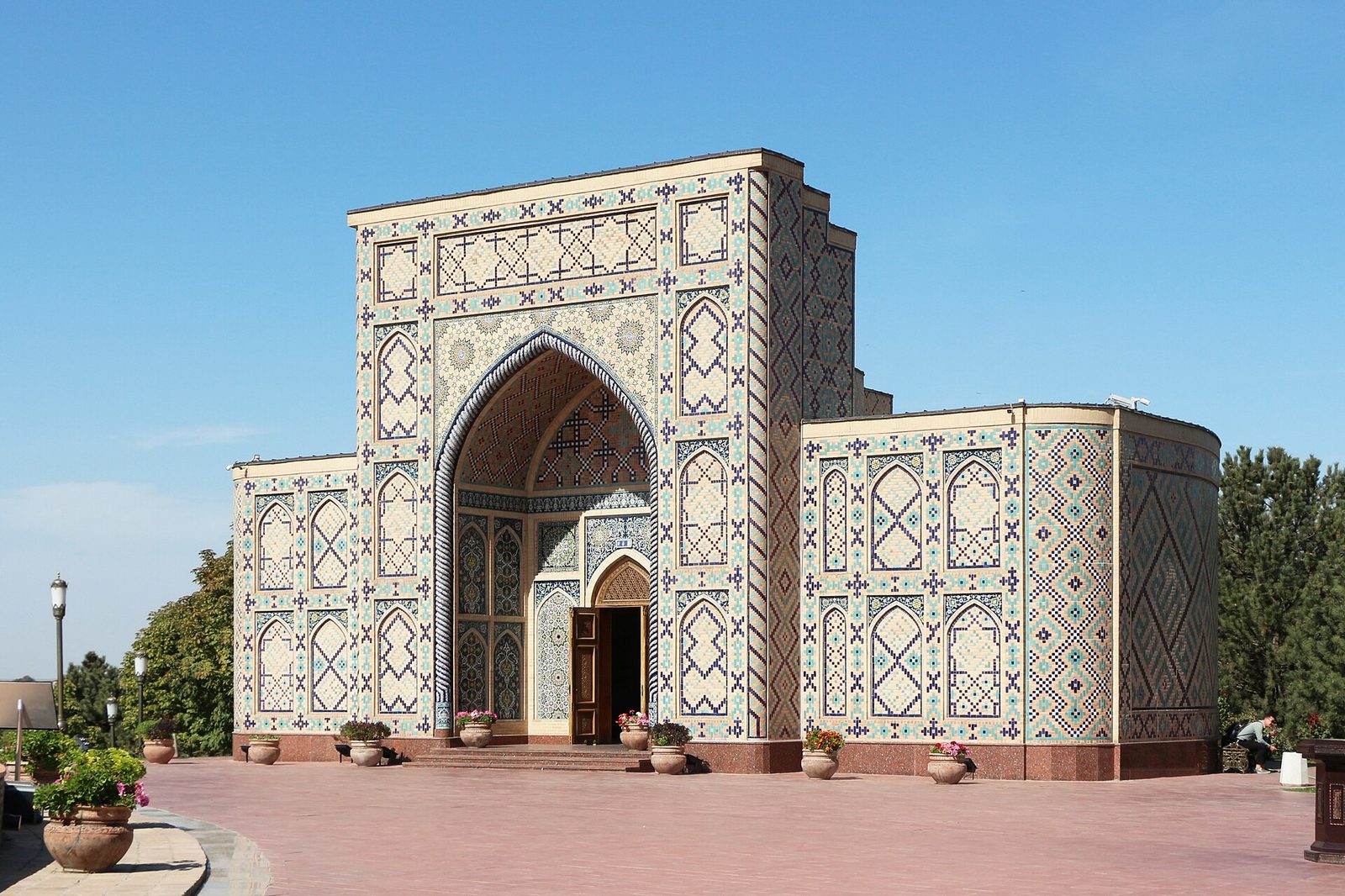
7Ulugh Beg Observatory
In the 1420s Ulugh Beg built an observatory here around a sextant with a radius of 40 m. In 1908 the archaeologist Vassily Vyatkin dug out its buried marble arc, which you now see set into the hill, with a small museum beside it. It is 3.5 km from the Registan: take a taxi.
-
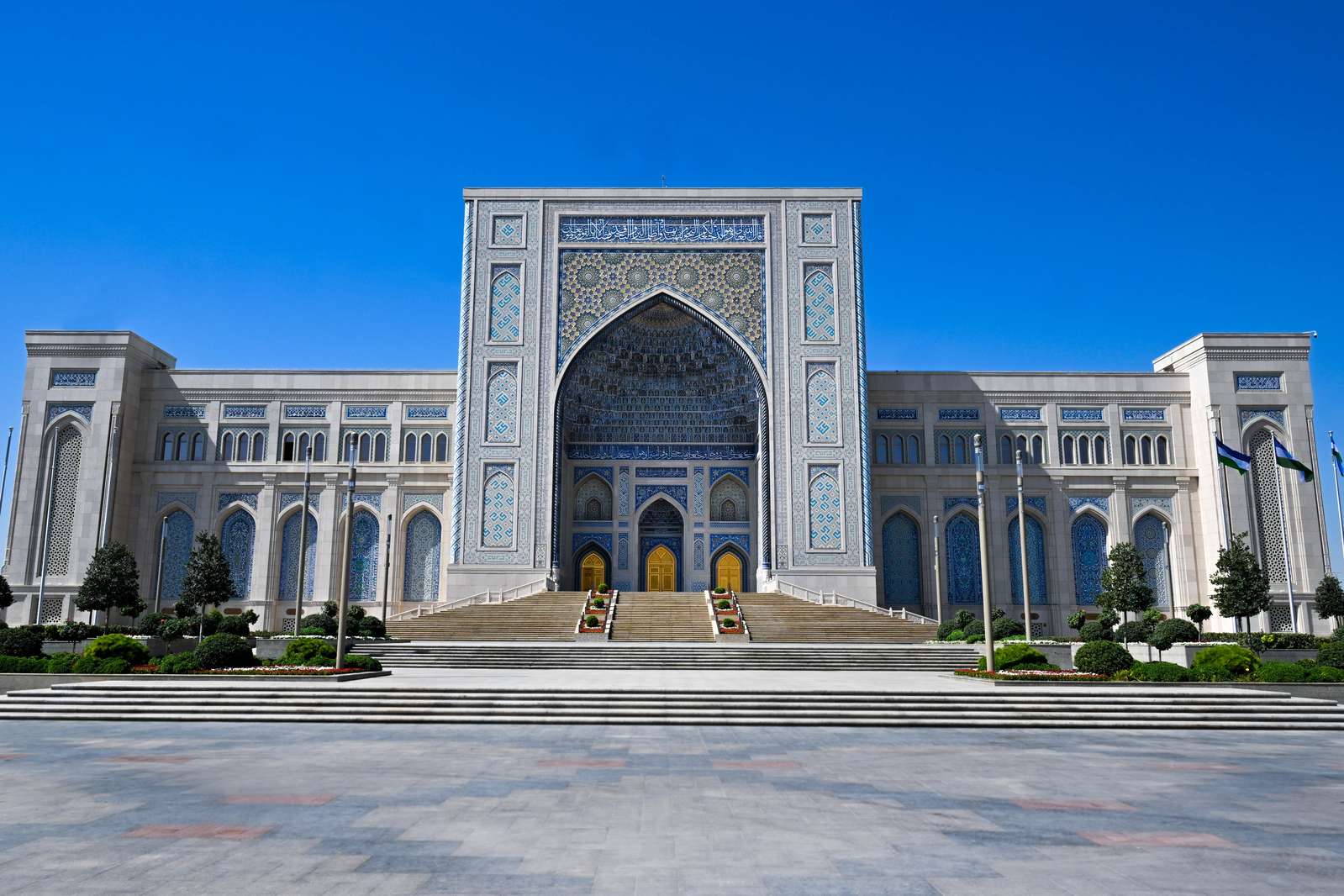
8Imam al-Bukhari complex
The tomb of the hadith scholar Imam al-Bukhari, in the village of Khartang about 25 km from the city. Rebuilt and reopened in March 2026, it has a mosque for 10,000 worshippers, four 75-metre minarets and a museum in nine pavilions. Allow three to four hours and dress as for a mosque.
Fotos: Siab Bazaar, Samarkand — Adam Harangozó / Wikimedia Commons · CC BY-SA 4.0; Afrasiyab ancient settlement, Samarkand — Akhemen / Wikimedia Commons · CC BY-SA 4.0
Bairros
- The old town, Gur-e-Amir to Shah-i-Zinda The monuments line up north-east from Gur-e-Amir: the Registan, a pedestrian street to Bibi-Khanym and the bazaar, then Shah-i-Zinda. You can walk the whole line in a day.
- Afrasiyab and the observatory North of Shah-i-Zinda lie the site of the ancient city and its museum, and further east the Ulugh Beg Observatory. Quieter than the centre; take a car for the last stretch.
- The Russian and Soviet town Beyond the old town is the city built from the late 19th century on, with administrative buildings, theatres and universities. This is everyday Samarkand rather than a museum.
- Silk Road Samarkand A tourist district on the old Soviet rowing canal, opened in 2022: eight hotels and the Eternal City, an ethnographic park with an open-air amphitheatre. We suggest it for an evening walk by the water.
O que comer
- Samarkand non Round bread baked on the walls of a tandoor, denser and heavier than ordinary non, and it keeps for a long time. Buy it hot at Siab Bazaar in the morning.
- Samarkand Arroz cozido num kazan com cenoura, cebola e carne: o prato de toda celebração uzbeque. Cada região o prepara do seu jeito. Here plov is not stirred: rice goes on the platter first, then the carrots, then the meat on top, while in Tashkent everything is mixed. Plov is a midday dish, so order it at lunch.
- Dried fruit, nuts and halva Siab's long rows of dried apricots, raisins, nuts and halva are the best place for presents that survive the flight home. Tasting before you buy is normal.
Como se locomover
The old town is a walk: about 1 km from Gur-e-Amir to the Registan, 700 m along the pedestrian street to Bibi-Khanym and 800 m more to Shah-i-Zinda. For the observatory, the railway station (more than 6 km from the Registan) and the Imam al-Bukhari complex, take a taxi: Yandex Go works in Samarkand and shows the fare before you ride. The city also has buses and, since 2017, modern trams from the railway station, one line running to Siab Bazaar.
Dicas de quem é daqui
- You can buy the Registan ticket online in advance at tickets.registon.uz.
- Cards work in almost all terminals, but carry cash in som for the bazaar and the smaller ticket desks. Leia mais →
- Shah-i-Zinda and the Imam al-Bukhari complex are places of prayer: cover shoulders and knees, and women should bring a scarf. Leia mais →
- In summer, see the open-air sights early and keep the hot afternoon for museums and a long lunch.
- The early O trem de alta velocidade do Uzbequistão: Tashkent a Samarcanda em 2 horas e 30 minutos, Tashkent a Bukhara em cerca de 4 horas. As passagens são vinculadas ao seu passaporte. Saiba mais → from Tashkent arrives before 9 a.m., soon after the Registan opens. Leia mais →
- Shahrisabz, Timur's birthplace, is about 90 km away over a mountain pass: plan a full day. Leia mais →
Nossa opinião: quantos dias você precisa
Dois a três dias dão conta das principais atrações: o Registan, Shah-i-Zinda, Gur-e-Amir e o bazar. Dá para fazer em um dia saindo de Tashkent, mas é preciso sair bem cedo. Shahrisabz e Penjikent são passeios de um dia à parte, então acrescente um dia para cada um.
Já está em Samarcanda? Serviços no destino: salas VIP, traslados, uma noite na cidade, passeios →
Quando ir: mês a mês
Temperatura durante o dia, chuva, feriados e nossa avaliação de cada mês.
- jan7.3° Fresco, menos gente Frio: 7.3° durante o dia 41 mm de chuva ★ 1, 14
- fev9.5° Fresco, menos gente Frio: 9.5° durante o dia 52 mm de chuva
- mar15.2° Excelente Fresco: 15.2° durante o dia 73 mm de chuva ★ 8, 21
- abr21.4° Excelente Agradável: 21.4° durante o dia 63 mm de chuva
- mai27° Excelente Agradável: 27° durante o dia 40 mm de chuva ★ 9
- jun32.4° Bom Quente: 32.4° durante o dia 7 mm de chuva
- jul34.5° Difícil Calor forte: 34.5° durante o dia 2 mm de chuva
- ago33.3° Difícil Calor forte: 33.3° durante o dia 2 mm de chuva
- set28.6° Excelente Agradável: 28.6° durante o dia 3 mm de chuva ★ 1
- out22° Excelente Agradável: 22° durante o dia 16 mm de chuva ★ 1
- nov14.4° Excelente Fresco: 14.4° durante o dia 40 mm de chuva
- dez9.1° Fresco, menos gente Frio: 9.1° durante o dia 39 mm de chuva ★ 8
- 1 jan — Ano-Novo
- 14 jan — Dia dos Defensores da Pátria
- 8 mar — Dia Internacional da Mulher
- 21 mar — Navruz
- 9 mai — Dia da Memória e da Honra
- 1 set — Dia da Independência
- 1 out — Dia do Professor
- 8 dez — Dia da Constituição
- Ramadan Hayit (Eid al-Fitr): a data muda a cada ano
- Kurban Hayit (Eid al-Adha): a data muda a cada ano
Fonte do clima: Википедия, статья «Samarkand», таблица климата (нормы 1991–2020; Pogoda.ru.net, NOAA) — en.wikipedia.org/wiki/Samarkand
Avaliação pela temperatura durante o dia: excelente — 18–30°, bom — 12–18° ou 30–33°, fresco, menos gente — abaixo de 12°, difícil — acima de 33°; chuvas fortes (a partir de 100 mm) rebaixam “excelente” para “bom”. Para as cidades seguimos também a opinião dos nossos especialistas: a temporada vai de março a junho e de setembro a novembro, e março e novembro são os melhores meses (início e fim da temporada, pouca gente); o inverno não é marcado como época ruim.
Como conhecer Samarcanda
Escolha o formato e mostramos os roteiros que combinam.
Inclua a partir daqui
Extensões fáceis de incluir em uma viagem que passa por aqui.
Leia sobre Samarcanda
Atrações de Samarcanda: ingressos, horários e quanto tempo reservarPreço do ingresso do Registan para estrangeiros, horários e quanto tempo reservar em oito atrações de Samarcan…
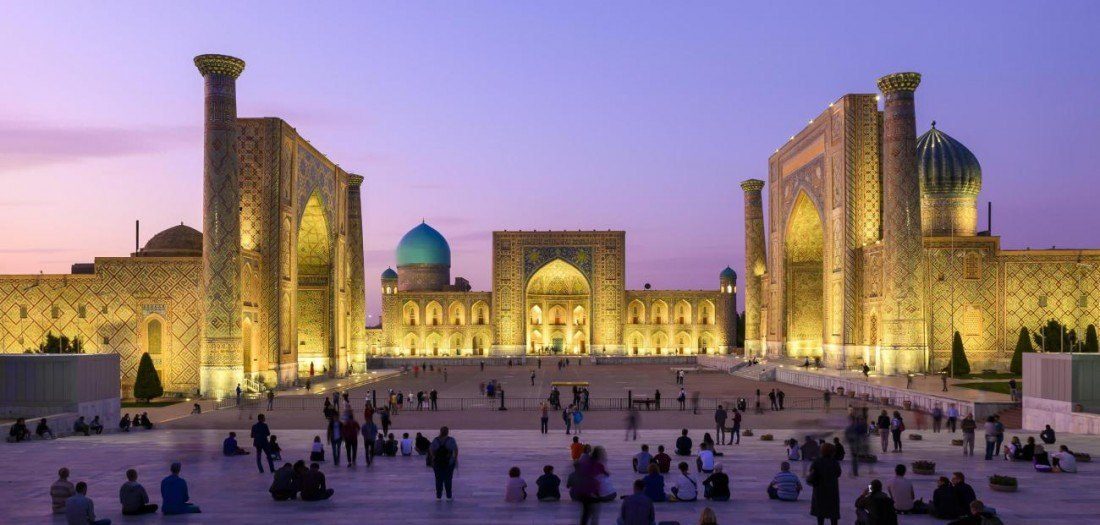 De Tashkent a Samarcanda: trem, carro ou tour de um diaComo ir de Tashkent a Samarcanda: horários e tarifas de 2026 do Afrosiyob, trens mais lentos, qual estação, a …
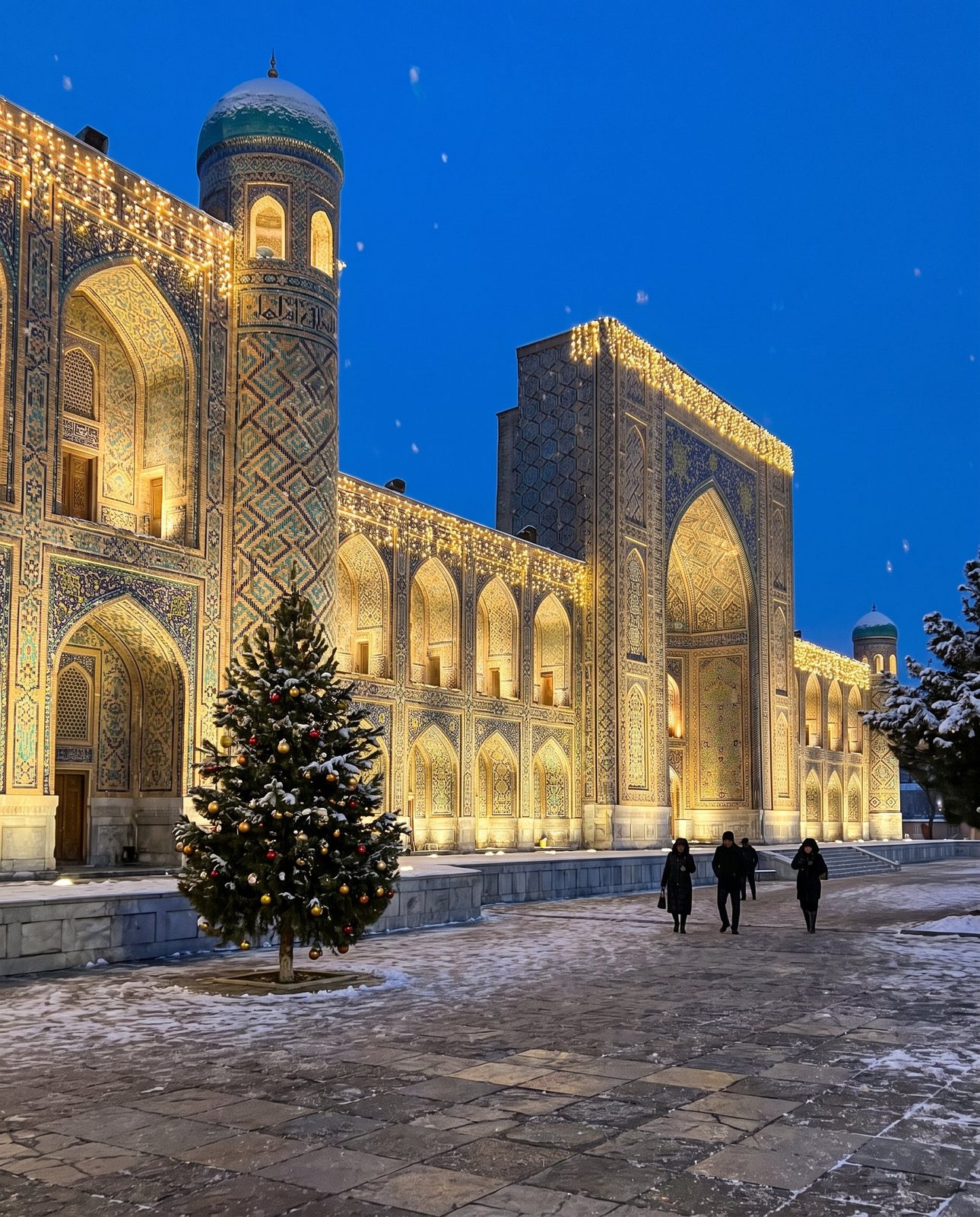 Samarcanda em 1, 2 e 3 dias: como planejamosO Registan às 8h, Shah-i-Zinda antes do calor, uma fábrica de papel artesanal no terceiro dia: como encaixamos…
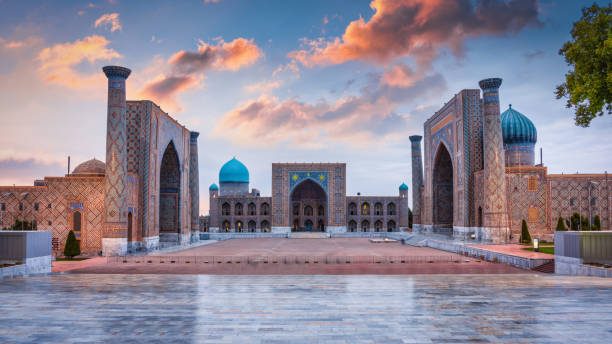 Samarcanda antiga: a pérola do OrienteAmir Timur construiu sua capital para ser vista de longe. Seiscentos anos depois, ela continua sendo.
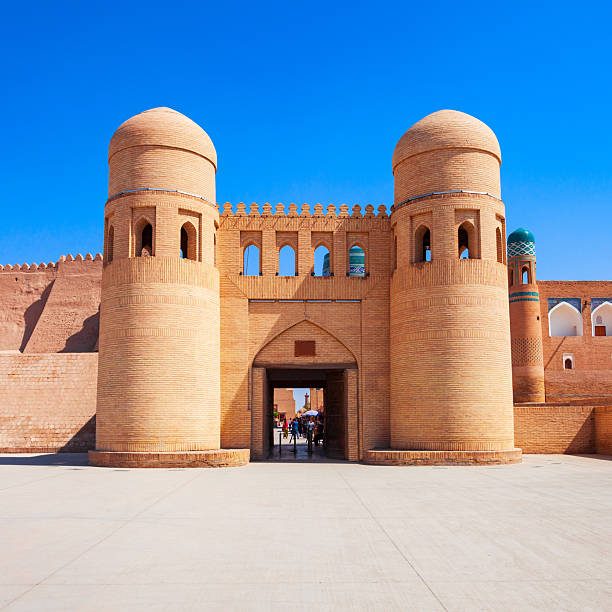 Os melhores tours pelo UzbequistãoIdeias de viagem · Uzbequistão. Os melhores tours pelo Uzbequistão. Não existe um único melhor tour — existe u…
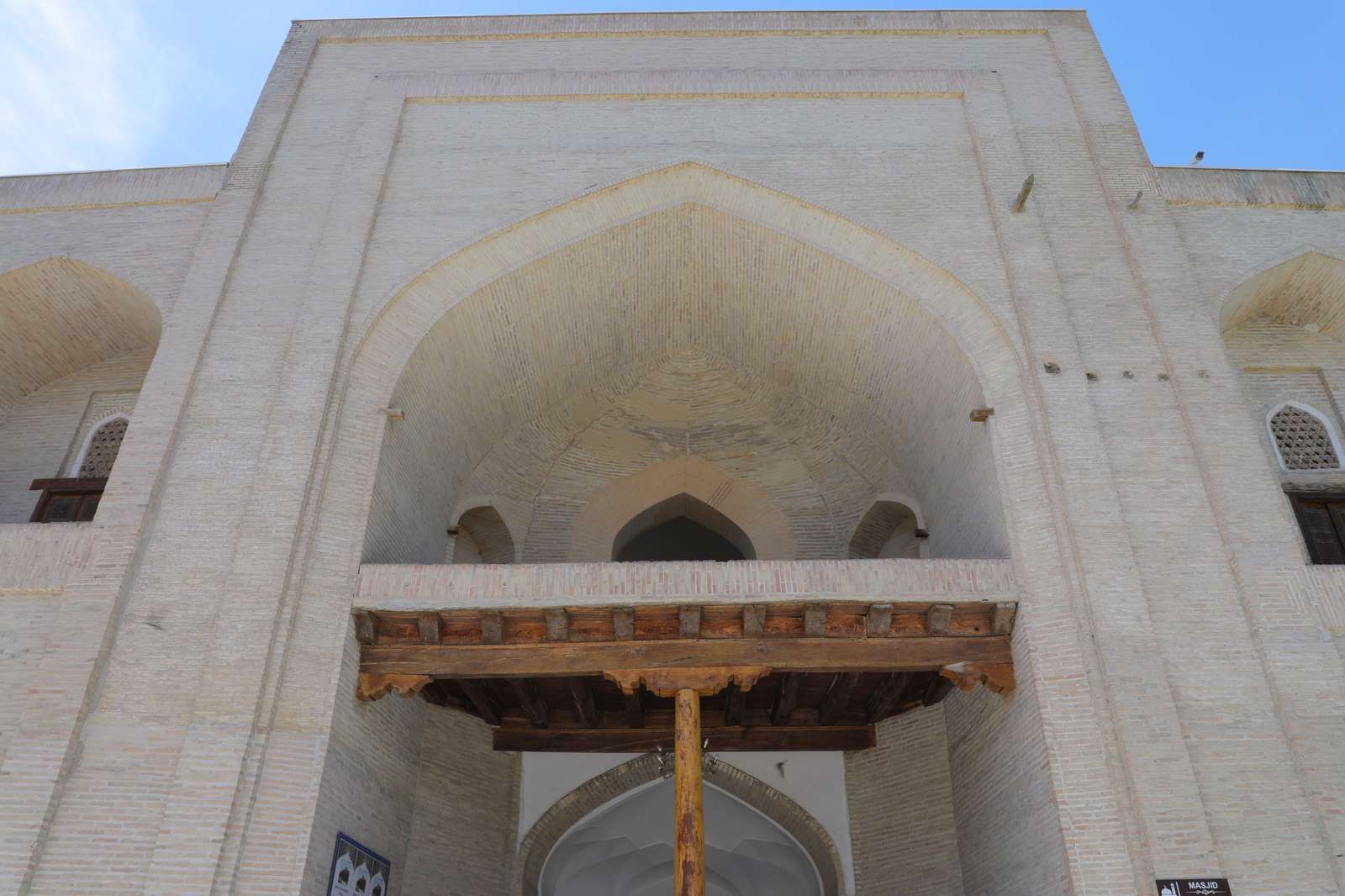 Ziyarat no Uzbequistão: Imam al-Bukhari, Bahauddin Naqshband e os santuários de Bukhara, Samarcanda e TashkentO complexo reconstruído de Imam al-Bukhari, Shah-i-Zinda, os sete pirs de Bukhara e Hazrati Imam: o que é cada…
Samarcanda: perguntas antes da viagem
Quantos dias ficar em Samarcanda?
2–3 dias bastam para as principais atrações
Como chegar a Samarcanda?
Cerca de 2 horas de Tashkent de trem de alta velocidade Mais no artigo: Voos para o Uzbequistão: como chegar da Europa, dos EUA e dos Emirados
Qual a melhor época para ir a Samarcanda?
A primavera (abril–maio) e o outono (setembro–outubro) são as épocas mais agradáveis; no verão os dias são quentes. Mais no artigo: Qual é a melhor época para visitar o Uzbequistão? Estações e clima
O que dá para incluir por perto?
Passeios fáceis nos arredores: Shahrisabz, Penjikent e os Sete Lagos
Antes de viajar
Visto, estação, orçamento e voos: as respostas rápidas.
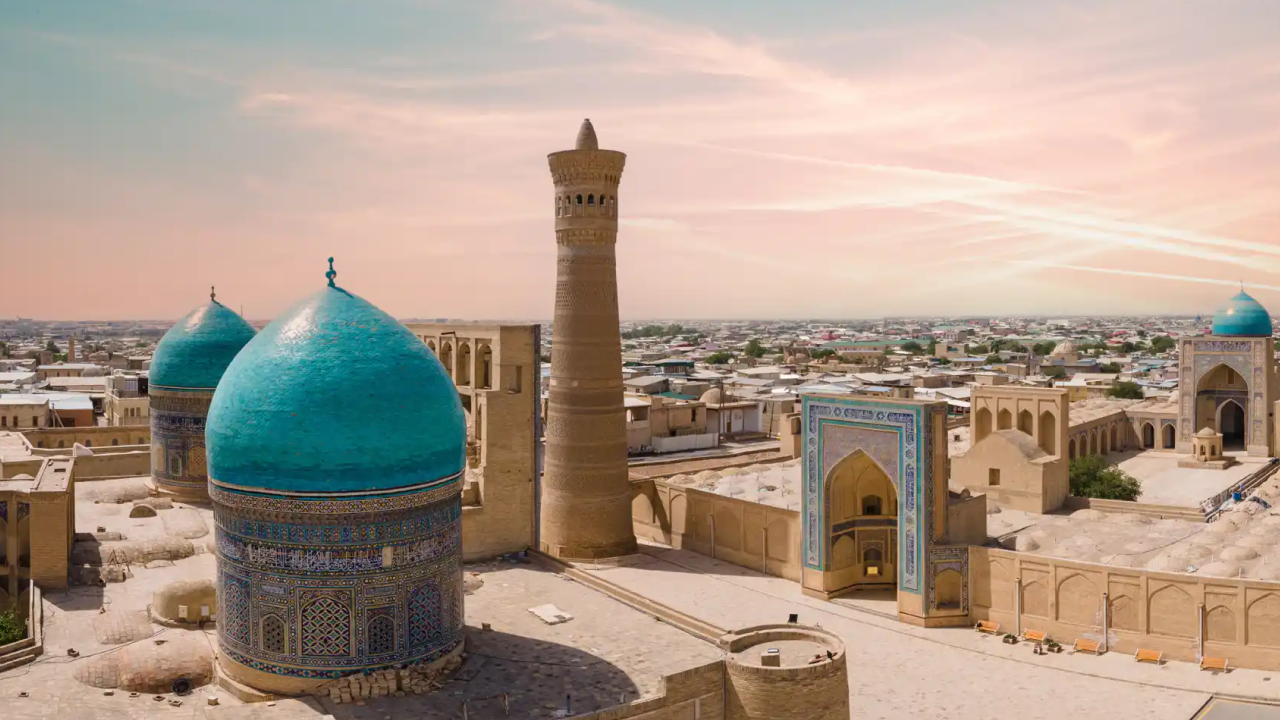 Preciso de visto para o Uzbequistão? Guia completo para turistasAntes de viajar, é essencial verificar as exigências de visto. O Uzbequistão simplificou suas regras de entrad…
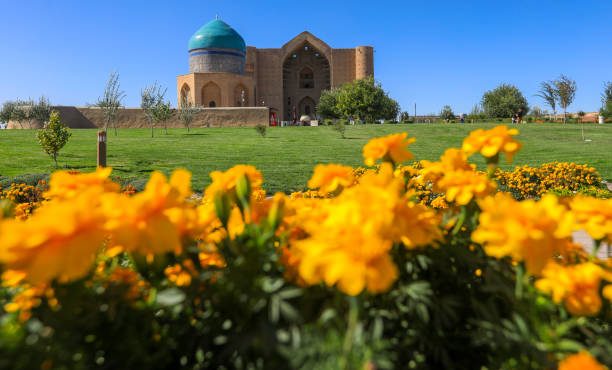 Qual é a melhor época para visitar o Uzbequistão? Estações e climaO Uzbequistão é um país ensolarado, com uma história antiga e uma hospitalidade lendária. Para que a sua viage…
 Quanto custa uma viagem ao Uzbequistão? Orçamento para 1 semanaO Uzbequistão é um dos destinos com melhor custo-benefício da Rota da Seda. Abaixo, um detalhamento prático de…
 Voos para o Uzbequistão: como chegar da Europa, dos EUA e dos EmiradosO Uzbequistão recebe visitantes o ano todo, e chegar lá é simples quando você conhece os melhores hubs e compa…
Não encontrou sua viagem?
Conte o que você quer: um consultor prepara um roteiro e um preço em até 24 horas.