
 Deutsch
 English
 Español
 Français
 Italiano
 Polski
 Português
 Suomi
 Svenska
 Türkçe
 Ελληνικά
 Български
 Русский
 עברית
 한국어
 中文
 日本語
Places in this article: Samarkand · Tajikistan
Seven Lakes of Tajikistan from Samarkand: a day trip or a jeep expedition
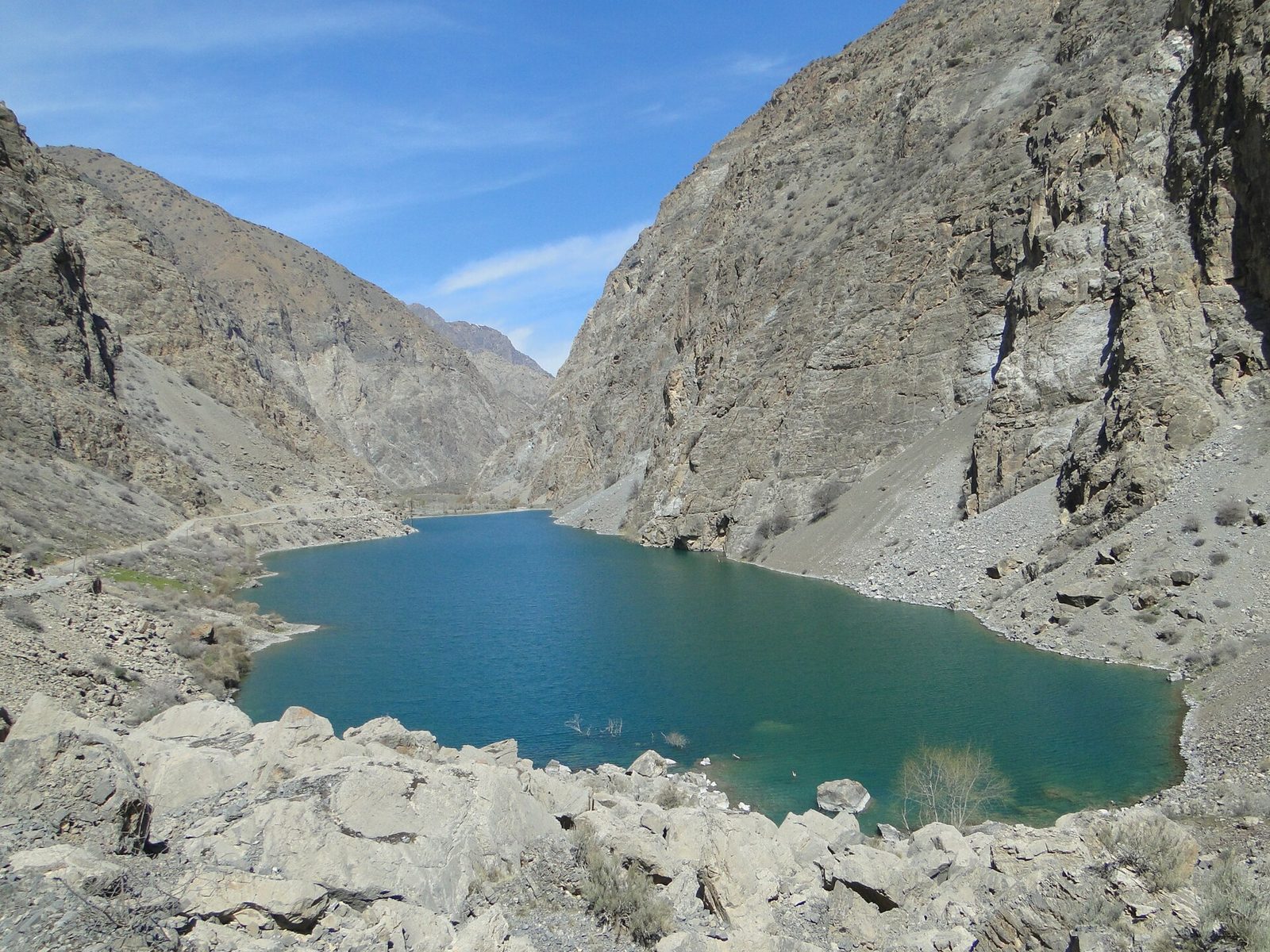
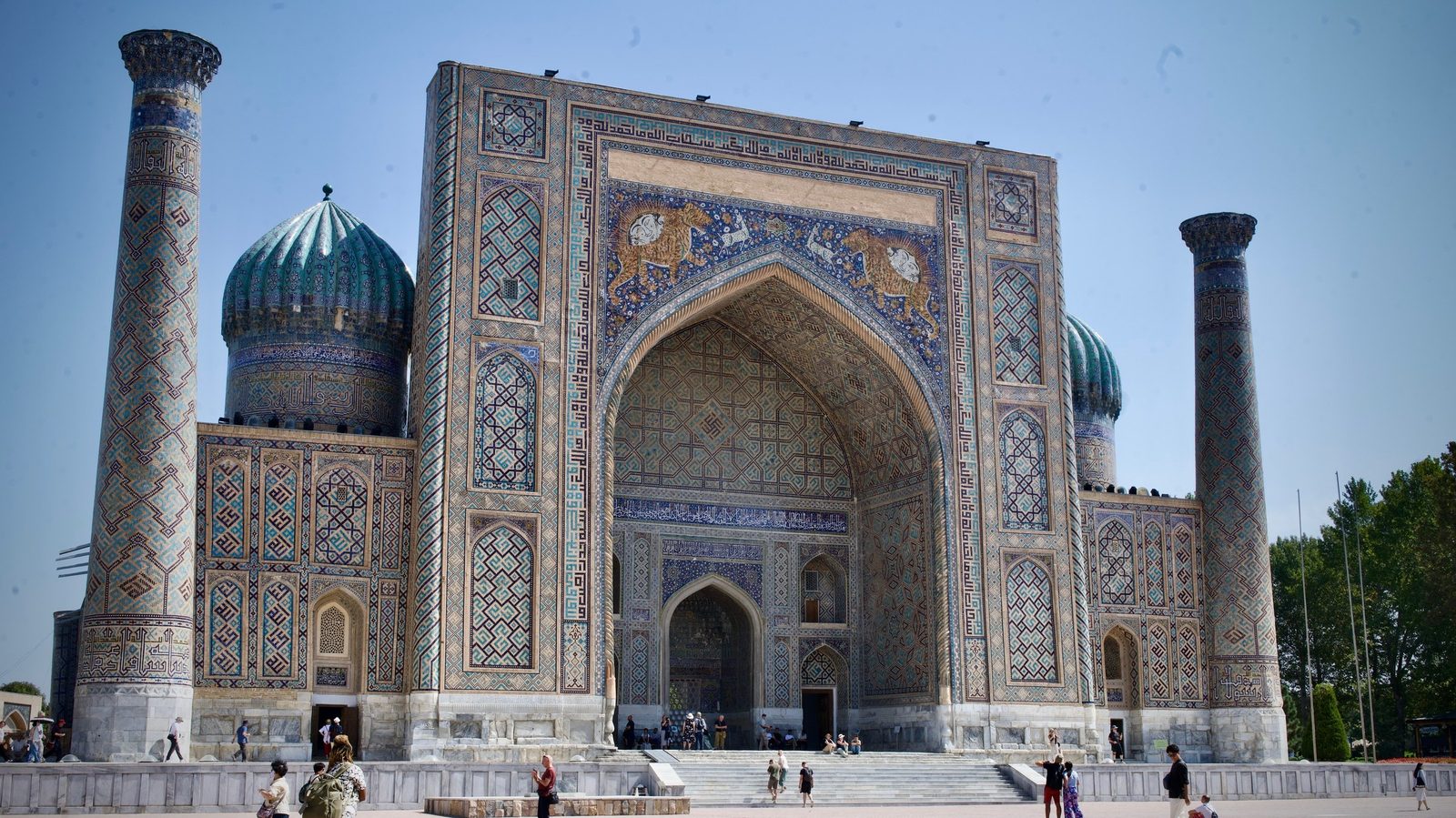
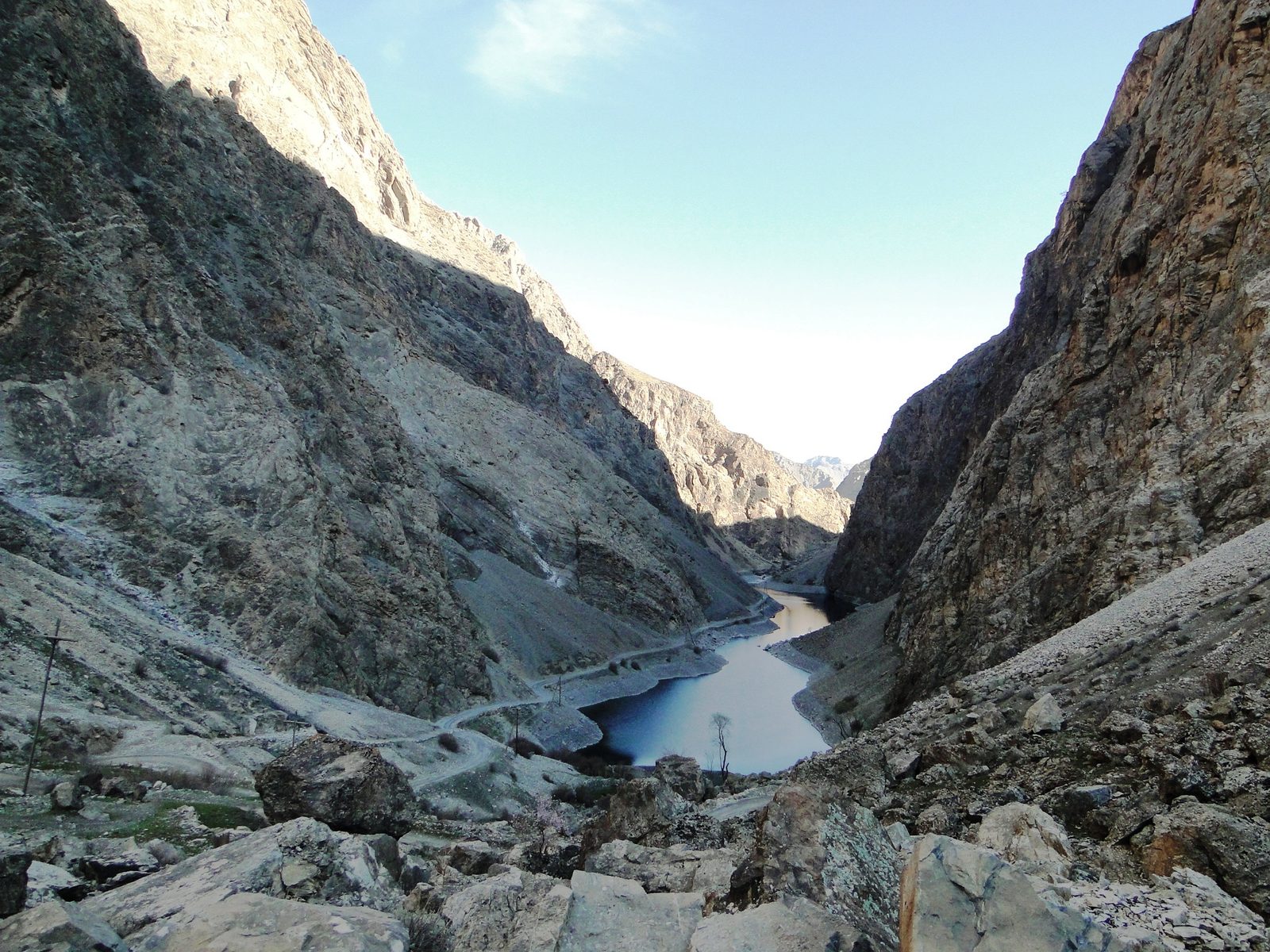
From the Did you know? The Registan's sun-carrying lion went on a banknote The Sher-Dor Madrasah (1619–1636) is named for the big cats with the sun on their backs on its portal. The image appeared on the reverse of Uzbekistan's 200-som note of 1997. Read more → to the first of the Did you know? Each of the Seven Lakes has its own name and colour The Haftkul lakes climb from about 1,600 m to 2,400 m. Their names mean 'eyelashes', 'shadow', 'vigilance' and 'small', among others; the largest is Marguzor, and the highest, Hazorchashma, means 'a thousand springs'. Read more → is one morning’s drive. You leave Samarkand after breakfast, walk across the border at Jartepa with your bag, change cars, and a few hours later the road squeezes into a grey gorge with turquoise water at the bottom. That is Nejigon, the lowest lake. Six more lie above it in the same valley, and the last one, Hazorchashma, sits about 800 metres higher.
The Seven Lakes, or Haftkul, are in Tajikistan, just over the border from Samarkand. We are a tour operator from Tashkent and take guests there for a day or for four. Below: the valley lake by lake, how many days to give it and how we handle the border.
In short
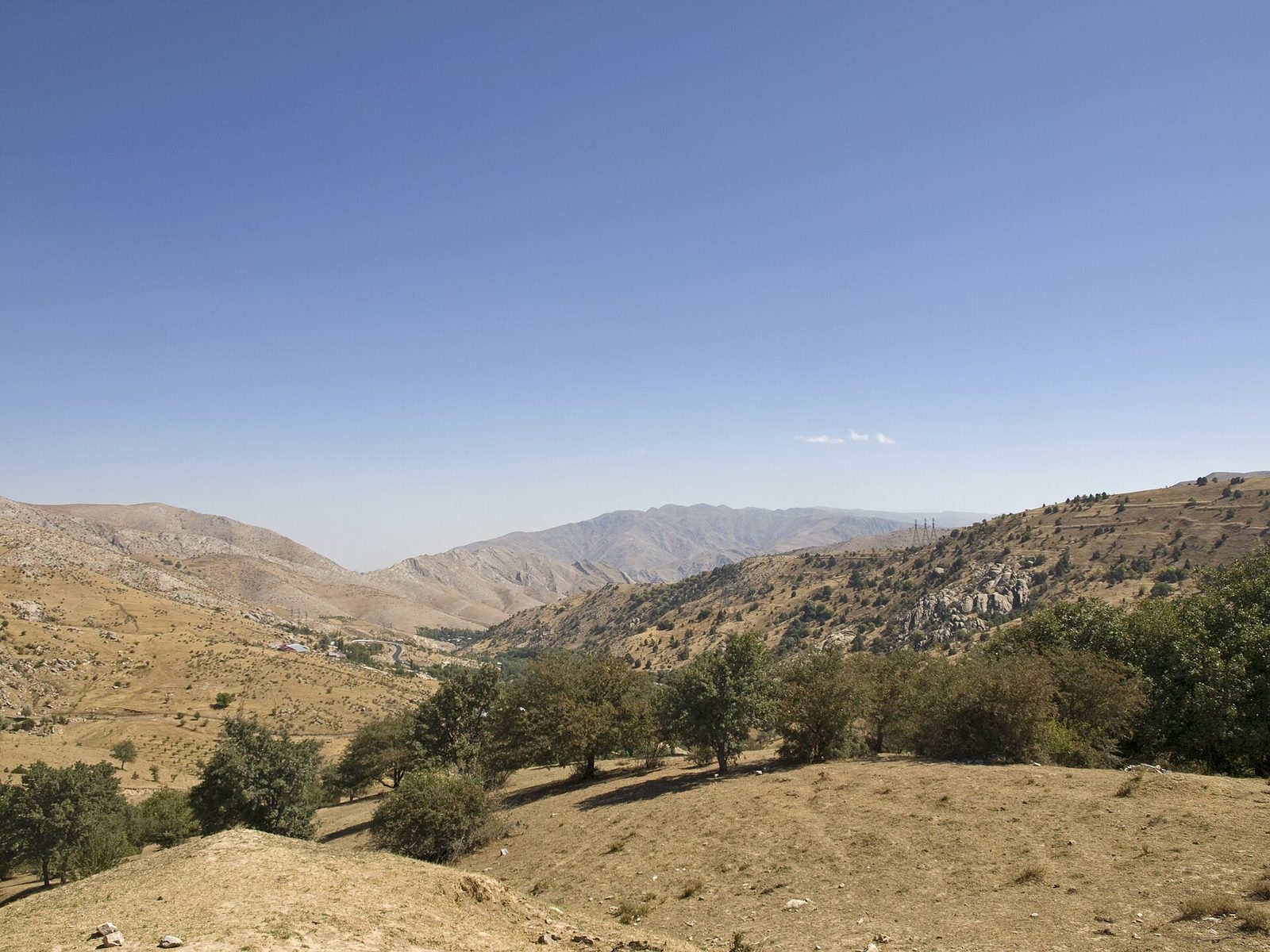
- The Seven Lakes lie one above another in the Shing valley of the ,Did you know? The Fann Mountains have about a hundred peaks The Fann Mountains, between the Zarafshan and Gissar ranges, have about a hundred peaks, eight of them over 5,000 m. The highest is Chimtarga (5,489 m), and among them lie the Kulikalon and Alauddin lakes and Iskanderkul. Read more → Tajikistan, from about 1,600 m to 2,400 m.
- From Samarkand you cross at Jartepa–Did you know? Sarazm was a town before the pyramids of Giza were built Sarazm near Penjikent was settled from the 4th millennium BC and traded with lands from the Aral Sea to Iran and the Indus. In 2010 it became the first UNESCO World Heritage Site in Tajikistan. Read more → and walk 0.6–1 km between the two border posts.
- One day is enough for Sarazm, ancient Did you know? Penjikent's walls showed Rustam long before Ferdowsi From the 5th to the 8th century the Sogdian houses of ancient Penjikent were painted with feasts, gods and the hero Rustam, centuries before Ferdowsi wrote the Shahnameh. Many murals are now in the Hermitage and in Dushanbe. Read more → and a drive up the valley; our 4-day jeep route reaches the seventh lake.
- Passports of the EU, the USA, Japan, South Korea, Brazil and many other countries enter Tajikistan Entry rules depend on your passport. Once you are here, each stay must be registered within three days, and hotels do it for you; customs and registration rules are in our guide. Read more →-free for 30 days. We check yours before booking.
- For walks higher in the Fann Mountains, the season runs from late June to mid-September.
Tours where you can see this for yourself. Find a tour that fits you →
Contents
Seven lakes in one valley
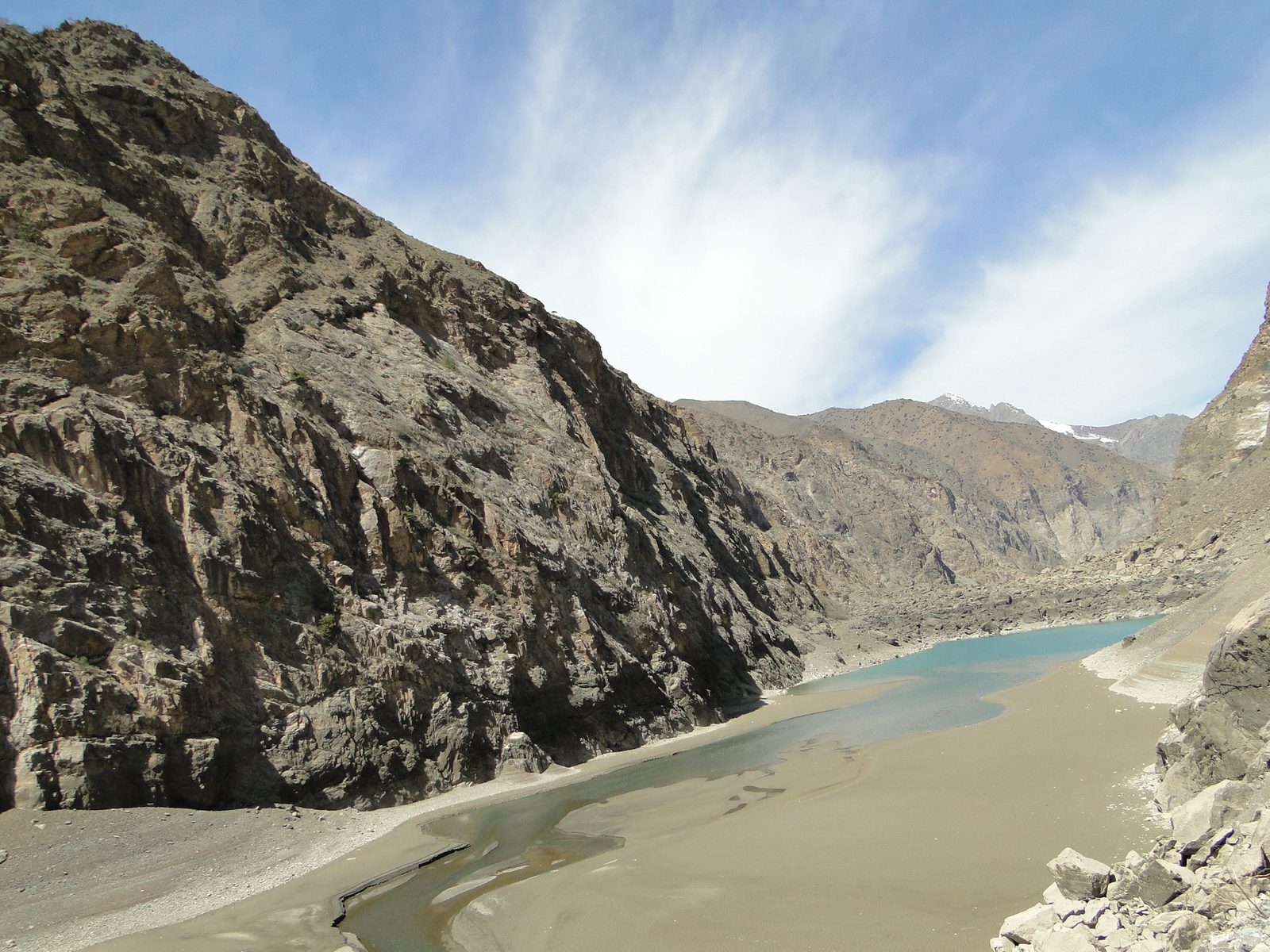
The lakes are natural: the Shing river was dammed in several places, and each lake fills its own stretch of a narrow valley. Going up the road, you meet them in this order.
- Nejigon, about 1,600 m. Small, up to 20 m deep, turquoise or blue.
- Soya, 1,701 m. The name means “shadow”: the valley is so narrow here that the sun reaches the water only for part of the day.
- Khushyor, 1,770 m.
- Nofin, 1,820 m. About 2 km long and 400 m wide.
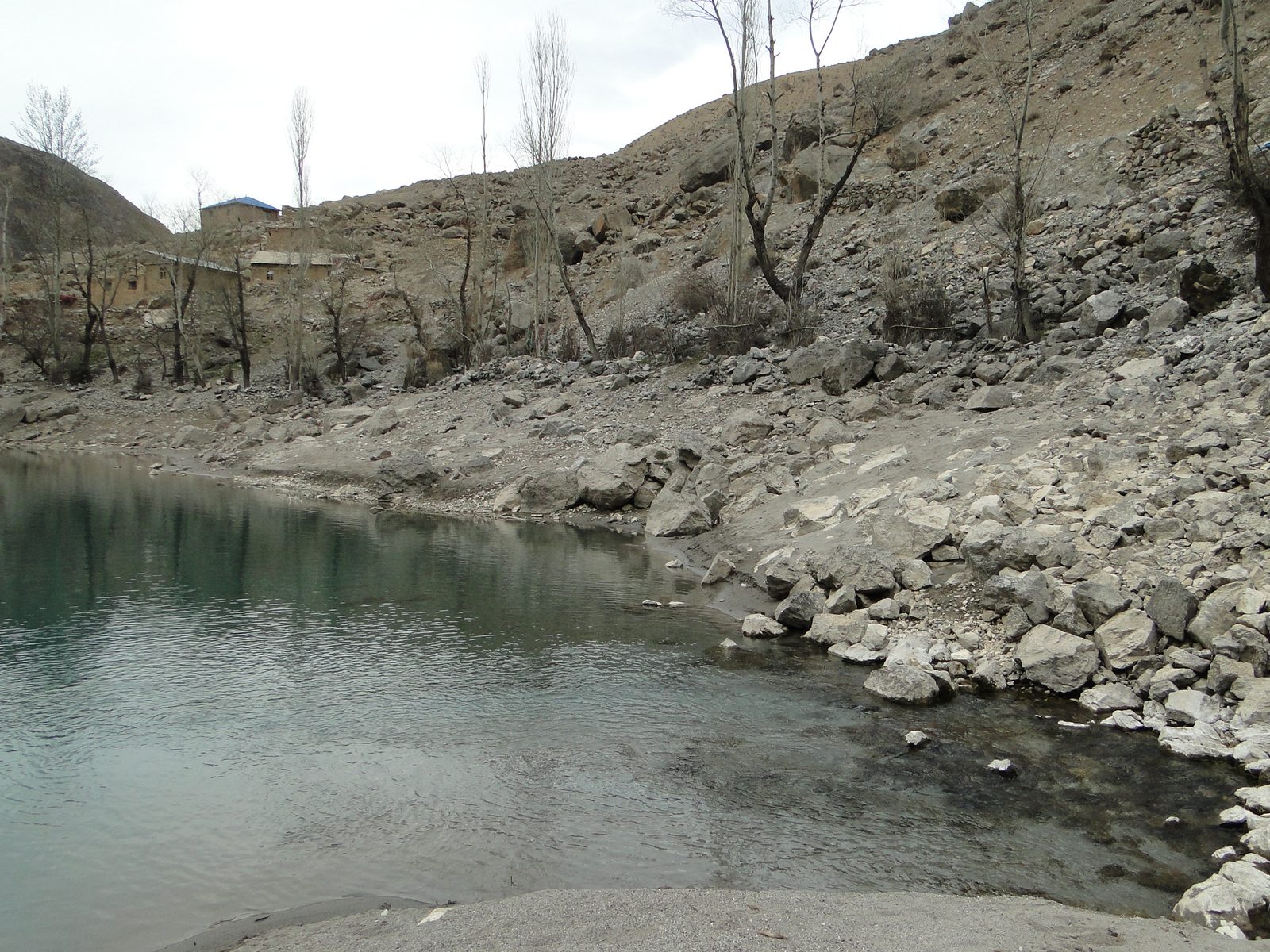
- Khurdak, 1,870 m. The smallest of the seven, beside a mountain village.
- ,Did you know? Legend says the Marguzor lakes are seven sisters hidden by God Legend says seven sisters of the Marguzor valley fled from seven divs, the giants of folk tales, and God hid the girls by turning them into lakes and the divs into mountains. Geologists say landslides dammed the Shing gorge. Read more → 2,139 m. The largest and best known; the whole chain is often called the Marguzor lakes after it.
- Hazorchashma, about 2,400 m. The name means “a thousand springs”, and springs and streams feed it. This is where the road ends.
The colour changes from lake to lake and through the day: turquoise and blue in the lower lakes, sometimes almost violet, light blue at Marguzor. A jeep road climbs the valley past all seven, through villages where the houses stand right above the water.
Sarazm and Penjikent on the way
Two places on the road are worth the stop. Sarazm, right by the border and about 15 km west of Penjikent, is a settlement where people lived from the 4th millennium BC. It has been on the UNESCO World Heritage List since 2010.
Ancient Penjikent is a Sogdian town on a terrace above the modern one. Its houses were painted with murals until 722, and the best of them are now in the Hermitage. The Did you know? Legend says the first great Persian poet was born blind Legend, via the historian Awfi, says Rudaki (c. 858–941), honoured as the father of Tajik literature, was born blind. Scholars doubt it: his verses paint nature too vividly. He came from Panjrud, near Penjikent. Read more → Museum in the new town keeps finds from the excavations. Who the Sogdians were and how they traded is in our article on the Sogdians of the Silk Road. Modern Penjikent stands on the Zeravshan at about 1,000 m, and from here the road turns south into the mountains.
One day or four
For a single day there is our Penjikent and Seven Lakes day trip. It leaves Samarkand in the morning. The border, Sarazm, ancient Penjikent and the Rudaki Museum come first, then the drive up into the Fann Mountains to the lakes, and you are back in Samarkand in the evening. It adds one day to any route that already passes through Samarkand.
With four days, take the Seven Lakes jeep expedition: on the Tajik side local 4×4 drivers take over. The first day in the valley covers Nejigon, Soya, Khushyor and Nofin, with a night in a mountain house or a small guesthouse by the lakes. The next day goes on to Khurdak, Marguzor and Hazorchashma, by jeep and on foot, with stops for tea and photos timed to the light. Then a night in Penjikent and the road back to Samarkand.
With five days or more, the Mystic Asia tour continues from the lakes to ,Did you know? Legend says Alexander's horse still comes out of Iskanderkul Legend says Bucephalus plunged into the lake and on full-moon nights comes out to graze; another tells that Alexander turned a river onto a rebel village. In fact the lake, 2,195 m up and 72 m deep, was dammed by a landslide. Read more → Did you know? Legend says Istaravshan was founded by Cyrus the Great By tradition Istaravshan is the Cyropolis of ancient authors, a frontier town founded by the Persian king Cyrus. The date is symbolic, but in 2002 the city celebrated its 2,500th birthday and built a blue-domed gate at Mug-Teppa. Read more → and Did you know? Khujand began as Alexander's 'Furthest Alexandria' In 329 BC Alexander the Great founded Alexandria Eschate, 'the Furthest', on the Syr Darya, at or near today's Khujand. It was the most northerly outpost of his empire in Central Asia, and Greek culture lingered there for centuries. Read more → and comes back to Tashkent through the Oybek crossing. For hiking days in the Fann Mountains there is our 12-day Tajikistan and Silk Road tour.
The border at Jartepa
From Samarkand you cross at Jartepa on the Uzbek side and Sarazm on the Tajik side. You walk from one post to the other with your luggage, roughly 0.6 to 1 km, and the car waits beyond the second post. On our trips our team meets you at the Tajik post, and we plan nothing tight on a crossing day.
Citizens of the EU, the USA, Canada, Australia, Japan, South Korea, Brazil, Switzerland and a number of other countries enter Tajikistan visa-free for 30 days. Other passports need a Tajik e-visa, applied for online before the trip. You come back into Uzbekistan the same evening or a few days later, so if you travel on an Uzbek visa, it has to be a double- or multiple-entry one. We check the rules for your passport before we book anything.
When to go and what to bring
The lakes are a trip for the warm months, and when we plan we check the road for your dates. For walking higher in the Fann Mountains the season is from late June to mid-September.
The valley is cooler than Samarkand, so bring a warm layer and shoes that are comfortable on stony paths. Drink bottled water, and buy a couple of bottles in Samarkand for the road. Keep your passport at hand: you cross the border twice.
Staying in Samarkand before or after? Our list of hotels in Samarkand is a good start. More ideas for a day out of the city are in day trips from Samarkand, and the country next door as a whole is in our Tajikistan travel guide. Send us your dates, and we will check the border rules for your passport and fit the lakes into your route.
© Photos
- Nejigon, the first of the Seven Lakes (Haftkul), in the gorge of the Shing valley, Fann Mountains, Tajikistan — Шухрат Саъдиев / Wikimedia Commons · CC BY-SA 4.0
- Nofin, the fourth of the Seven Lakes (Haftkul), Fann Mountains, Tajikistan — Шухрат Саъдиев / Wikimedia Commons · CC BY-SA 4.0
- Khurdak, the fifth of the Seven Lakes (Haftkul), with village houses above the shore, Fann Mountains, Tajikistan — Шухрат Саъдиев / Wikimedia Commons · CC BY-SA 4.0