Places in this article: Bukhara
Bukharan Jews: a page in Bukhara’s history
Bukhara is a city where, for centuries, craftsmen, merchants and families of many kinds lived side by side. One of the oldest pages in its history belongs to the Bukharan Jews: a community that lived in Central Asia for more than a thousand years and left a clear mark on the crafts, the music and the look of the old city.
Where the name comes from
The Jewish communities of all Central Asia — in Samarkand, Tashkent and the Fergana Valley — were called “Bukharan” because their main cultural centre was Bukhara. Tradition traces the community’s beginnings to ancient times; historians say that reliable evidence of it, in Balkh and Khorezm, dates from the 8th–9th centuries.
The Bukhori language
The community spoke Bukhori, a language close to Tajik. It was written in Hebrew letters, in the 1920s–1930s in the Latin alphabet, and from 1940 in Cyrillic. Today Bukhori is spoken mainly by the older generation, while the grandchildren know their grandmothers’ sayings and the names of the dishes.
Masters of colour
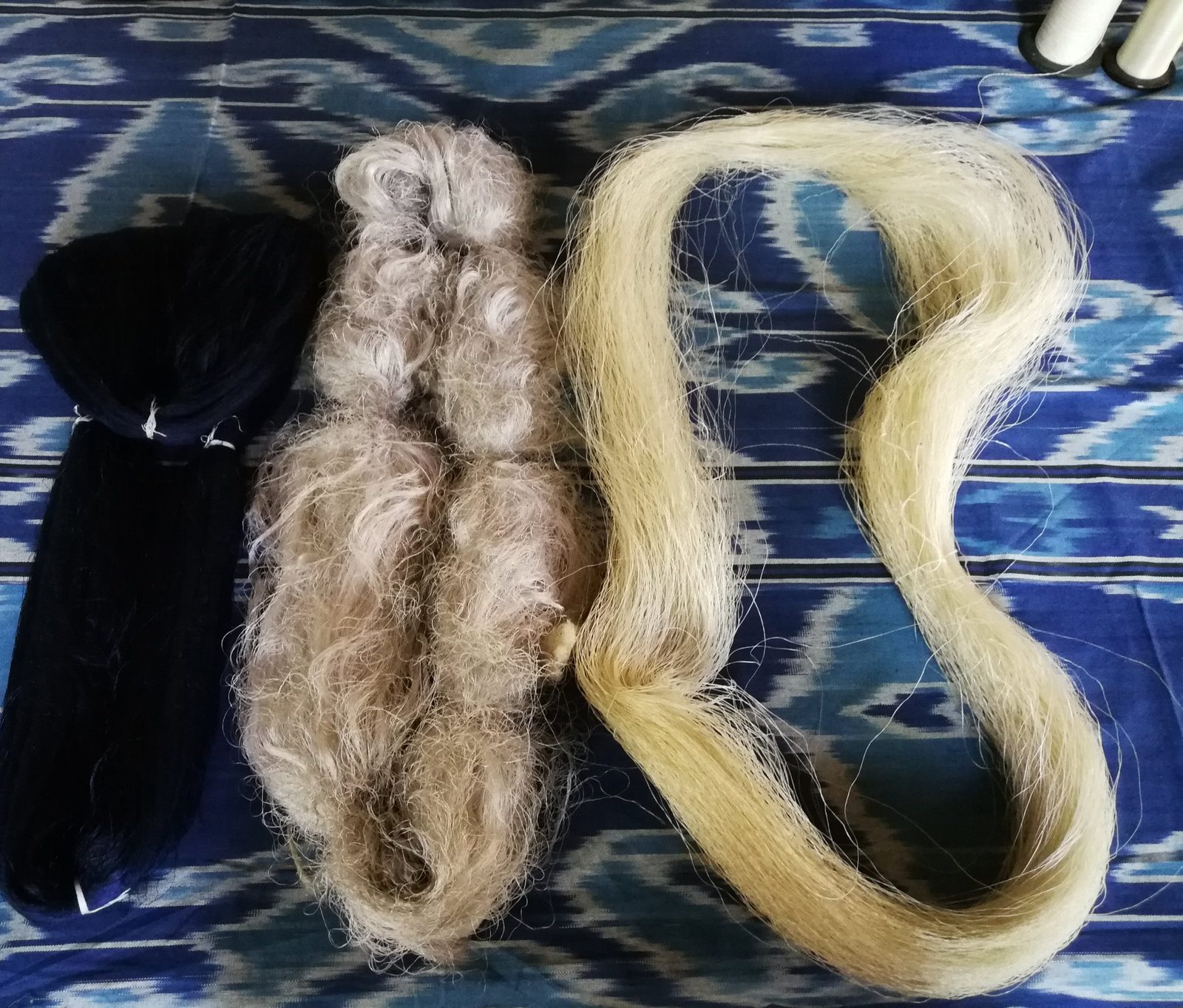
Bukharan Jews were renowned as dyers: indigo and other natural dyes, which gave colour to Bukhara’s famous fabrics, passed largely through their hands. When you look at old Bukharan textiles in museums, it is worth remembering that their makers included the dyers of the Jewish quarter.
The music of Shashmaqam
Bukharan Jewish musicians were an important part of Shashmaqam, the classical music of Bukhara and Samarkand, and performed at court. Shashmaqam is now on UNESCO’s list of intangible heritage, and their contribution is part of what you hear in it.
The legend of the Lyabi-Hauz pond
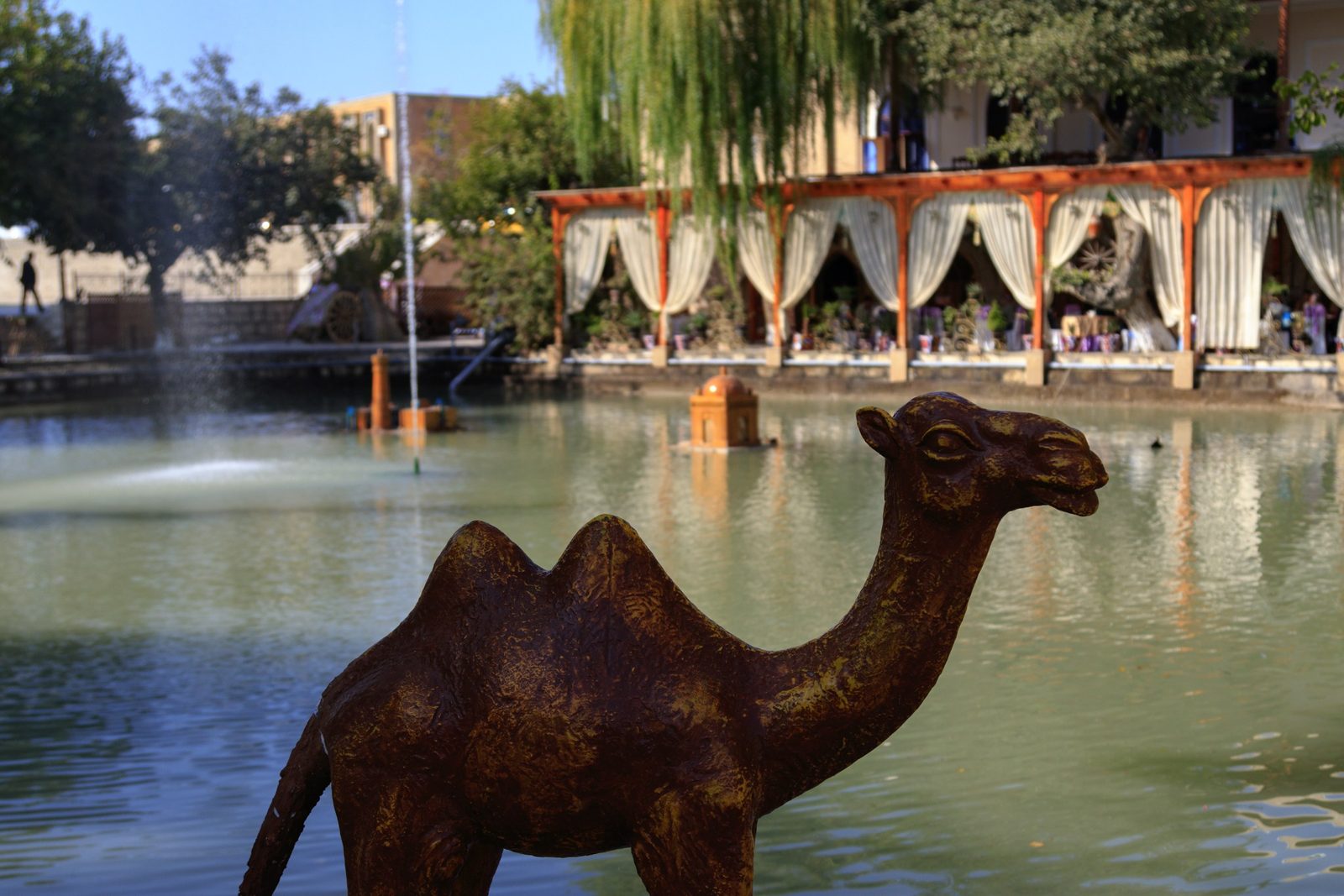
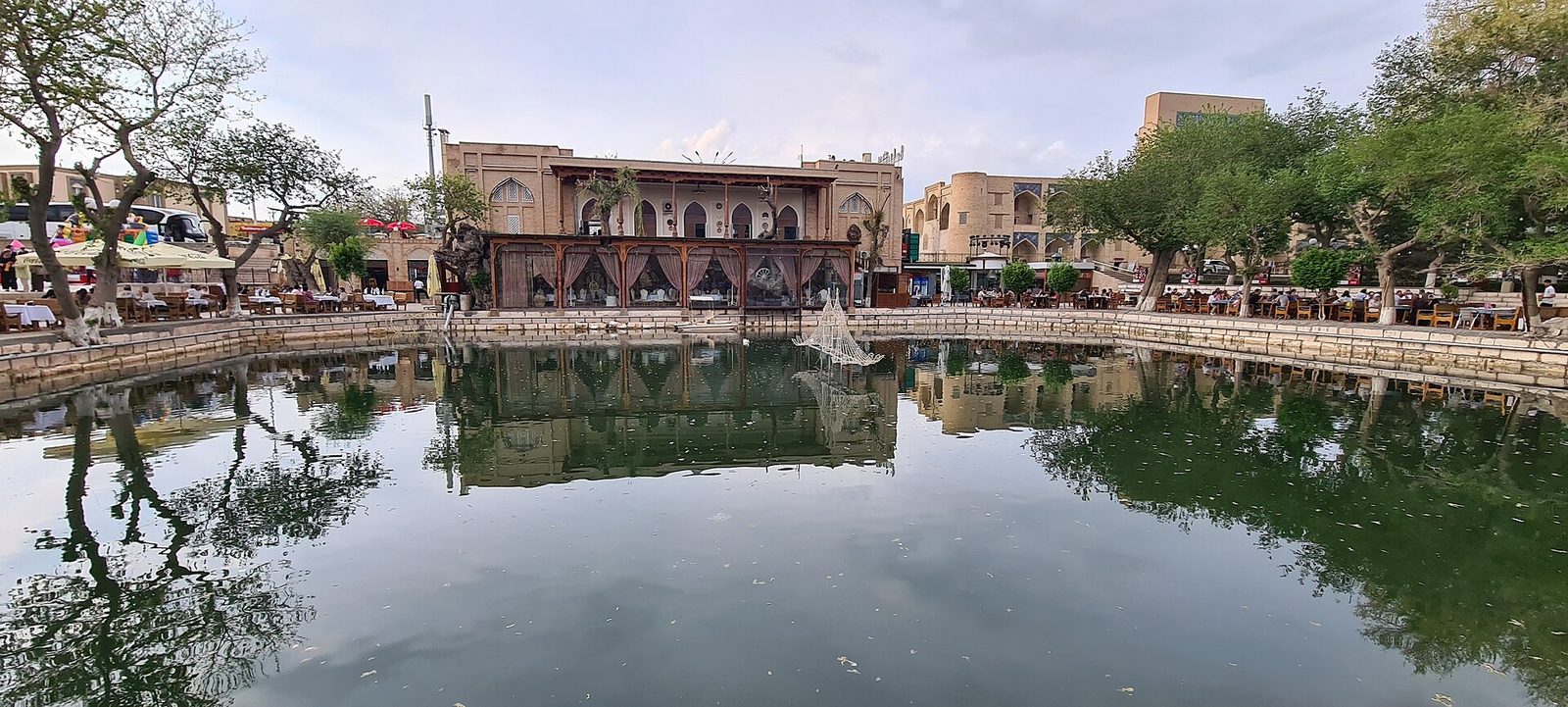
The vizier Did you know? A caravanserai that became a madrasah by a khan's word Nadir Divan-Begi built his 1622 building by Lyabi-Hauz as a caravanserai. At the opening Imam Quli Khan praised it as a fine madrasah, and a khan's word could not be taken back: a portal and cells were added, and a madrasah it became. Read more → wanted to dig a pond on a plot that belonged to an old widow from the Jewish quarter. She did not want to sell it. According to legend, in the end she agreed, asking in return for land for a synagogue. That, they say, is how Bukhara got its main pond, where guests from all over the world drink tea today.
The Magoki-Attari Mosque
Bukhara’s guides tell that in the old days, members of the Jewish community also prayed for a time in this mosque — one of the oldest in the city — until they had a synagogue of their own. It is a story of good neighbourliness that people in Bukhara like to retell.
The quarter today
The old Jewish quarter is a few minutes’ walk from Lyabi-Hauz. Houses with inner courtyards, built in the community’s characteristic style, survive here, the synagogue is active, and some of the houses have been restored. Many families whose ancestors lived here now live in different countries and come to Bukhara to visit their roots.
If you go
The quarter is easy to add to a walk through old Bukhara: a couple of hours with a guide who knows its history is enough. It is a residential area: we photograph people and courtyards after asking permission; we enter the synagogue in modest clothing; on Saturdays and holidays it keeps its own schedule, so we agree the time of the visit in advance. The best time for walks in Bukhara is spring and autumn.
© Photos
- Lyabi-Hauz pond, Bukhara — BeshevI / Wikimedia Commons · CC BY-SA 4.0