
 Deutsch
 English
 Español
 Français
 Italiano
 Polski
 Português
 Suomi
 Svenska
 Türkçe
 Ελληνικά
 Български
 Русский
 עברית
 한국어
 中文
 日本語
Places in this article: Tashkent
The Solar Furnace near Tashkent: 10,700 mirrors in the Parkent foothills
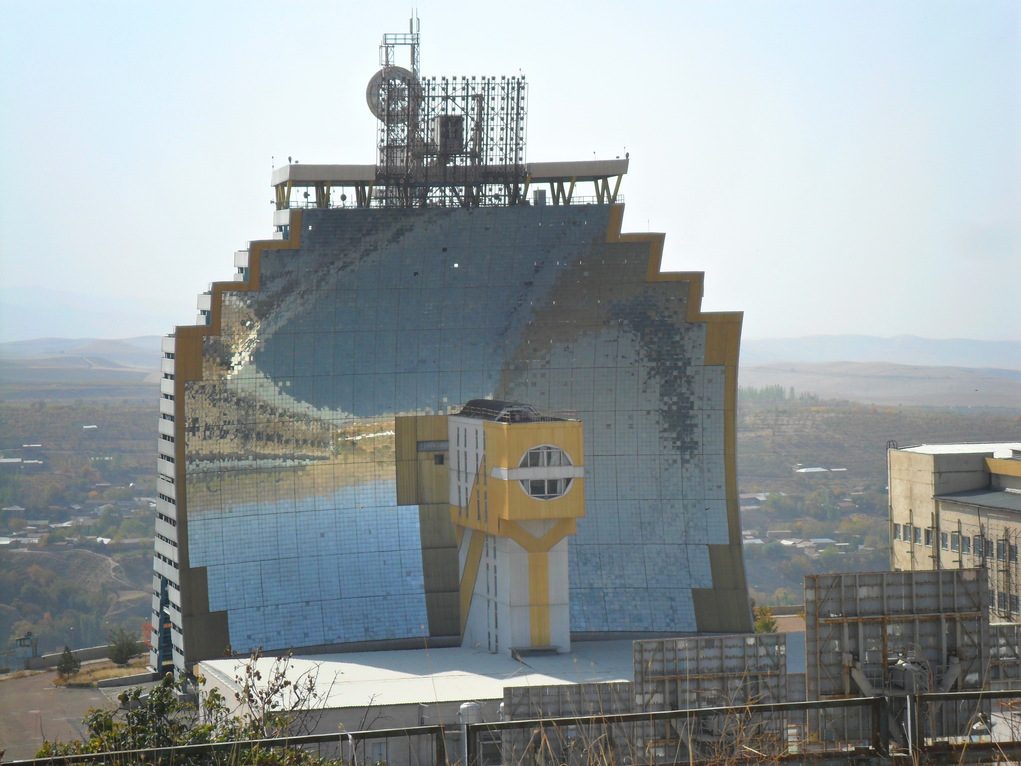
On a clear morning in the foothills east of Tashkent, 62 flat mirrors on a slope turn slowly after the sun. They throw its light onto a curved wall of 10,700 smaller mirrors, 54 metres high and 47 metres wide, and the wall gathers that light into a single point inside a tower. At that point the temperature passes 3,000 °C in a few seconds.
This is the Did you know? A solar furnace near Tashkent catches the sun with 62 mirrors The Big Solar Furnace near Parkent, about 45 km from Tashkent, has worked since 1987. A field of 62 heliostats sends sunlight onto a parabolic concentrator of 10,700 small mirrors, and the heat is used to test and make new materials. Read more → near Parkent, about 45 km from Tashkent. We take guests there for a day out of the city and as the first stop of our astronomy tour. Below: how the furnace works, why it was built on this slope, and how we plan the visit.
In short
- The furnace is about 45 km east of Tashkent, around 1 h 20 min by road. We go on a clear day.
- 62 heliostats, a concentrator of 10,700 mirrors, over 3,000 °C at the focus and 1 MW of heat.
- It was built in 1981–1987 to study materials at very high temperatures and is still a working research site.
- Since July 2026 it is part of the UNESCO site Tashkent Modernist Architecture, the only part outside the city.
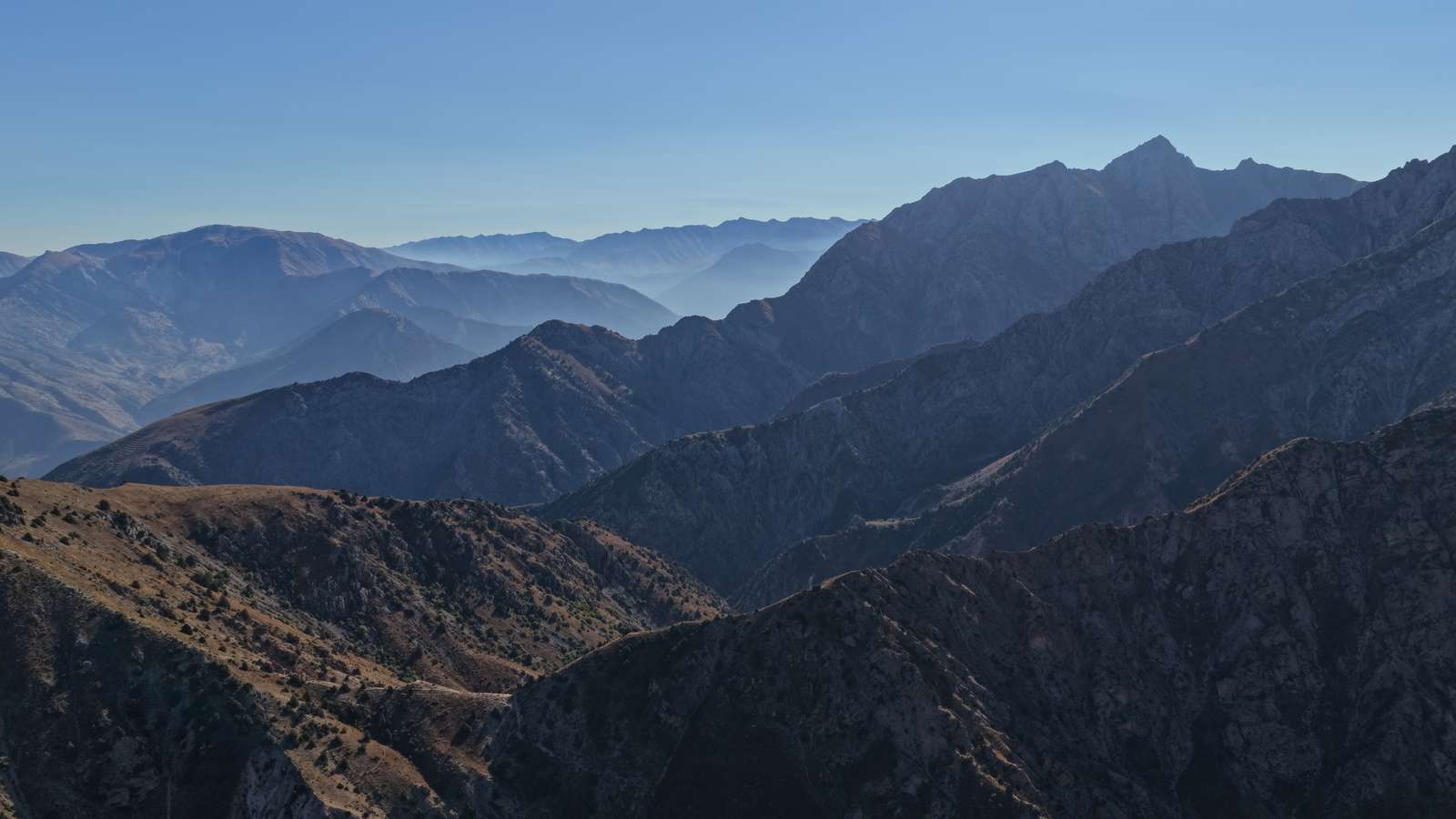
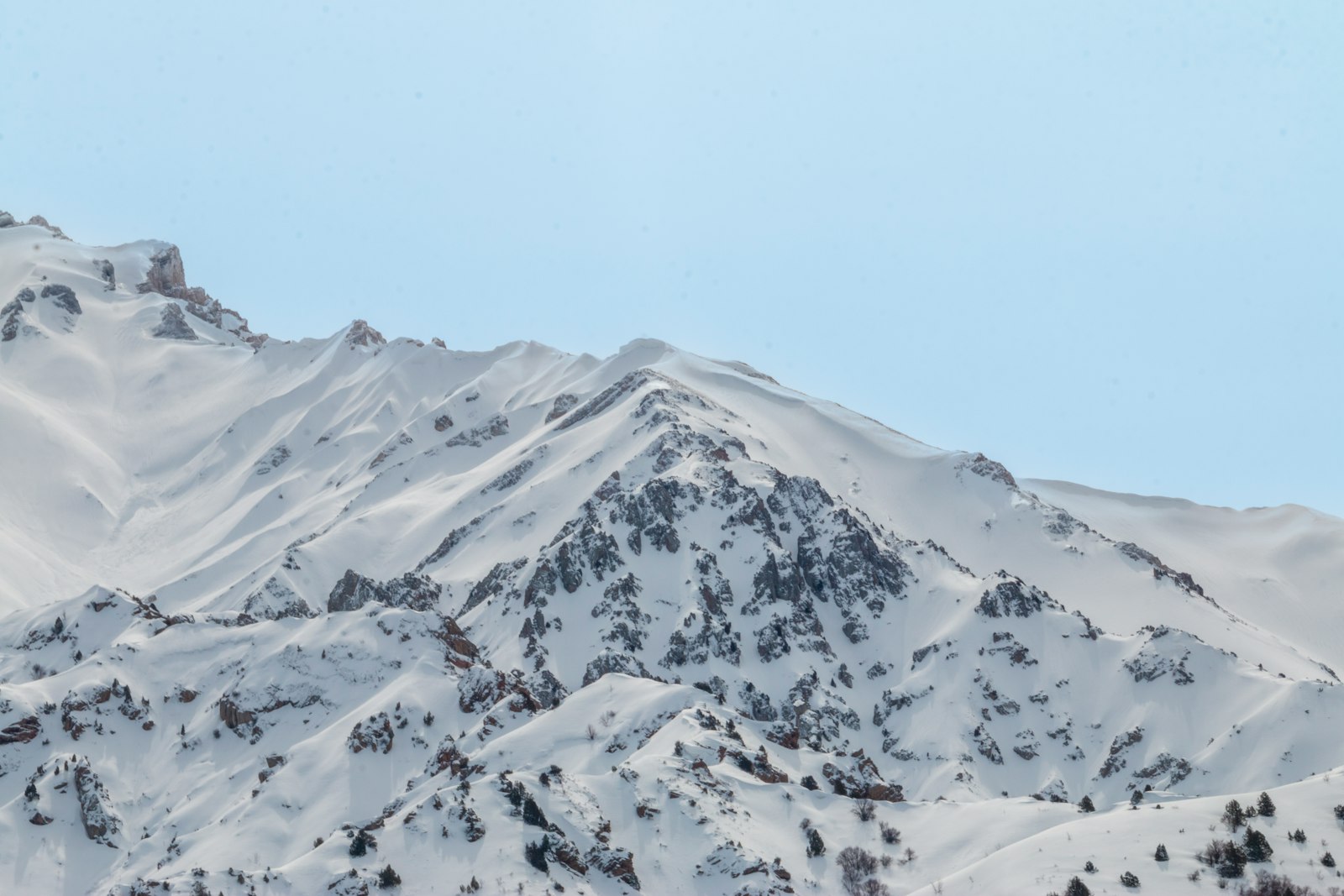
- The mountain village of Sukok, at the foot of the Did you know? Snow leopards live in a reserve near Tashkent The Chatkal Biosphere Reserve, founded in 1947, spans 1,500–3,900 m on the Chatkal Range. It protects 770 plant species and rare animals including the snow leopard and Menzbier's marmot. Read more → range, is about half an hour further on.
Tours where you can see this for yourself. Find a tour that fits you →
Contents
How 10,700 mirrors heat one point
The furnace has two parts. On the slope stand the heliostats, flat mirrors that turn through the day to follow the sun. Facing them is the concentrator, the curved mirror wall you see in every photo. The heliostats send the light to the concentrator, and the concentrator focuses it inside the technological tower.
The thermal power is one megawatt. Nothing burns, so a sample in the focus is heated by light alone, with no smoke or combustion gases around it. That is why scientists use it to test materials at extreme heat. The same principle works at Odeillo in the French Pyrenees, where a furnace with 63 heliostats has run since 1969. The one near Parkent started work in 1987.
Why it stands in the Parkent foothills
The sun shines here about 270 days a year, and the site is at about 1,100 m, on the slopes rising from the Tashkent plain towards the mountains. Construction ran from 1981 to 1987. The complex belongs to the Physics–Sun research association of the Academy of Sciences of Uzbekistan, and its work on materials at very high temperatures has reached as far as aviation and space.
The furnace is still a research site, so you visit it with a guide. On the tour you see the heliostat field and the concentrator up close, and the guide explains how the furnace is used today.
A UNESCO site since July 2026
In July 2026, at its 48th session in Busan, the World Heritage Committee inscribed Tashkent Modernist Architecture: ten buildings from the 1960s to the early 1990s. Nine of them stand in central Tashkent. The Solar Furnace is the tenth, and the only one outside the city.
If you want to see the whole list, start in Tashkent and finish in Parkent. The city buildings are in our article on Tashkent modernism and in our two-day Tashkent modernism tour.
How we plan the visit
The furnace needs the sun, so we watch the forecast and choose a clear day. As it is a working research site, we agree the date and time with the complex in advance. The road from Tashkent takes about an hour and twenty minutes each way, and with the visit you need half a day.
The simplest way to go is our Travel Moments: the Solar Furnace, a transfer there and back. If you would rather set the day yourself, take a car with a driver for half a day or a day. The furnace also opens our five-day Stars of Uzbekistan astronomy tour, which goes on to Ulugh Beg's observatory in Samarkand and a night in a yurt camp by .Did you know? Aydarkul is a wetland of international importance In 2008 the Aydar-Arnasay lake system, about 527,000 ha, became a Ramsar site. It lies where two great bird flyways cross and shelters Dalmatian pelicans and the rare white-headed duck. Read more → For other ideas near the city, see day trips from Tashkent.
Sukok on the same day
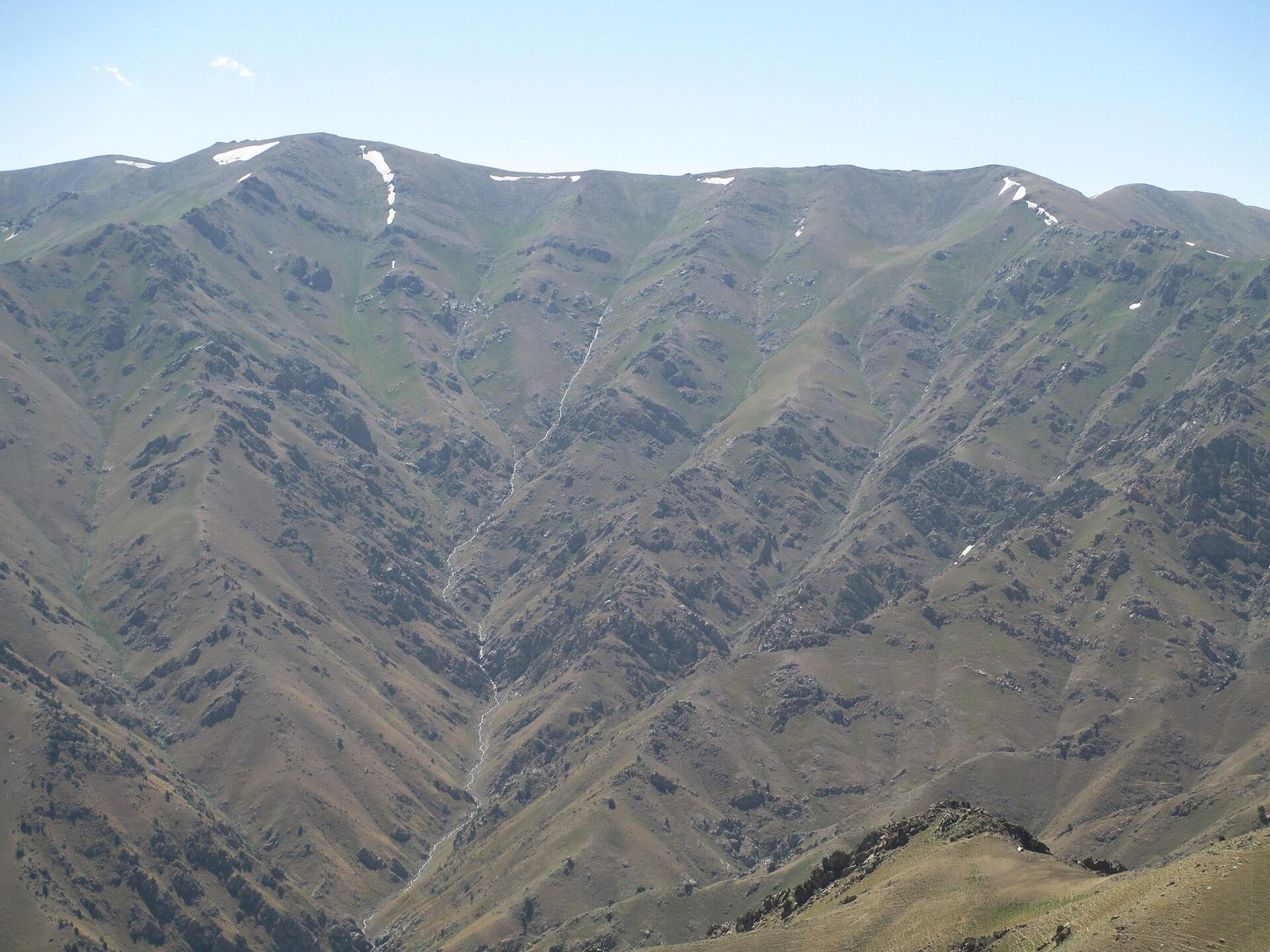
About half an hour from the furnace, Sukok spreads along the Sukok river at the foot of the Chatkal range. It is a mountain village in the Parkent district, and in April and May it is known for samsa with spring greens and mador, an onion that grows only in the cool mountain air at that time of year. Sukok samsa is on Uzbekistan's register of geographical indications.
A good plan is the furnace in the morning, while the sun is high, and lunch in Sukok after it. Our trip to Sukok comes with transport and a guide, and we can join it to the furnace in one day.
Staying in Tashkent before or after? Our list of hotels in Tashkent is a good start. Send us your dates, and we will pick a clear day for the furnace and build the rest of the trip around it.