Places in this article: Tashkent · Tajikistan
Travel insurance for Uzbekistan: is it required and what should it cover?
At passport control in Tashkent the officer looks at your passport, your face and, for some nationalities, your .Entry rules depend on your passport. Once you are here, each stay must be registered within three days, and hotels do it for you; customs and registration rules are in our guide. Read more → Nobody asks to see an insurance policy. So why do we tell every guest to buy travel insurance for Uzbekistan before they fly? Because the border is the one place where you will not need it.
We are a tour operator in Tashkent, and these are the questions guests ask us most about insurance: is it compulsory, what should it cover, what changes in the mountains, and what happens if you get ill halfway through the trip.
Is insurance required to enter Uzbekistan?
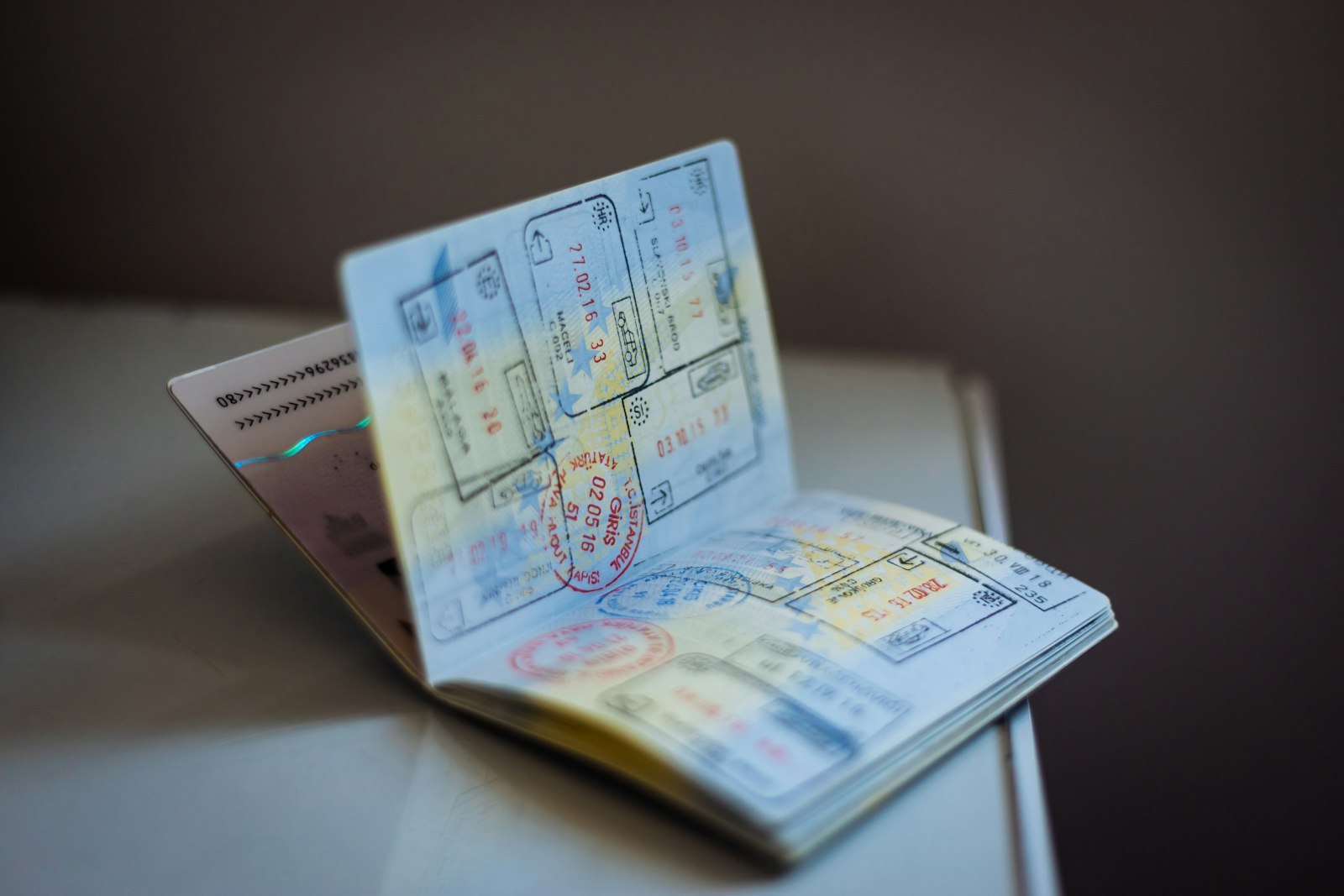
As of October 2026, an insurance policy is not one of the documents for entering Uzbekistan. Citizens of the EU, the UK, the USA and many other countries come in without a visa for up to 30 days; you need a passport valid for at least three months after arrival. If your passport needs a visa, start with our guide do you need a visa for Uzbekistan.
Uzbekistan’s official tourism portal recommends a medical policy for the whole stay, and says you can buy it at home or in Uzbekistan. We say the same, only more firmly: buy it at home, before departure, from an insurer you know, with the documents in your own language. Our tours do not include insurance; it is the one thing you arrange yourself.
Rules change, so check the entry requirements for your passport a few weeks before the trip. When you book with us, we check every passport in the group too.
What a good policy covers
There is no single right policy, but there is a checklist. Before you pay, make sure it includes:
- Medical treatment and hospital stays abroad, with a sum insured that would cover a serious case, not only a visit to the doctor.
- Medical evacuation and repatriation: transport to a better hospital or home if the doctors say so. This is the line we would not travel without.
- A 24-hour assistance number that answers in your language. Save it in your phone and write it on paper.
- The right territory and dates: Uzbekistan, every other country on your route, and the whole trip from departure to return.
- Your activities: hiking, skiing, horse riding, rafting. More on this below.
- Trip cancellation and interruption, if you want your prepaid trip protected when illness keeps you at home or sends you home early.
Read the exclusions as carefully as the cover. Pre-existing conditions, pregnancy and activities above a certain altitude are the usual places where policies differ.
Medicine in Uzbekistan: what to expect
For everyday problems the country is well supplied. Every city has pharmacies, signed Dorixona in Uzbek or Apteka in Russian, with painkillers, rehydration salts, plasters and antiseptic on the shelves. Bring the medicines you take regularly from home, and declare prescription medicines on the customs form with the prescription in your bag.
For a doctor who speaks English, the place to go is a private clinic in Tashkent; outside the capital the choice is narrower. Private clinics often ask for payment on the spot, so the call to your insurer comes first: they confirm the clinic and, as a rule, settle the bill or tell you how they will refund it. In a serious case the insurer may arrange treatment in another country, and that is exactly what the evacuation cover is for.
Most of what we tell guests about health is simpler than insurance: bottled water, the summer sun, hand sanitiser at the bazaar. It is all in our article on safety and health in Uzbekistan.
Mountains, trekking, skiing and rafting
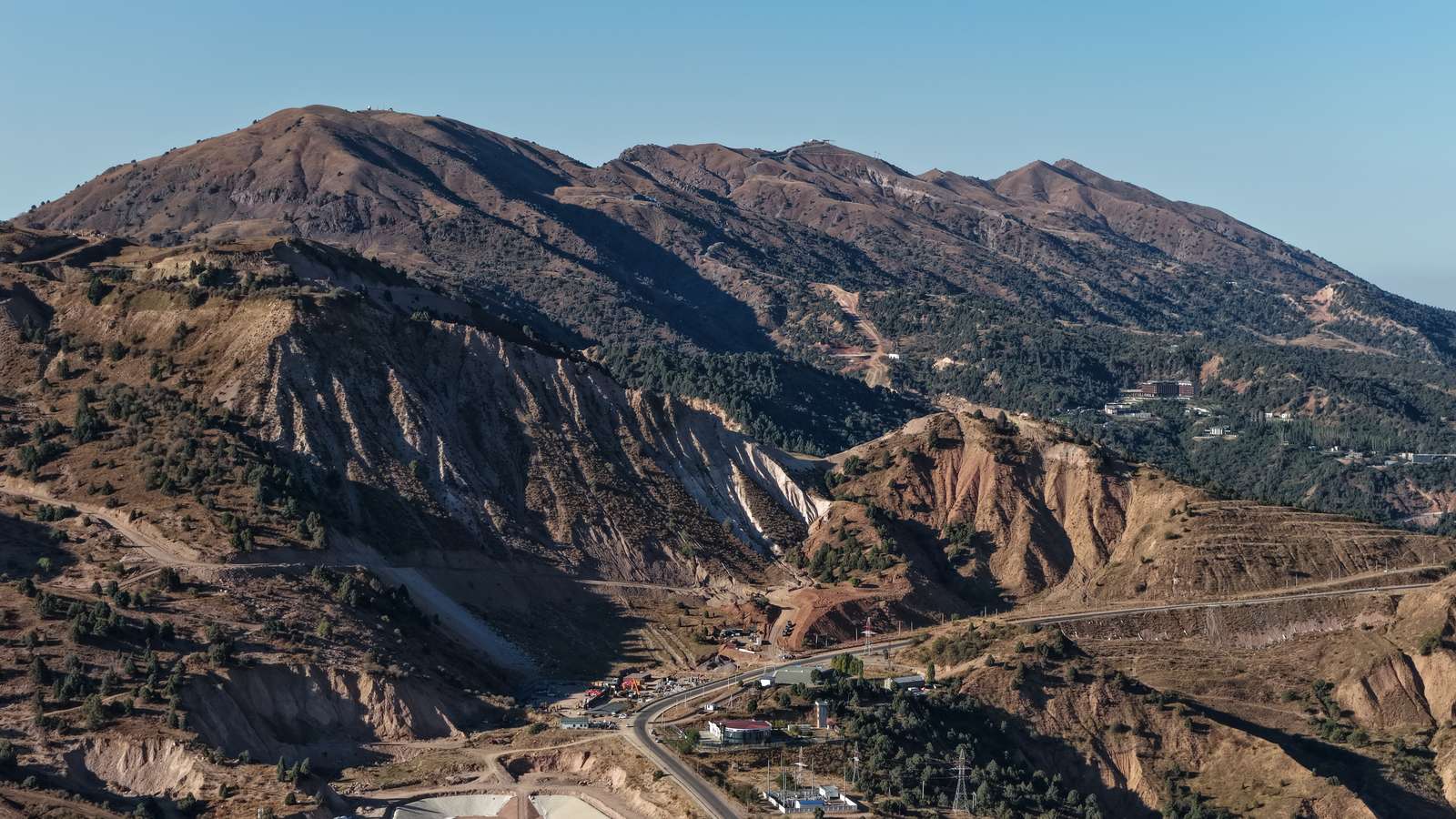
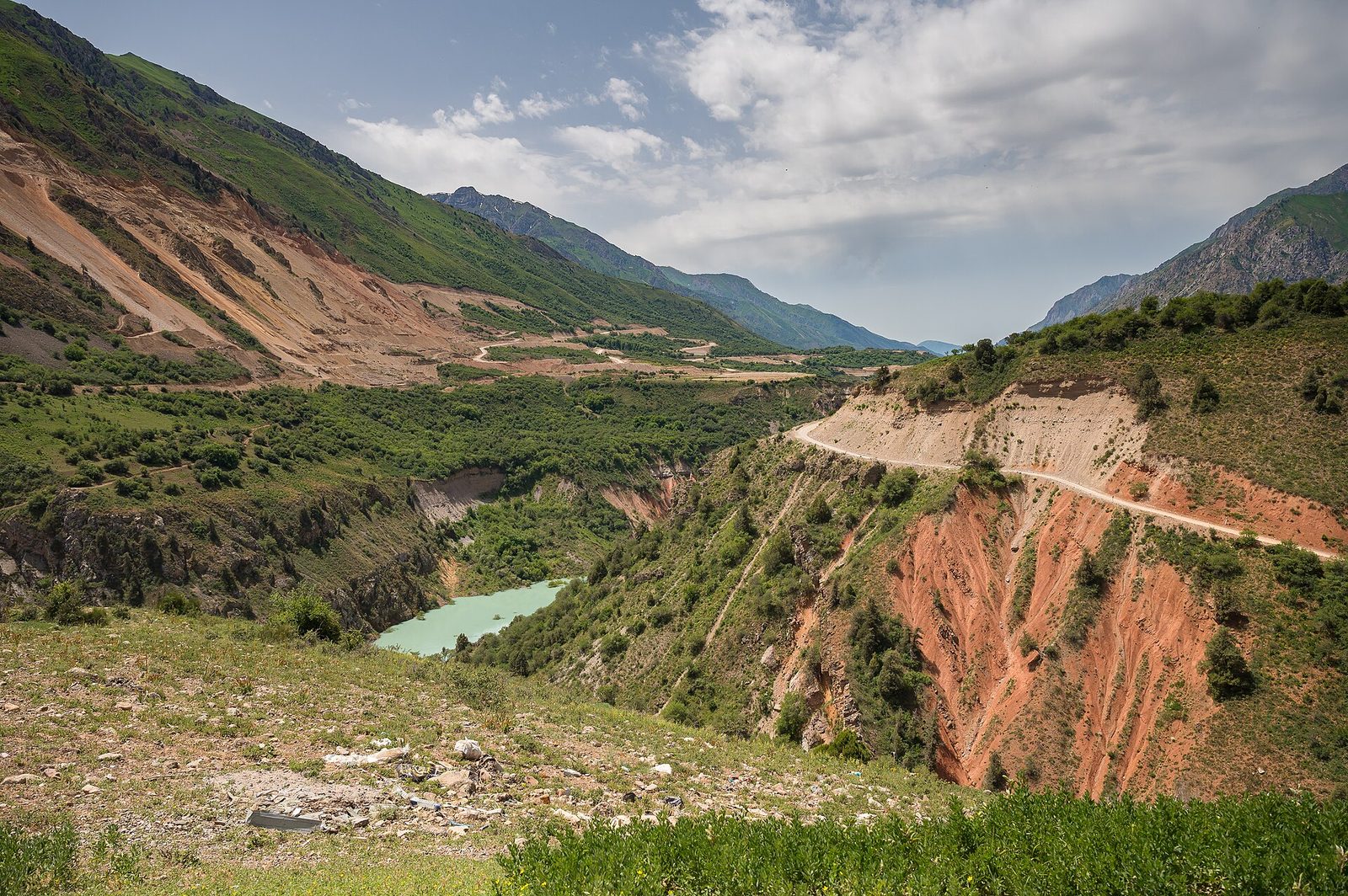
An hour and a half from Tashkent the city trip turns into a mountain trip. Did you know? Greater Chimgan was the first big summit for generations of climbers Greater Chimgan (3,309 m) in the Chatkal Range rises 1,689 m above the land around it, which makes it an ultra-prominent peak. Fifteen graded routes lead to the top, and for generations of beginners it was the first serious climb. Read more → rises to 3,309 m, the gondolas at Amirsoy lift you to 2,290 m, and in winter there are ski runs. On a standard policy these can be grey areas.
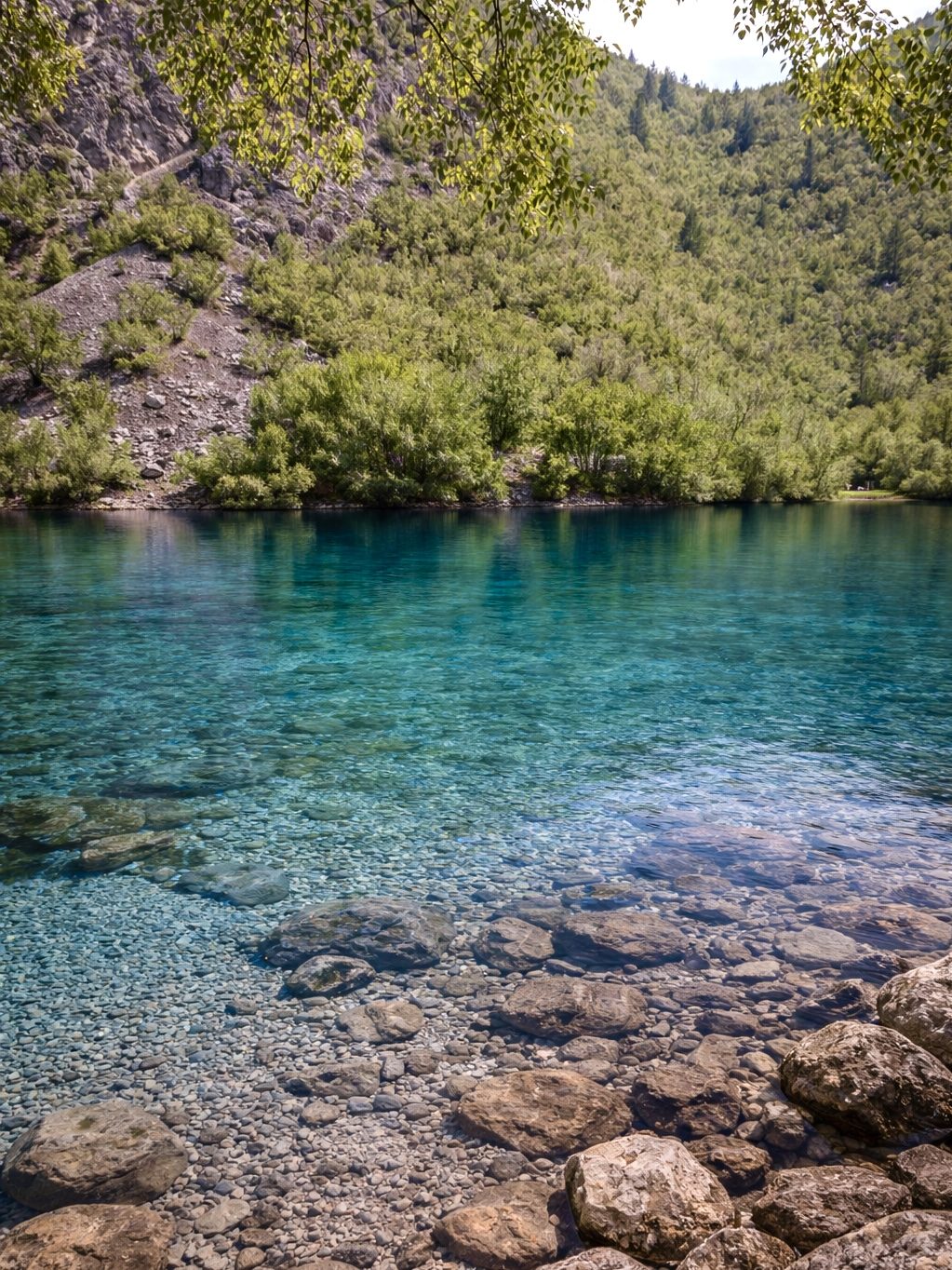
If your plans include a mountain hike with a guide, our ski weekend in the Tashkent mountains or a trek in the ,Did you know? The Fann Mountains have about a hundred peaks The Fann Mountains, between the Zarafshan and Gissar ranges, have about a hundred peaks, eight of them over 5,000 m. The highest is Chimtarga (5,489 m), and among them lie the Kulikalon and Alauddin lakes and Iskanderkul. Read more → check three things:
- that hiking or trekking is covered, and up to what altitude;
- that skiing, rafting or horse riding is listed, if you plan them; many insurers sell them as an add-on;
- that mountain rescue, including a helicopter, is part of the evacuation cover.
Altitude sickness is possible in parts of Uzbekistan and more so in the Tajik mountains. If you plan to go above about 2,300 m and have a heart or lung condition, talk to your doctor first. Where to walk and when is in our guide to hiking in Uzbekistan.
Combining Uzbekistan with Tajikistan or Kyrgyzstan
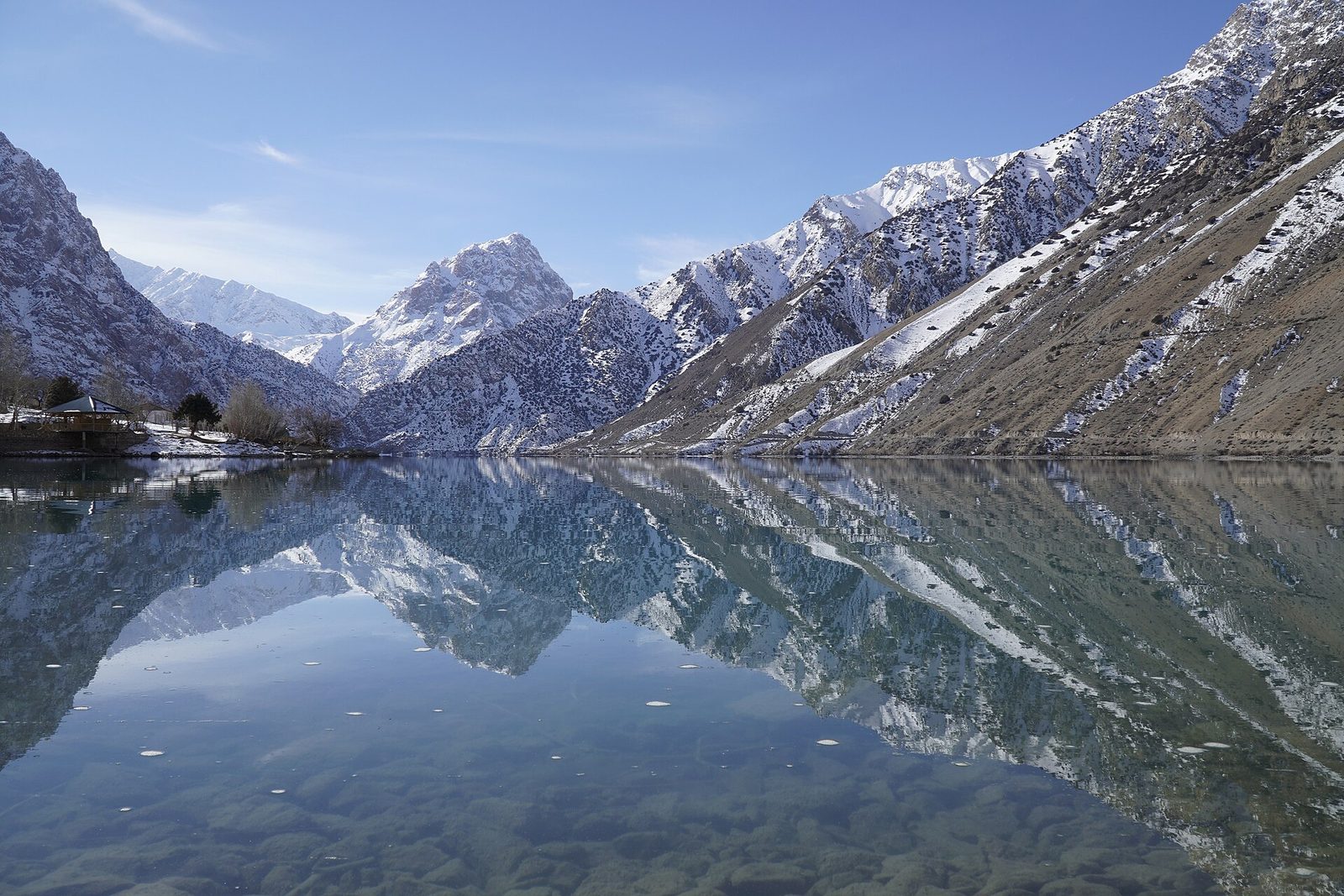
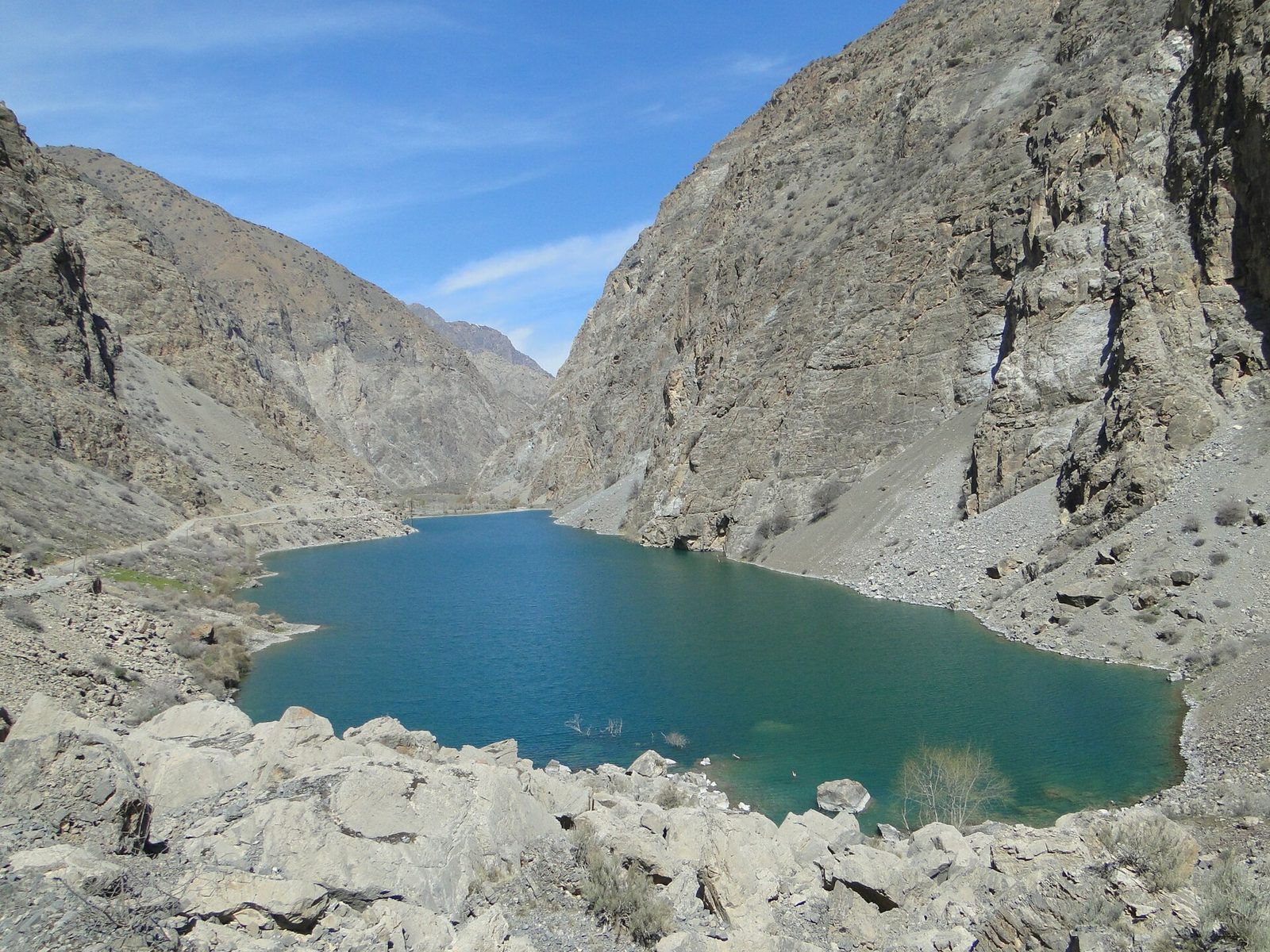
Many of our routes cross a border: from Samarkand to Did you know? Penjikent's walls showed Rustam long before Ferdowsi From the 5th to the 8th century the Sogdian houses of ancient Penjikent were painted with feasts, gods and the hero Rustam, centuries before Ferdowsi wrote the Shahnameh. Many murals are now in the Hermitage and in Dushanbe. Read more → and the ,Did you know? Each of the Seven Lakes has its own name and colour The Haftkul lakes climb from about 1,600 m to 2,400 m. Their names mean 'eyelashes', 'shadow', 'vigilance' and 'small', among others; the largest is Marguzor, and the highest, Hazorchashma, means 'a thousand springs'. Read more → or from Tashkent to Kyrgyzstan. Make sure the policy names every country on the route, not only Uzbekistan. In the Tajik mountains and especially in the ,Did you know? Why the Pamirs are called the Roof of the World Since the 19th century the Pamirs have been known as the Roof of the World, probably a translation of a Persian name. Here rises Ismoil Somoni Peak, 7,495 m, the highest point of Tajikistan. Read more → help can be far away, so evacuation by helicopter matters even more there. What to see across the border and how to cross it is in our Tajikistan travel guide.
If you fall ill during the trip
Most of the time it is a stomach upset or a cold, a pharmacy and a quiet afternoon. If it is more than that, here is the order we follow with guests:
- In an emergency, call 112. Since March 2025 it reaches an ambulance, the police and the fire service anywhere in Uzbekistan; 103 still works for an ambulance.
- Call your insurer’s assistance line as soon as you know you need a doctor. They choose or approve the clinic and arrange payment; without that call, you may have to pay yourself and claim later.
- Tell your guide and us. Your guide speaks your language and the local one, and our office in Tashkent is on call 24/7. We go with you to the clinic, translate and change the route: hotel nights, train tickets, the next days.
- Keep every paper: the doctor’s report, prescriptions and receipts. The insurer will ask for them.
If the trip has to end early, the same rule applies: insurer first, then us. We rebook what can be rebooked and arrange your transfer to the airport.
Before you leave: a short checklist
- A policy for the whole trip and all countries, with treatment, hospital and evacuation.
- Your activities covered: hiking, skiing, rafting, riding.
- The assistance number in your phone and on paper, and a photo of the policy.
- Your regular medicines with the prescription; what else to bring is in what to pack for Uzbekistan.
- A bank card and some cash for a pharmacy or a clinic that wants payment on the spot.
In short
- As of October 2026 Uzbekistan does not ask for an insurance policy at the border, but the official tourism portal recommends one, and so do we.
- Choose a policy with medical treatment, hospital stays and evacuation, a 24-hour assistance line and every country on your route.
- Mountains, skiing and rafting need to be named in the policy, with mountain rescue.
- If you fall ill: 112 in an emergency, then your insurer, then your guide and our office, on call 24/7.
© Photos
- The Pskem river valley, Ugam-Chatkal National Park — Arina Pan / Wikimedia Commons · CC BY-SA 4.0
- Mountains reflected in Iskanderkul lake, Tajikistan — Emad Nemati / Wikimedia Commons · CC BY-SA 4.0